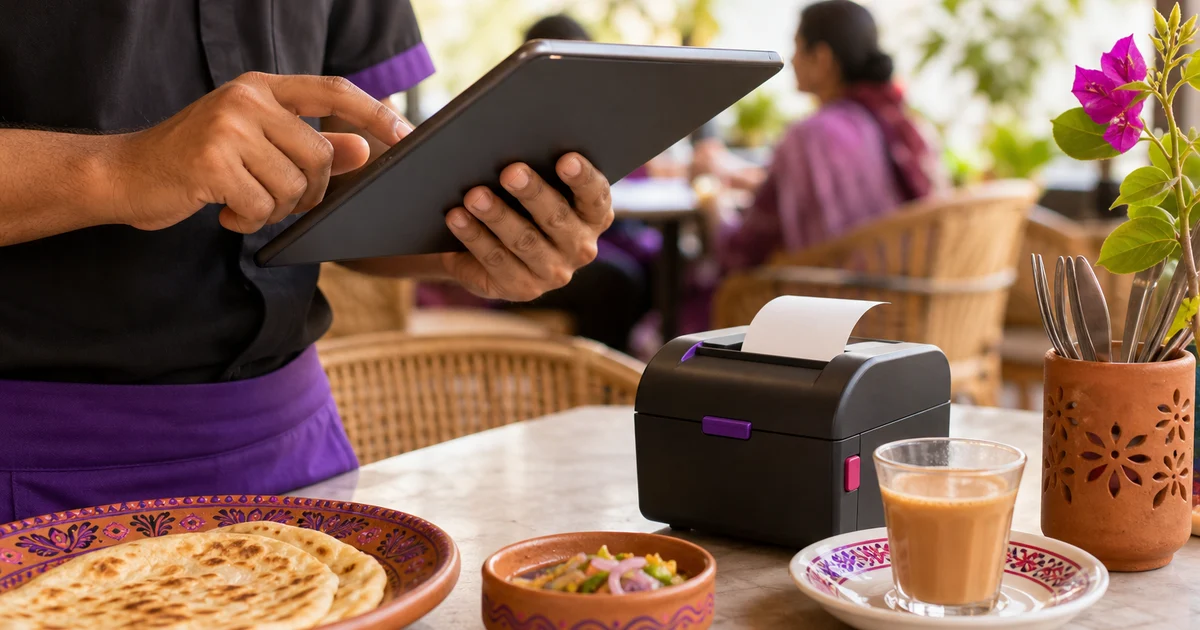
Biryani Restaurant Business in Bangladesh: Costing, Portions and Profit
A practical guide to biryani costing, degh yield, portion control, meat-price changes, delivery packaging, lunch rushes and festival demand.
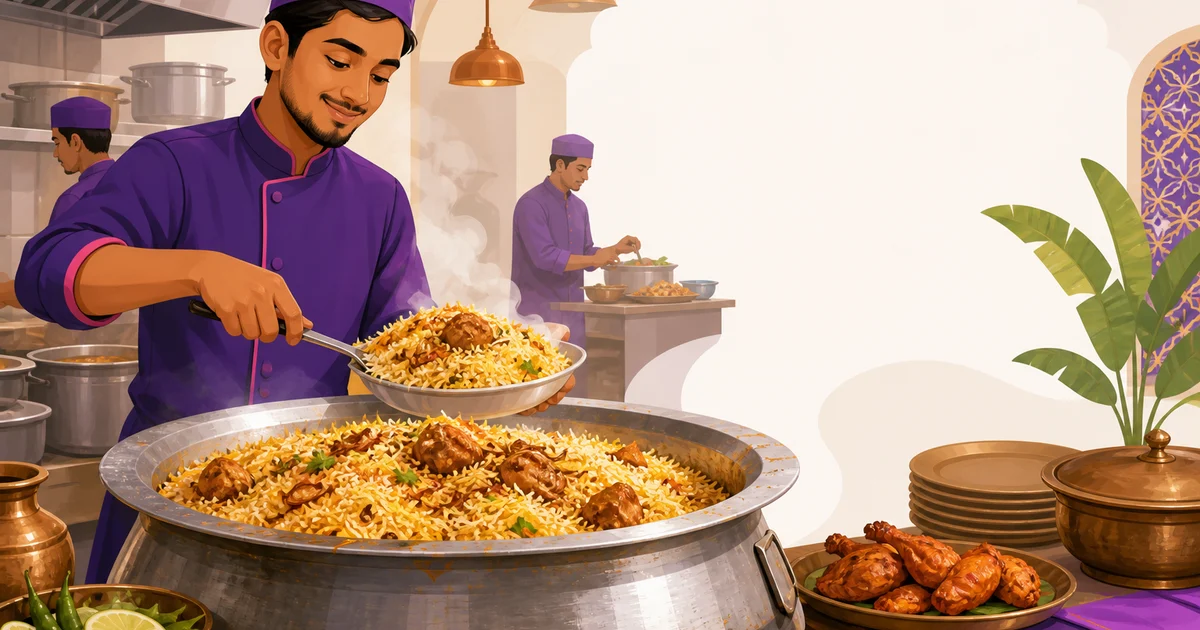
A biryani restaurant business does not behave like an ordinary made-to-order restaurant. You cook in batches, commit cash before the first plate is sold and depend on consistent rice and meat portions to protect profit. One weak degh can create complaints, while one oversized serving repeated during the lunch rush can erase the margin from an otherwise busy day.
The key is to manage biryani as a batch-yield business. Track what goes into each degh, how many saleable portions come out, what is wasted and which portion sizes customers actually buy. This gives you a clearer operating picture than relying only on a theoretical cost for one plate.
Why a biryani restaurant business is different
Many restaurant dishes are prepared after an order arrives. Biryani is usually cooked before demand is fully known. The restaurant must estimate how many deghs to prepare for lunch, dinner, weekends, office orders and festivals. Too little production means lost sales. Too much creates wastage or forces the team to sell a product that has been held longer than intended.
Several variables make the business especially sensitive:
- Batch variation: Rice absorption, meat trimming, bone ratio, heat and cooking loss can change the final yield.
- Portion discipline: A small extra scoop of rice or an additional meat piece becomes expensive when repeated hundreds of times.
- Meat-price movement: Beef, mutton and chicken prices can move quickly, changing the cost of an entire batch.
- Concentrated demand: A large share of daily sales may arrive during a short lunch or dinner window.
- Delivery cost: Boxes, seals, bags, cutlery and marketplace charges affect the contribution from each delivered order.
These factors make accurate records more useful than guesswork. The owner needs to know not only how much was sold, but how much each degh was expected to produce and what it actually produced.
Build costing from the degh upward
Start by calculating the total direct cost of one standard degh. Include rice, meat, oil or ghee, potatoes where applicable, spices, yoghurt, onions and other ingredients. Add gas or fuel if you can allocate it consistently. Kitchen labour and rent are generally handled as operating expenses, although you can include an allocation when calculating the fully loaded cost.
For example, suppose a degh has a total direct cost of ৳12,000 and produces 80 saleable full portions. The direct food cost is ৳150 per full portion. If the same degh produces only 72 portions, the cost rises to about ৳167 before packaging, labour, rent or delivery charges. That yield difference matters.
Use current supplier invoices rather than an old estimate. A practical degh-costing record should include:
- Date and branch
- Biryani type and degh size
- Quantity and cost of rice
- Quantity, cut and cost of meat
- Cost of oil, spices and supporting ingredients
- Expected full and half portions
- Actual saleable output
- Kitchen wastage, returns and unsold quantity
For a wider explanation of ingredient calculations, read this guide to restaurant recipe costing. A biryani operation can use those costing principles while placing extra attention on actual batch output.
Why per-degh yield matters more than a perfect per-item recipe
A standard plate cost is still useful, but biryani production rarely delivers exactly the same output every day. One batch may contain slightly more moisture, a different meat-to-bone ratio or more trimming loss. That is why the kitchen should record the number of saleable portions from every degh.
Set a standard expected yield for each degh size. Then compare it with the actual yield. If a standard beef biryani degh should provide 80 full portions but regularly provides 73, investigate the process. The issue may be oversized rice scoops, inconsistent meat cuts, tasting and staff meals that are not recorded, spillage, or an unrealistic standard.
Do not judge yield only by the number of plates sold. Include closing stock, approved staff meals, complimentary servings, customer returns and discarded food. Otherwise, missing portions become invisible.
A simple weekly measure is:
Yield variance = actual saleable portions minus expected saleable portions
Review both the number and the reason. A negative variance is not automatically theft or negligence. The expected yield may need adjustment after a supplier changes the meat cut or the kitchen changes its cooking method. The aim is to create a fair, repeatable standard.
Price full and half portions by their real costs
A half portion should not automatically cost exactly half the full price. It may use half the rice but more than half of the meat allocation, garnish or packaging. It also requires almost the same cashier, kitchen and delivery handling effort as a full portion.
Define each variation clearly. Specify the rice scoop or target weight, number and approximate size of meat pieces, potato allocation, egg or garnish, salad and sauce. Use the same serving tools at every shift. Staff should not interpret “full” and “half” differently.
Calculate the food cost percentage for each size:
Food cost percentage = portion food cost ÷ selling price × 100
If a full portion costs ৳180 in food and sells for ৳400, its food cost is 45%. If a half portion costs ৳120 and sells for ৳250, its food cost is 48%. Neither percentage automatically tells you whether the item is profitable. You must still account for rent, wages, utilities, discounts and sales-channel costs. This guide to restaurant food cost percentage explains how to interpret the number.
Respond to meat-price changes without damaging demand
Meat is often the largest and most volatile part of biryani cost. A price increase affects every degh immediately, but changing the menu price after every market movement can frustrate customers.
Maintain a cost sheet with the latest purchase price and test several scenarios. Calculate what happens if meat rises by 5%, 10% or 15%. Then decide whether to adjust the selling price, renegotiate the cut with the supplier, reduce discounts or improve yield control. Quietly reducing the meat portion without updating the standard usually harms trust.
Review cost over a sensible period rather than reacting to one unusual purchase. If a higher price persists, update both dine-in and delivery pricing. Consider the total contribution in taka, not only the percentage margin. More guidance is available in this article on restaurant menu pricing strategy in Bangladesh.
Prepare the lunch rush without losing portion control
The lunch rush creates a conflict between speed and accuracy. The kitchen wants to serve quickly, but uncontrolled scooping creates inconsistent plates and unreliable yield.
Before service, estimate demand using the same weekday from previous weeks, advance office orders, weather, local events and current promotions. Prepare rice scoops, meat allocation procedures, packaging stations and order labels before the peak begins. Assign clear roles for portioning, checking, packing and handover.
Use a first-in, first-out production sequence and identify each batch. If a complaint or yield problem appears, the manager can trace it to a specific degh rather than blaming the whole shift. During the rush, record complimentary items and wastage as they happen. Reconstructing them at closing time is rarely accurate.
If internet reliability is a concern, Rosuii can cache the menu and customers on the POS device after a one-tap offline-data sync. Billing can continue during an outage, orders queue locally and sync automatically when the connection returns. Online payment confirmation and real-time multi-device or KDS updates still require connectivity.
Include packaging in delivery pricing
Delivery packaging is a direct order cost, not a minor office expense. A biryani order may require a food-grade box, lid or seal, salad cup, sauce container, tissue, spoon, branded bag and tamper protection. These costs can differ between half, full and family packs.
Calculate a packaging bundle for each order type. If a full portion uses ৳22 of packaging and the food cost is ৳180, the direct cost is already ৳202 before discounts, marketplace charges or delivery support. A two-person pack may use fewer containers per serving and produce a better contribution, but only if the portion standard is clear.
Test the box before adopting it. It should handle heat, oil and transport without leaking or crushing the rice. Poor packaging creates refunds and bad reviews, which can cost more than the saving from a cheaper container.
Plan for Ramadan, Eid and festival demand spikes
Festival periods can bring large orders, but high sales do not guarantee high profit. Ingredient prices may rise, temporary labour may be needed and rushed purchasing can reduce quality. Advance orders may also consume production capacity needed for walk-in customers.
Create a separate demand plan for Ramadan, Eid, weddings, office programmes and local events. Confirm large orders with a clear quantity, pickup or delivery time, payment method and cancellation policy. Reserve ingredients against confirmed demand, but avoid treating every enquiry as a sale.
After the event, compare forecast deghs, actual deghs, portions sold and wastage. This becomes the starting point for the next festival instead of relying on memory.
Make biryani yield visible with Rosuii
Rosuii helps connect production, sales and wastage records in one restaurant-management system. Set up full, half or family packs as menu variations, with separate selling prices. This gives the cashier a defined choice instead of using open-priced or loosely named items.
The Item Sales report shows what sold over the selected period. Compare those sales with the number of deghs produced and the actual batch output. If sales are strong but recorded yield is repeatedly short, review portioning and unrecorded usage. If output is high but sales are low, adjust production planning.
Inventory records can track stock items, units, purchase costs, suppliers, branch stock and minimum-stock alerts. Productions can record finished goods made from raw materials, while wastage entries provide a place to record damaged, spoiled or discarded stock. Rosuii does not automatically deduct a per-menu-item ingredient recipe whenever a plate is sold, so restaurants should still maintain and review their degh standards. The value comes from comparing production, stock, wastage and item-sales records consistently.
For multiple branches, keep the same portion definitions while reviewing results by location. One branch may have a lower yield because of staff practice, supplier differences or demand patterns. Rosuii also provides POS, KDS, online ordering, QR table ordering, purchasing, expenses and profit-and-loss reports, helping managers examine the wider operation alongside biryani sales.
A practical weekly control routine
- Update key ingredient prices from supplier invoices.
- Calculate the current direct cost of each standard degh.
- Compare expected yield with actual output by branch and shift.
- Match full and half portion sales against production and closing quantity.
- Review wastage, returns, staff meals and complimentary servings.
- Check packaging cost and delivery-channel deductions.
- Recalculate contribution per portion before approving discounts.
Do not wait for month-end to discover a yield problem. A short weekly review catches meat-price changes, portion drift and unusual wastage while the team still remembers what happened.
A profitable biryani operation is built on repeatable taste, disciplined serving and visible numbers. Start with one standard degh, measure its real output and improve from there. To manage variations, sales, inventory, production and wastage in one bilingual platform, register for Rosuii and start free.
Last updated:
Frequently asked questions
How do I calculate the cost of one biryani portion?
Should a half portion of biryani be priced at half the full price?
How often should a biryani restaurant review meat costs?
What should be included in per-degh yield tracking?
How can Rosuii help manage a biryani restaurant?
Run your restaurant on Rosuii
POS, menu, inventory, payroll and more — built for Bangladeshi restaurants.
Start free