Ramadan Iftar Business in Bangladesh: One Month, Whole-Year Profit?
A practical guide to starting a small Ramadan iftar and haleem operation, covering setup costs, product planning, daily profit math, licences and hygiene.
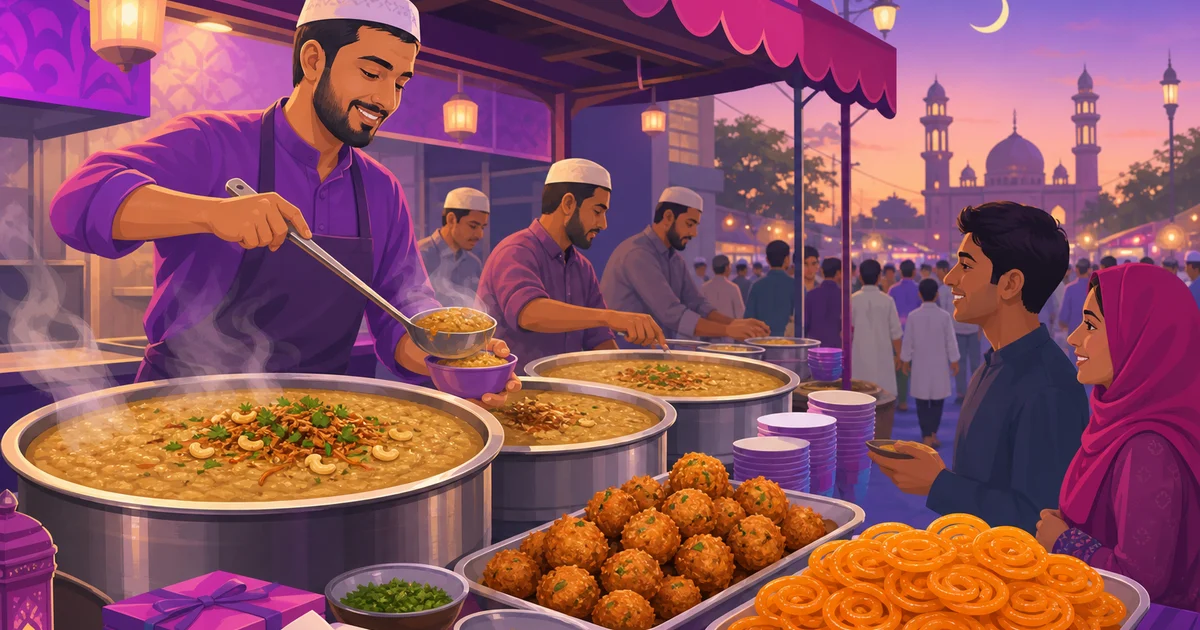
A Ramadan iftar business can generate a large share of its monthly sales within a 60 to 90-minute window. That concentration creates opportunity, but it also makes mistakes expensive. If the haleem is late, the jilapi goes soft or customers wait too long, there is no second lunch or dinner shift to recover the day.
For an owner with limited capital, the sensible model is not a huge buffet. It is a tightly controlled stall, cart or small takeaway counter with a short menu, repeatable portions and enough packaging to handle the pre-iftar rush. The aim is to finish Ramadan with cash, equipment and customers, not a storeroom full of unsold ingredients.
Is an Iftar Business Really a One-Month Route to Whole-Year Profit?
It can fund several months of household expenses or provide capital for a permanent food business, but one month does not automatically produce a full year's income. Profit depends on location, weather, food quality, competition, wastage and your ability to serve quickly.
Ramadan also does not provide 30 identical selling days. You may lose days to rain, illness, supply disruption or weak footfall. Sales can rise around weekends and the middle of Ramadan, then shift as customers travel for Eid. Build your plan around 24 to 27 effective selling days, not a guaranteed perfect month.
If you already have a kitchen at home or in a compliant fixed premises, your startup cost may be modest. A new roadside setup needs more equipment, location approval and working capital. Treat claims of effortless 40% or 50% net profit with caution. Sellers often quote a margin before counting gas, transport, packaging, helpers, spoilage and their own labour.
Plan Before Ramadan, Not During the First Week
Start preparation four to six weeks before Ramadan. First, observe possible selling points between 4:00 pm and Maghrib. Count pedestrians, office workers, nearby residents and competing stalls. Also check whether stopping customers will block a footpath or road.
- Choose the format: home production with pickup, a mobile cart, a temporary market stall or a fixed takeaway shop.
- Test recipes: cook the intended batch size, not a family-sized sample. Record ingredient weight, finished yield and portions.
- Price every pack: include the container, lid, spoon, tissue, shopping bag and condiment.
- Confirm the location: speak to the landlord, market committee and relevant local authority before buying equipment.
- Run a mock rush: ask friends to place 20 or 30 orders within a short period. This exposes slow packing and unclear pricing.
Buy suitable dry goods and packaging before Ramadan if the price and storage conditions are favourable. Lentils, approved spices, sealed oil, food-grade containers and printed labels may be purchased in stages. Market rates move, so compare wholesale and retail quotations rather than assuming every pre-Ramadan offer is cheap.
Do not stock a month's onions, meat, herbs or other perishables without safe storage. Saving a few taka per kilogram is not useful if quality falls or stock spoils.
Build the Product Mix Around Haleem, Jilapi and Fast Snacks
Haleem works well as the main product because customers understand it, portions can be standardised and larger batches can be prepared before the rush. Offer two container sizes rather than many variations. Use one ladle size for each portion and weigh several test portions to confirm consistency.
Piyaju and beguni bring familiar, lower-ticket purchases, but frying capacity sets the limit. Too many fried items compete for the same burner, oil and staff attention. A beginner might choose piyaju plus either beguni or alur chop, not all possible snacks.
Jilapi attracts attention and can lift the order value, yet it requires skill and should remain crisp. If your own output is inconsistent, buy from a dependable producer at a confirmed wholesale rate and focus on packing and selling. Never market purchased jilapi as your own production.
A practical starter menu
- Haleem in small and regular containers
- Piyaju sold by piece or fixed pack
- One additional fried item, such as beguni
- Jilapi sold by weight or a clearly defined pack
- One family iftar pack assembled from the same products
Avoid fruit drinks, kebabs, chola, dates and several premium boxes unless demand is proven. Every extra item creates another forecast, supplier, preparation task and source of leftovers.
What You Actually Need to Buy
The following ranges are planning estimates, not quotations. Dhaka, Chattogram and district-town prices differ, and rates can change sharply before Ramadan. Used commercial equipment may reduce the total if it is safe and serviceable.
| Item | Indicative range | Buying note |
|---|---|---|
| Cart, folding counter or stall structure | ৳12,000 to ৳35,000 | Confirm site dimensions before fabrication |
| Burner, LPG cylinder, regulator and hose | ৳8,000 to ৳18,000 | Use approved equipment and check for leaks |
| Large pots, kadai, strainers and ladles | ৳8,000 to ৳20,000 | Size these to tested batch volumes |
| Frying setup | ৳5,000 to ৳15,000 | Avoid an oversized fryer if one person operates it |
| Knives, boards, scale and storage tubs | ৳3,000 to ৳8,000 | Use covered, food-grade storage |
| Cleaning and handwashing supplies | ৳2,000 to ৳6,000 | Include water container, soap and waste bins |
| Initial packaging stock | ৳4,000 to ৳12,000 | Start with three to five selling days |
| Initial ingredients | ৳15,000 to ৳45,000 | Depends heavily on meat and batch volume |
A lean new setup may therefore require roughly ৳57,000 to ৳159,000 before rent, deposit, licence costs or emergency cash. Someone who already owns suitable cooking equipment could start for less. Keep at least several days of working capital separate from equipment money.
Daily Sales and Margin Arithmetic You Can Recalculate
Use your own local prices in this model. Suppose one day's sales are:
- 60 haleem portions at an average of ৳140: ৳8,400
- 300 snack pieces at an average of ৳15: ৳4,500
- 10 kilograms of jilapi at an average of ৳240: ৳2,400
Total sales would be ৳15,300. Assume food ingredients and packaging cost ৳7,200 to ৳8,200. Gas, transport, a peak-time helper and location-related daily costs might add ৳2,000 to ৳3,000. Discounts, damaged packs and leftovers could cost another ৳500 to ৳1,000.
Using the middle of those ranges, the day's operating surplus might be around ৳3,100 to ৳5,600 before recovering equipment costs, paying the owner's wage, tax or unexpected expenses. This is an example, not a promised result.
Recalculate with three scenarios: weak sales, expected sales and a strong day. The basic formula is sales minus ingredients minus packaging minus daily operating costs minus wastage. Then deduct startup costs over the number of seasons or months you expect to use the equipment.
Measure leftovers every night. If 15% of a product repeatedly remains, reducing tomorrow's batch is usually better than hoping demand suddenly improves.
Design the One Selling Window for Speed
If 120 transactions arrive over 75 minutes, you must complete about 1.6 transactions per minute. One person cannot cook, portion, collect payment and answer questions at that rate without preparation.
Finish most cooking early enough for safe holding, then create a simple line: order and payment, portioning, packing and handover. Display prices in large Bangla and English text. Pre-pack predictable quantities of piyaju and jilapi, but do not seal hot fried food so early that steam ruins it.
Use numbered tokens for large orders. Keep bKash or Nagad payment details visible, but assign someone to verify payment on the actual account or merchant interface. A screenshot alone should not be treated as confirmation.
If funds permit, hire one helper for the two busiest hours rather than carrying unnecessary staff all day. That helper can pack, refill containers and control the queue while the owner handles quality and money.
Where Beginners Commonly Lose Money
- Too many menu items: slow-moving stock turns into waste.
- No portion control: an extra spoon in every haleem pack can remove the day's margin.
- Pricing from ingredient cost alone: packaging, oil absorption, gas and delivery trips are ignored.
- Buying a month's stock at once: cash becomes trapped and storage risk rises.
- Cooking for hoped-for demand: production should follow actual sales records.
- Accepting large orders without deposits: cancellation close to iftar can leave food that is difficult to resell.
- Mixing business and household cash: the owner cannot tell whether the stall made a profit.
Trade Licence, BFSA Requirements and the Reality for Carts
A fixed stall, takeaway counter or production premises generally needs a trade licence from the relevant city corporation, municipality or union parishad. Required papers and fees vary by location and business category. Read this practical guide to the restaurant trade licence in Bangladesh, then confirm the current documents with your local office.
Once you operate from fixed premises, check and apply for the appropriate Bangladesh Food Safety Authority food-business licence or registration. The correct process depends on the operation and premises. Our guide to the BFSA food licence for restaurants explains the starting points, but the local authority should confirm what applies to you.
A moving cart sits in a less tidy practical situation. It is often governed mainly by city-corporation rules, location restrictions, market committees and informal site arrangements. That does not mean a cart has automatic permission or is exempt from food-safety action. Ask the ward or zonal office where vending is allowed, and avoid paying an unofficial collector as if that creates a legal right to occupy a footpath.
Fixed premises may also face requirements connected to tenancy, LPG use, fire safety, waste disposal and signage. Keep copies of applications, receipts, supplier invoices and your NID-related business records at the premises.
Hygiene Matters More During the Ramadan Rush
Food inspectors and mobile courts may pay close attention to Ramadan food preparation, ingredients, colours, oil quality, cleanliness and misleading claims. Use approved ingredients, safe water and covered containers. Separate raw meat from ready-to-eat food, provide proper handwashing and remove waste throughout the shift.
Do not keep topping up severely degraded frying oil. Protect displayed food from dust and customers' hands. Record when haleem was cooked and how it was held. A written restaurant food-safety and hygiene checklist helps a small team remember the basics during the rush.
Keep Records Simple and Useful
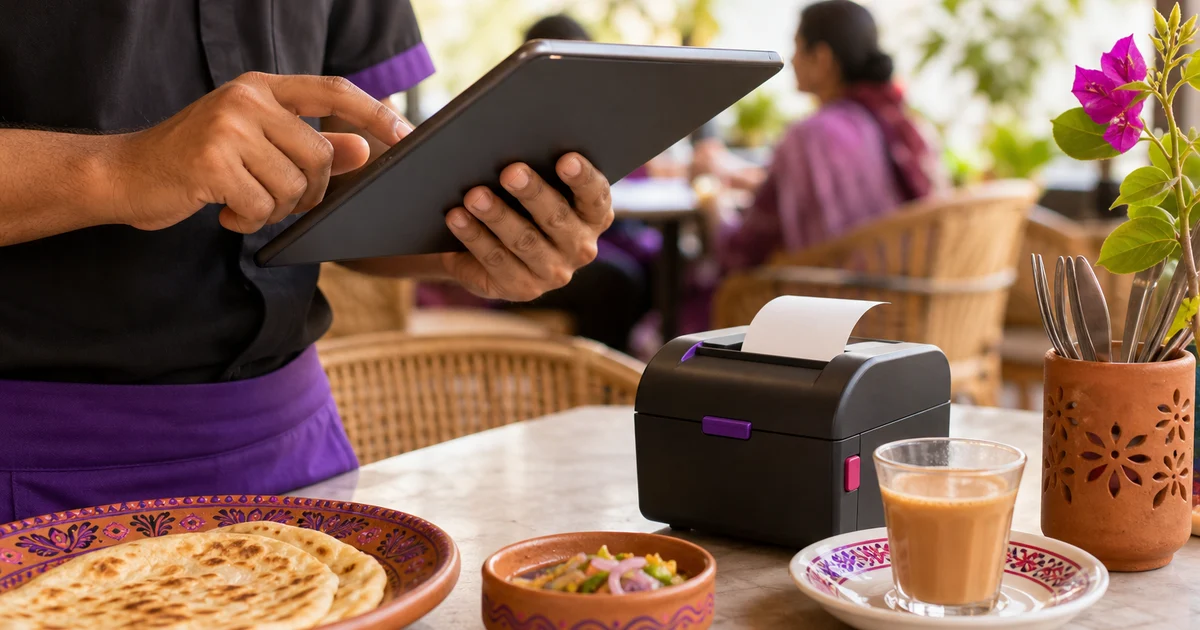
A notebook is enough to begin if you consistently record opening stock, production, sales, leftovers and cash. If orders become difficult to track, Rosuii can run on a phone as a browser-based POS and help with billing, daily sales totals and stock records for a small group of items. A cart with ten simple cash sales does not need complicated software, so adopt it only when it saves time or reduces mistakes.
Start small, test every batch and protect your working capital. If you are opening a fixed counter or growing beyond manual records, register for Rosuii and start with the plan that fits your order volume.
Last updated:
Frequently asked questions
How much capital is needed to start a small iftar business in Bangladesh?
Which iftar products are best for a beginner with limited capital?
Does a Ramadan food cart need a trade licence and BFSA food licence?
What profit margin is realistic for an iftar stall?
How can one person handle the pre-iftar queue?
Run your restaurant on Rosuii
POS, menu, inventory, payroll and more — built for Bangladeshi restaurants.
Start free