
InventoryOperations
Packaged-Snack Inventory for Cafés: SKUs, Bundles and Stock Counts
A step-by-step stock-count workflow for cafés selling packaged products: clear SKUs, purchase units, bundles and an explainable closing balance.
Read article
Tagged with #Operations
A step-by-step stock-count workflow for cafés selling packaged products: clear SKUs, purchase units, bundles and an explainable closing balance.
A practical café checklist for choosing a small snack range, verifying packs, recording stock and reviewing the pilot without guessing at profit.
A copy-ready food-waste log that separates prep loss, spoilage, overproduction and plate waste, then links quantity and cause to action.
A supplier-comparison template that looks beyond the lowest quote to specification, usable cost, delivery, food-safety evidence and receiving performance.
A controlled restaurant PO format that makes item specifications, units, prices, approvals, delivery and later invoice matching traceable.
A receiving-dock checklist that connects the purchase order, food-safety inspection, quantity evidence, hold/reject decisions and stock entry.
A practical temperature-monitoring sheet for storage, receiving, cooking and holding, with source-labelled targets and corrective-action fields.
A copy-ready cleaning schedule that assigns each restaurant area, method, frequency, owner, verification and corrective action without inventing chemical rules.
A shift-level report for calculating expected drawer cash, recording the independent count, explaining differences and closing corrective actions.
A numbered petty-cash voucher and reconciliation workflow for small restaurant expenses, receipts, approvals, top-ups and independent counts.
An official-source Pathao Food partner guide that separates the public registration form from later onboarding, commercial terms, menu setup and operational launch.
A vendor-neutral network setup and fault-isolation guide with an official Epson TM-T82III example, secure IP planning and restaurant print routing.
A bilingual, exception-based attendance template that connects restaurant shifts to approved payroll inputs without inventing labour-law calculations.
A restaurant-specific monthly P&L template that links sales, inventory, payroll and marketplace statements without inventing benchmark margins.
A copyable day-end report that separates sales from collections and exposes missing orders, payment gaps, delivery receivables and unexplained cash variance.
A location-ordered, blind-count template that connects physical quantity to book stock, variance, value, PAR and corrective action.
A witnessed, exception-based closing routine for orders, cash drawers, card terminals, mobile payments, marketplace receivables and secure handover.
An official-source guide to preparing people, premises, hygiene controls and evidence for BFSA restaurant grading without promising a result.
A premises-ready checklist that turns fire-safety approval into daily, monthly and documented restaurant controls without inventing universal equipment rules.
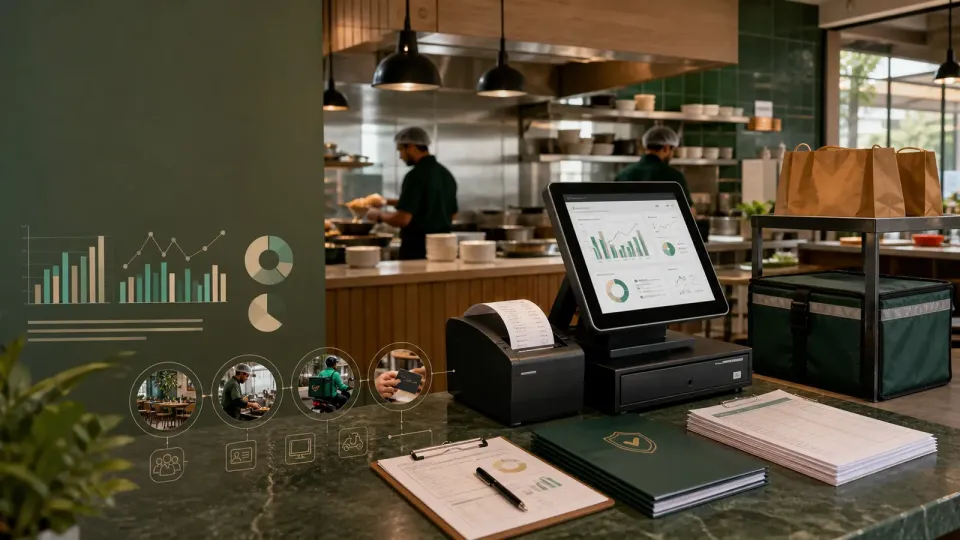
A citable, limitation-aware reference of currently verifiable Bangladesh restaurant staffing, licensing, POS hardware and platform facts.
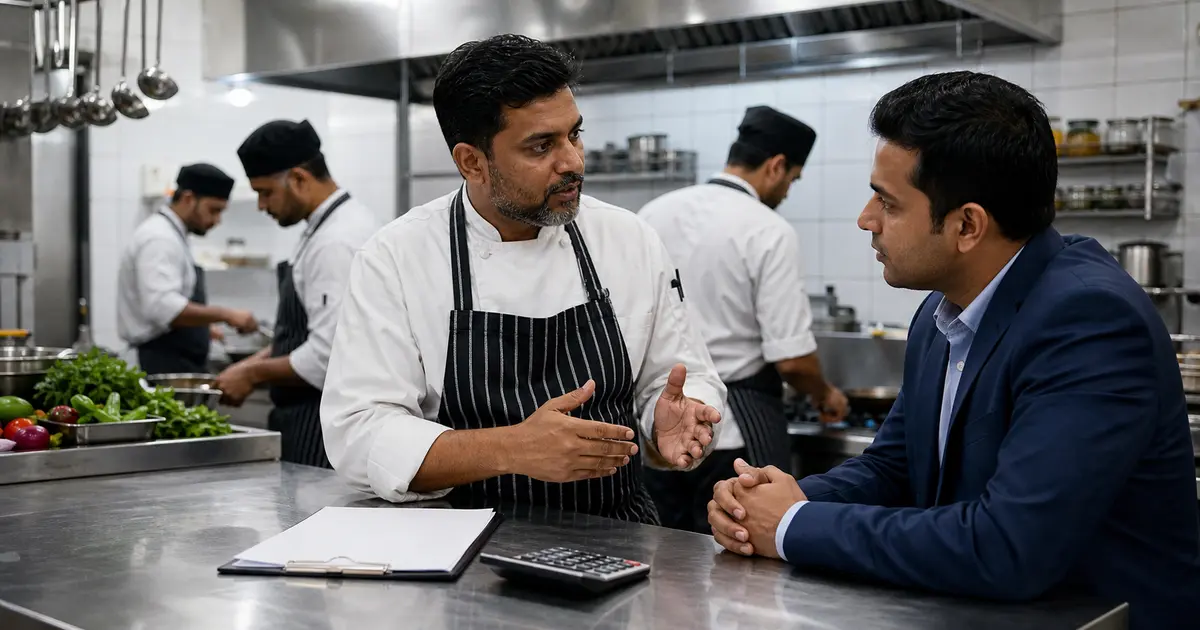
Market signals are wide, so price the exact kitchen role, cuisine skill and commercial responsibility instead of one generic chef title.

A weekly control for proving that accepted orders, statement deductions and bank deposits agree.
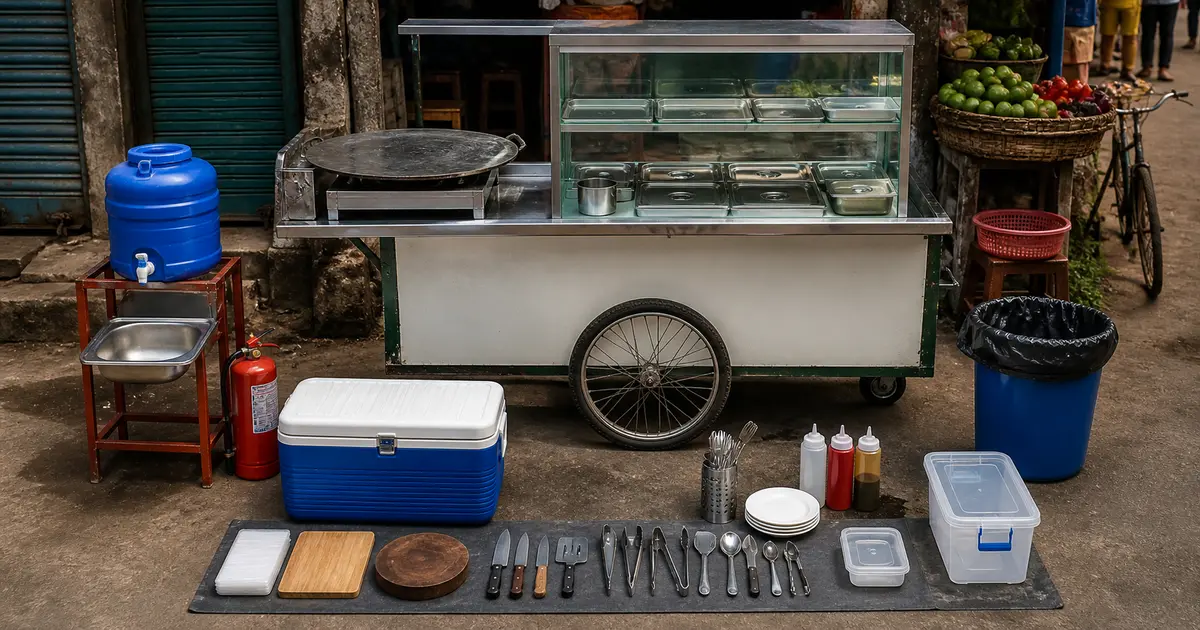
Buy equipment from the menu and site risks, not from a generic cart package.
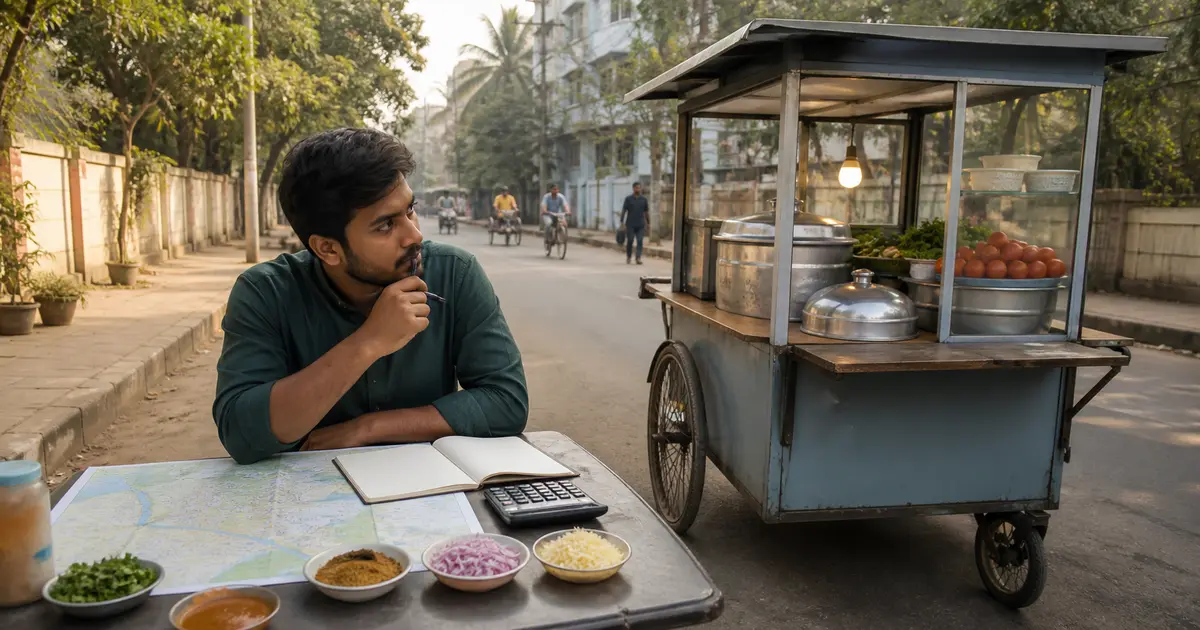
A one-page plan that can be tested at the location before money is locked into a cart and equipment.
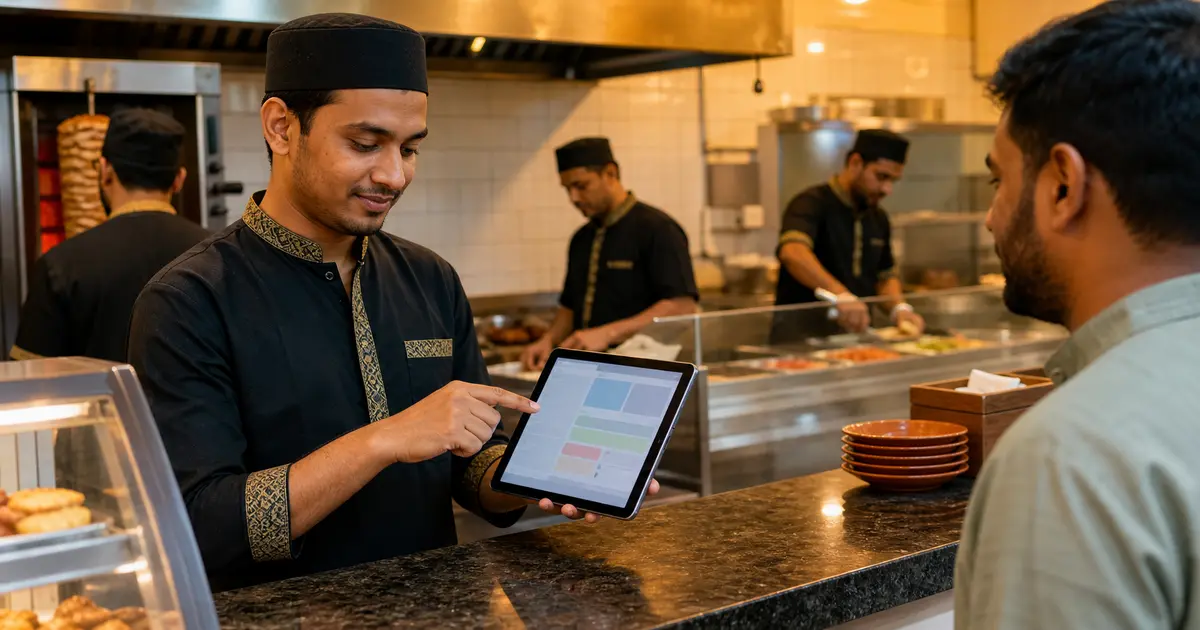
An operating SOP built directly from Foodi's published merchant-app functions.
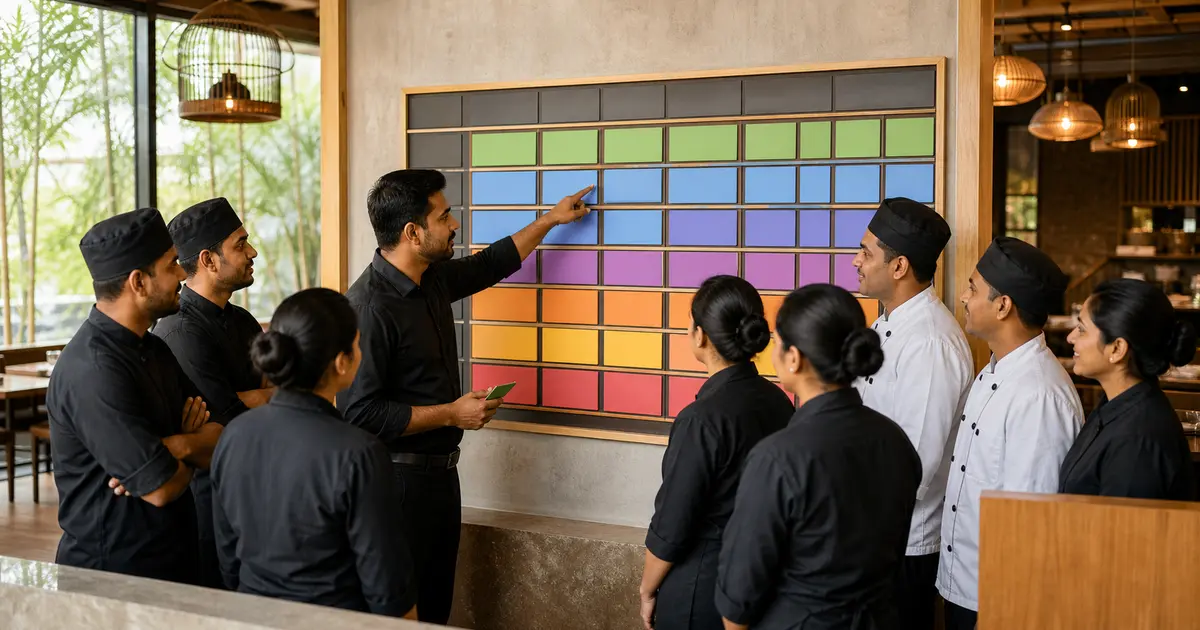
A copy-ready weekly structure that plans people by station and demand rather than repeating the same shift every day.
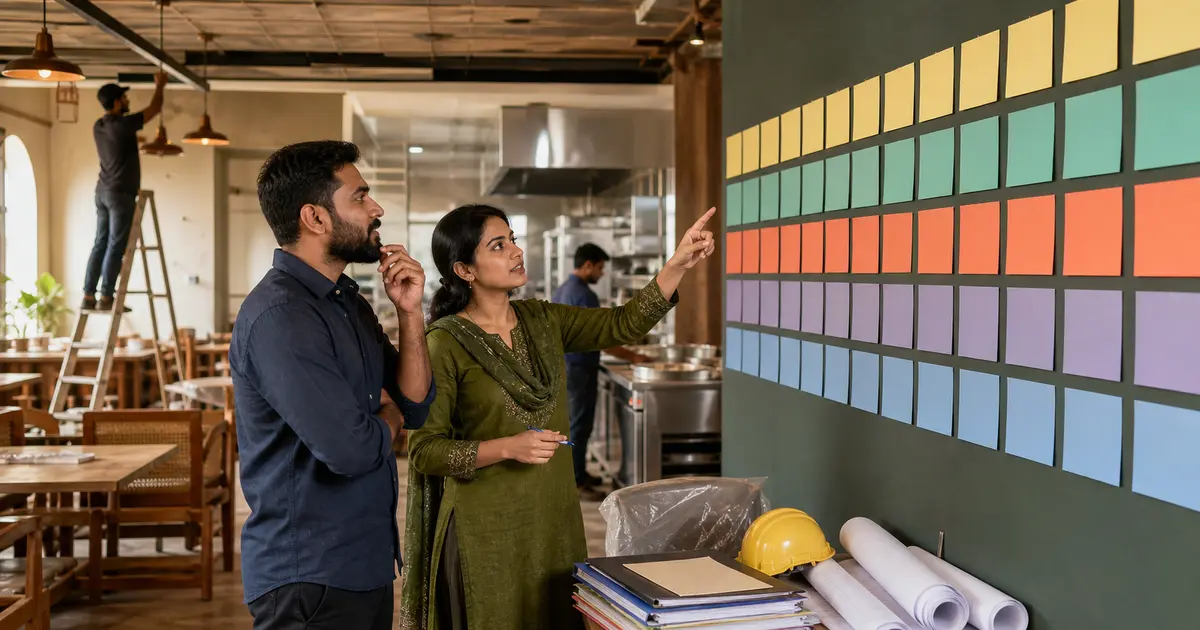
A dependency-based 12-week model that separates authority timing from work the team controls.
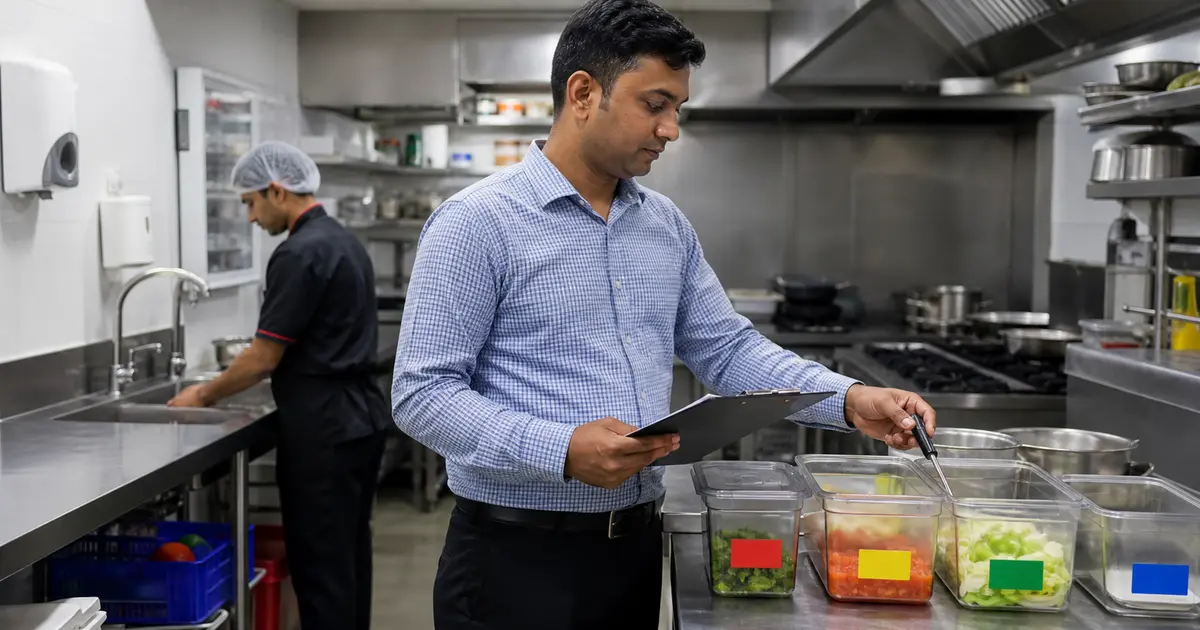
A compact evidence file that shows what the restaurant checked, who checked it and how a problem was corrected.
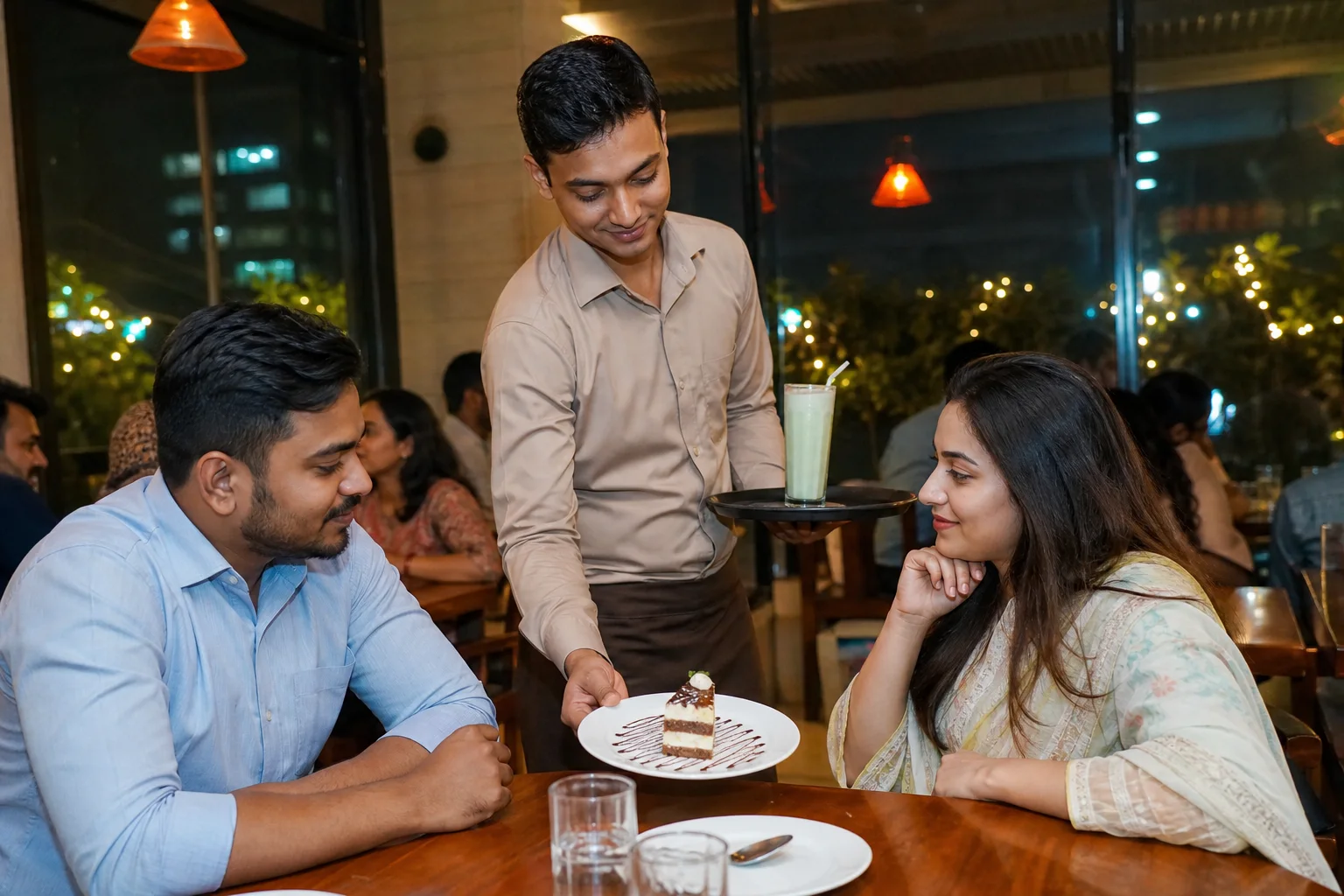
Practical ways to increase average order value by helping guests complete or improve their meal—without pressure, hidden charges or irrelevant pitches.
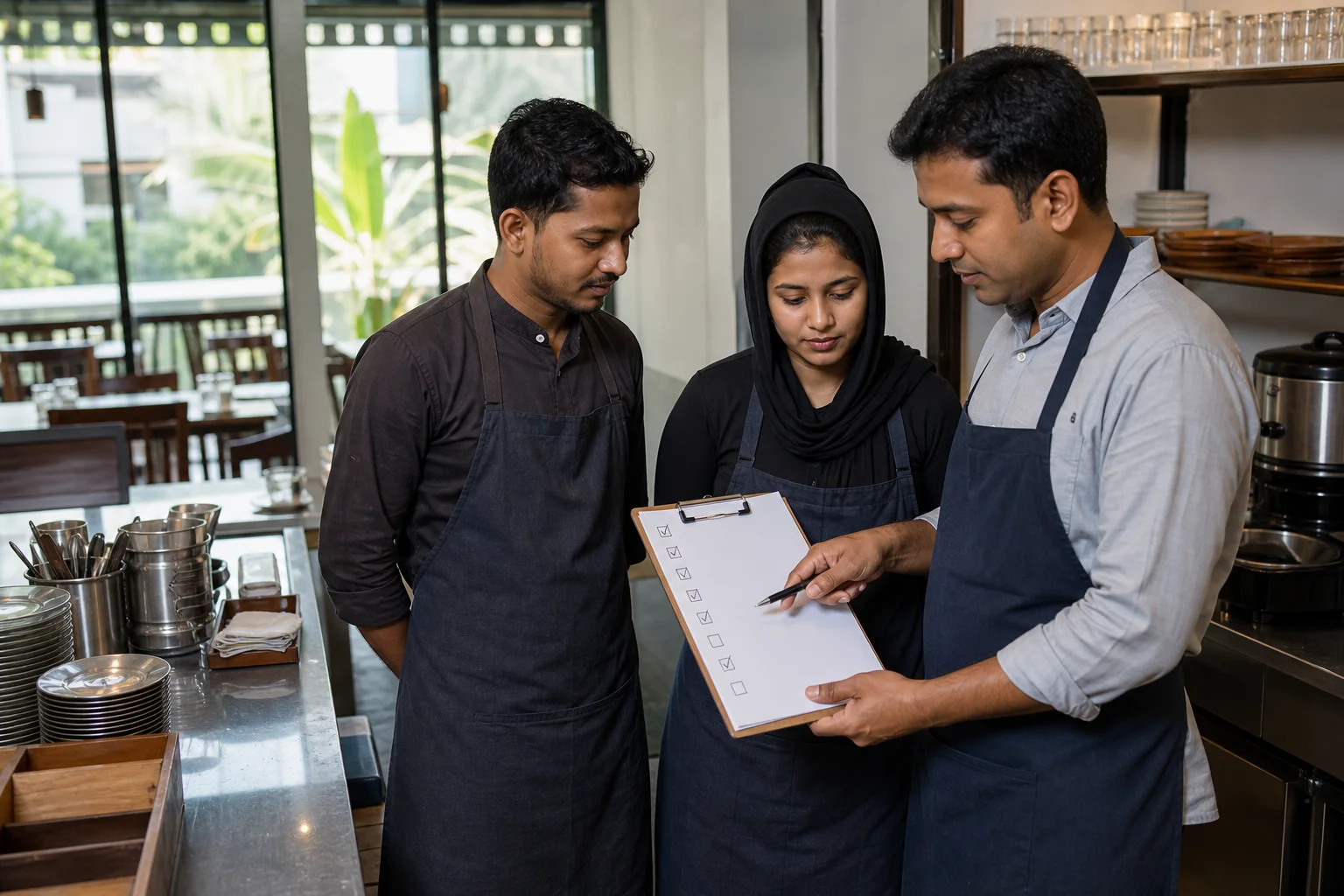
A copy-ready structure for writing restaurant SOPs that staff can actually follow, supervisors can verify and owners can improve.
A concise, accountable handover that prevents the next shift from discovering missing cash, delayed orders or unavailable stock from guests.
Forecast orders and sales closely enough to plan staff, prep, purchasing and cash—then measure and improve the forecast each week.
What a restaurant manager must own before, during and after service—and how an owner can measure the role fairly.

How to know what cash is available, what must be paid next and whether a profitable restaurant can survive the timing gap.
Calculate the sales and order volume your restaurant needs before it starts producing operating profit—and test how price or cost changes move the target.
A practical system for managing sales, service, kitchen, stock, staff and cash without trying to supervise every task yourself.
A practical restaurant menu design guide for Bangladesh: structure sections, show prices clearly, use Bangla and English well, choose photos carefully and keep printed, QR and online menus consistent.
A waiter app should remove duplicate entry without moving cashier permissions onto every phone.
One clean menu definition should guide the cashier, kitchen, direct storefront and reporting workflow.
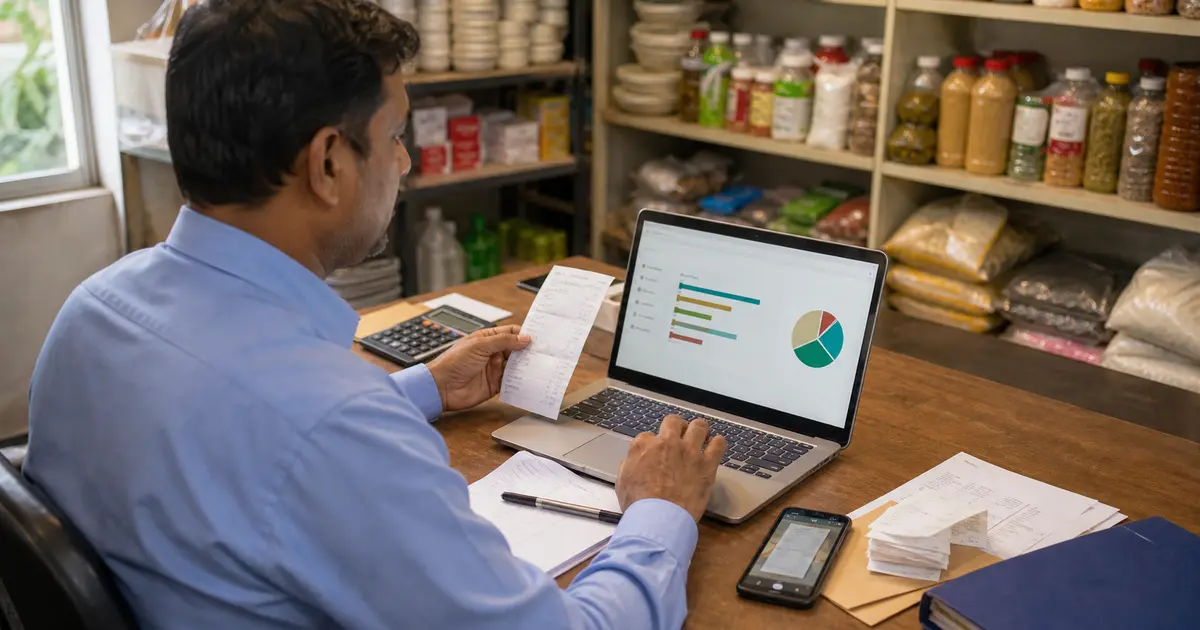
Sales can look strong while unrecorded rent, repairs, petty cash and supplier costs quietly erase profit.
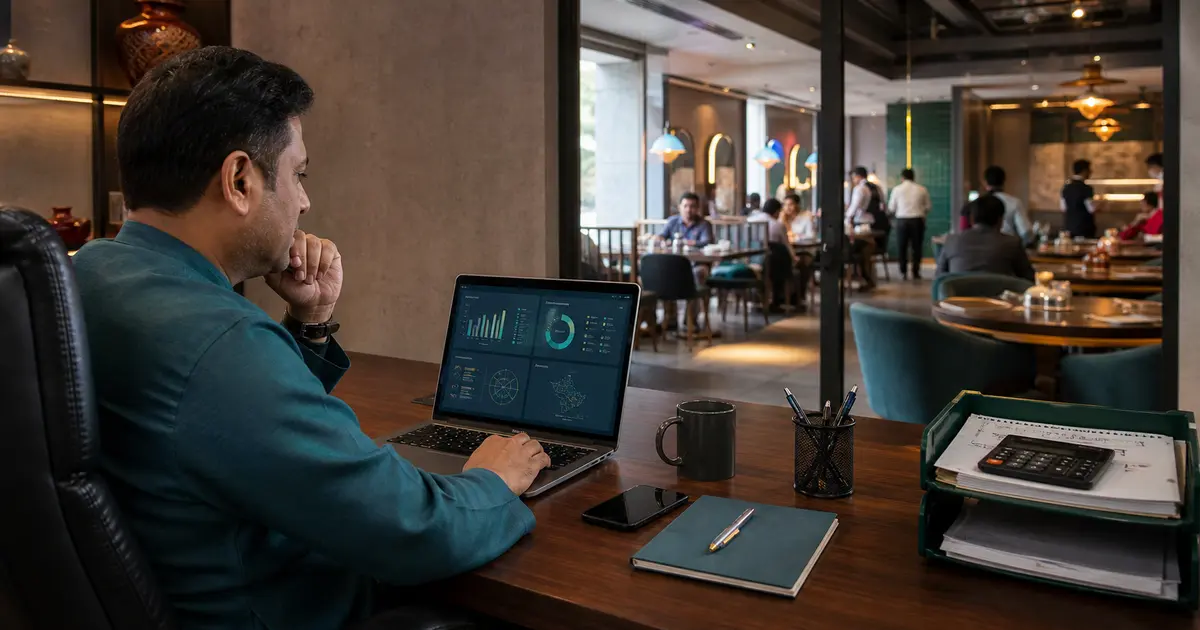
A practical way to decide whether you need an operational restaurant platform or a full finance-led ERP.
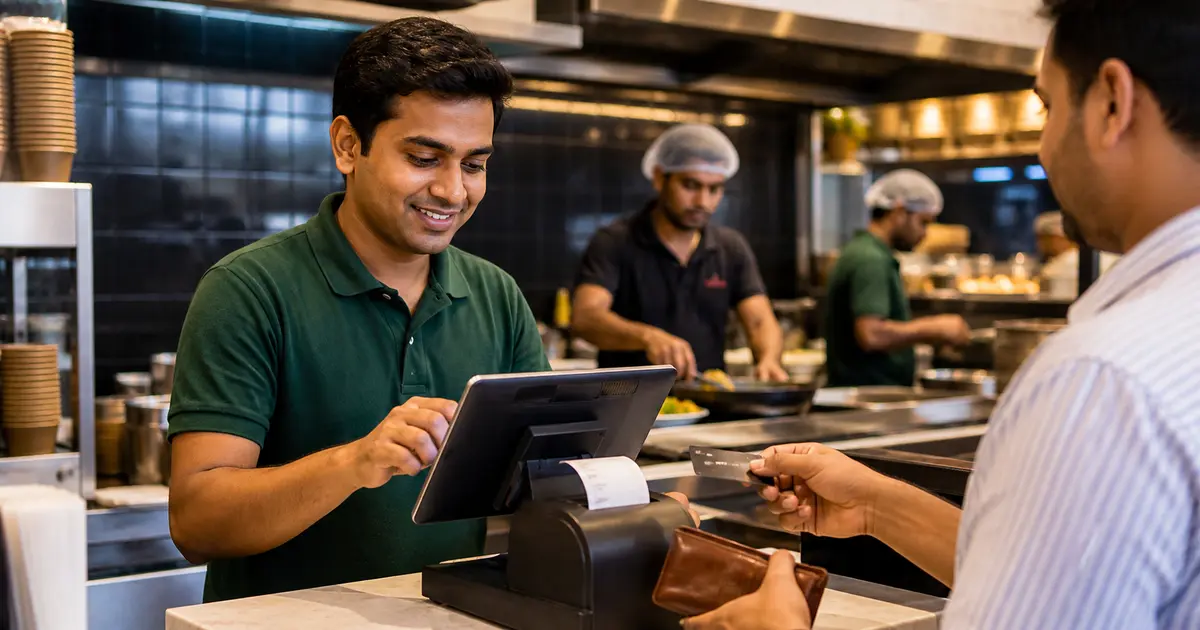
The cashier screen must be fast for staff and strict enough to protect discounts, payments and closing totals.
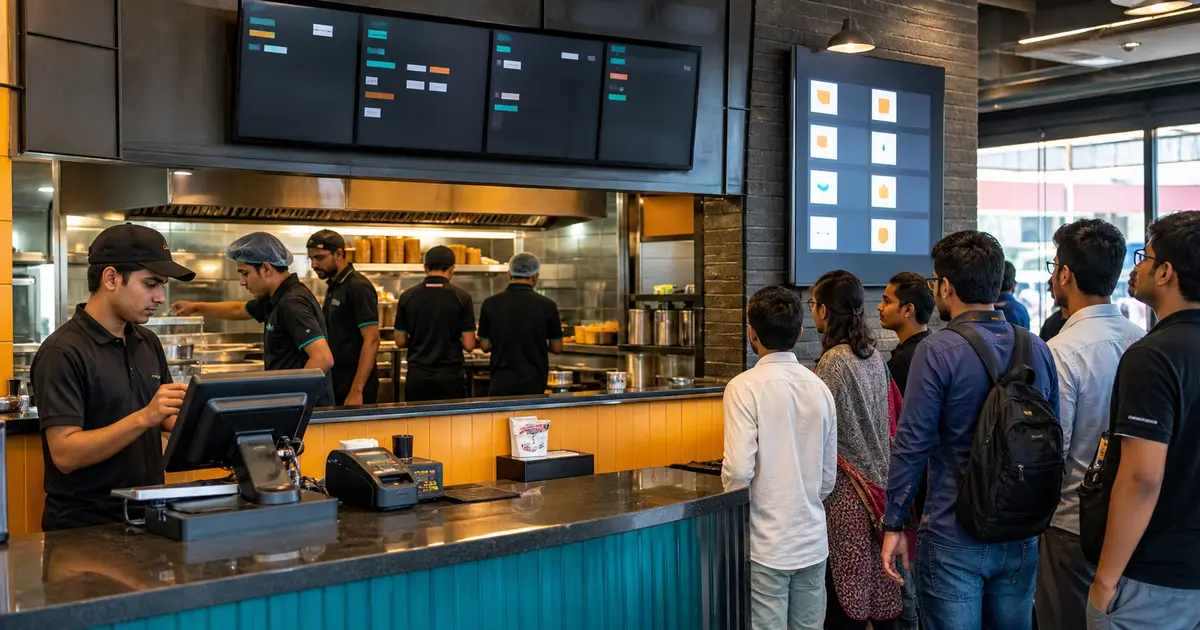
A practical 2026 buying guide for quick-service restaurants where every extra tap can become a queue.
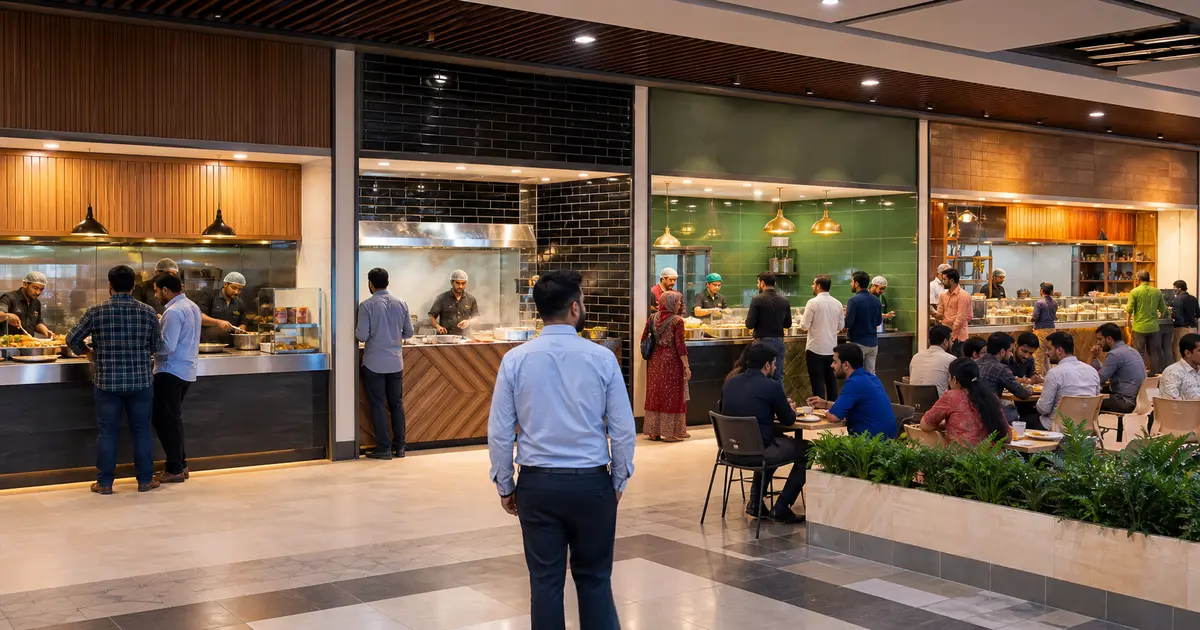
One operator's counters can now share a menu, cook in their own kitchens and settle between outlets in Rosuii; a court of unrelated businesses still needs a multi-vendor platform.
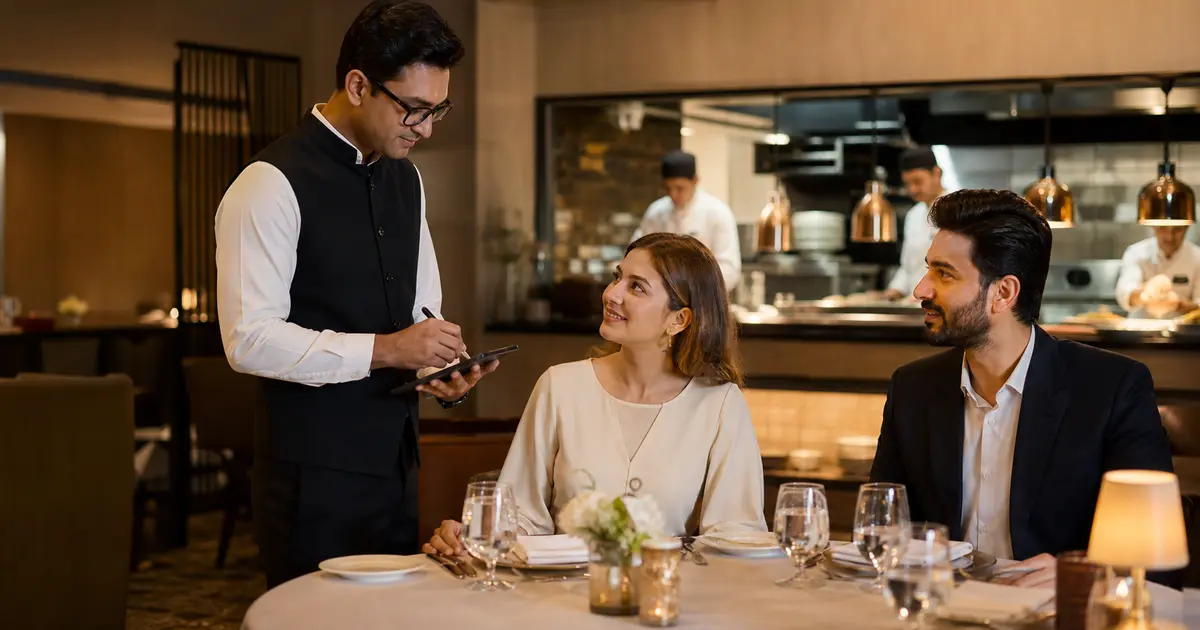
Fine dining software should protect service timing and guest detail, not turn hospitality into counter service.
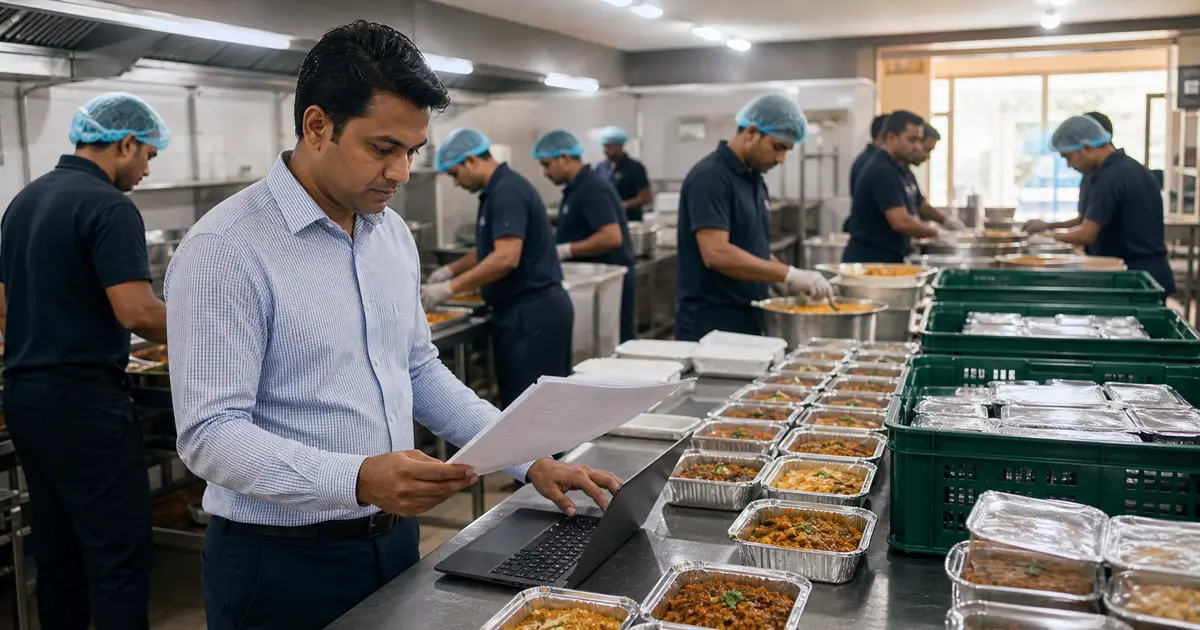
Catering needs date-driven orders, headcount control and production planning that ordinary counter POS may not provide.
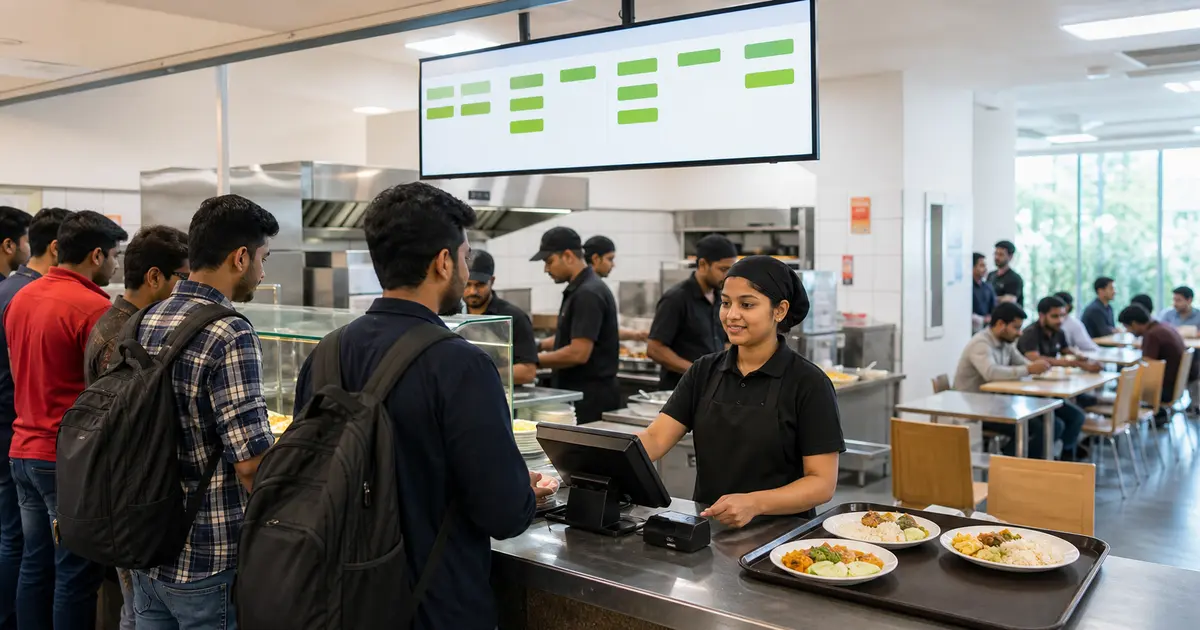
A public canteen and an employee-subsidized canteen need different software, even when both serve lunch quickly.
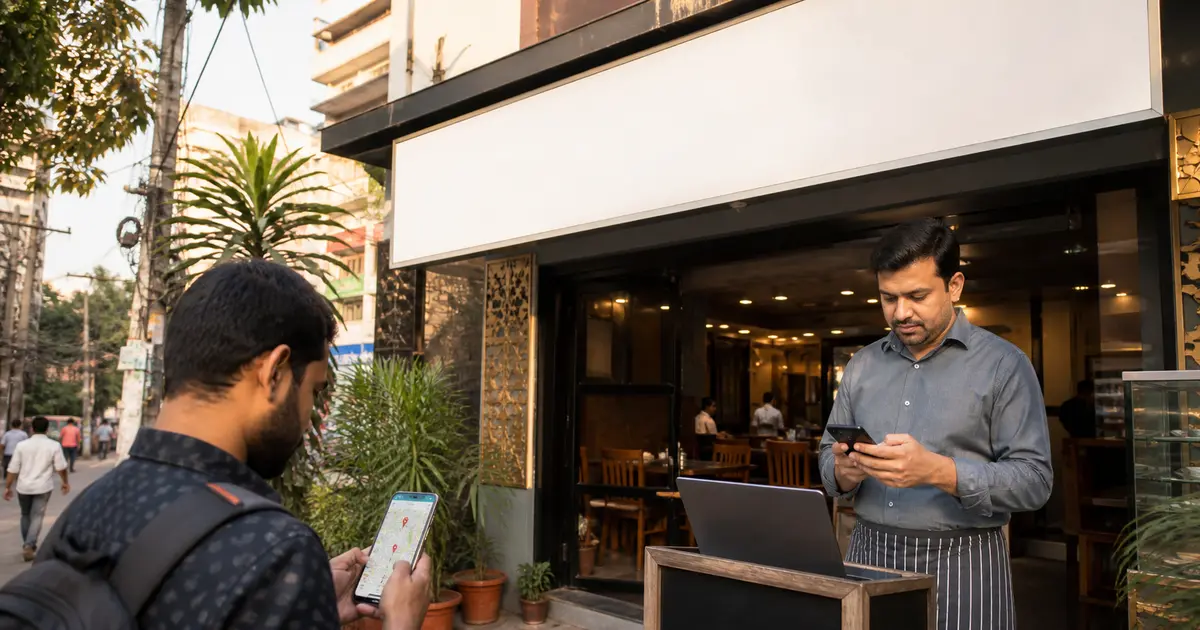
A practical owner guide to relevance, distance and prominence for restaurant near me searches in Bangladesh.
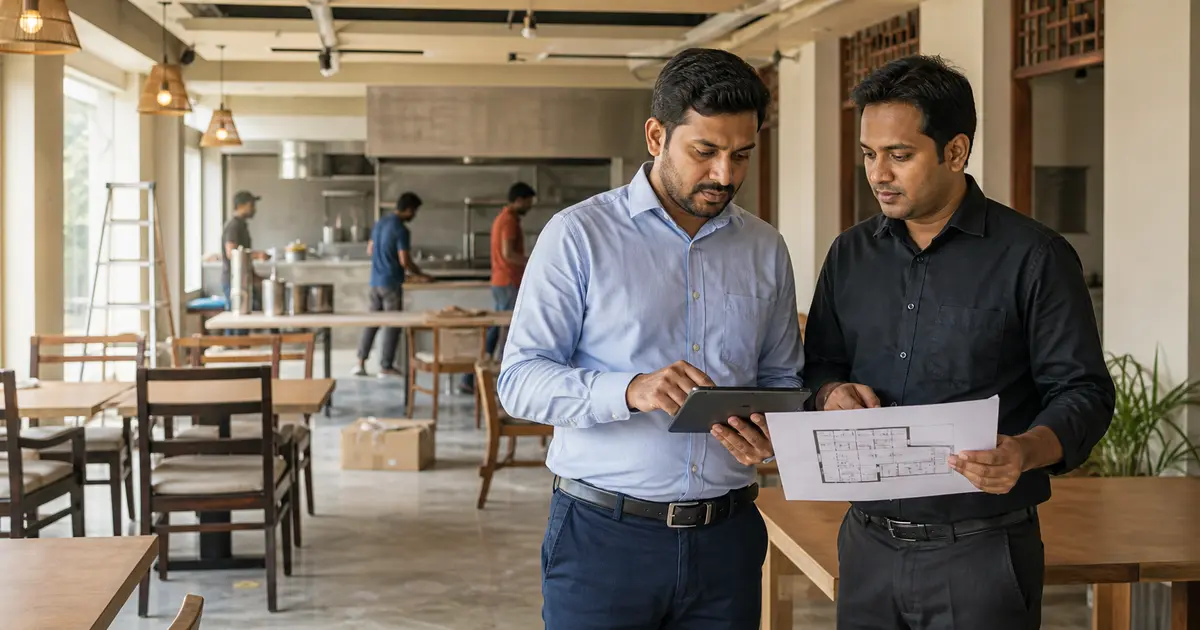
A practical Bangladesh restaurant startup guide covering concept, costs, licences, location, staffing, software and the first 90 days of operation.
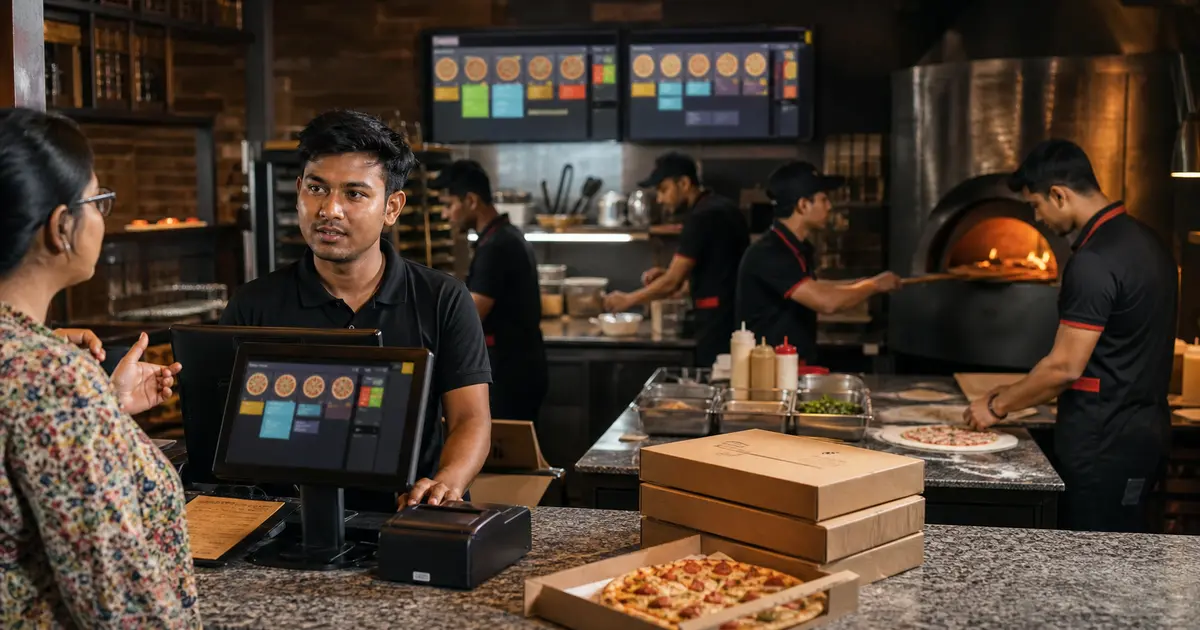
Test the customized order, kitchen, takeaway and delivery workflows that make a pizza operation different.