

POSInventory
Best Restaurant POS for Inventory and Payroll: Buyer Guide
Choose restaurant POS with an inventory and payroll demo checklist. Compare recipe units, purchases, salary records, permissions, exports and total cost.
Read article
Tagged with #Inventory
Choose restaurant POS with an inventory and payroll demo checklist. Compare recipe units, purchases, salary records, permissions, exports and total cost.
A step-by-step stock-count workflow for cafés selling packaged products: clear SKUs, purchase units, bundles and an explainable closing balance.
A practical café checklist for choosing a small snack range, verifying packs, recording stock and reviewing the pilot without guessing at profit.
A copy-ready food-waste log that separates prep loss, spoilage, overproduction and plate waste, then links quantity and cause to action.
A supplier-comparison template that looks beyond the lowest quote to specification, usable cost, delivery, food-safety evidence and receiving performance.
A controlled restaurant PO format that makes item specifications, units, prices, approvals, delivery and later invoice matching traceable.
A receiving-dock checklist that connects the purchase order, food-safety inspection, quantity evidence, hold/reject decisions and stock entry.
A restaurant-specific monthly P&L template that links sales, inventory, payroll and marketplace statements without inventing benchmark margins.
A location-ordered, blind-count template that connects physical quantity to book stock, variance, value, PAR and corrective action.
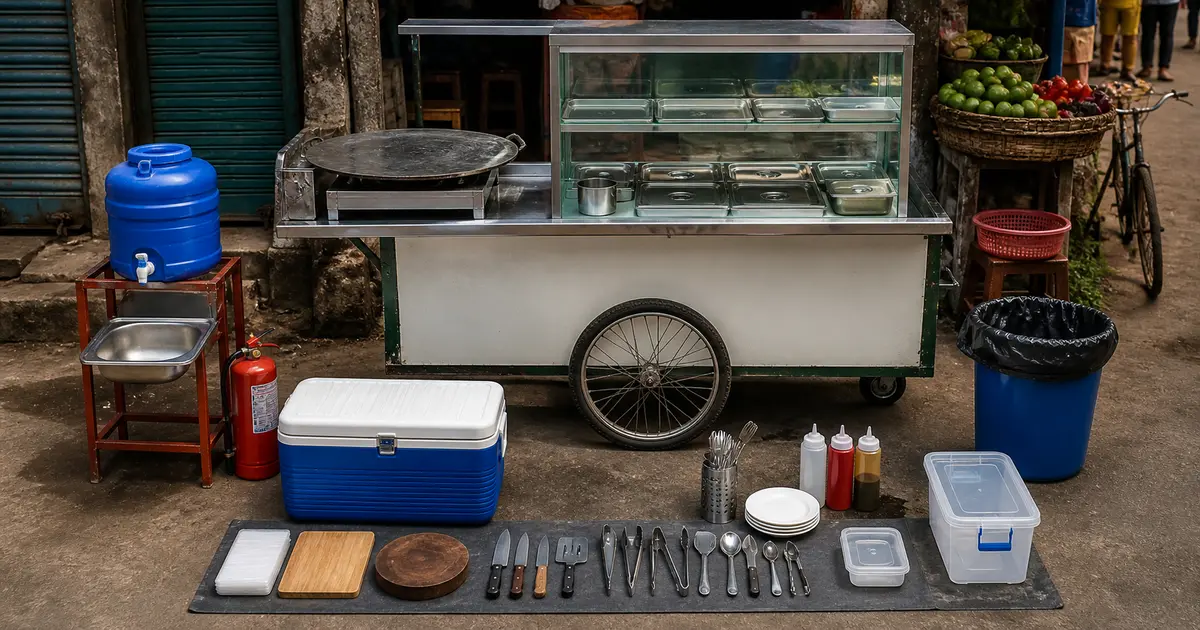
Buy equipment from the menu and site risks, not from a generic cart package.
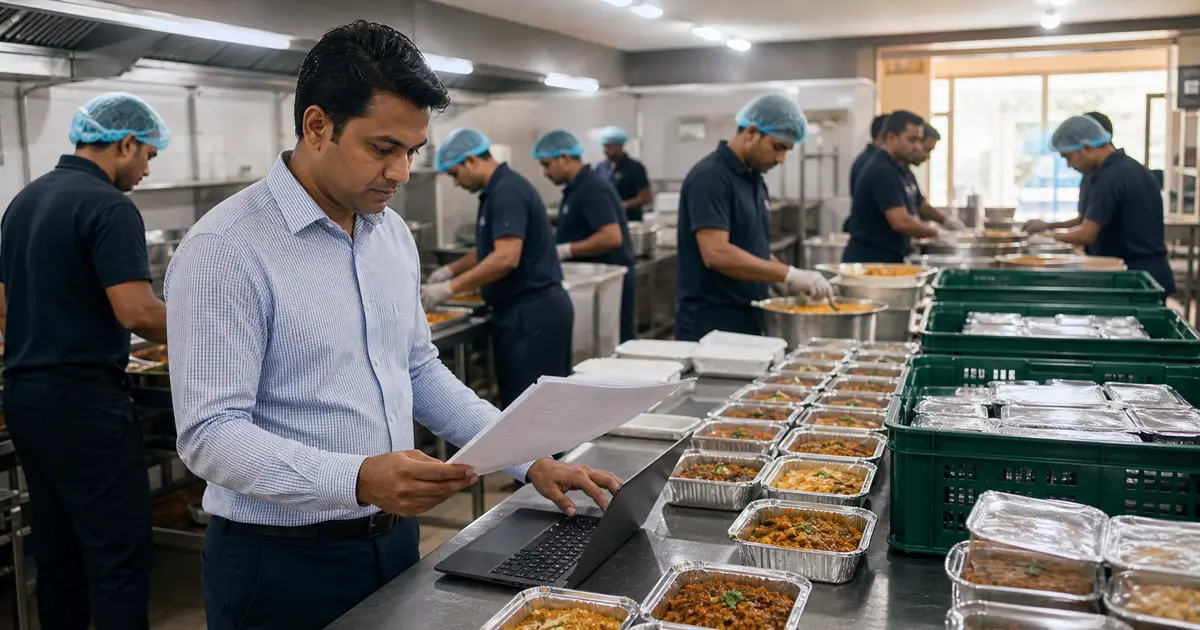
Catering needs date-driven orders, headcount control and production planning that ordinary counter POS may not provide.
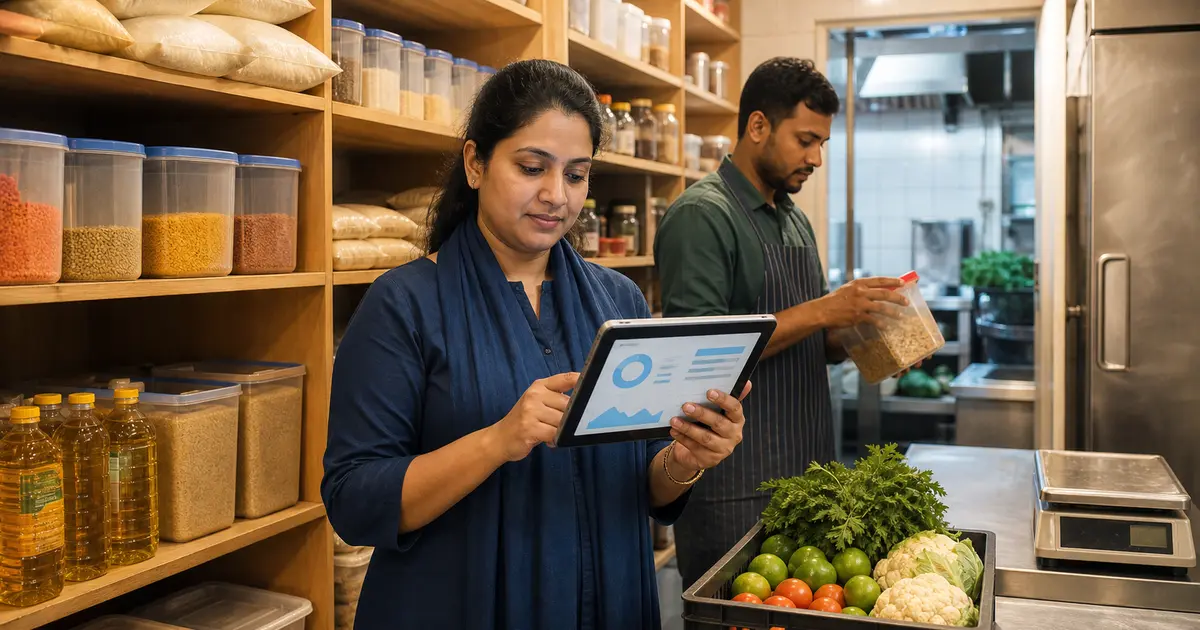
Restaurant inventory software should tell you what is in stock, what was purchased, what was wasted and what needs ordering. This guide shows the capabilities to test before you buy.
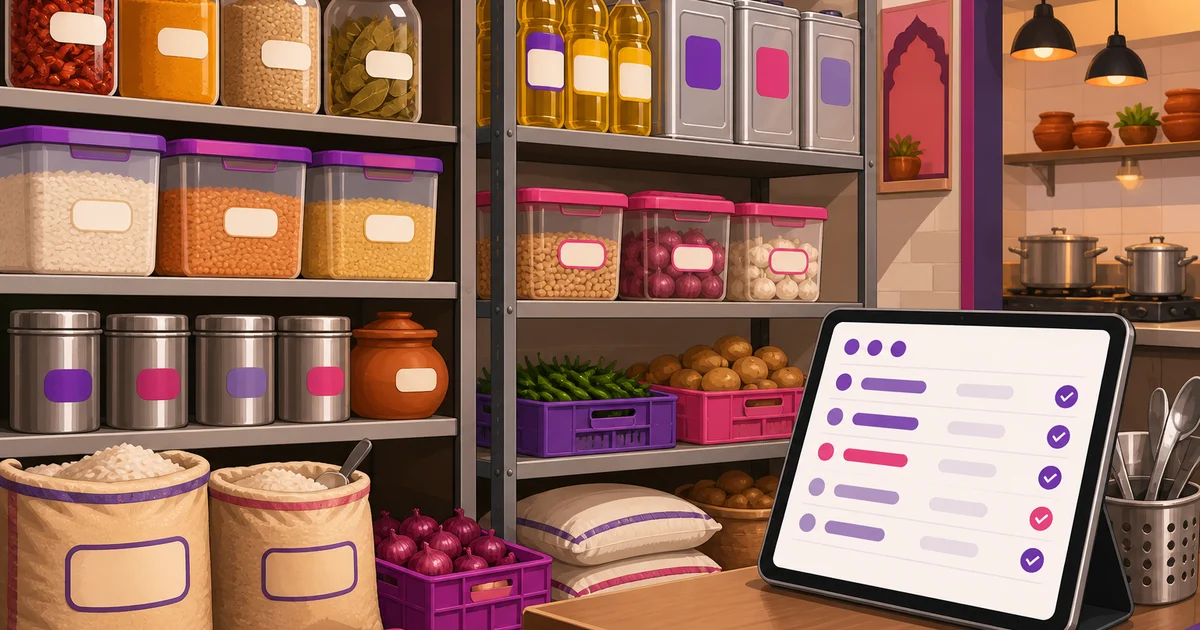
Learn how to create practical restaurant SKU codes, choose counting units, set minimum stock, manage suppliers, and calculate more reliable plate costs.
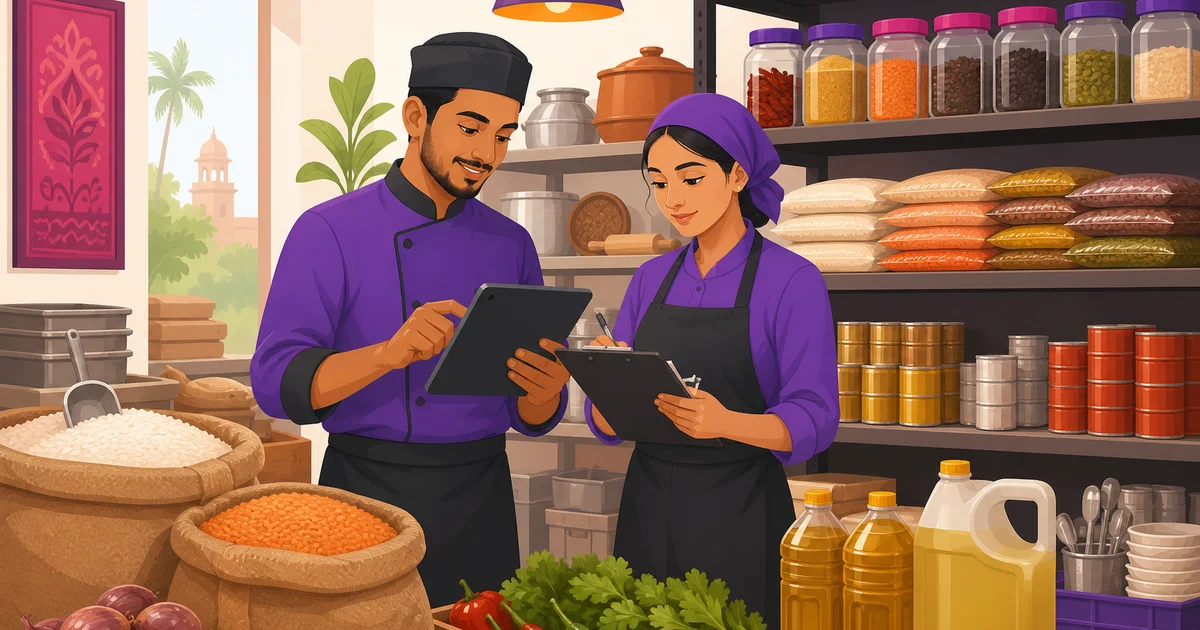
Understand restaurant stock, see ingredient and packaging examples, and use a clear stock-count process to measure quantities and investigate differences.

A practical guide to sourcing restaurant ingredients in Bangladesh, comparing markets, farms, mills and distributors on price, quality, credit and delivery.
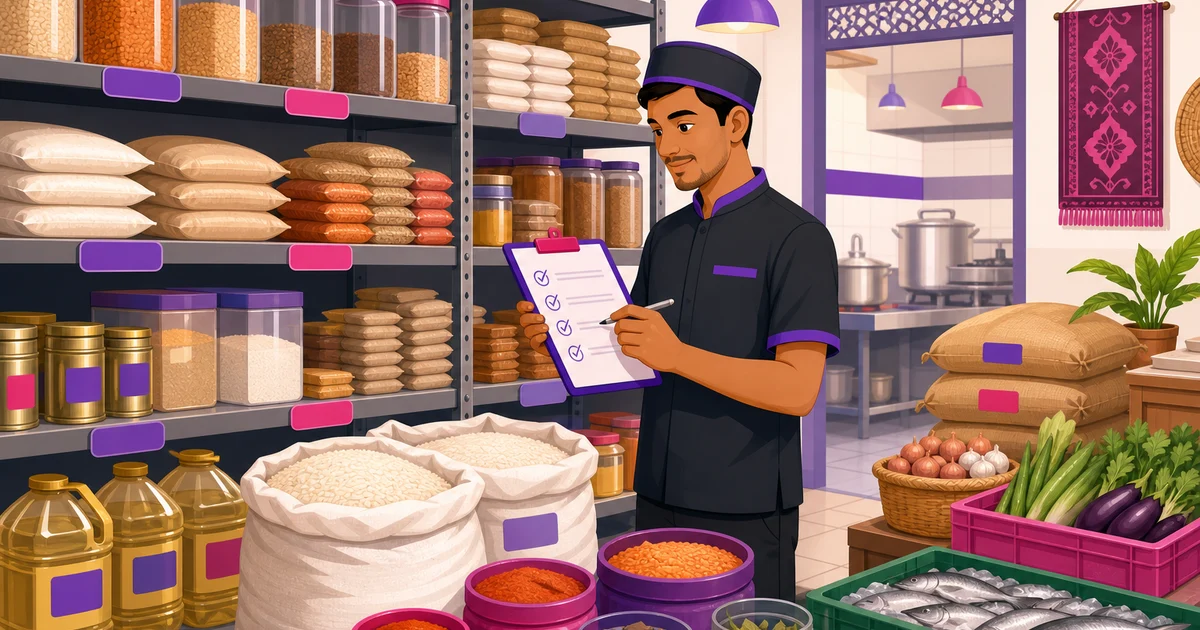
Your POS records sales, but profit often leaks through unchecked purchases, stock variance, wastage, drifting plate costs and salary advances.
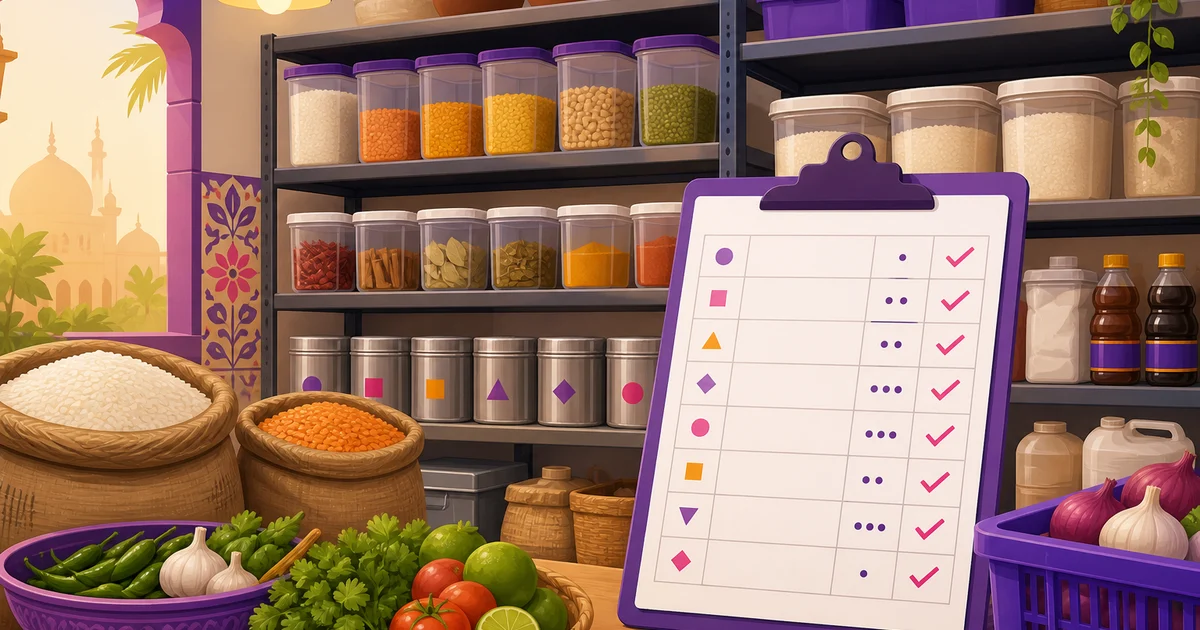
Set practical restaurant stock targets using average usage, supplier lead time and safety stock, with worked examples for common ingredients.
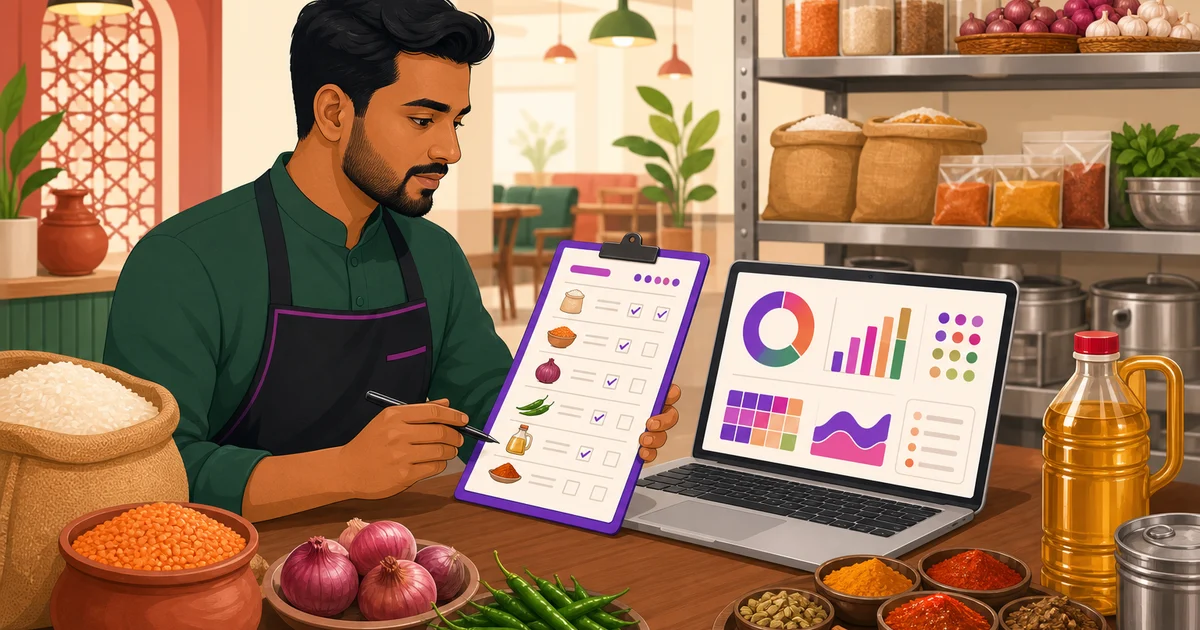
Learn why restaurant stock counts differ from the books, how to calculate inventory variance, investigate causes, and improve food-cost control.
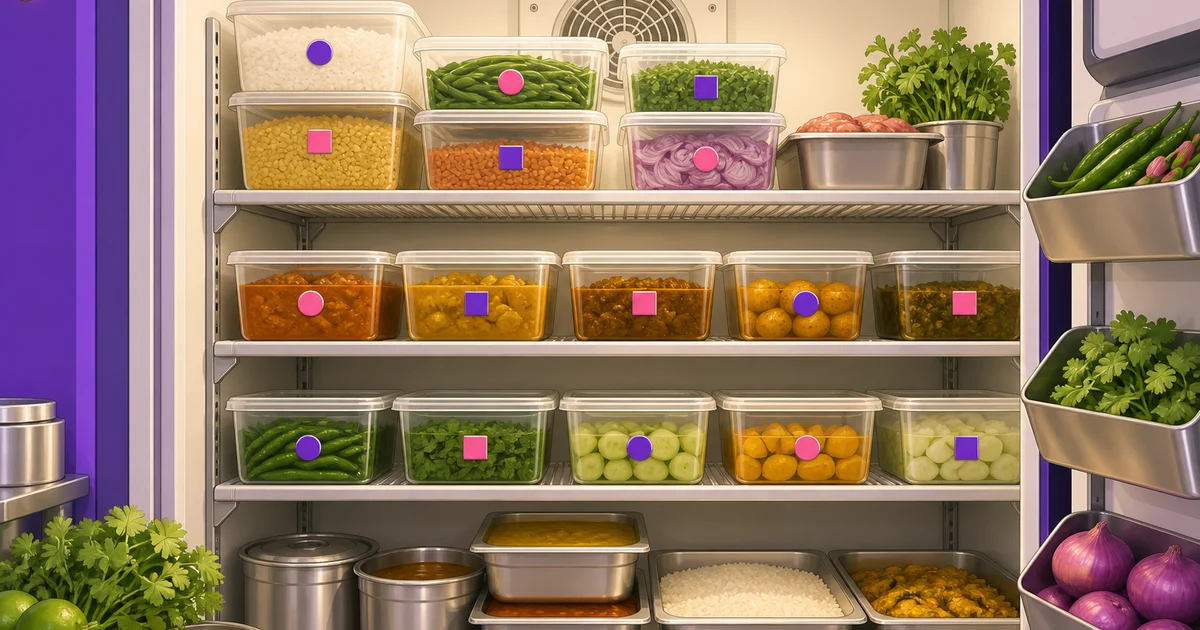
Learn how to organise shelves, rotate perishable stock, label dates correctly and connect daily FIFO discipline with lower restaurant food wastage.
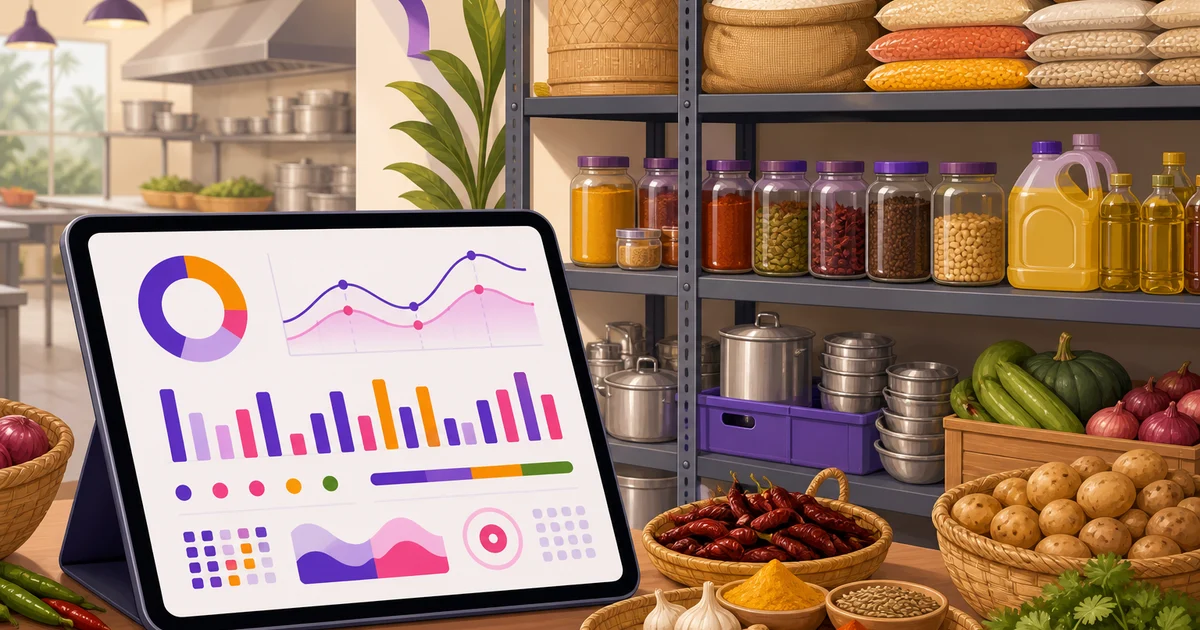
Learn how to classify restaurant stock into A, B and C groups using purchase value, then set practical counting and control rules for each class.
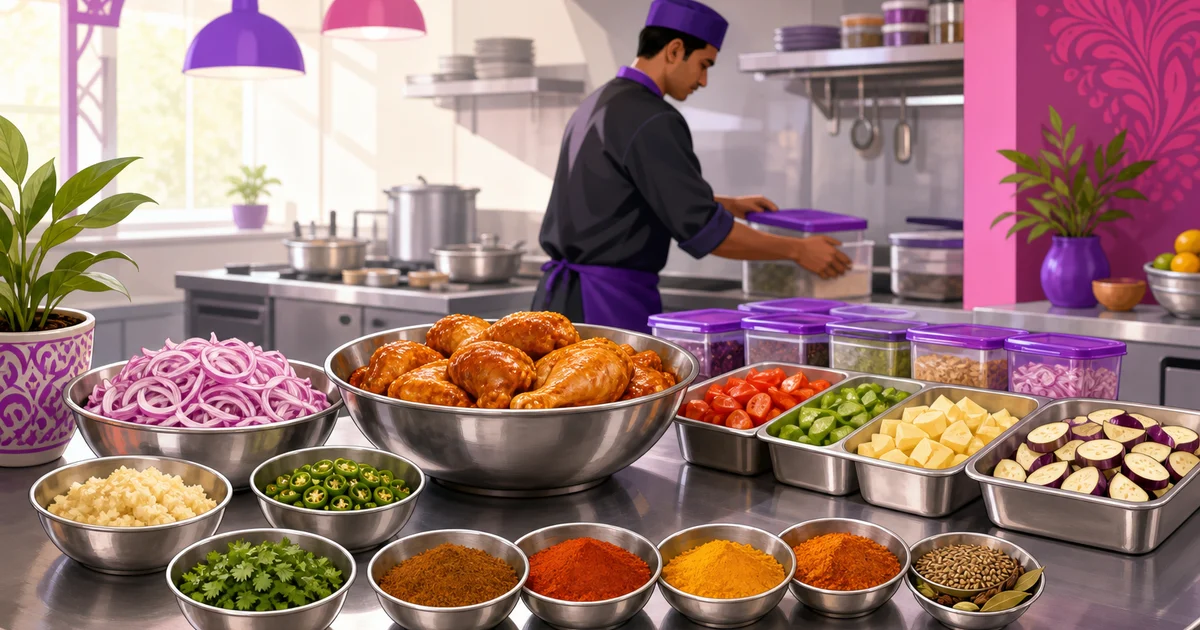
Mise en place is the kitchen habit of preparing and arranging everything you need before service starts, so cooks can fire orders fast and clean. This guide explains what it means, how to set it up, and how it links to prep, food cost and waste.
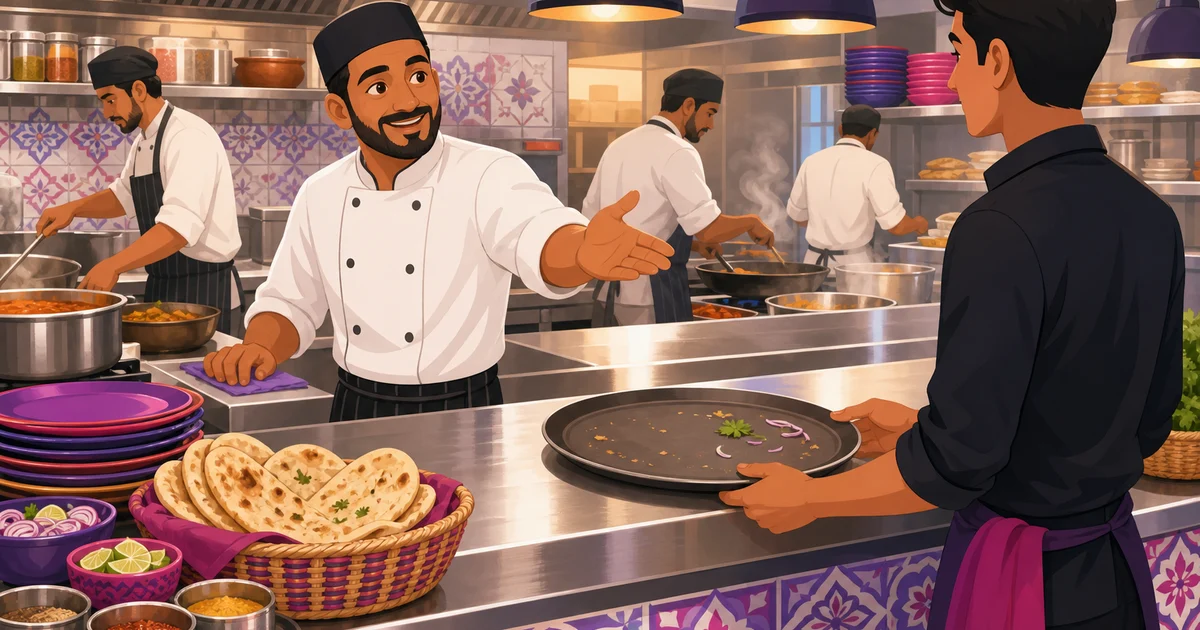
What does 86 mean in a restaurant? To 86 something means it is sold out or unavailable, so staff stop selling it until it is back. This guide explains the kitchen slang, how it is used, and how a POS marks items unavailable in real time.

Bakery POS software has to handle a fast morning counter, items sold by weight and piece, custom cake orders and the stock behind it all. This guide covers what a bakery and confectionery in Bangladesh actually needs.
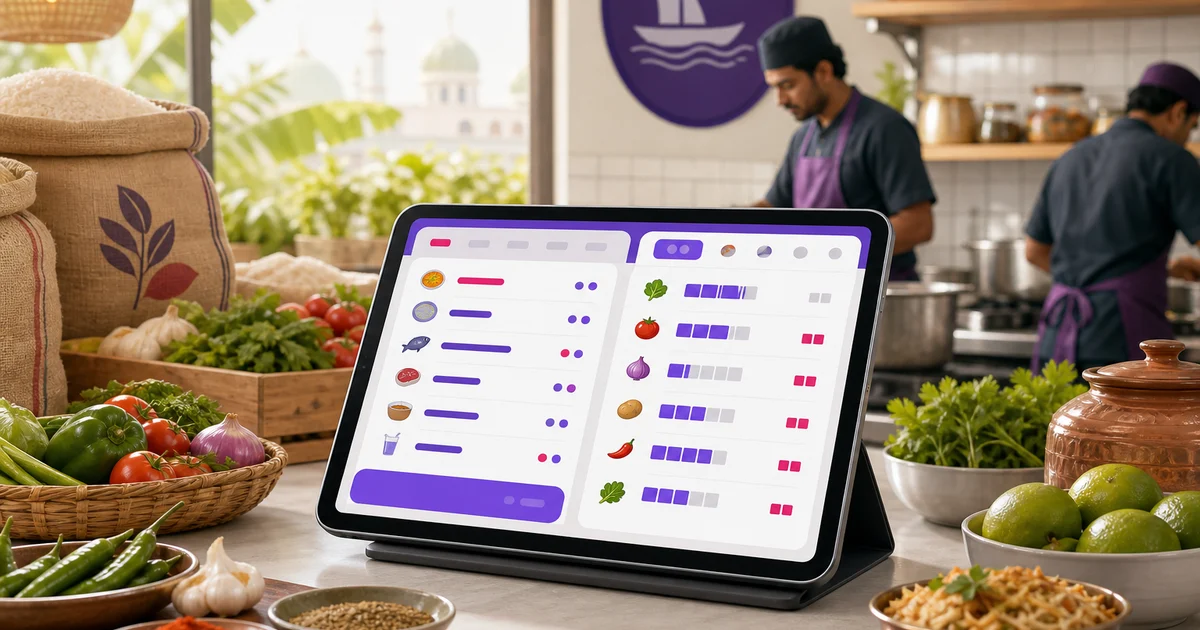
POS software with inventory management puts your sales and your stock on one platform so food cost stops leaking. Here is how Rosuii pairs a full POS with stock items, purchase orders, productions and wastage, described honestly.
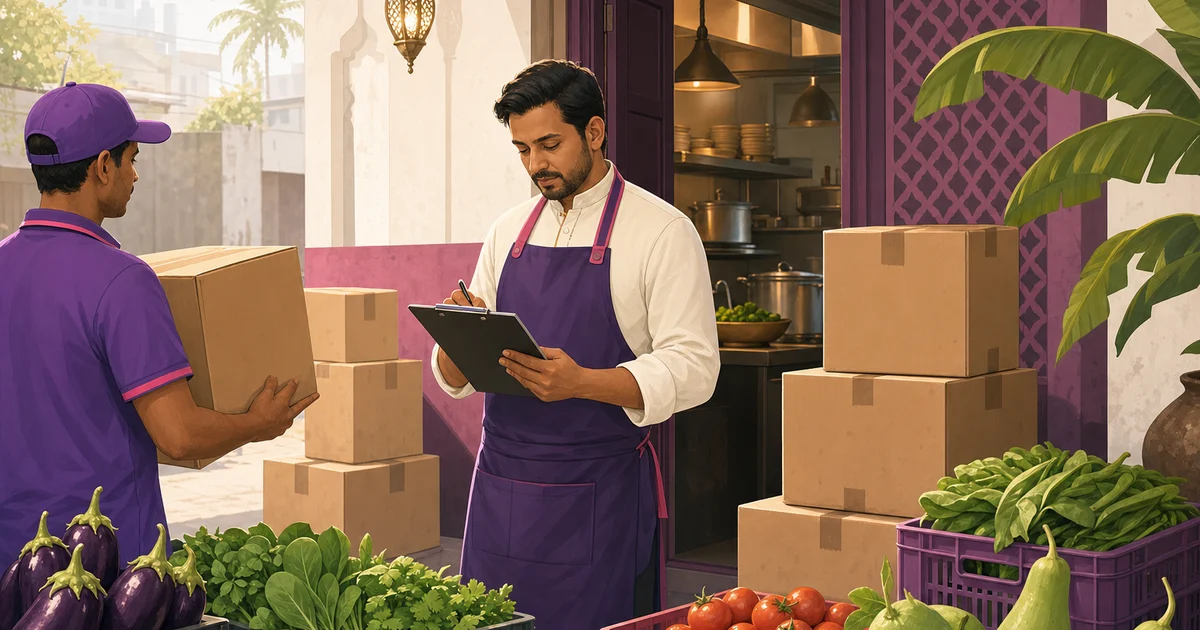
A restaurant purchase order brings order to buying. This guide explains how POs work, from approval and payment status to receiving stock, plus keeping supplier records, and how Rosuii handles it.
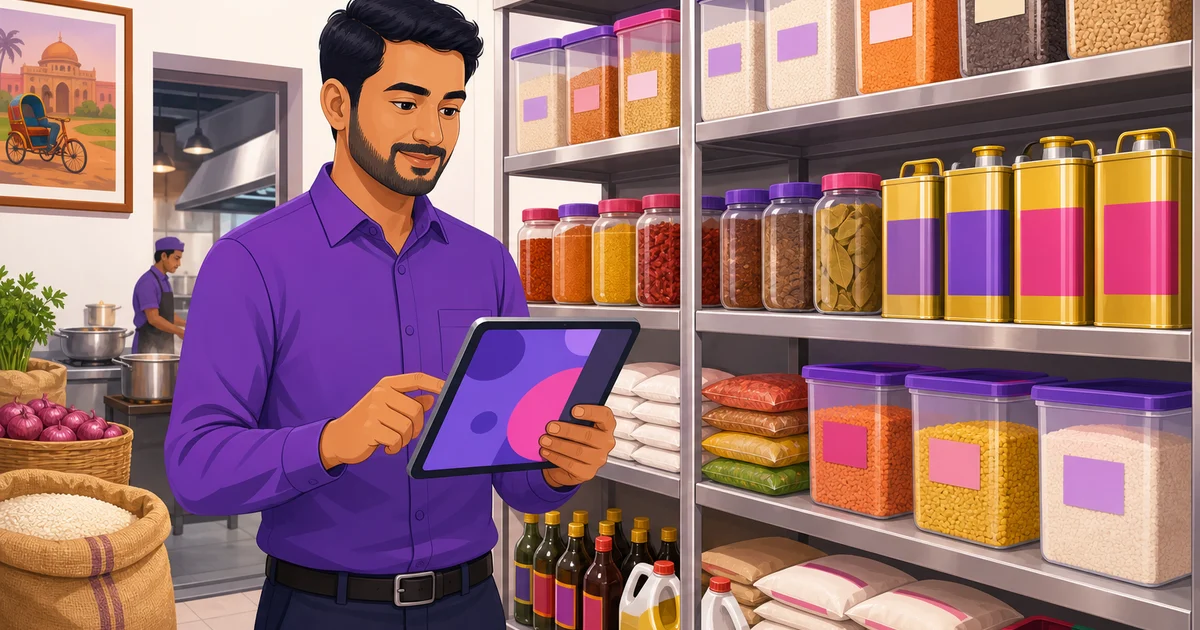
Seven common inventory mistakes, the control that addresses each one and the limits a restaurant owner should verify before buying software.
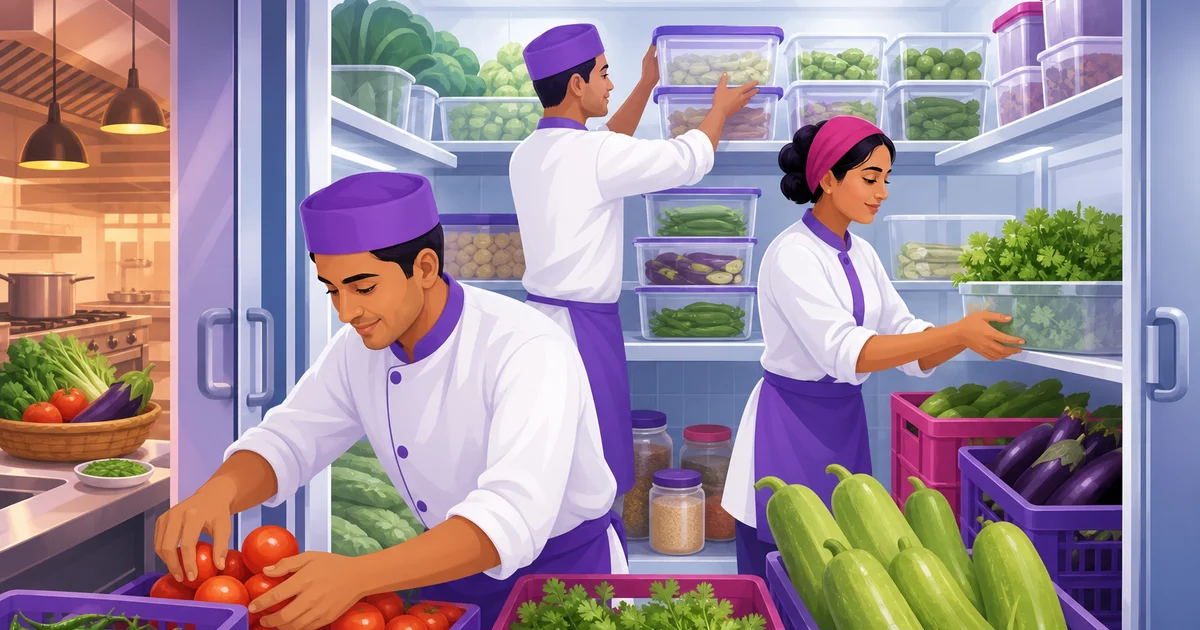
Every plate you throw away is money already spent. Here are practical, proven ways to reduce food wastage in your restaurant, from FIFO storage and portion control to forecasting and tracking waste reasons.
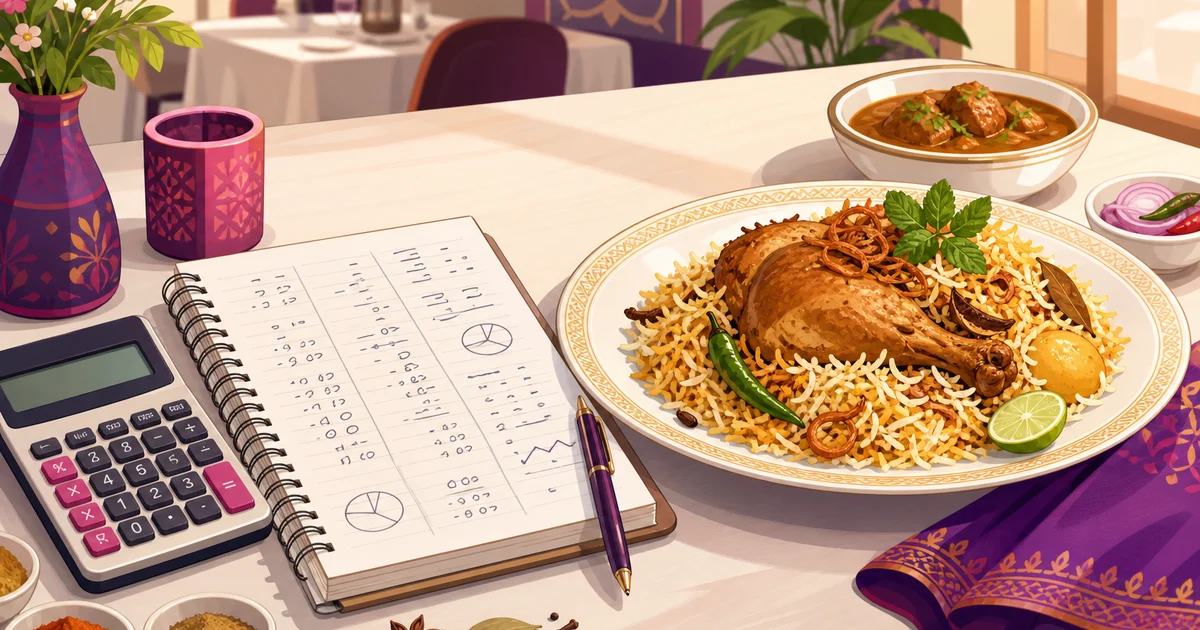
Food cost percentage is the single number that tells you whether your menu makes money. This guide explains the formula, what a healthy percentage looks like, and concrete ways to lower it, with BDT examples.
A repeatable small-restaurant inventory system covering ingredient units, receiving, counts, recipes, waste, variance and review.