
PricingBangladesh
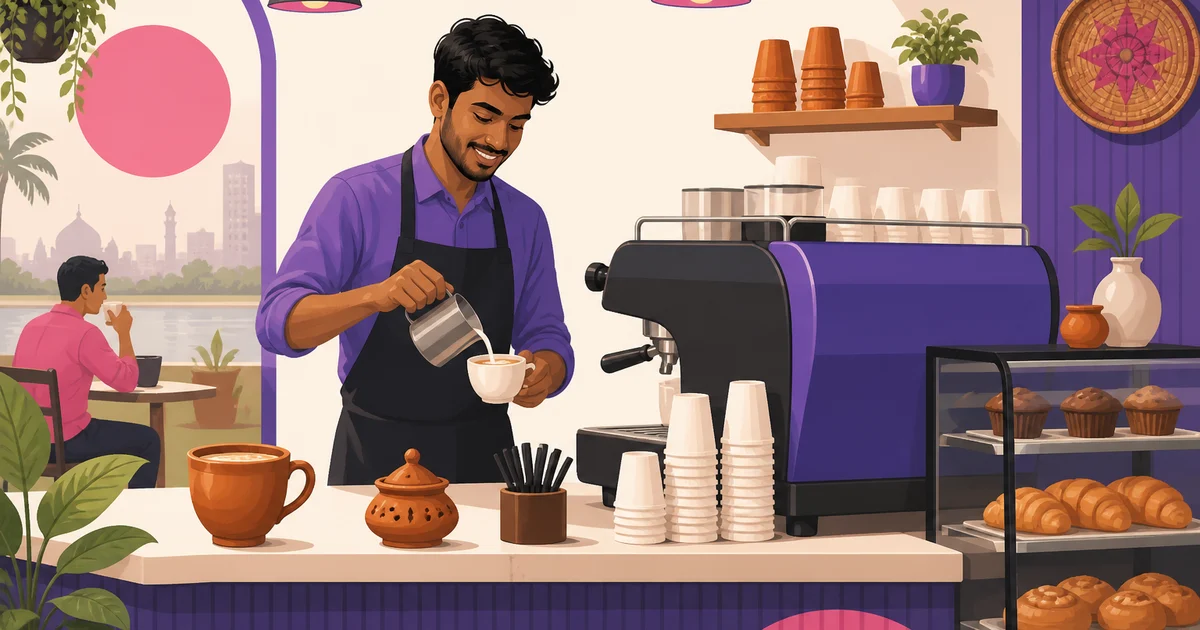
Coffee Shop Price in Bangladesh: Menu and Cost Guide
Compare coffee menu prices by drink, size and outlet. See a Dhaka menu example and calculate per-cup cost separately from your coffee-shop startup budget.
Read article
Tagged with #Guides
Compare coffee menu prices by drink, size and outlet. See a Dhaka menu example and calculate per-cup cost separately from your coffee-shop startup budget.

Choose restaurant POS with an inventory and payroll demo checklist. Compare recipe units, purchases, salary records, permissions, exports and total cost.

Find official DNCC and DSCC renewal routes. Check your trade-licence demand, payment evidence and renewal status before using any quoted fee.

A numbered, evidence-first workflow for preparing a restaurant's Mushak 9.1 return without guessing figures from the POS alone.
A copy-ready food-waste log that separates prep loss, spoilage, overproduction and plate waste, then links quantity and cause to action.
A supplier-comparison template that looks beyond the lowest quote to specification, usable cost, delivery, food-safety evidence and receiving performance.
A receiving-dock checklist that connects the purchase order, food-safety inspection, quantity evidence, hold/reject decisions and stock entry.
A practical temperature-monitoring sheet for storage, receiving, cooking and holding, with source-labelled targets and corrective-action fields.
A copy-ready cleaning schedule that assigns each restaurant area, method, frequency, owner, verification and corrective action without inventing chemical rules.
A shift-level report for calculating expected drawer cash, recording the independent count, explaining differences and closing corrective actions.
An official-source Pathao Food partner guide that separates the public registration form from later onboarding, commercial terms, menu setup and operational launch.
A vendor-neutral network setup and fault-isolation guide with an official Epson TM-T82III example, secure IP planning and restaurant print routing.
A location-ordered, blind-count template that connects physical quantity to book stock, variance, value, PAR and corrective action.
An official-source guide to preparing people, premises, hygiene controls and evidence for BFSA restaurant grading without promising a result.
A premises-ready checklist that turns fire-safety approval into daily, monthly and documented restaurant controls without inventing universal equipment rules.
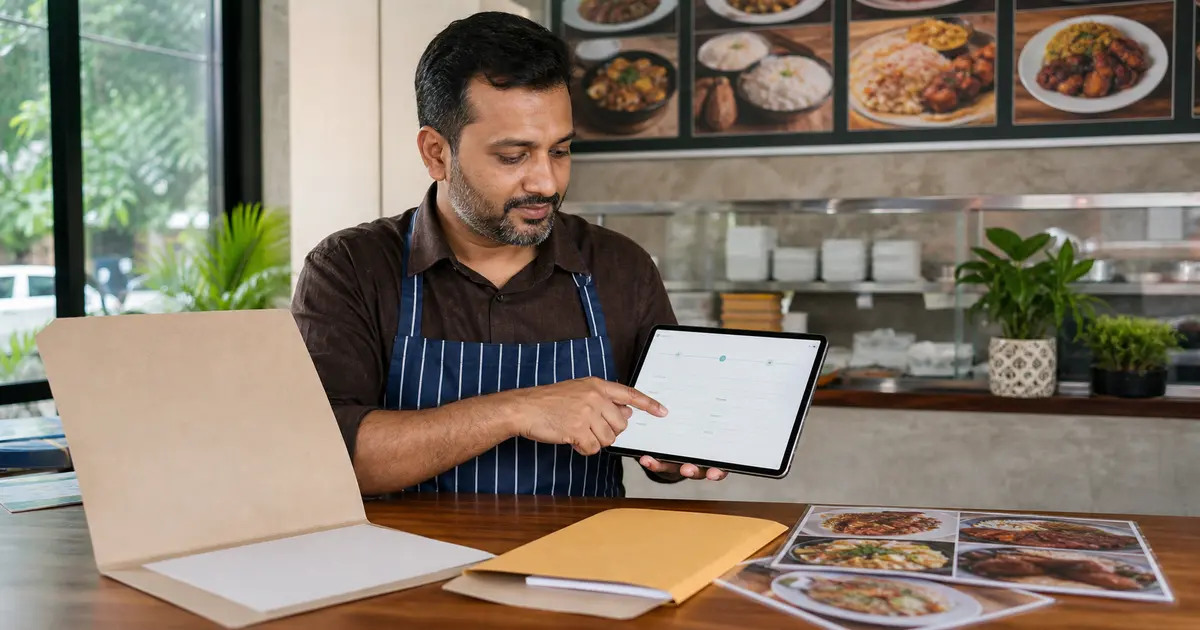
A source-backed onboarding checklist that separates normal merchant setup from approved technical API integration.

A safe online-application sequence using DNCC as a documented example, without assuming every authority uses the same portal.
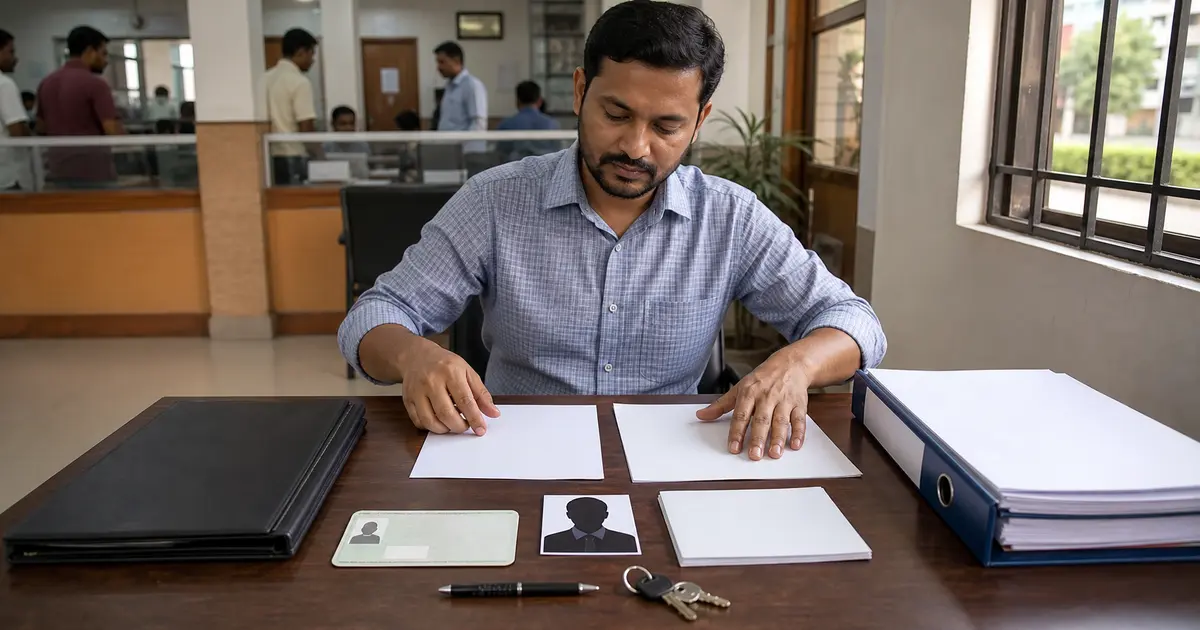
A document-room checklist based on current DNCC and BIDA guidance, with warnings where local-authority requirements differ.
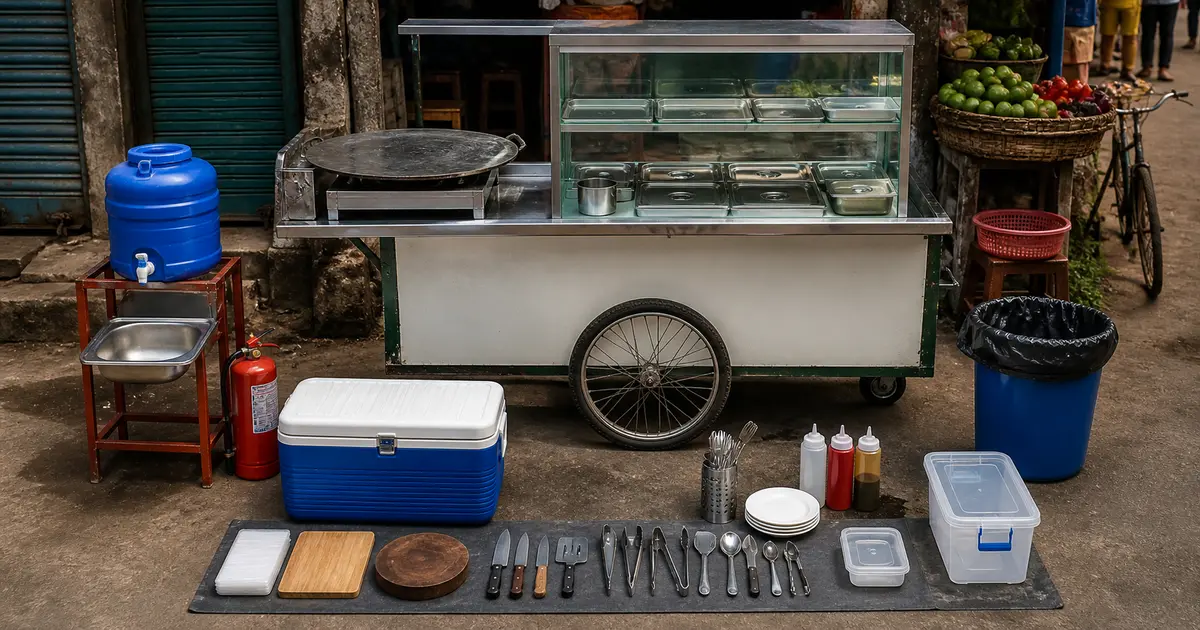
Buy equipment from the menu and site risks, not from a generic cart package.
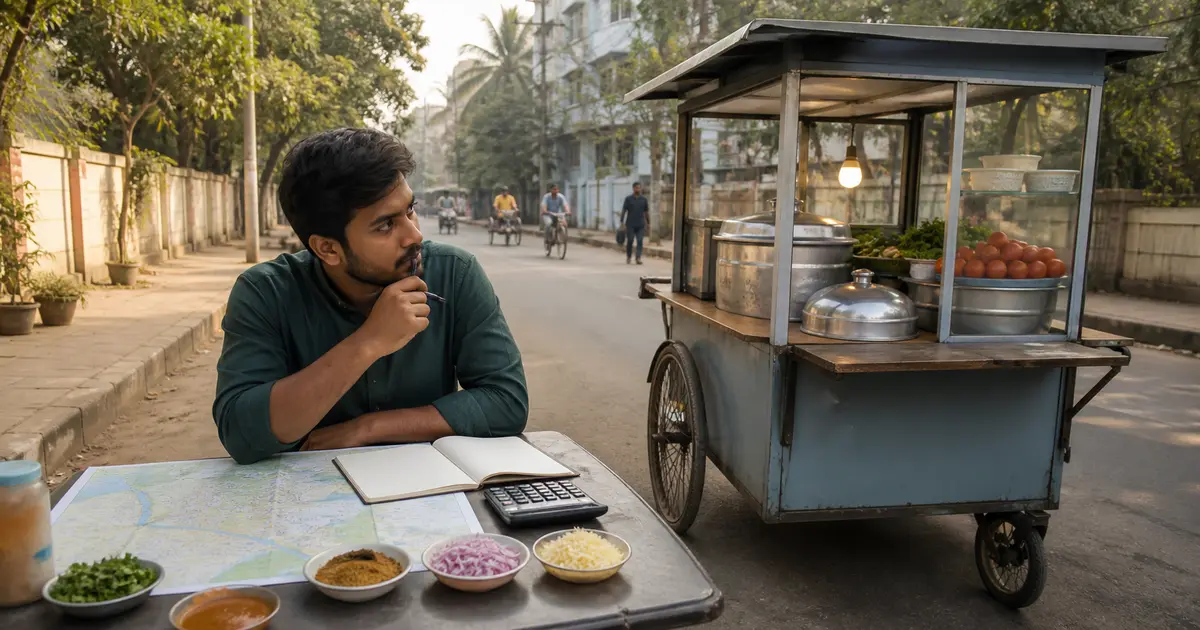
A one-page plan that can be tested at the location before money is locked into a cart and equipment.
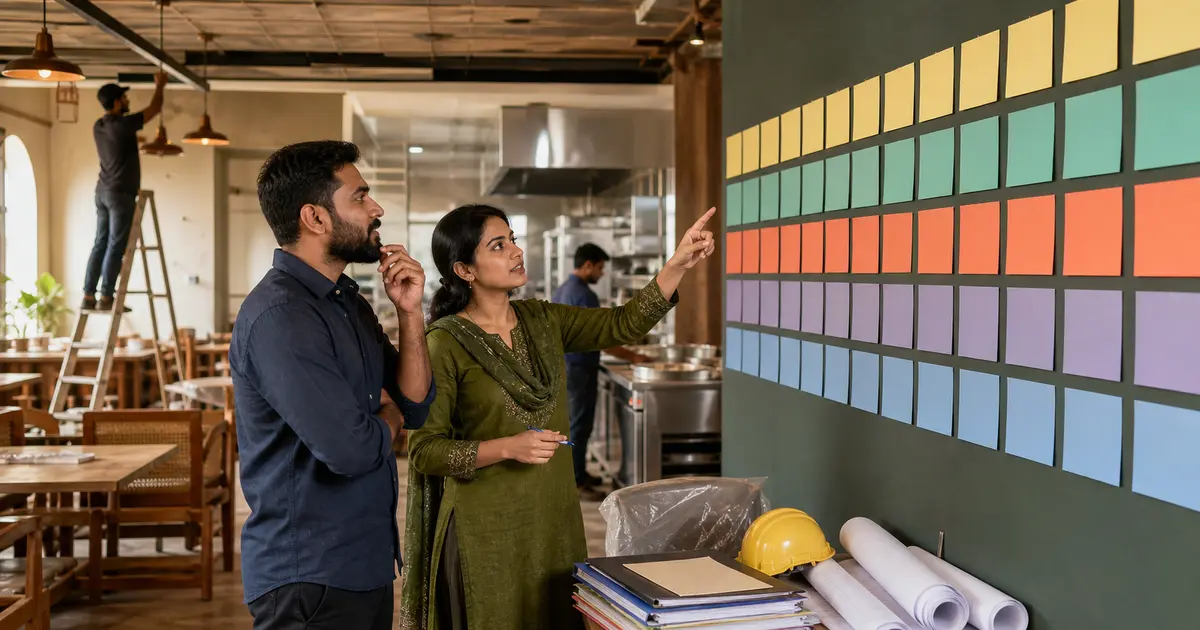
A dependency-based 12-week model that separates authority timing from work the team controls.
A transparent status check based on two current official Shohoz pages that do not give a fully consistent consumer-service picture.
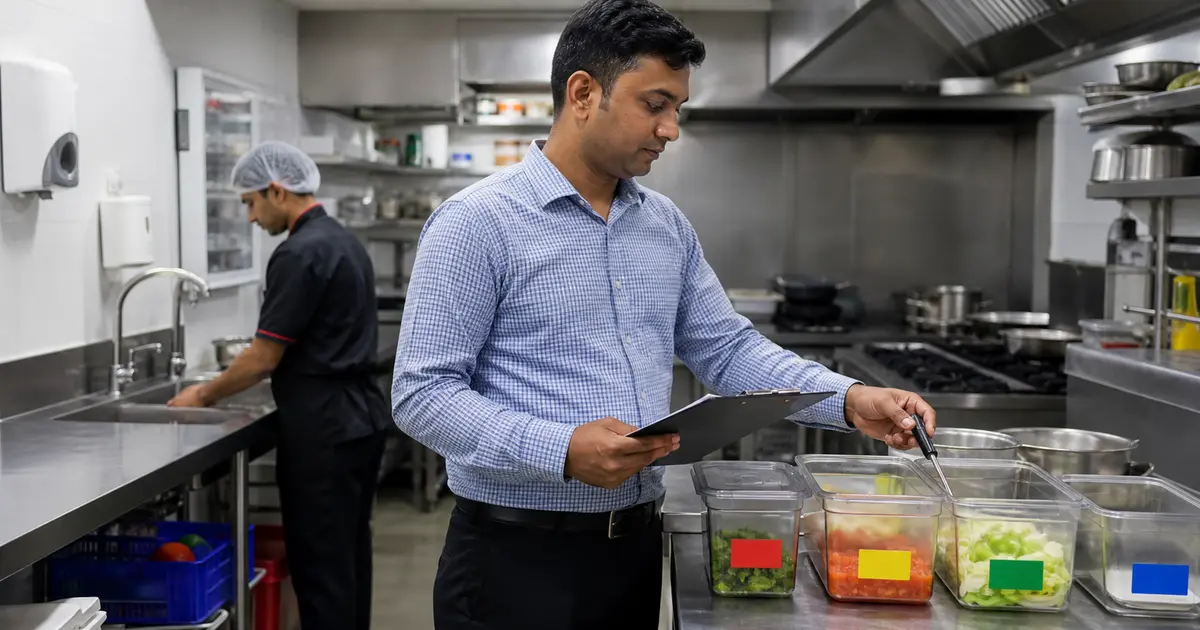
A compact evidence file that shows what the restaurant checked, who checked it and how a problem was corrected.
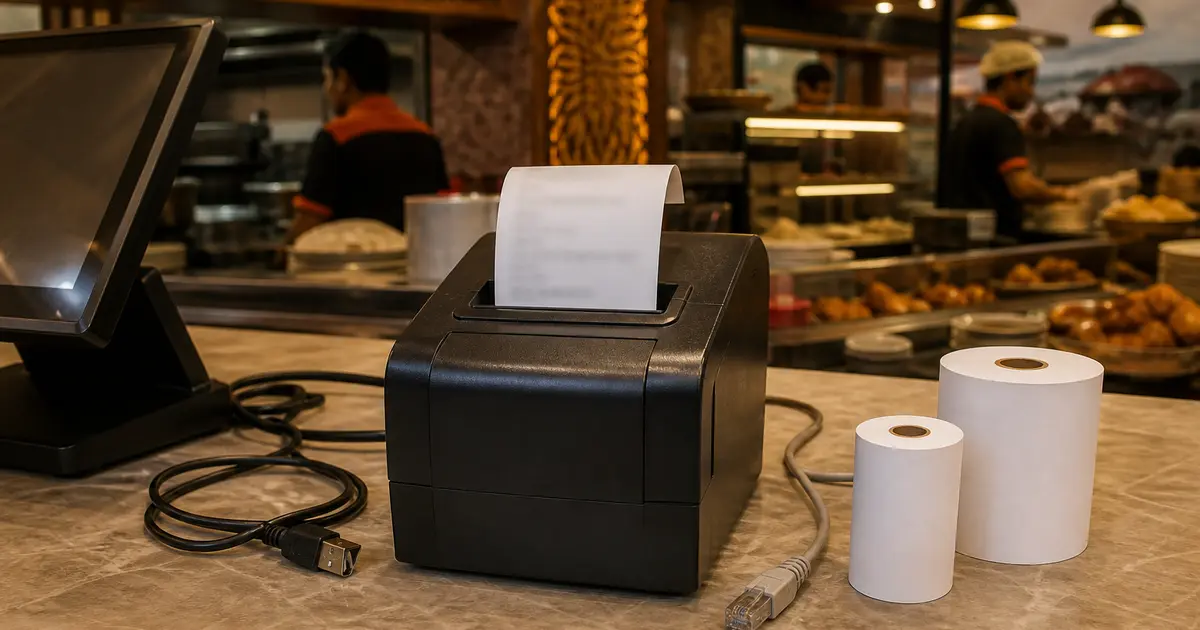
A model-family guide that separates paper size, interface suffix and official specification from seller listing shorthand.
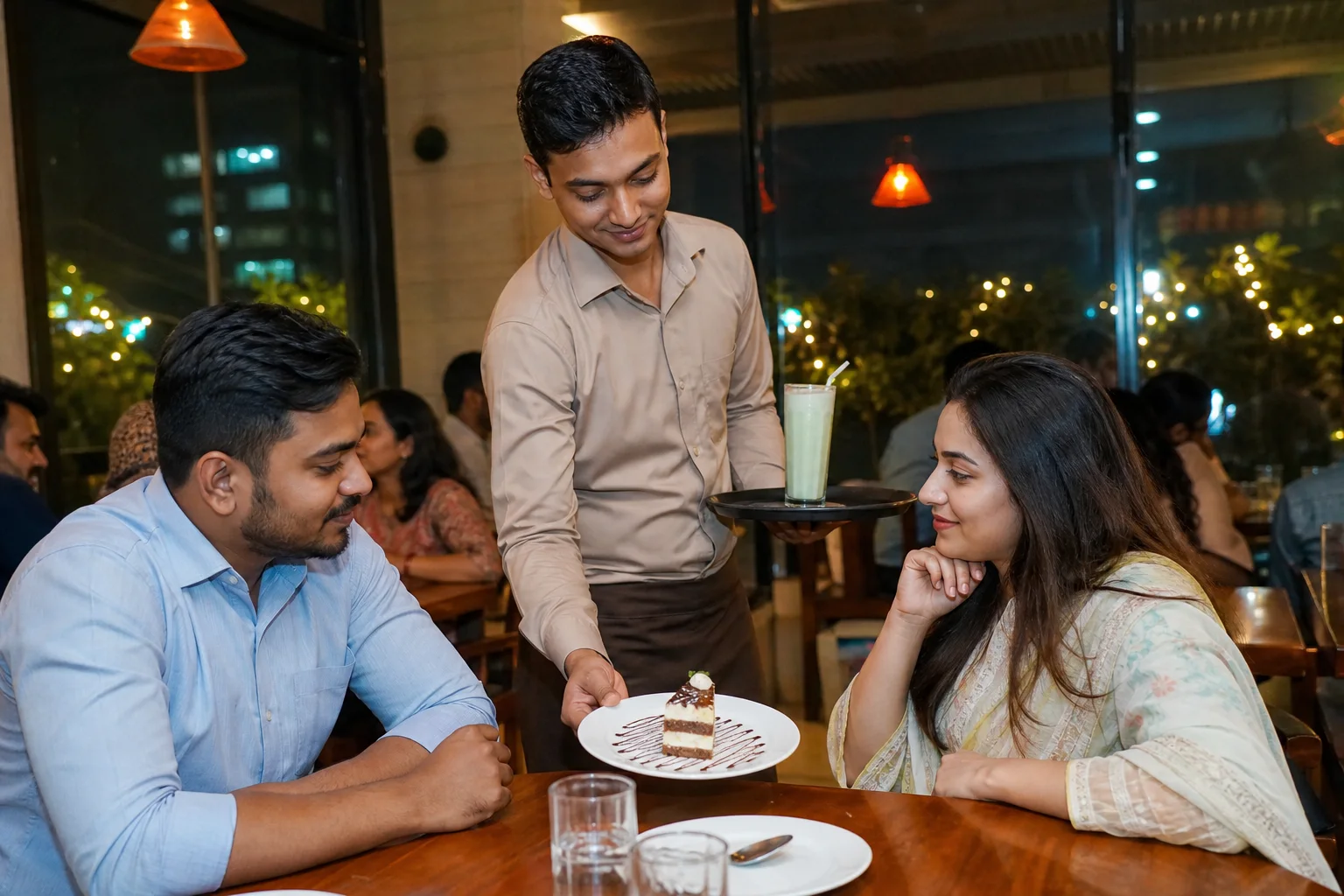
Practical ways to increase average order value by helping guests complete or improve their meal—without pressure, hidden charges or irrelevant pitches.
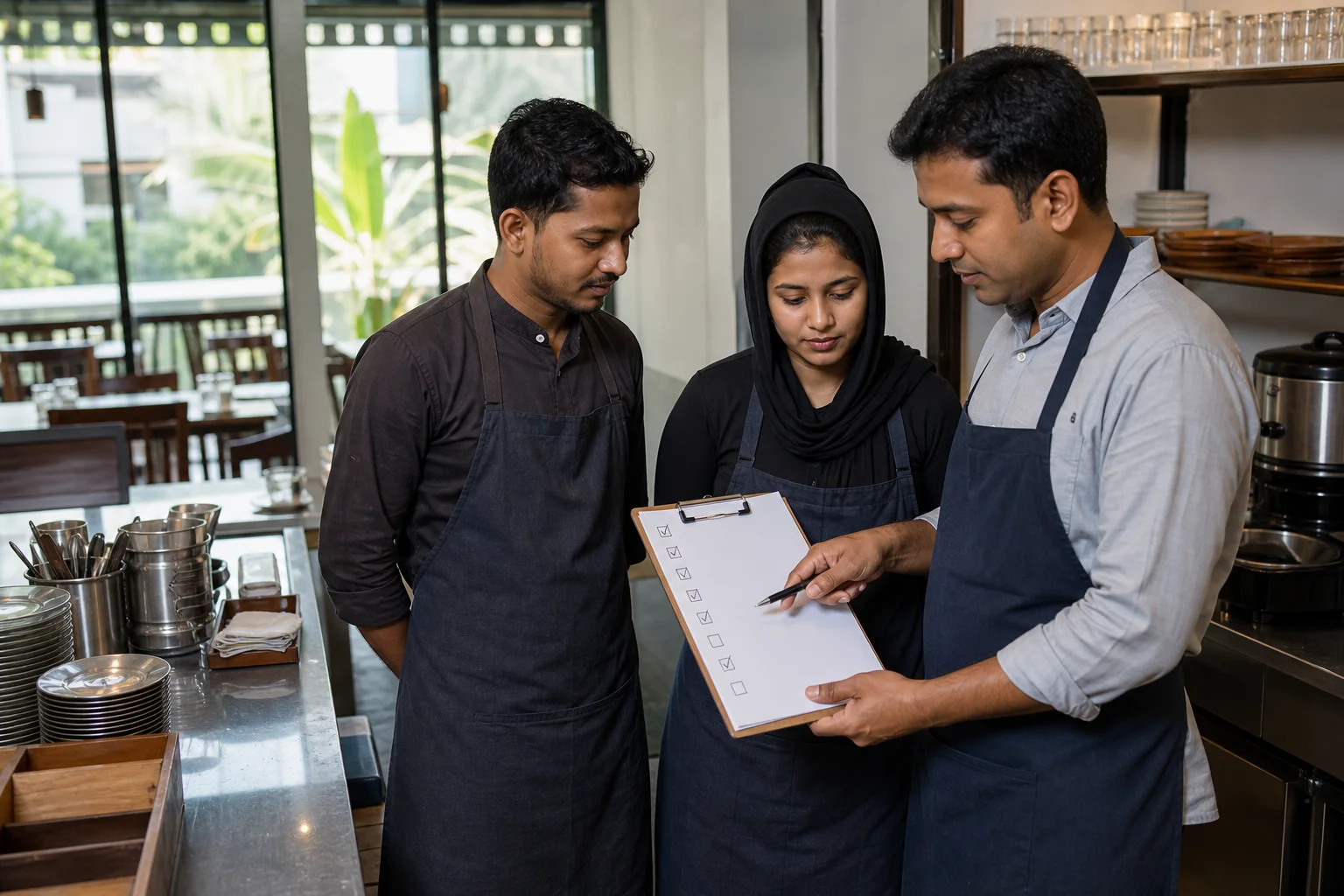
A copy-ready structure for writing restaurant SOPs that staff can actually follow, supervisors can verify and owners can improve.
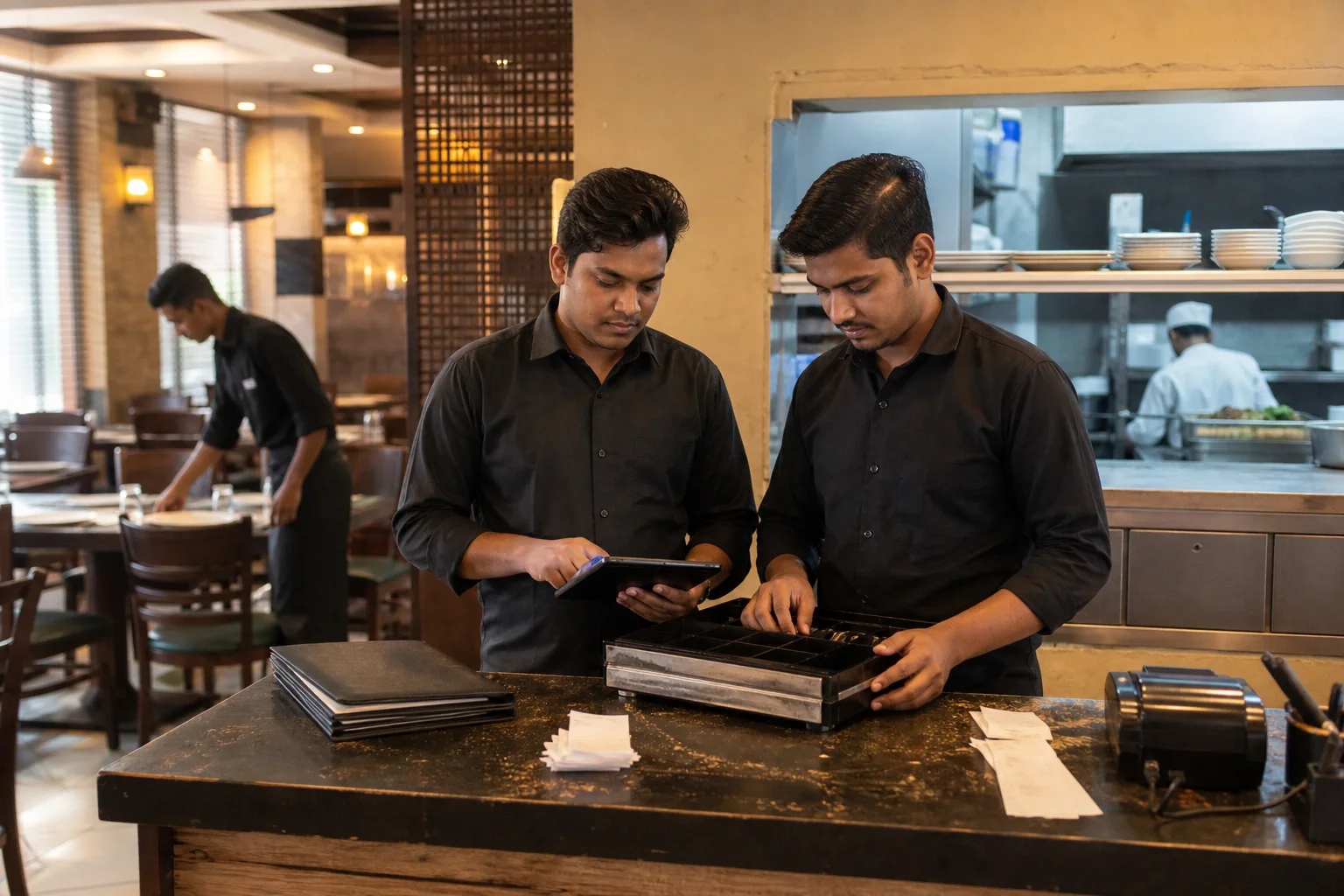
A concise, accountable handover that prevents the next shift from discovering missing cash, delayed orders or unavailable stock from guests.
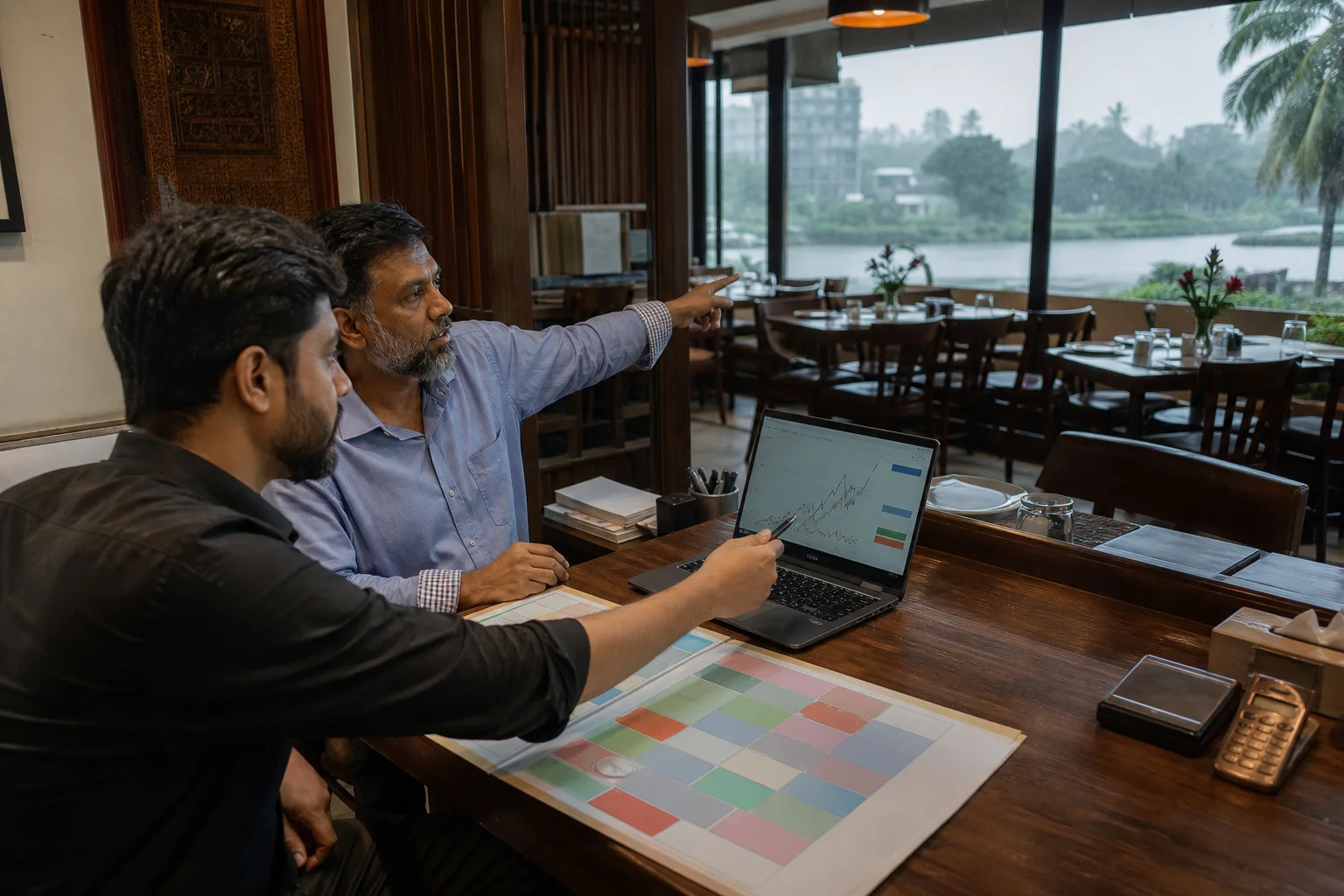
Forecast orders and sales closely enough to plan staff, prep, purchasing and cash—then measure and improve the forecast each week.
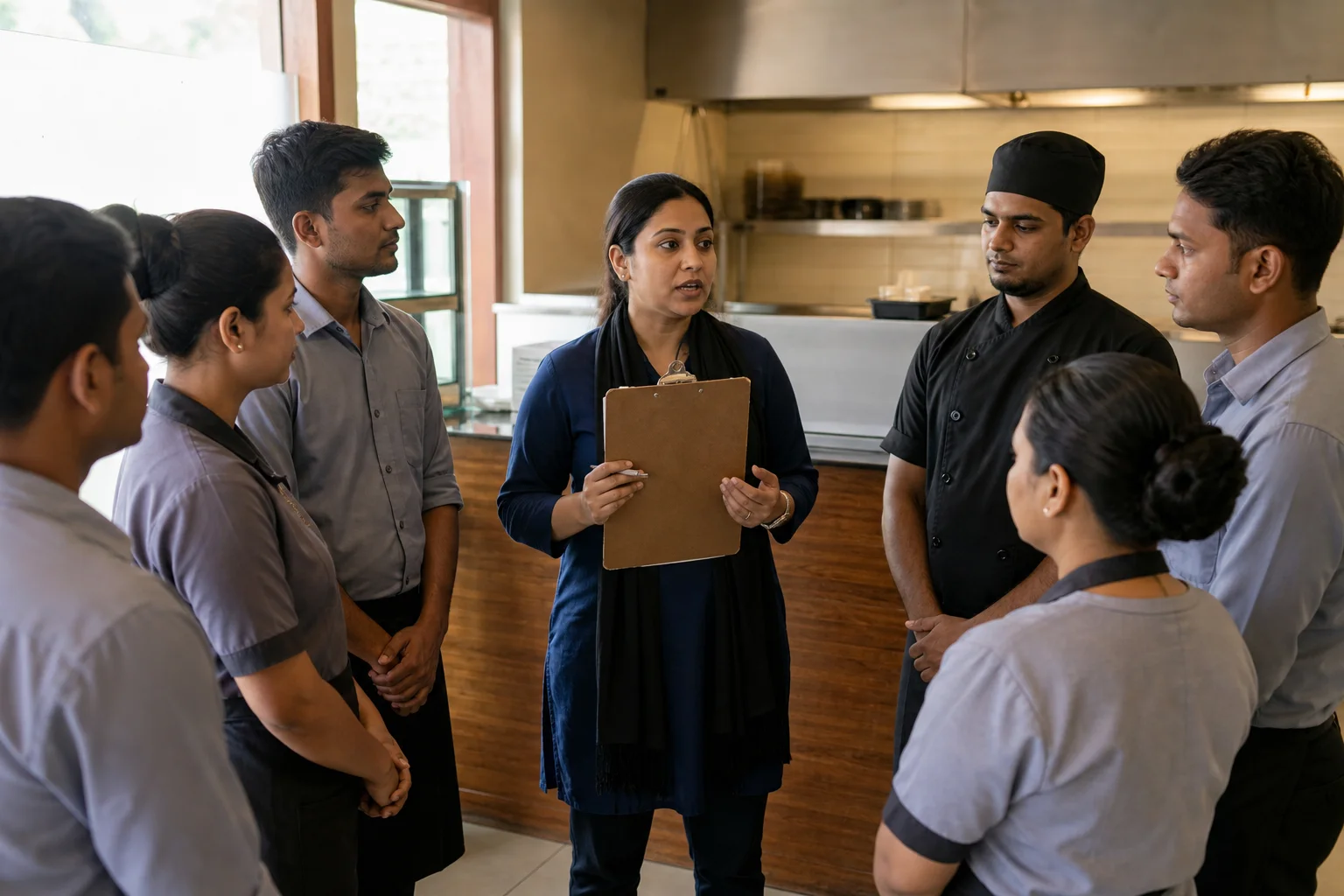
What a restaurant manager must own before, during and after service—and how an owner can measure the role fairly.

How to know what cash is available, what must be paid next and whether a profitable restaurant can survive the timing gap.
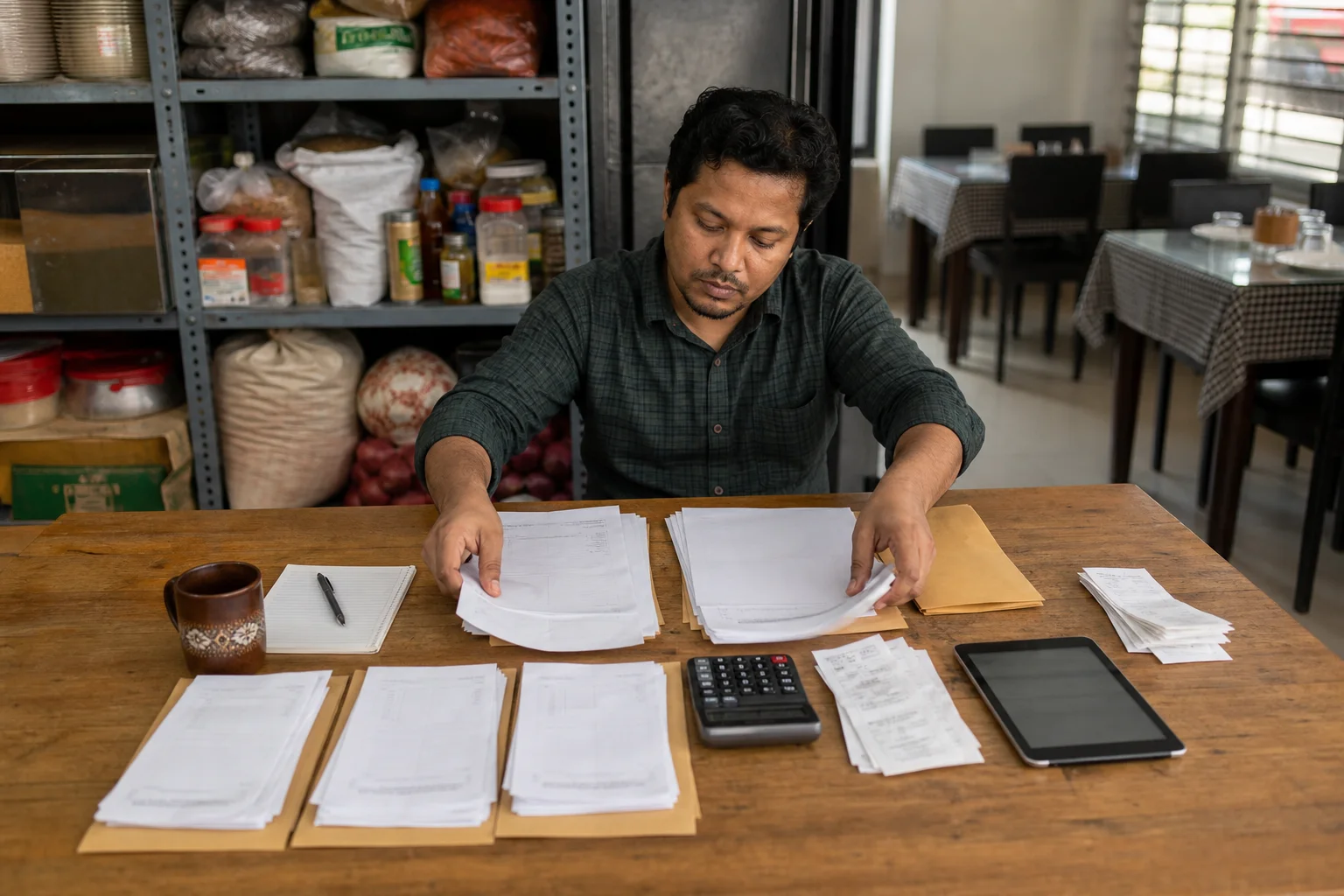
A practical monthly restaurant budget structure that links sales assumptions to food, labour, overhead, cash and corrective action.
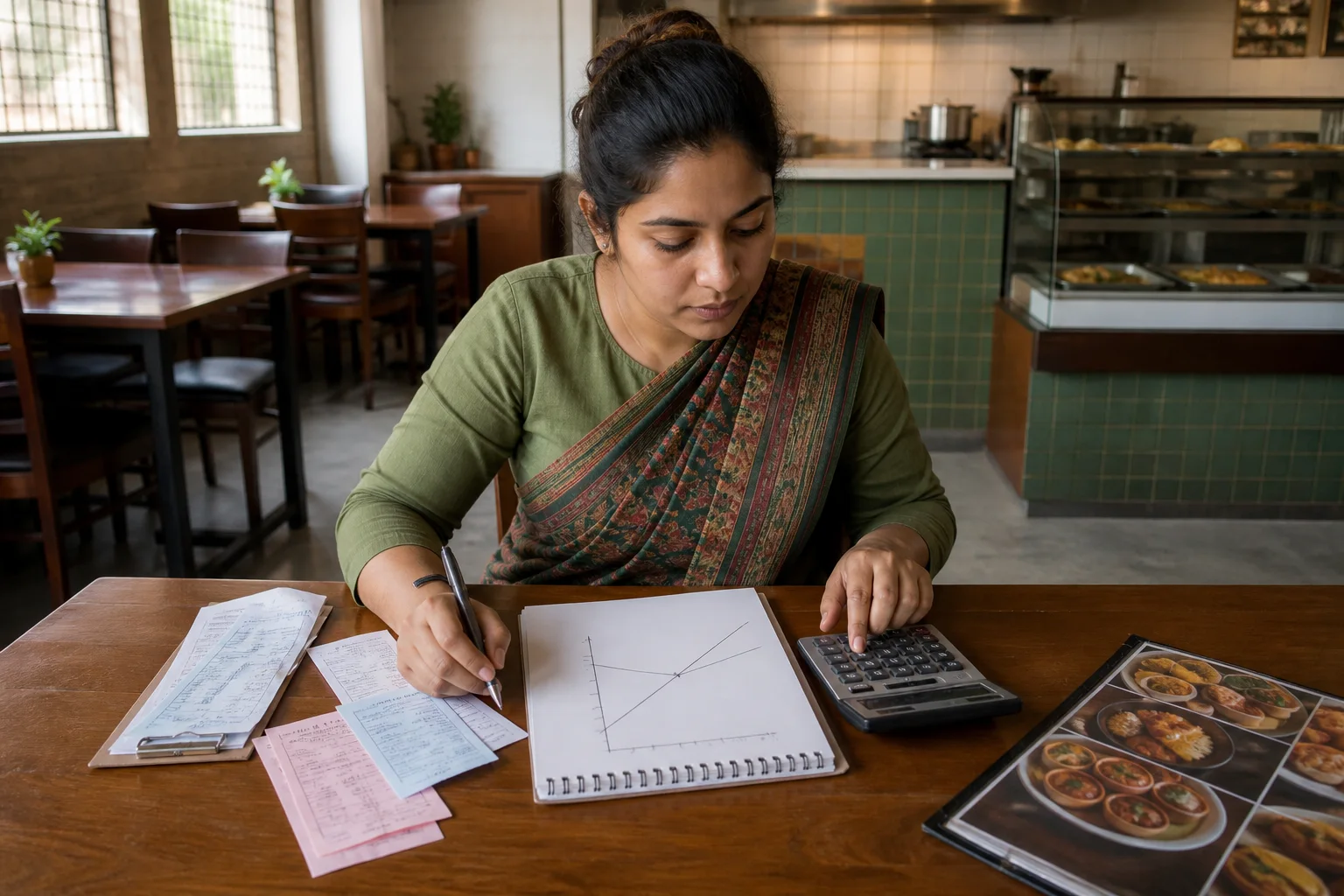
Calculate the sales and order volume your restaurant needs before it starts producing operating profit—and test how price or cost changes move the target.
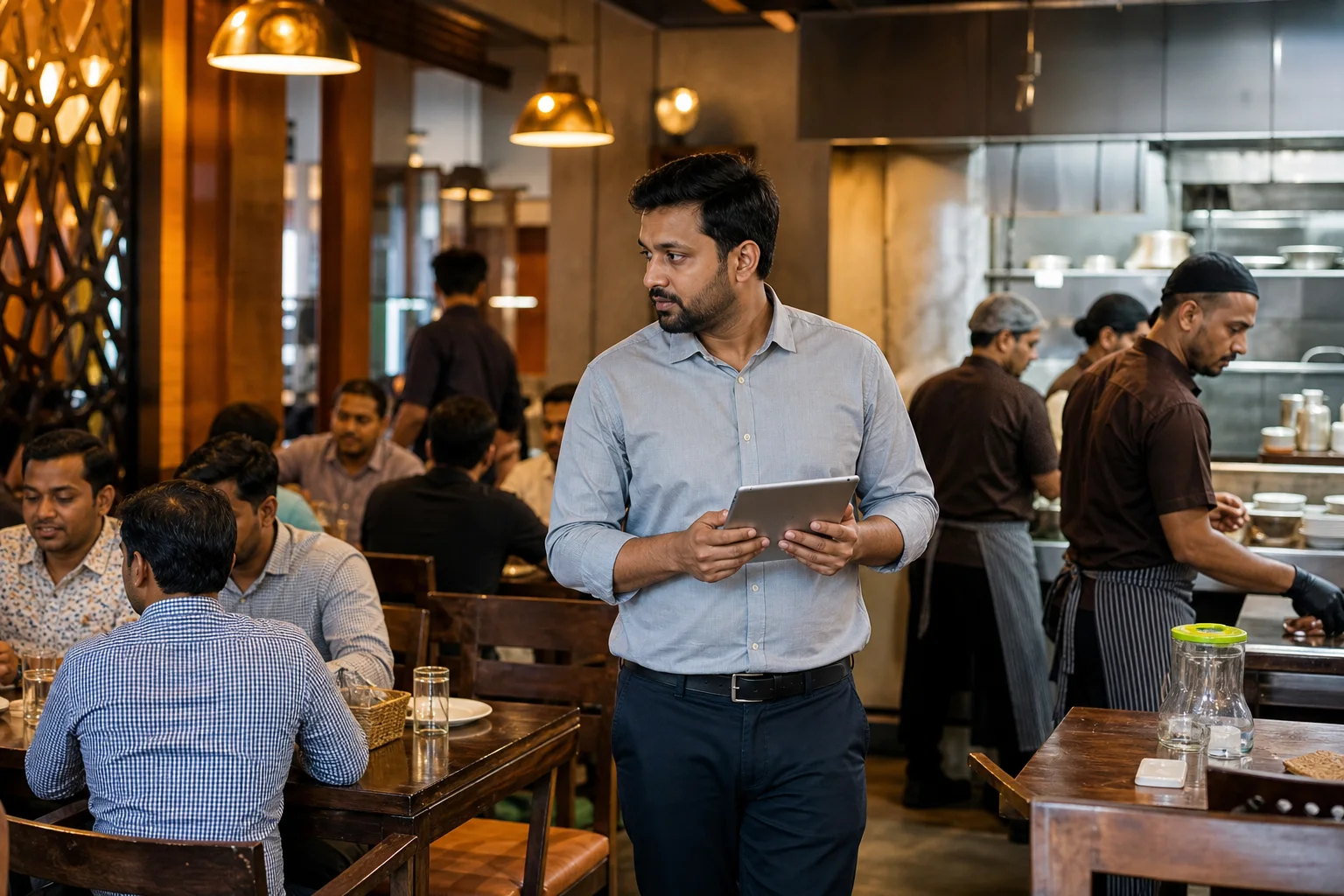
A practical system for managing sales, service, kitchen, stock, staff and cash without trying to supervise every task yourself.
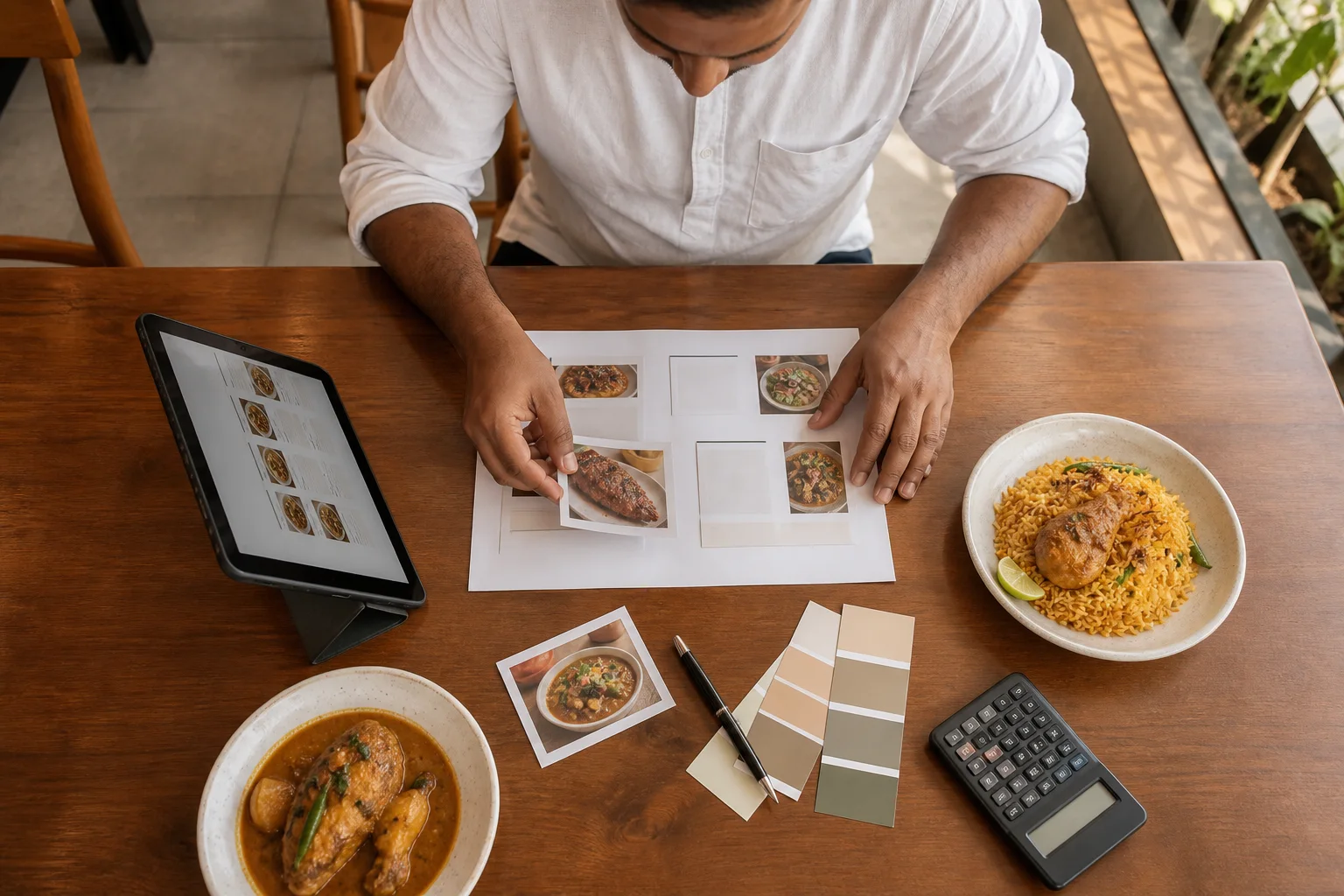
A practical restaurant menu design guide for Bangladesh: structure sections, show prices clearly, use Bangla and English well, choose photos carefully and keep printed, QR and online menus consistent.
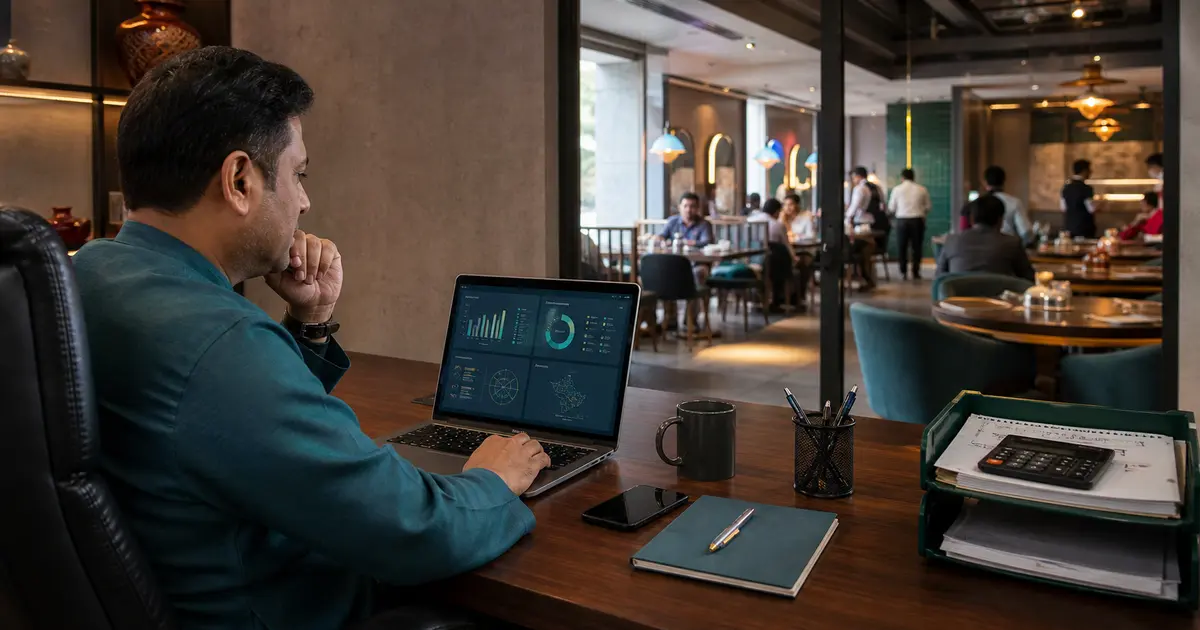
A practical way to decide whether you need an operational restaurant platform or a full finance-led ERP.

Fine dining software should protect service timing and guest detail, not turn hospitality into counter service.
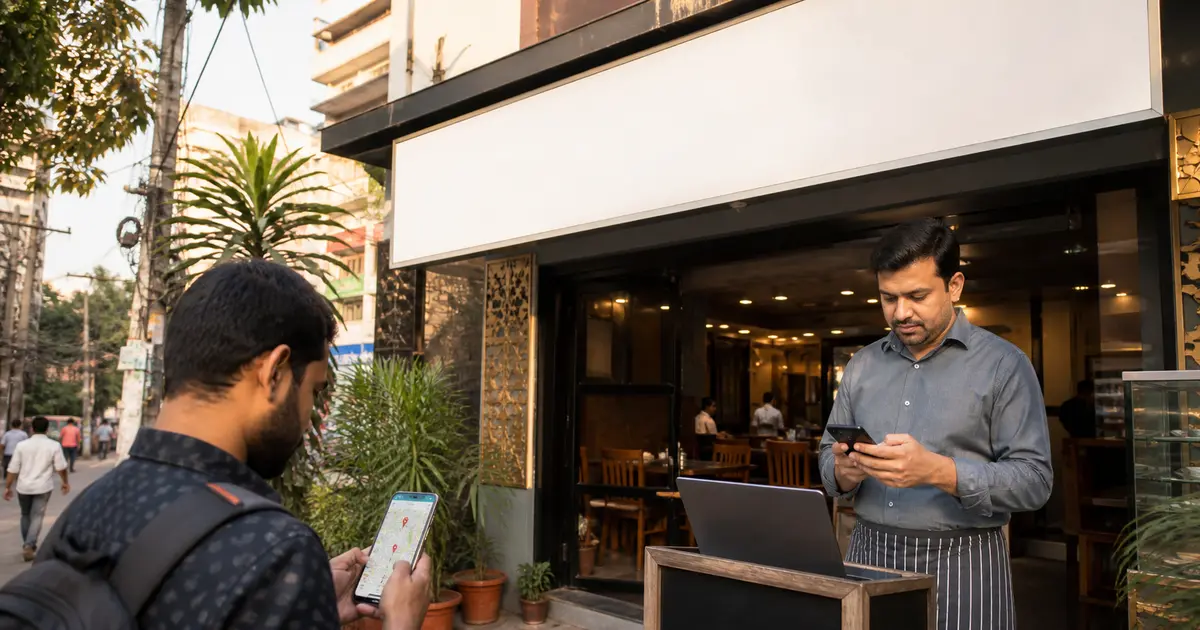
A practical owner guide to relevance, distance and prominence for restaurant near me searches in Bangladesh.

Plan and test a restaurant logo that remains recognizable on a signboard, receipt, menu, profile image and food package.
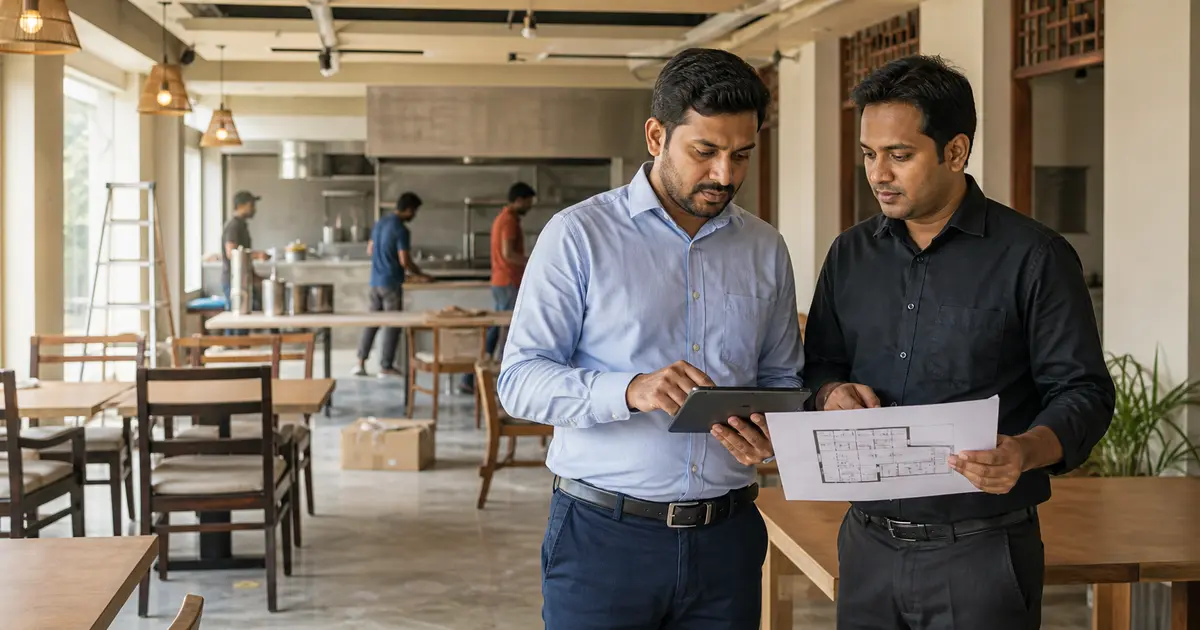
A practical Bangladesh restaurant startup guide covering concept, costs, licences, location, staffing, software and the first 90 days of operation.
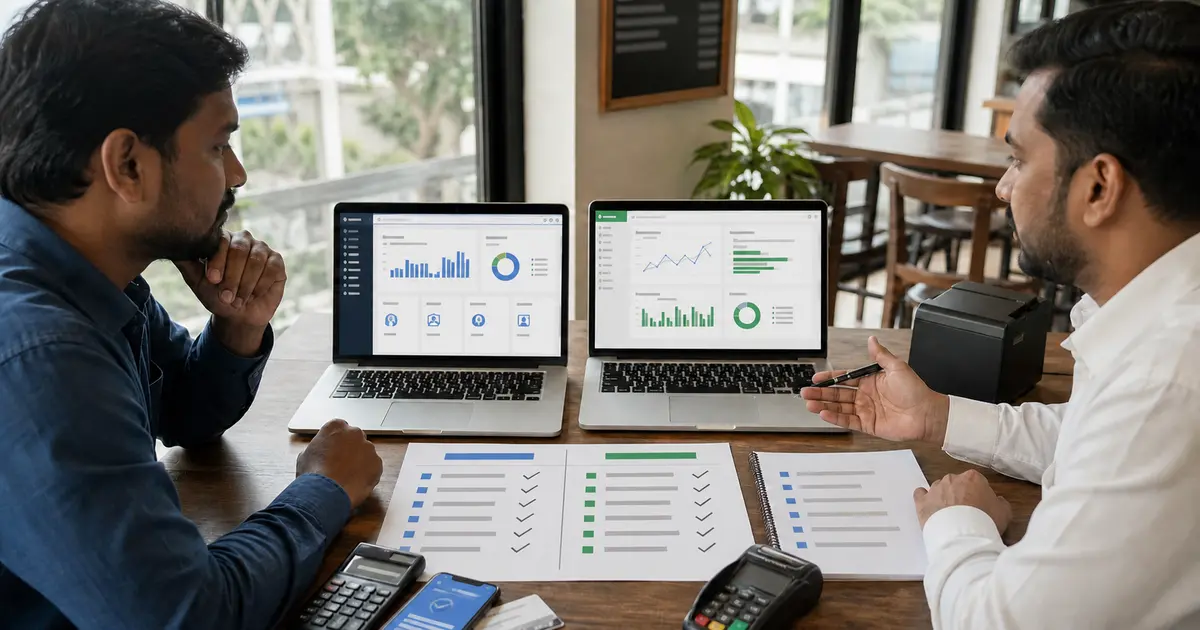
A neutral checklist for Bangladesh restaurants comparing Otter's global restaurant tools with Rosuii's local operating fit.
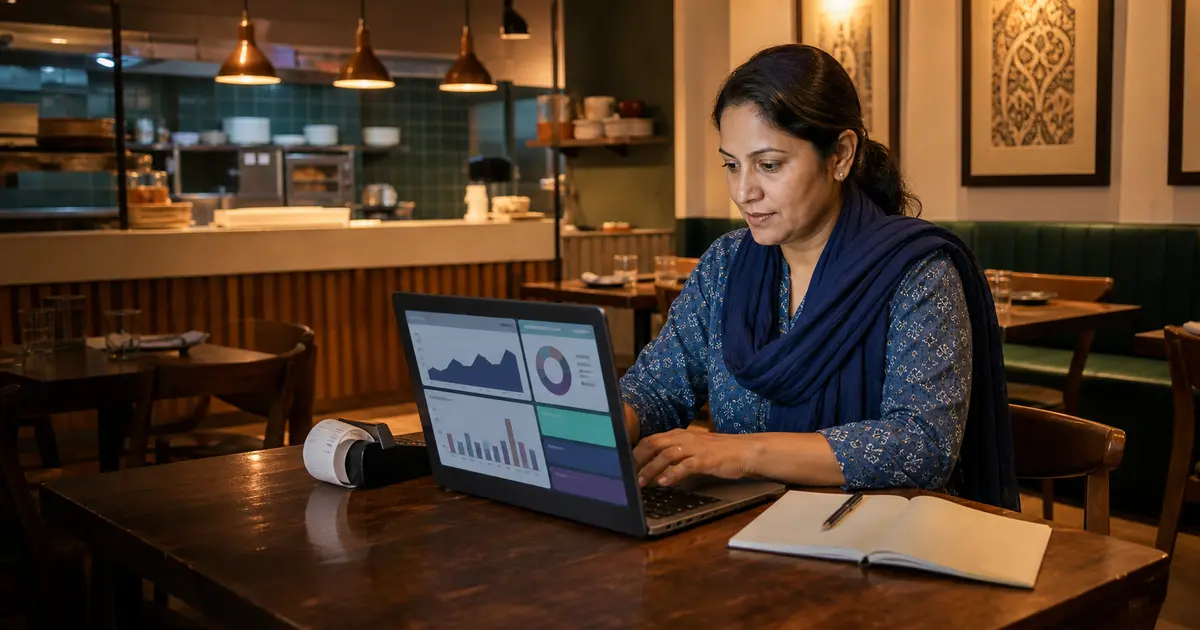
Restaurant reporting software should answer what sold, what was spent and what the day made. Use this guide to test reports, filters, exports and branch comparisons.
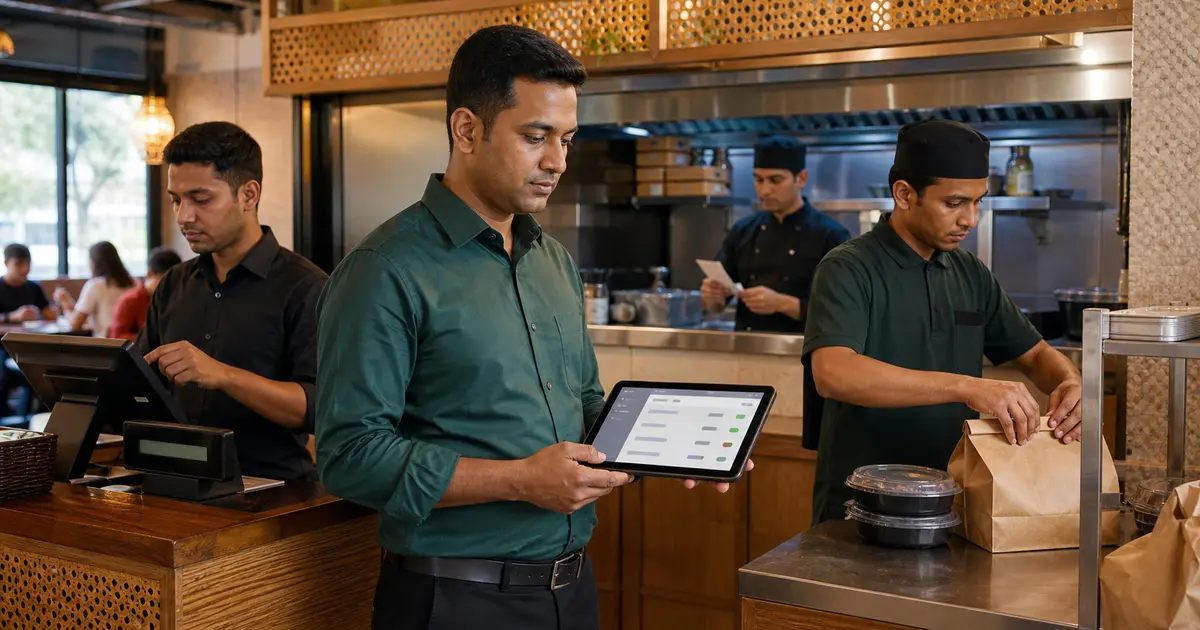
Restaurant order management software keeps every dine-in, takeaway, delivery and online ticket in one controlled flow. Learn what to test from order entry to kitchen and payment.
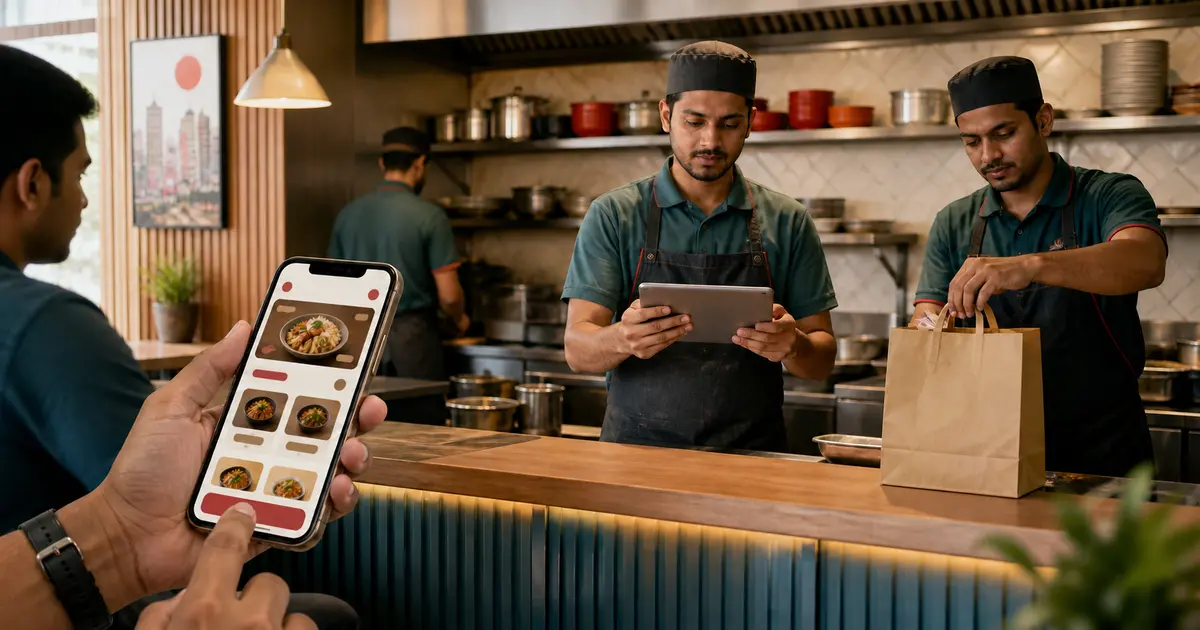
Restaurant online ordering software gives customers a direct mobile menu and sends orders into restaurant operations. Learn what to test from menu to checkout and kitchen.
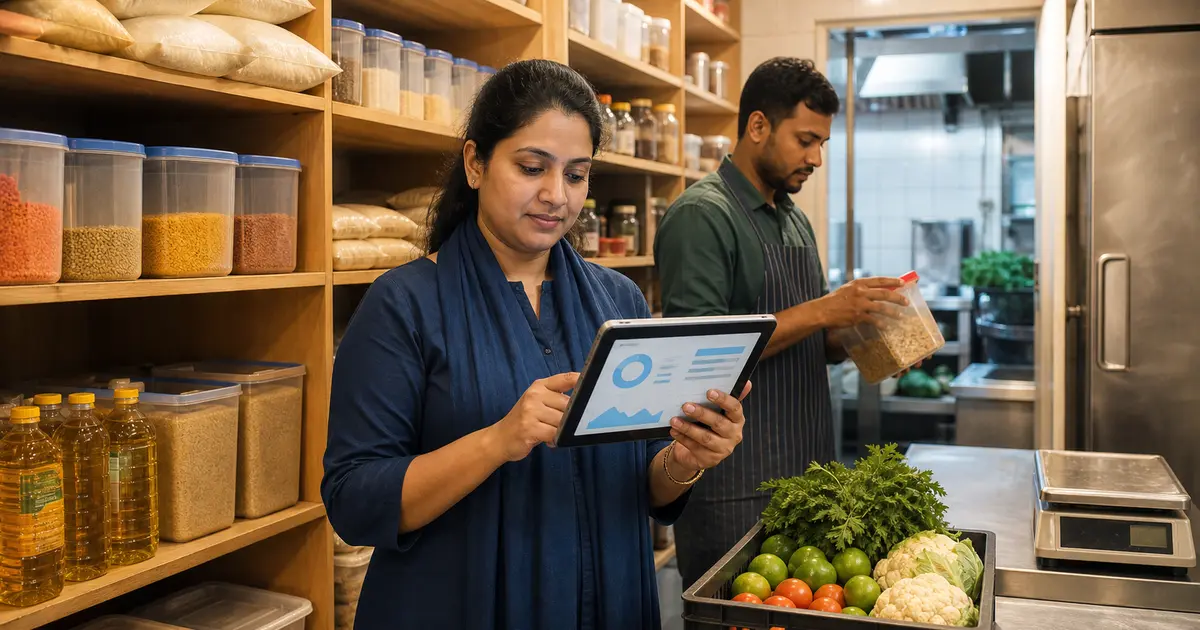
Restaurant inventory software should tell you what is in stock, what was purchased, what was wasted and what needs ordering. This guide shows the capabilities to test before you buy.
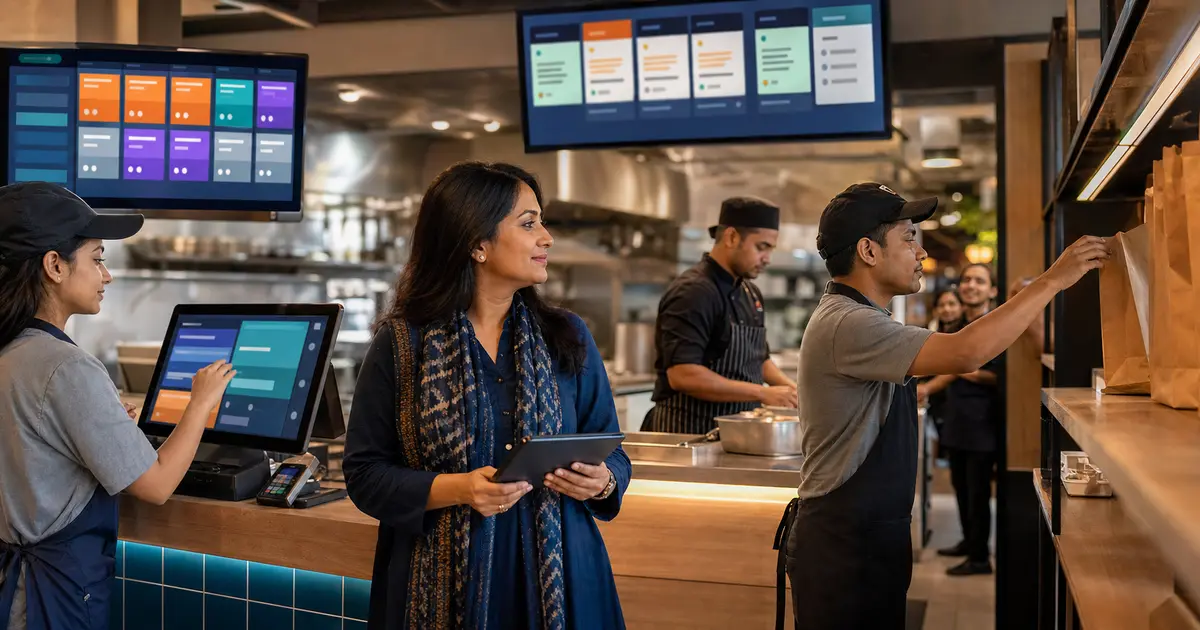
Restaurant automation software removes repeated steps between ordering, kitchen, payment, stock and reports. Learn which workflows deserve automation and where people still matter.
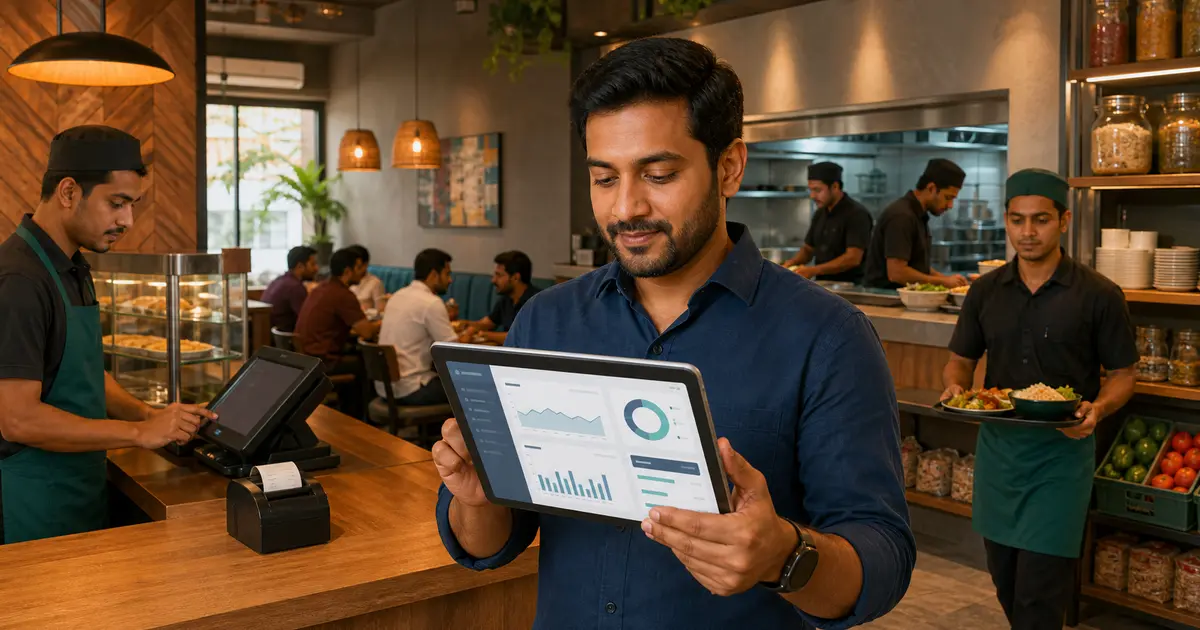
Restaurant software should connect orders, kitchen, stock, staff, payments and reports without making service harder. Use this practical buyer's guide to shortlist, test and price the right system for your restaurant.
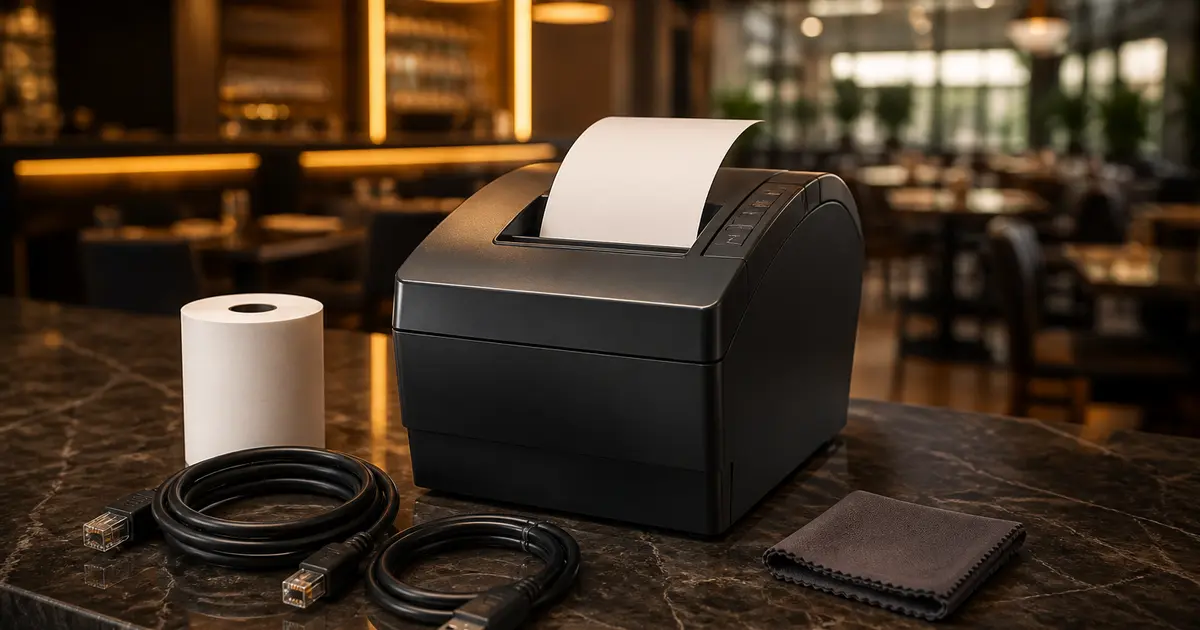
What the Epson premium buys, which model code matters and how to avoid paying for the wrong interface or incomplete box.
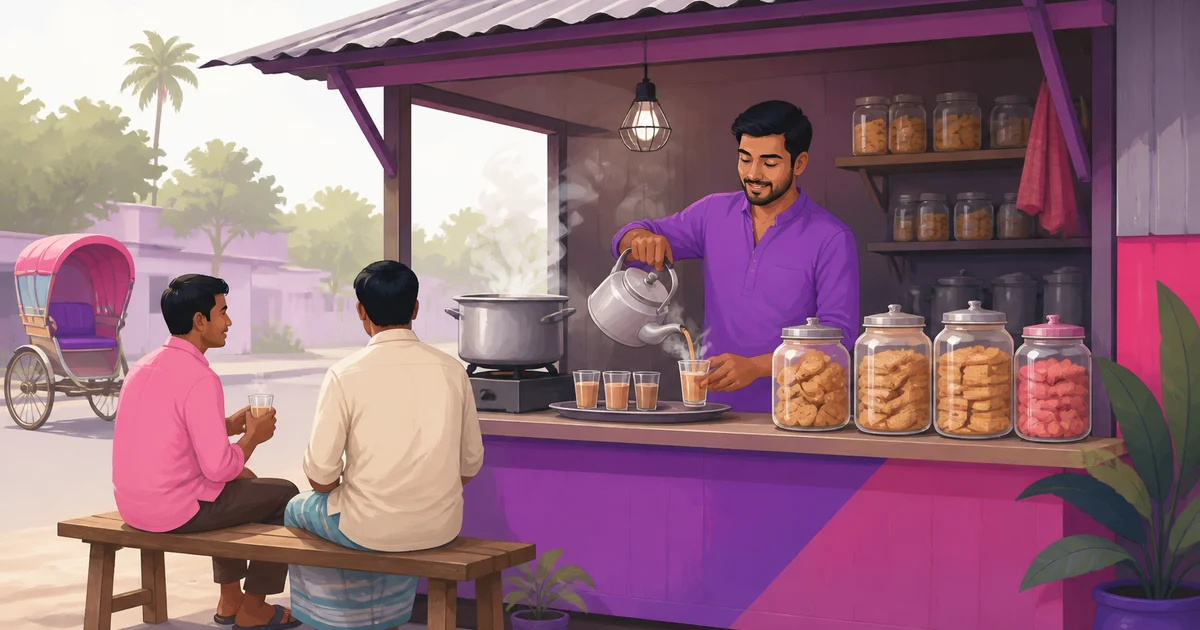
A practical guide to tong construction costs, tea and cigarette margins, daily cash control, permissions and realistic income for a self-run stall.
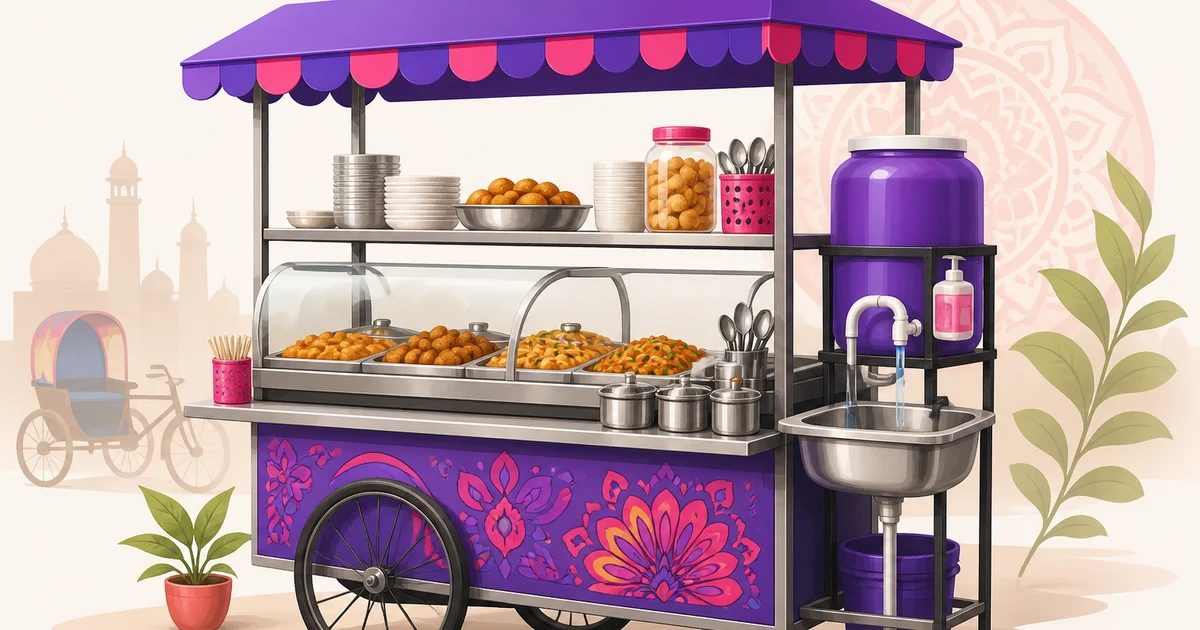
A practical guide to safer street food in Bangladesh, covering water, oil, temperature, ice, handwashing, equipment costs, margins and licences.
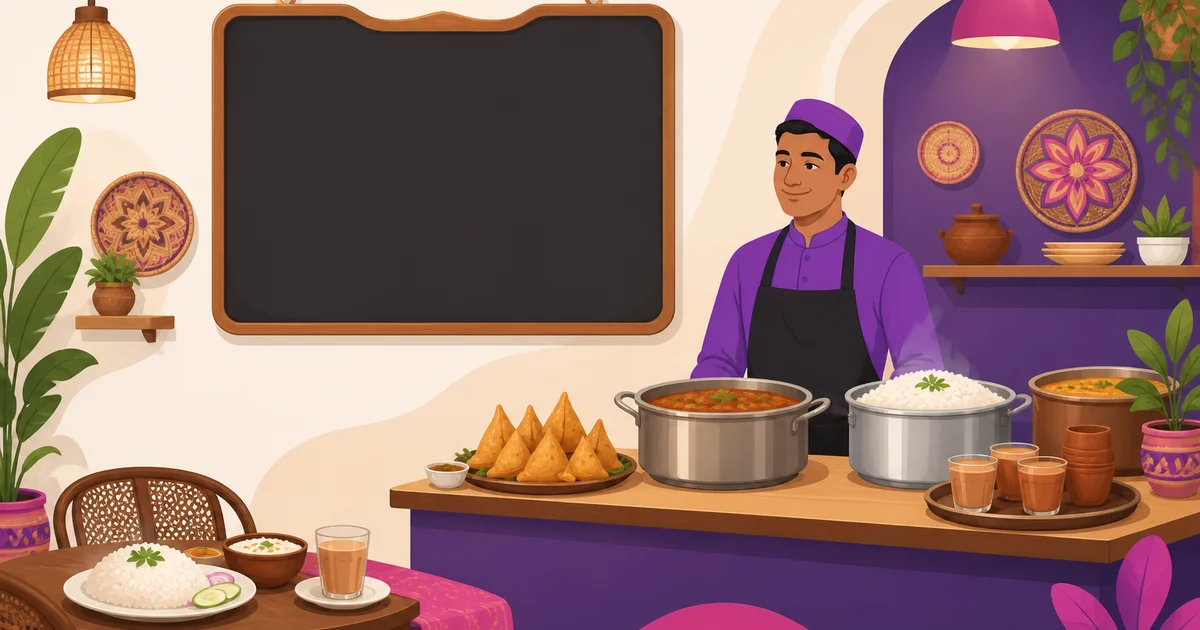
Build a profitable small food menu with shared ingredients, practical startup ranges, repeatable pricing and daily sales arithmetic for Bangladesh.