Restaurant CRM: Turn First-Time Diners into Regulars
A restaurant CRM is simply knowing your customers well enough to bring them back. Here is how customer profiles, order history and segmentation turn first-time diners into regulars, the cheapest growth you can get.
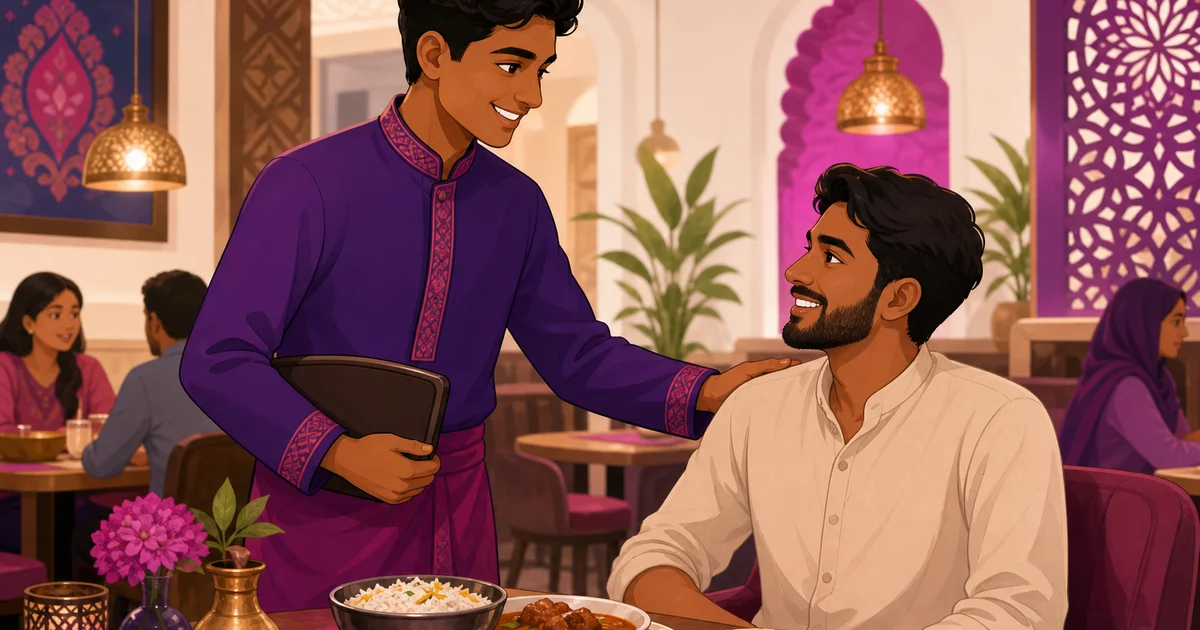
A restaurant CRM is not complicated software. It is the difference between a guest who eats once and is forgotten, and a guest the floor greets by name on their third visit. The best small restaurants in Bangladesh have always done this in their owner's head: who orders the extra-spicy beef, who comes every Friday with family, who has not been seen in a month. A CRM just writes that memory down so it survives a busy night, a new waiter, and the day the business outgrows one person's recall.
This matters because winning a brand-new customer costs far more than keeping one you already have. A regular who visits four times a month is worth many times a stranger who walks in once. This guide explains how a restaurant CRM uses customer profiles, order history and simple segmentation to turn first visits into repeat ones. We use Rosuii's customer directory and loyalty as the running example, described honestly for what they do.
What a restaurant CRM actually does
CRM stands for customer relationship management, which sounds corporate but means something plain for a restaurant: a record of who your customers are and what they order, used to bring them back more often and spend a little more each time. It has three working parts. A directory holds each customer's details. Order history shows what they have bought over time. Segmentation groups them so you can treat a loyal regular differently from someone who tried you once and vanished.
The reason this beats a vague "be friendly to everyone" approach is focus. You have a limited marketing budget and limited attention. A CRM points both at the people most likely to respond, your existing customers, instead of spending it shouting at strangers who may never come.
Customer profiles: the foundation
Everything starts with a profile. The moment a customer gives a phone number at the counter or checks out on your online ordering page, you can begin a record keyed to that number. Over time it fills with the basics that let you treat them as a person: their name, their contact, when they first ordered, and how often they return.
The phone number is the right key in Bangladesh because almost every transaction touches one, whether a customer pays by bKash, books a table, or orders for delivery. Tie the profile to the number and the same person is recognised across dine-in, takeaway and delivery rather than being three strangers in three channels. In Rosuii the customer directory works exactly this way: a phone-keyed list of customers, each with their order history attached, built up automatically as staff ring up orders and pick the customer at the POS.
Order history: knowing what they love
A profile becomes useful when it carries history. Order history is the running list of what each customer has bought, and it quietly answers questions that guesswork cannot. How often does this person come? What do they almost always order? When did they last visit? A glance at a regular's history before they sit down lets a waiter say "the usual?" and mean it, which is the kind of small touch that turns a good meal into a reason to come back.
History also flags the customers worth your attention in both directions. The guest who used to come weekly and has gone quiet for six weeks is a clear, winnable target for a friendly nudge. The guest who has quietly become one of your top spenders deserves to be looked after before a competitor notices them. None of this needs clever analytics; it needs the history to exist in one place, which is exactly what a CRM gives you.
Segmentation: treat different customers differently
Once profiles carry history, you can group customers into a few simple segments and act on each. You do not need dozens of categories. A handful covers almost every restaurant:
- New customers who have ordered once. The goal is a strong second visit before they forget you.
- Regulars who come often. The goal is to protect the relationship and reward it so they never drift.
- Lapsed customers who used to come and stopped. The goal is one good reason to return.
- High spenders whose average bill is well above the rest. The goal is recognition and care.
The point of segmentation is that the same effort lands differently on each group. A small thank-you means most to a loyal regular. A first-visit follow-up matters most to a newcomer. A win-back gesture is wasted on someone who already comes every week. Sorting customers even this roughly turns a flat list into a plan.
Loyalty: the engine that brings them back
Profiles and history tell you who to look after; a loyalty programme gives them a reason to keep coming. The mechanic is familiar to every customer in Bangladesh: earn points on what you spend, redeem them for a discount later. Done well it nudges the next visit without eroding your margin, because you control how fast points are earned and capped.
Rosuii includes a loyalty programme tied to the same phone-keyed customer, with earn and redeem rates you set and a maximum-discount cap so a redemption can never run away with an order. Because loyalty is calculated by the POS in the same controlled pricing sequence as discounts and coupons, the reward is always applied correctly and never guessed at the counter. For how to design rates that grow visits without giving away profit, see our guide to building a restaurant loyalty program.
Getting your customers into the system
A common worry is starting from scratch. Most restaurants already have a list somewhere, in a phone, a notebook, or an old spreadsheet of delivery numbers. A good CRM lets you bring that in rather than retype it. Rosuii's customer directory supports CSV import and export, so you can load an existing customer list in one go and pull your data out whenever you want. From there, every order placed at the POS or online keeps each profile current on its own, with no extra data entry from your staff.
How the pieces fit together
Each part of a restaurant CRM does a distinct job, and together they form a loop that compounds over time.
| CRM piece | What it holds | How it drives repeat visits |
|---|---|---|
| Customer profile | Name, phone, first and recent visit | Recognition across dine-in, takeaway and delivery |
| Order history | What each customer buys over time | "The usual?", favourites, who to win back |
| Segmentation | New, regular, lapsed, high-spend groups | The right gesture to the right person |
| Loyalty | Points earned and redeemed | A built-in reason to return and spend |
| CSV import / export | Your existing customer list | Start with the customers you already have |
One honest note on reach: Rosuii's notifications are in-app, so the platform is your record and reward engine rather than a mass email or SMS sender. Many restaurants in Bangladesh act on these segments through the channels they already use, a personal call to a lapsed regular, a WhatsApp message to a top spender, while the CRM tells them exactly who to contact and why.
Why this is the cheapest growth you have
A restaurant CRM does not bring strangers through the door; your food and your reputation do that. What it does is make sure the people who already liked you come back more often, which is the most profitable growth a restaurant can get. You already paid to acquire them once. Knowing them well enough to earn a second, fifth and twentieth visit is almost free by comparison. Explore the customer and loyalty tools on our features page.
Want to know your regulars by name and bring them back more often? Create your free Rosuii account and let every order build your customer directory automatically.
Updated:
Frequently asked questions
What is a restaurant CRM?
How does a CRM help a restaurant get repeat customers?
Can I import my existing customer list into Rosuii?
Does a restaurant CRM send marketing emails or SMS?
What is the best way to identify a customer in Bangladesh?
Run your restaurant on Rosuii
POS, menu, inventory, payroll and more — built for Bangladeshi restaurants.
Start free