Restaurant Loyalty Program: How to Keep Customers Coming Back
A restaurant loyalty program turns a one-time visitor into a regular. This guide covers why retention beats acquisition, the main program types, the points math that protects your margin, and how Rosuii loyalty works.
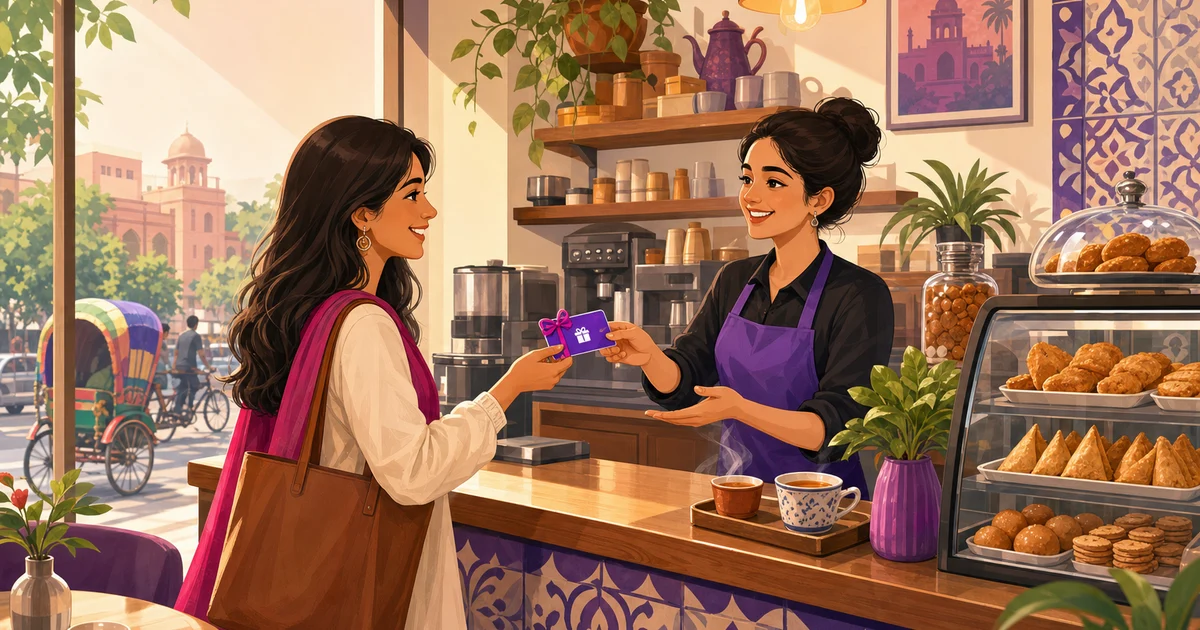
A restaurant loyalty program is a simple deal with your customers: come back often, and we will reward you for it. Done well, it turns a one-time visitor into someone who eats with you every week and brings friends. Done badly, it gives away discounts to people who would have paid full price anyway. The gap between those two outcomes is mostly about the numbers behind the program, and getting those numbers right is the whole point of this guide.
For a restaurant in Bangladesh fighting for repeat custom on the same street as five others, a good loyalty program is one of the cheapest growth tools you have. Let us walk through why retention matters more than chasing new faces, the main types of programs, the points math that keeps you profitable, and how the loyalty tools inside Rosuii actually work.
Why retention beats acquisition
Pulling in a brand-new customer is expensive. You pay for it with foodpanda commission, boosted social posts, flyers, or a launch discount, and after all that they might visit once and vanish. A customer who already knows and likes you costs almost nothing to bring back. They trust the food, they know the menu, and a small nudge is enough to choose you again over the place next door.
The math is plain. If a regular spends ৳400 per visit and comes four times a month, that is ৳1,600 a month, or close to ৳19,000 a year from one person. Convince twenty casual customers to become regulars and you have added a serious, predictable line of revenue without spending a taka on advertising. Regulars also tend to spend a little more per visit, try new items, and tell their friends. A loyalty program is the structure that quietly pushes a casual diner along that path.
None of this means you stop attracting new customers. It means you stop letting the ones you already won slip away. Most restaurants pour effort into the top of the funnel and ignore the leak at the bottom. A loyalty program patches the leak.
Types of restaurant loyalty programs
There are a few well-worn models, and the best one for you depends on your menu, your average bill, and how much you want to manage.
Points-based
Customers earn points on what they spend and redeem those points for money off a future bill. This is the most flexible model and the easiest for customers to understand: spend more, earn more, save more. It suits almost any restaurant, from a tea stall to a full-service kitchen, because it scales with the size of the bill.
Stamp or visit-based
The classic "buy ten, get one free" card. Every visit earns a stamp, and a full card unlocks a reward. It is simple and works well for cafes, where the item and price are roughly the same each time. The weakness is that it rewards frequency without caring how much someone spends, so a customer buying one cup of tea earns the same as one buying a full meal.
Tiered
Customers move up levels as they spend more, with better perks at each tier. This creates a sense of status and pushes higher spenders to keep climbing. It is more work to run and makes most sense for restaurants with a strong base of frequent, higher-spending guests.
Coupons and targeted offers
Not a full program on its own, but a close partner to one. A coupon is a one-off or limited offer, like 15 percent off this week, or ৳100 off orders over ৳800. Coupons are perfect for filling slow days, winning back a customer who has not visited in a while, or launching a new dish. Run them alongside a points program and you cover both steady rewards and short bursts of promotion.
The simple points math
This is the part that decides whether your program makes money or quietly bleeds it. Two settings control everything: how fast customers earn points, and how much each point is worth when redeemed.
Say you give 1 point for every ৳10 spent, and each point is worth ৳1 off a future order. A ৳500 bill earns 50 points, which is ৳50 of future value. That is a 10 percent reward rate, which is generous. Many restaurants set it tighter, so the reward sits somewhere between 3 and 6 percent of spend. The trick is to make the reward feel worthwhile to the customer while staying comfortably inside your margin.
Work backwards from your food cost. If your gross margin on a typical order is around 65 percent, a 5 percent loyalty reward still leaves you well ahead, and the repeat visits more than pay for it. If you want help sizing this against your actual numbers, our guide to food cost percentage shows how to find your real margin first.
One more guardrail matters: a cap on how much a customer can knock off any single bill with points. Without a cap, someone could save up a large balance and wipe out most of a big order, which hurts on the day it happens. A maximum-discount limit keeps every redemption predictable.
It also helps to think about the customer's side of the math, not only yours. A reward only changes behaviour if it feels reachable. If a diner has to spend ৳10,000 before they see a single taka back, the program is invisible and does nothing. Set the earn and redeem rates so a regular sees a small, real benefit within a handful of visits. That early payoff is what trains the habit of coming back, and the habit is worth far more to you than the few taka the reward costs.
How Rosuii loyalty works
Rosuii builds loyalty straight into the point of sale, tied to the customer's phone number, so there are no cards to lose and nothing extra for your cashier to manage. You control three settings.
- Earn rate. You decide how many points a customer earns per taka spent. Every qualifying order adds points to their account automatically at the till.
- Redeem rate. You set what each point is worth when the customer chooses to spend points against a bill. The discount is applied in the order's pricing automatically.
- Maximum-discount cap. You set the most that loyalty points can take off a single order, so no redemption ever blows past what you are comfortable giving away.
Because pricing in Rosuii is calculated on the server in a fixed order, discount first, then coupon, then loyalty, then service charge, then VAT, a cashier cannot accidentally over-reward a customer or stack things in a way that breaks your numbers. The customer's points balance and full order history live in their profile, so you can see who your real regulars are.
Alongside points, Rosuii gives you coupons: fixed-amount or percentage offers with usage limits and expiry dates. Use a coupon to bring back a customer who has gone quiet, push a slow Tuesday, or celebrate an anniversary, while the points program ticks along in the background rewarding every visit.
The customer directory pairs naturally with these tools. When you know who orders what and how often, you can target offers instead of spraying discounts at everyone. Our guide to restaurant CRM covers how that customer data turns into smarter marketing, and you can see the full loyalty and customer toolkit on the features page.
Launching your program well
Keep the rules simple enough to explain in one sentence at the counter. Train your cashiers to ask for a phone number on every order, because the program is worthless if customers are never enrolled. Start with modest earn and redeem rates, watch how redemptions land against your margin for a month, and adjust. Promote the program on your receipts, your storefront, and a small sign at the till so customers know it exists.
Above all, treat loyalty as a relationship, not a discount machine. The reward is the hook, but what keeps people coming back is being recognised, remembered, and made to feel like a regular. The software handles the points; you handle the welcome.
Ready to reward your regulars and turn one-time guests into repeat customers? Create your free Rosuii account and set up loyalty, coupons and your customer directory in one place.
Last updated:
Frequently asked questions
What is a restaurant loyalty program?
How do loyalty points work in Rosuii?
What earn rate should I set for my restaurant?
What is the difference between loyalty points and coupons?
Do customers need a physical loyalty card?
Run your restaurant on Rosuii
POS, menu, inventory, payroll and more — built for Bangladeshi restaurants.
Start free