Menu Engineering: Design a Menu That Sells
Menu engineering is the art of designing a menu that quietly steers customers toward your most profitable dishes. Learn the four-box matrix, pricing psychology, layout, and how to use your sales data.
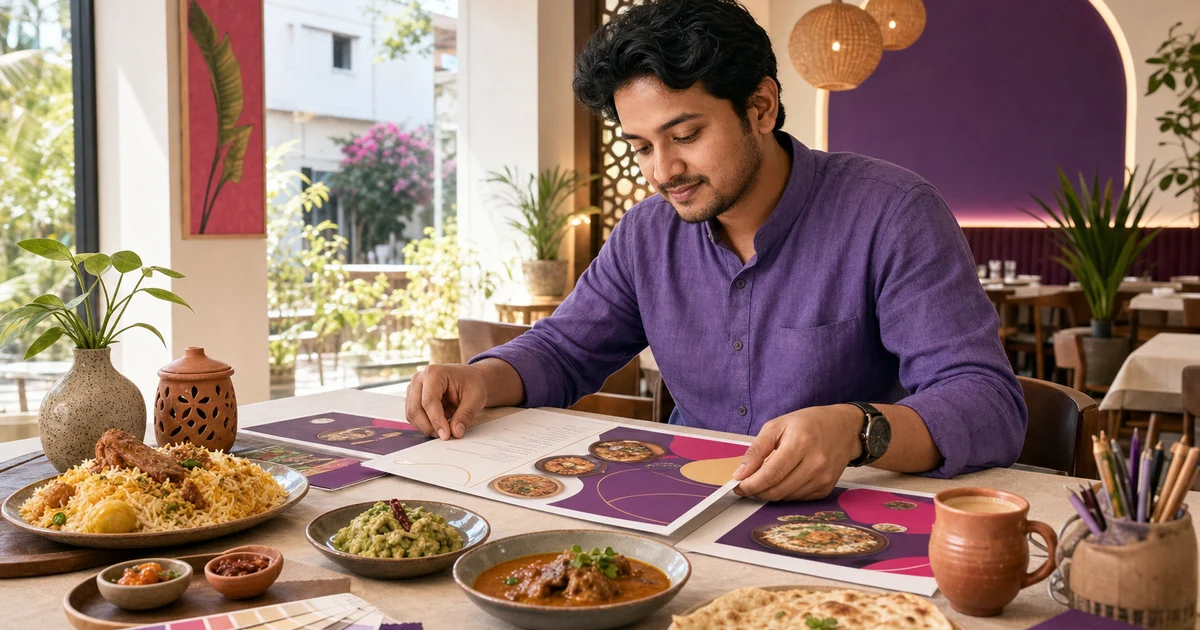
Menu engineering is one of the highest-return jobs in a restaurant, and most owners never do it. Your menu is not just a list of food; it is your most important sales tool, read by every single customer before they spend a taka. Design it well and you nudge people toward the dishes that make you money. Leave it to chance and you let your most expensive, least profitable items sit front and centre. This guide explains menu engineering plainly, with the famous four-box matrix, the pricing tricks that work, smart layout, and how to use your own sales data to drive it.
The idea is simple. Every dish on your menu has two qualities that matter: how often it sells (popularity) and how much profit it brings per plate (margin). Menu engineering means looking at every item through both lenses, then arranging, pricing and promoting the menu so the best combinations win. You need real numbers for this, which is where your sales reports come in.
The menu engineering matrix
The classic tool sorts every dish into one of four boxes, based on whether its popularity and its profit margin are high or low. Each box gets a name and a plan of action.
| Category | Popularity | Profit margin | What to do |
|---|---|---|---|
| Stars | High | High | Protect and promote. Keep quality high, feature prominently. |
| Plowhorses | High | Low | Popular but thin. Raise price gently or cut portion cost. |
| Puzzles | Low | High | Profitable but ignored. Reposition, rename, or recommend. |
| Dogs | Low | Low | Neither sells nor earns. Fix or remove. |
Stars
These are your heroes: popular and profitable. A well-loved biryani or a signature platter that everyone orders and that carries a healthy margin. Your job is to protect them. Keep the quality consistent, give them prime spots on the menu, and never quietly let the portion shrink or the recipe slip. Stars are also worth photographing and featuring, because more orders of a high-margin dish is the cleanest growth there is.
Plowhorses
Popular but low margin. Customers love them, but each plate barely makes money, often because the ingredients are expensive or the price is too low. You cannot just drop them, because they bring people in. Instead, lift the margin: a small price rise that customers will accept, a slightly tighter portion, a cheaper garnish, or a profitable side or drink paired alongside. Moving a plowhorse even a few points improves your whole food cost, which ties into our food cost percentage guide.
Puzzles
High margin but low sales. These are the dishes you wish more people ordered, because they make good money, but they sit unnoticed. The fix is positioning, not price. Move them to a stronger spot on the menu, give them a more appealing name and description, add a photo, or have staff recommend them. A puzzle that becomes popular turns into a star.
Dogs
Low popularity and low margin. They neither sell nor earn, yet they clutter the menu, complicate the kitchen, and tie up stock that can spoil. Be honest about your dogs. Either reinvent the dish into something with a real reason to exist, or remove it and free the kitchen to do the rest better. A shorter, sharper menu often outsells a long one.
Pricing psychology that works
How you present a price changes how customers feel about it. A few well-tested techniques:
- Drop the currency symbol clutter. Menus that write "320" instead of "৳320.00" tend to feel less like a transaction. Keep prices clean and unobtrusive.
- Avoid a price column. When every price lines up in a neat right-hand column, customers scan it and order the cheapest. Place the price right after the description instead, so they choose by appeal first.
- Use an anchor. One premium dish priced high makes everything else look reasonable. People rarely buy the most expensive item, but its presence lifts what they will pay for the next one down.
- Charm pricing, used carefully. Prices ending in 9 or 5 (৳295, ৳499) can read as better value, though for upmarket places round numbers feel more confident. Match the trick to your positioning.
- Bundle and combo. A meal combo at a small saving raises the average order while still improving your margin, because you control the mix inside it.
None of these are about tricking customers. They are about presenting fair prices in a way that lets your best dishes shine instead of pushing everyone to the cheapest line.
Menu layout and design
Where a dish sits on the page changes how often it sells. Eyes do not read a menu top to bottom; they jump around, and certain spots get far more attention. Put your stars and puzzles in those high-attention zones, near the top of a section and at natural eye-rest points.
- Use boxes and highlights sparingly. A boxed or highlighted dish draws the eye. Reserve that for items you most want to sell, not for everything, or the effect disappears.
- Keep sections short. Long lists overwhelm and push people to a safe, cheap default. Tighter categories help customers decide and steer them toward your chosen dishes.
- Lead with appeal, not category logic. Order items within a section to put your profitable heroes first, not strictly by price or alphabet.
- Photos sell, but choose carefully. A good photo lifts orders of the dish beside it. Use them for stars and puzzles, not plowhorses you would rather sell less of.
This applies to your printed menu and your online ordering page alike. On a digital menu, the items you place first and feature get the clicks, so the same logic carries straight over.
Use your sales data to drive it
Menu engineering falls apart without real numbers. You cannot guess which dishes are stars or dogs; you have to measure popularity and margin for each one. Popularity comes from your sales report, and margin comes from costing each dish against its ingredients.
This is where Rosuii's item-sales report does the heavy lifting. It shows exactly how many of each item sold over any date range and how much revenue each brought in, so you can see your true best and worst sellers instead of relying on a feeling. Combine that with the ingredient cost of each dish, which you can keep current through your inventory and purchase records, and you have both axes of the matrix. Run it every month or two and your menu keeps improving instead of going stale.
How Rosuii supports menu engineering
Rosuii gives you the menu tools and the data in one place. You manage items with prices, variations, add-ons, combos, categories, photos and bilingual names, so you can restructure the menu, reprice a plowhorse, rename a puzzle, or retire a dog whenever the numbers say so. The same changes flow to your POS and your online ordering storefront at once, so your dine-in menu and your digital menu stay in step.
On the data side, the item-sales report tells you what is actually selling, which is the popularity axis of your matrix. Pair it with your dish costs and you can engineer the menu on evidence, not guesswork. It all runs in the browser on hardware you already own. See the menu and reporting tools on our features page.
A simple menu engineering routine
You do not need to redesign the menu every week. A light quarterly pass does most of the work. Pull your item-sales report for the last few months, cost your main dishes, and sort each one into stars, plowhorses, puzzles or dogs. Protect the stars, lift the margin on plowhorses, reposition the puzzles, and fix or cut the dogs. Then adjust the layout so your best items sit where eyes land. Do that two to four times a year and your menu becomes a quiet, steady profit machine.
Want your menu and your item-sales report side by side so this takes an afternoon? Create your free Rosuii account and start engineering a menu that sells.
Last updated:
Frequently asked questions
What is menu engineering?
What are stars, plowhorses, puzzles and dogs?
How do I find which dishes are most profitable?
Does menu layout really change sales?
Can Rosuii help with menu engineering?
Run your restaurant on Rosuii
POS, menu, inventory, payroll and more — built for Bangladeshi restaurants.
Start free