Restaurant Billing Software for Internet Problems: How to Keep Selling During Outages
Internet down does not have to stop sales. Learn how offline-ready billing, cached menus, backup devices and staff drills keep orders moving.
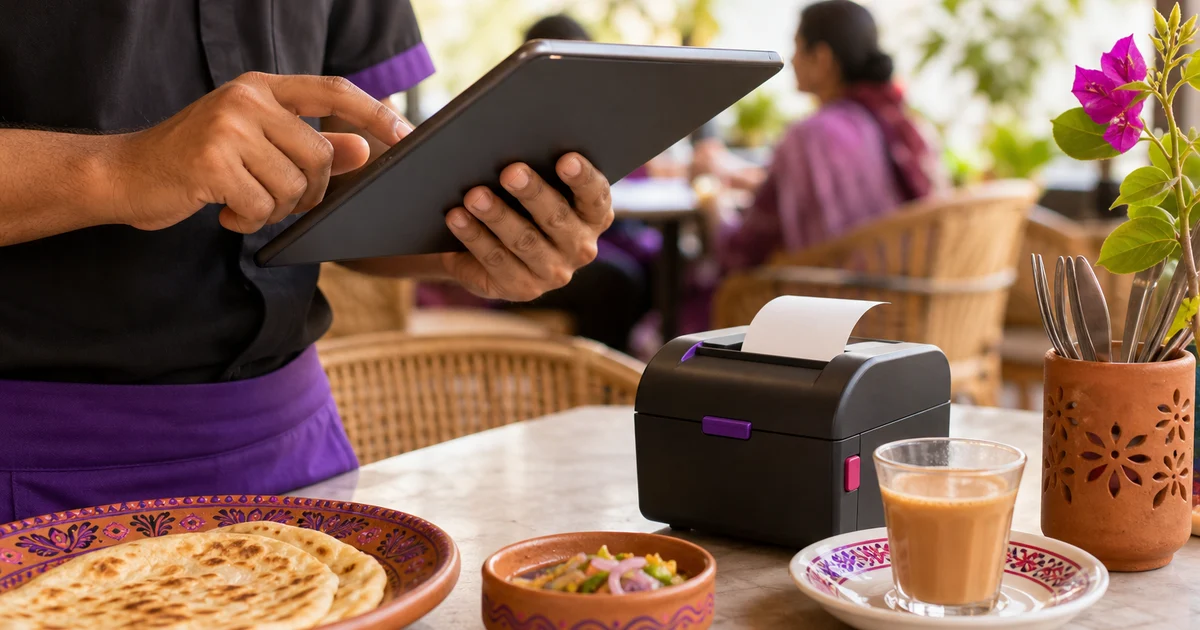
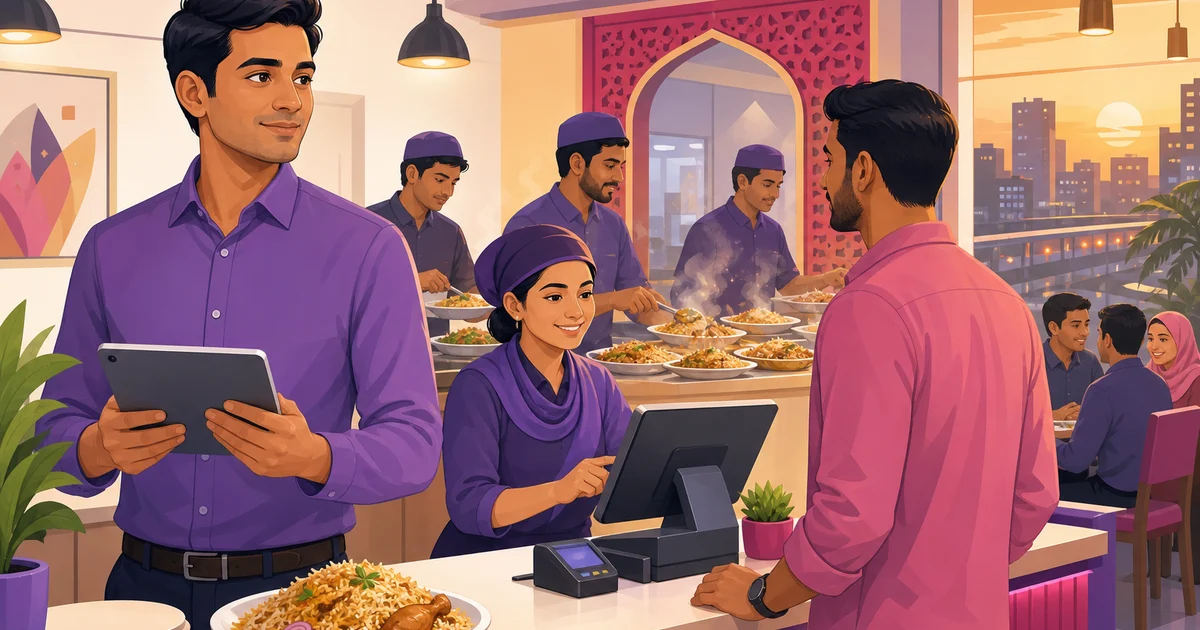
When the internet drops during lunch rush, your restaurant billing software is tested in the worst possible way. The cashier cannot make a bill. Waiters shout orders to the kitchen. Riders wait near the counter. Customers become irritated because a simple payment takes five extra minutes. For restaurants in Bangladesh, this is not a rare problem. ISP hiccups, router issues, load shedding, loose cables and weak mobile data can all hit at exactly the wrong time.
The answer is not to avoid cloud software completely. Cloud systems are useful for multi-branch control, reports, online ordering, backups and remote access. The real question is whether your POS has a practical outage plan. A modern restaurant should be able to keep taking orders on the billing device, queue those orders locally, print or send kitchen instructions when possible, and sync back to the main database when the connection returns.
This guide explains what actually breaks when a cloud billing system goes offline, what to check before buying, and a simple 5-step net gele ki korben drill for your staff. It is written for Bangladeshi restaurant owners who cannot afford to lose sales because one router light turned red.
Why restaurant billing software fails during internet outages
Many cloud POS products depend on a live connection for every action. That is fine on a stable connection, but risky at a busy restaurant counter. If the software must contact the server before adding an item, applying VAT, saving the order or printing a receipt, then even a short outage can stop your operation.
Here is what usually happens when a cloud-only billing setup loses internet:
- Billing stops: The cashier cannot open the POS screen, search menu items, save orders or accept payment entries.
- Kitchen tickets stall: KOTs may not reach the kitchen display or printer, so cooks wait without clear instructions.
- Queues form quickly: Dine-in guests wait for bills, takeaway customers crowd the counter, and delivery riders keep asking for order status.
- Staff make manual notes: Handwritten orders help in the moment, but they create pricing mistakes, missing add-ons and later data entry work.
- Reports become messy: If staff forget to enter offline sales later, your day-close report, stock review and cashier accountability become unreliable.
- Online orders pause: Website orders, QR self-orders and marketplace workflows need a connection to receive and update orders in real time.
The biggest damage is not always technical. It is operational. Customers see confusion. Staff lose confidence. Owners later struggle to match cash, orders and kitchen production. A good outage-ready setup reduces panic because everyone knows what still works and what must wait.
What an outage-proof restaurant billing software setup needs
No system can make the internet unnecessary for every feature. Payment gateway confirmation, real-time KDS updates across devices, online ordering, marketplace orders and live reports need connectivity. But your counter billing should not stop just because the ISP is unstable.
Use this checklist when you compare restaurant billing software for your cafe, biryani house, fast food shop, Chinese restaurant, cloud kitchen or multi-branch brand.
1. Offline order queue on the billing device
The POS should keep working on the device already used for billing. In Rosuii, staff can use a one-tap offline data sync to save menu and customer data on the device. If the internet goes down later, the POS can continue taking and billing orders. Those orders are queued locally and sync automatically to the database when the internet returns. A sync banner also helps staff trigger sync when needed.
This is the most important feature. Without a local queue, your team goes back to paper. With a queue, the cashier can keep serving customers and avoid a pile of unentered sales at closing time.
2. Cached menu and customer data
Offline billing only works if the POS already has the data it needs. Your menu, prices, variations, add-ons, combos, VAT and service charge rules, and customer records should be available on the billing device before the outage. This is why a regular offline sync habit matters.
For example, if your restaurant adds a new burger combo in the morning but nobody syncs the POS tablet, that item may not be available during an afternoon outage. Make offline sync part of the opening checklist, just like checking gas, cash float and printer paper.
3. Browser PWA so any charged device can be a backup terminal
Hardware fails too. A laptop battery dies. A charger goes missing. A counter PC restarts during load shedding. A browser-based PWA gives you flexibility because the POS can run on a phone, tablet or laptop without a locked hardware setup.
Rosuii works as a browser PWA, so a charged Android phone or tablet can become a backup billing terminal if your main device is unavailable. This is especially helpful for small restaurants where the owner or manager already has a smartphone with mobile data.
4. Mobile hotspot fallback
A backup SIM is cheap compared with a lost dinner rush. Keep a mobile hotspot plan ready from a reliable operator in your area. Do not assume one operator works everywhere. Test it inside the restaurant, near the cash counter and kitchen.
Your fallback plan can be simple: if broadband is down for more than two minutes, the cashier switches the POS device to the manager’s hotspot. If the hotspot is also unstable, continue offline billing and sync later. Write the hotspot name and password in a place only managers can access.
5. Cash and COD workflows while gateways are unreachable
When the connection is down, bKash and Nagad online payment confirmation cannot be treated as live. Payment gateways need internet to confirm successful payment. During an outage, train staff to use cash or COD workflows, or wait for gateway confirmation after the connection returns. Do not tell customers a gateway payment is confirmed unless the system or merchant account confirms it.
For online orders and delivery, COD is often the safest fallback. For dine-in, cash billing keeps the counter moving. If a guest insists on digital payment during outage, the manager should handle it carefully and record the status clearly.
What still needs internet, even with offline billing
Honesty matters when choosing software. Offline billing is not the same as saying every feature works fully offline. A reliable vendor should explain the scope clearly.
| Function | During internet outage | After reconnect |
|---|---|---|
| Counter POS billing | Can continue if menu and customer data were synced on the device | Queued orders sync to the database |
| KOT or kitchen display across devices | Real-time updates may not reach other devices without a connection | Kitchen and order records update once synced |
| bKash and Nagad payment confirmation | Needs internet for live confirmation | Payments can be confirmed when gateway access returns |
| Online ordering and QR self-ordering | New online orders need connectivity | Orders resume when the connection returns |
| Marketplace orders | Foodpanda, Pathao, Shohoz Food and similar workflows need internet | Marketplace handling resumes after reconnect |
| Reports and exports | Live reports may be incomplete while orders are queued | Reports update after offline orders sync |
This scope is practical for Bangladesh. Your restaurant can keep selling at the counter during an outage, while features that truly depend on external networks resume after reconnect.
The 5-step “net gele ki korben” outage drill for staff
A feature is useful only if staff know how to use it under pressure. Print this drill and keep it near the billing counter. Practice it once a week during a quiet time.
- Check the basics for 30 seconds: Confirm whether the router has power, the cable is connected and other websites are also down. Do not spend five minutes troubleshooting while customers wait.
- Switch to hotspot: If broadband is not back quickly, the manager turns on the approved mobile hotspot. The cashier connects the POS device and checks whether billing is online again.
- Continue offline billing if needed: If the hotspot is weak, use the POS offline mode on the synced billing device. Take orders, apply correct items and modifiers, and keep payment method records clean.
- Use cash or COD for payments: Do not rely on unconfirmed bKash or Nagad gateway payments while offline. For dine-in and takeaway, prefer cash. For delivery, mark COD where appropriate.
- Sync and verify after internet returns: When the connection comes back, let queued orders sync. Then the cashier or manager checks the order count, cash total, cancelled orders and any manual notes before day-close.
The drill should be written in Bangla for your team if that is easier. The key is speed and consistency. Nobody should ask, “Sir, now what?” during a rush.
How Rosuii helps Bangladeshi restaurants survive outages
Rosuii is built for Bangladesh’s restaurant realities: mixed internet quality, load shedding, cash and COD habits, local VAT and service charge needs, bilingual staff, and busy counters where speed matters. It is a cloud, multi-tenant restaurant management platform where each restaurant gets its own isolated MySQL database and branded subdomain.
For outage handling, Rosuii’s POS can cache menu and customer data on the device through a one-tap offline data sync. If the internet drops, the POS keeps billing, orders queue locally, and they sync to the database when the connection returns. Because the POS runs as a browser PWA, restaurants can use a phone, tablet or laptop instead of being locked to one special machine.
Rosuii also supports dine-in, takeaway and delivery on one POS screen, table and waiter tracking, variations, add-ons, combos, receipt printing, VAT and service charge breakdown, KOT flow, online ordering, QR table self-ordering, inventory, suppliers, expenses, payroll, loyalty, reservations and reports. The important point for this article is simple: your counter does not have to stop selling just because the internet is down.
If you want to compare offline billing in more detail, read Offline POS Billing in Bangladesh. For a wider buying checklist, see How to Choose a Restaurant POS System. You can also review Rosuii’s product modules on the features page.
Opening checklist to reduce outage damage
Most outage problems become worse because nobody prepared before service. Add these tasks to your daily opening routine:
- Sync offline data: Make sure the main billing device has the latest menu and customer data.
- Check device battery: Keep the POS tablet, phone or laptop charged. Keep a power bank if possible.
- Test printer paper and power: A working POS is not enough if the receipt or kitchen printer has no paper.
- Confirm hotspot availability: Ensure the backup SIM has data balance and the manager knows the password.
- Review cash float: Keep enough change for cash billing when digital payment is not available.
- Brief the shift leader: Assign who decides when to switch to hotspot, offline billing and COD-only handling.
This checklist takes less than five minutes. It can save an hour of confusion during a sudden outage.
Questions to ask before buying restaurant billing software
Before you subscribe to any POS, ask the vendor specific questions. General promises like “cloud based” or “works anywhere” are not enough.
- Can the POS create bills when the internet is down?
- Where are offline orders stored before sync?
- Does the device cache menu and customer data?
- What action must staff take before an outage to prepare offline mode?
- Does auto-sync happen when the internet returns?
- How are duplicate orders or failed syncs shown to staff?
- Can the POS run on a phone or tablet as a backup?
- Which payment methods are live in Bangladesh?
- What happens to online ordering, QR orders and marketplace orders during outage?
- Can reports be corrected after offline orders sync?
A good vendor will answer directly. If they avoid the details, be careful. Your business depends on these details at the busiest moments.
Final thought: outage-ready beats outage-perfect
No restaurant can control every ISP issue, power cut or gateway downtime. But you can control your process. The goal is not magic. The goal is to keep billing, keep customers moving, and keep records clean enough that the manager can close the day without guesswork.
Choose restaurant billing software that fits how Bangladeshi restaurants actually operate: offline order queue, cached menu data, auto-sync, PWA backup device support, local payment options, COD handling, VAT and service charge support, and clear reports after reconnect. Then train your staff with a simple drill.
If internet problems are costing you sales, start with a system designed for these moments. Create your Rosuii account and test outage-ready restaurant billing at https://rosuii.com/register.
Last updated:
Frequently asked questions
Can restaurant billing software work without internet?
What should my restaurant do first when the internet goes down?
Will bKash or Nagad payments work during an outage?
Do reports update correctly after offline orders sync?
Can I use a phone as a backup POS terminal?
Run your restaurant on Rosuii
POS, menu, inventory, payroll and more — built for Bangladeshi restaurants.
Start free