What Are Covers in a Restaurant? Meaning and How to Count
Covers in a restaurant means the number of guests you serve, counted per person rather than per table or per bill. This guide explains how to count covers, why owners track them, and how covers connect to table turnover and sales.
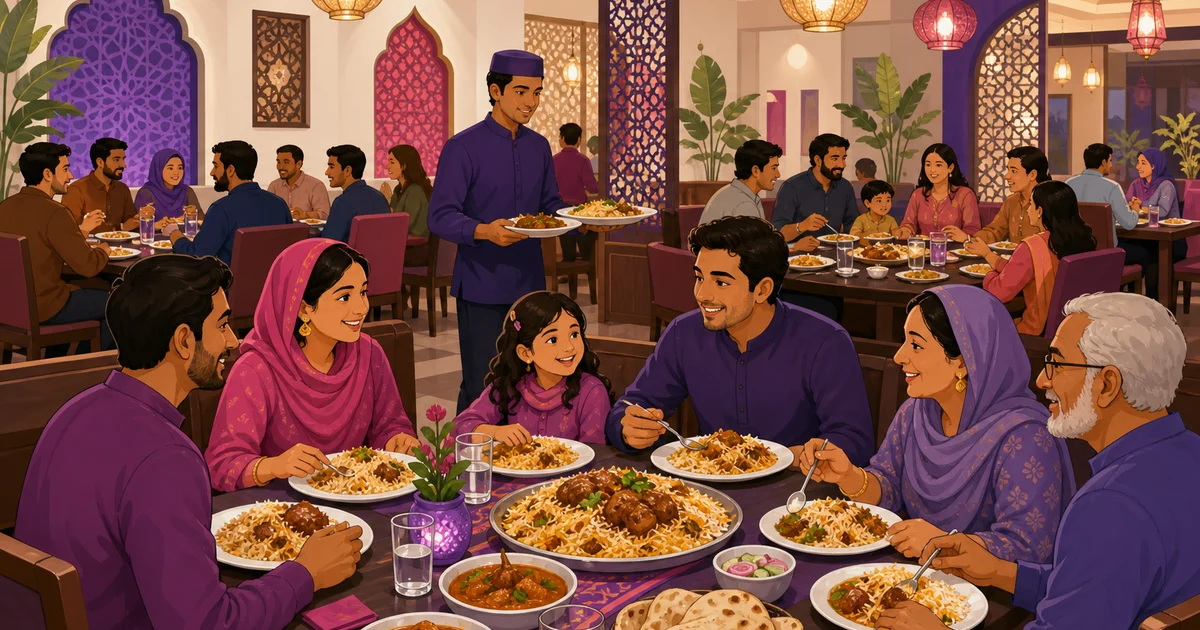
When a manager asks how many covers in a restaurant they did last night, they are asking how many guests were served, counted one by one. A cover is a single guest who eats a meal. Two tables of four are eight covers, even if they paid on two bills and a third table of two is two more, for ten covers total. The word has nothing to do with table covers or plates; it is simply restaurant shorthand for a person served. Counting covers, rather than tables or bills, gives the truest picture of how busy a service really was.
This guide explains exactly what covers are, how to count them, why owners track them, and how covers tie into other numbers like table turnover and sales per cover. We use Rosuii as the running example, where the customer count on each order rolls up into your reports.
What are covers in a restaurant?
Covers in a restaurant are the total number of guests served in a given period, counted per head. The term comes from older fine-dining service, where each place setting at the table (the cover) represented one diner. Today it just means a guest. If 120 people ate at your restaurant on Friday, you did 120 covers, regardless of how many tables they used or how many bills were printed.
The key is that a cover is a person, not a table and not a bill. This matters because tables and bills hide the real number. A table of six is one table but six covers. A group that splits into two bills is still however many people sat down. Counting heads is the only way to know how many guests your kitchen and floor actually handled.
Covers vs tables vs bills
These three are easy to confuse, so here they are side by side.
| Measure | What it counts | Example (a group of 6 on 1 table, 2 bills) |
|---|---|---|
| Covers | Individual guests served | 6 covers |
| Tables | Tables seated | 1 table |
| Bills / orders | Separate cheques rung up | 2 bills |
All three describe the same group, but only covers tell you six people ate. That is why staffing, prep and busyness are measured in covers, not tables or bills.
How to count covers
Counting covers is simple in principle: add up the number of guests across every order in a service. The practical question is how you record the guest count in the first place. A few common ways:
- On the POS at order time. The staff member sets the number of guests (party size) when opening a dine-in order. This is the most reliable, because it captures every party as it is seated.
- From the table board. If your floor plan tracks how many seats each table is using, the guest counts add up across occupied tables.
- By hand. Smaller places use a clicker or a tally sheet at the door. It works but is easy to forget during a rush, and it tells you nothing about which items those guests ordered.
Whatever the method, count the people who actually dined. Do not count a booking that did not show, and for takeaway or delivery, most restaurants count the order rather than guessing how many people will eat it. Covers is really a dine-in measure of guests in your seats.
Why covers matter
Covers is one of the most useful numbers an owner can track, because so many other figures depend on it. Here is what counting guests tells you.
How busy you really are
Two nights might each show 40 bills, but one was 40 couples (80 covers) and the other was 40 solo diners (40 covers). The kitchen worked twice as hard on the first night. Covers reveals that; bill count hides it. Tracking covers by day and by hour shows your true peaks, which helps you roster staff and prep the right amount.
Sales per cover (average spend per guest)
Divide total sales by covers and you get sales per cover, the average a single guest spent. If you took ৳60,000 from 200 covers, that is ৳300 per cover. This is a sharper number than average bill value, because a bill can be one person or six. Watching sales per cover tells you whether guests are ordering drinks and desserts or just a single main, and it is a fair way to judge whether an upsell or a menu change is working. To put it alongside other figures worth watching, read our guide to restaurant KPIs.
Prep and purchasing
If you know last Friday was 150 covers and you served 90 plates of biryani, you have a ratio to plan from. Covers help you forecast how much to prep and buy, so you run out less often and waste less. That connects directly to your food cost percentage and to keeping inventory at the right level.
Covers and table turnover
Covers and table turnover are two halves of the same question: how much business can your seats produce? Table turnover is how many times a table is reseated with new guests during a service. Covers is how many guests those turns added up to.
Say you have 10 tables of 4 seats (40 seats). If every seat is used once in an evening, that is 40 covers. If your tables turn over twice (guests finish and a new party is seated), you can do 80 covers from the same 40 seats. So higher table turnover usually means more covers and more sales from the same room. The two move together, which is why owners track them side by side. For how to measure and improve turns, read table turnover rate.
There is a balance, though. Pushing turnover too hard, by rushing guests out, can hurt the experience and lower sales per cover, since a relaxed table often orders dessert and another round of borhani. The aim is steady turns with guests who still spend well, not a conveyor belt.
A worked example: using covers to plan a week
Numbers are easier to trust with a concrete case, so here is a small restaurant in Dhaka with 12 tables and 48 seats. Over one week the owner records covers per day:
| Day | Covers | Sales (৳) | Sales per cover (৳) |
|---|---|---|---|
| Wednesday | 90 | 27,000 | 300 |
| Thursday | 120 | 39,600 | 330 |
| Friday | 180 | 63,000 | 350 |
| Saturday | 165 | 56,100 | 340 |
A few things jump out that bill counts alone would hide. Friday and Saturday are clearly the heavy nights, so that is where the extra kitchen hand and the bigger biryani prep should go. Sales per cover also climbs on weekends, which usually means weekend guests order more drinks and desserts per head, a hint to keep borhani and sweets well stocked then. And with 48 seats, 180 covers on Friday means the room turned over close to four times, which is busy but not impossible, so the owner knows the seating can take it.
None of this needs fancy maths. It is just covers, sales and seat count read together. The same table over a few weeks shows whether a new dish lifted sales per cover, whether a quiet Wednesday is a pattern worth a promotion, and how much to prep so you neither run out nor throw food away. That is the practical payoff of counting guests properly.
How Rosuii tracks covers
In Rosuii, the guest count starts on the POS. When a waiter opens a dine-in order, they can set the table and the number of guests for that party. Because that count is attached to the order, it travels with everything else: the kitchen ticket, the bill and the reports. You are not running a separate tally at the door.
The visual table board shows each table's status and capacity, so a manager can see at a glance how full the room is. As orders close through the night, the totals build up in your reports, where you can look at sales, item sales and staff performance over a date range. Put covers next to total sales and you have sales per cover; put it next to seat count and you can reason about table turnover. None of it needs re-entry, because every order already carried its guest count and its items.
Because the same orders also feed your day close, the picture stays consistent from the floor to the books. The day close and Z-report summarises the service, and the order data behind it is what lets you reconstruct covers, busiest hours and average spend per guest. For the wider setup these reports sit in, see our restaurant POS system guide.
Want guest counts, sales per cover and busy-hour patterns without a clicker at the door? Create your free Rosuii account and set up your tables, menu and reports.
Last updated:
Frequently asked questions
What does covers mean in a restaurant?
How do you count covers in a restaurant?
What is the difference between covers and table turnover?
What is a good sales per cover figure?
Does Rosuii track covers automatically?
Run your restaurant on Rosuii
POS, menu, inventory, payroll and more — built for Bangladeshi restaurants.
Start free