How to Start a Cloud Kitchen in Bangladesh: A Full Guide
A cloud kitchen sells food for delivery only, with no dining room. This guide walks through how to start a cloud kitchen in Bangladesh: concept, licensing, delivery apps, the tech you need, and how to keep the numbers honest.
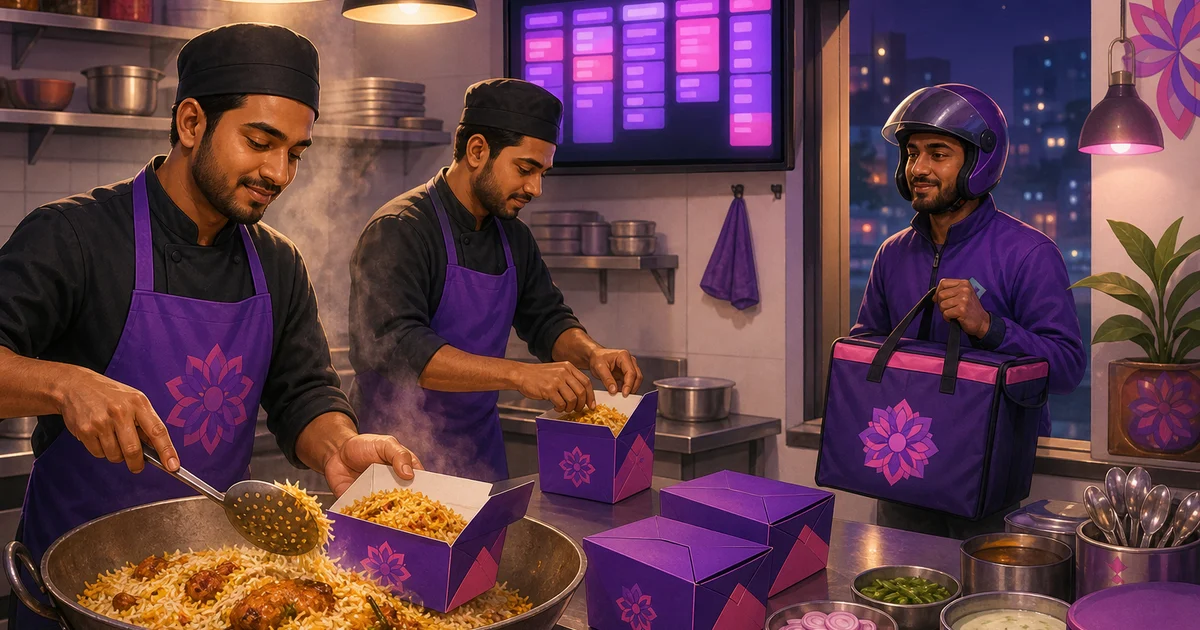
A cloud kitchen sells food for delivery only. There is no dining room, no waiters, no front signage that customers walk into. Orders come from Foodpanda, Pathao, your own page or a phone call, and a rider carries the food out. Because you skip the rent on a customer-facing space and the cost of a dining team, the barrier to entry is lower than a full restaurant. That is why the model has spread fast in Dhaka, Chattogram and Sylhet. This guide explains how to start a cloud kitchen in Bangladesh, step by step, from the idea to the first delivered order.
It is not a get-rich-quick route. Delivery commissions, packaging and a crowded market all eat into the margin. But done with clear numbers and a tight menu, a cloud kitchen is a real way to test a food brand without signing a five-year lease. We use Rosuii as the running example for the software side, since it runs the same orders, menu and reports a dining restaurant would, minus the dine-in floor you do not need.
Step 1: Pick a concept that travels well
The first decision in how to start a cloud kitchen in Bangladesh is what you sell. Delivery is unforgiving on food that does not survive twenty minutes in a box. A crisp dosa or a delicate plating will not arrive the way it left. Biryani, kacchi, rice bowls, burgers, fried chicken, rolls, pasta and curries hold up well. Soft drinks, desserts in sealed cups and packaged sides add value without much extra work.
Pick a concept narrow enough to do well and broad enough to reorder. A kitchen that does three biryanis, two sets and a dessert beats one that lists forty items it cannot all keep fresh. You can run more than one brand from the same kitchen later, but start with one and get it right.
Check demand before you commit
Look at what already sells near your planned location on the delivery apps. If ten kitchens within two kilometres already do kacchi, you are walking into a price fight. A gap, like good Thai or a clean diet-meal brand, is worth more than copying the busiest seller. Order from your future competitors and judge their food, packaging and delivery time honestly.
Step 2: Sort the licensing and registration
A cloud kitchen is still a food business, so the paperwork is real even without a dining room. At minimum you need a trade license from your City Corporation or Union Parishad, registered to the kitchen address. Many owners also register for a TIN and, depending on turnover, look at VAT registration with the NBR. If you handle and cook food, food-safety rules under BFSA apply, and the delivery marketplaces will ask for documents before they list you.
The trade license is the one that trips people up most, so read our full walkthrough on getting a restaurant trade license in Bangladesh before you spend on a kitchen fit-out. Sort the license first; it is far cheaper to get it right at the start than to fix it after you have stock and staff.
Step 3: Find and fit out the kitchen
Your kitchen does not need a high street. A side road, a ground-floor unit or even a converted home kitchen with the right approvals can work, because customers never see it. What matters is access for riders, water, power, ventilation and enough bench space to plate and pack at speed. Pick a spot inside the delivery range of the neighbourhoods you want to reach; riders and apps both cap how far an order will travel.
Keep the fit-out lean. You need cooking equipment for your menu, cold storage, a packing station, and a small area for the day's stock. Spend on the things that touch the food and the things that break under heat. Do not spend on a fancy frontage nobody visits.
Step 4: Get onto the delivery apps and your own channel
For most cloud kitchens in Bangladesh, Foodpanda and Pathao are where the orders are. Listing on them gives you reach you could not buy on day one, but they charge a commission on each order, often a large slice. Treat the apps as paid reach, not free money, and price with the commission already built in.
Set up your menu on each app carefully: clear photos, accurate prices, honest prep times. Then add your own ordering channel so not every order pays a commission. A branded online ordering page lets repeat customers order direct, and you keep the full ticket. To weigh the trade-off, read online ordering system vs marketplace, and for the practical setup see how to integrate Foodpanda and Pathao with your restaurant.
Why your own page matters from day one
The apps own the customer. They control the listing, the promotions and the data. Your own page, even if it starts small, builds a customer list you actually keep. Push regulars to it with a card in the box or a small direct-order discount, and over months the commission you save adds up. More on this in commission-free online ordering.
Step 5: Set up the tech stack
A cloud kitchen lives and dies on how cleanly orders flow from many sources into one kitchen. You do not need a big terminal or a dining-floor POS, but you do need software that takes orders from your own page and the marketplaces, turns them into kitchen tickets, and tells you what sold. Here is the core stack for a Bangladesh cloud kitchen:
| Layer | What it does | Why it matters for delivery |
|---|---|---|
| Online ordering page | Takes direct orders, online payment or COD | Commission-free orders you keep |
| Order management | One list for app and direct orders | The line works one queue, not three |
| Kitchen display | Shows tickets with items and notes, ages them by time | Nothing gets lost in a rush |
| Menu and modifiers | Items, sizes, add-ons, prep time, station | Same menu across every channel |
| Reports | Sales, item sales, profit and loss | You see which dishes actually earn |
Rosuii covers this without a dining-room setup. Orders from your branded page land alongside marketplace orders, each becomes a ticket on the kitchen display system with items, add-ons and notes, and the same items feed your sales and profit-and-loss reports. One note that matters in Bangladesh: Rosuii runs in the browser and needs a working internet connection to take and send orders, so put a reliable line and a small backup connection on your setup list. For the wider picture of what a delivery-only kitchen needs from software, see our guide to cloud kitchen management software.
Step 6: Price for delivery, not for dine-in
This is where new cloud kitchens lose money quietly. A delivered order carries costs a dine-in plate never does: app commission, packaging, and sometimes a delivery subsidy you offer to compete. If you price the food as if a customer were sitting in front of you, the commission and box can wipe out the margin.
Work it the other way. Start from your food cost percentage, add packaging per order, then add the marketplace commission, then your target margin. The menu price has to cover all of it. Many kitchens set a slightly higher price on the apps than on their own page, which is fair, because the app is doing the selling. Build the numbers in a real plan; our guide to restaurant running costs in Bangladesh lists the line items to include.
Watch packaging and waste
Packaging is a real cost and a real source of complaints if food arrives cold or leaking. Get it right once, then track it. Prep for delivery volume, not hope, so you are not throwing out unsold stock at close. Tight stock control matters more for a cloud kitchen because you cannot sell yesterday's prep to a walk-in, so build the habit of reducing food wastage from the first week.
Step 7: Launch small, then read the numbers
Open with a short menu, a small delivery radius and a soft launch to friends and a few app customers. Watch three things in the first weeks: which items reorder, how long tickets take in the kitchen, and what your real margin is after commission and packaging. The reports tell you what to cut, what to push and where the line slows down.
A cloud kitchen is easier to adjust than a restaurant. You can drop a dish, add a brand or change a price without touching the dining room you do not have. Use that flexibility. The kitchens that last are the ones that read their own numbers every week and act on them, not the ones with the longest menu.
Ready to run your delivery orders, menu and kitchen tickets in one place? Create your free Rosuii account and set up your cloud kitchen today.
Updated:
Frequently asked questions
How much does it cost to start a cloud kitchen in Bangladesh?
Do I need a trade license for a cloud kitchen?
Which delivery apps should a cloud kitchen use in Bangladesh?
What software does a cloud kitchen need?
Is a cloud kitchen profitable in Bangladesh?
Run your restaurant on Rosuii
POS, menu, inventory, payroll and more — built for Bangladeshi restaurants.
Start free