12 Restaurant Business Ideas in Bangladesh: Choose a Model
Compare restaurant concepts by menu, customers, equipment and daily work. Use labeled budget assumptions and build a plan before signing a lease.
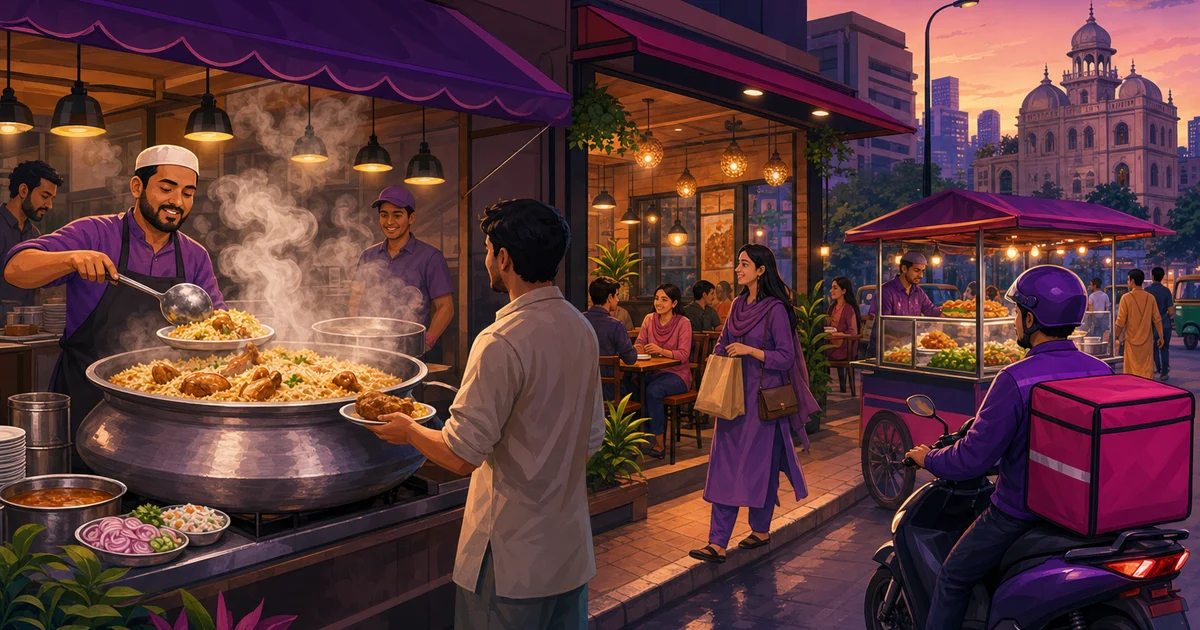
Start with the customer and the meal occasion, then choose the restaurant format. A lunch-focused bhaat hotel, an evening tea counter and a delivery kitchen need different menus, locations and staffing. The twelve ideas below are options to investigate, not a ranking or a promise of returns. Use the decision table to narrow the list before building a budget.
Read the numbers as planning assumptions
Any budget ranges retained below are illustrative planning allowances, not September 2026 supplier quotes, a national market survey or guaranteed profit. Location, lease terms, equipment condition and menu change the result. Replace each allowance with a dated written quote before committing. A cash reserve is a chosen planning scenario, not a legal minimum. Software billing does not determine your legal tax or licence obligations.
Choose the operation before the décor
| Model | Check demand | Main operating question |
|---|---|---|
| Lunch meals | Nearby offices, workers and residents | Can portions and service stay consistent? |
| Tea and snacks | Footfall at the planned opening hours | Can fresh batches match the rush? |
| Delivery kitchen | Delivery reach and order-channel terms | Does the packing and dispatch cost fit? |
| Family dining | Evening/weekend demand and access | Can staff and kitchen handle a mixed table? |
How to read these restaurant business ideas in Bangladesh
Three things decide whether a food concept survives its first year: how much cash you sink before you open, the gross margin on each plate, and how cleanly you can run daily operations. A high-margin idea still fails if orders get lost between the counter and the kitchen. So for every idea here you get the budget, the margin reality, and the software each concept leans on once it gets busy.
1. Cloud kitchen (delivery only)
No dining room, no waiters, no street-facing rent. You cook from a low-cost kitchen and sell entirely through foodpanda, Pathao and your own online ordering page. This is the lowest-barrier way into food in Bangladesh right now.
- Rough startup: ৳2,00,000 to ৳6,00,000 for a small kitchen, basic equipment, branding and initial stock.
- Margins: Food cost can stay 30 to 35 percent because you skip front-of-house wages and prime-location rent. The catch is marketplace commission, often 25 to 30 percent, which eats your delivery profit. A commission-free online ordering channel of your own protects the margin.
- Systems it needs: A POS that takes dine-in-free orders, kitchen routing so tickets reach the line fast, and one screen that pulls foodpanda and Pathao orders together instead of three tablets buzzing at once.
2. Cafe and coffee shop
Cafes are crowded in Dhaka, Chattogram and Sylhet, but a strong one with good coffee, a calm room and reliable wifi still fills tables. The recurring customer who comes three times a week is the whole game.
- Rough startup: ৳8,00,000 to ৳25,00,000 depending on fit-out, an espresso machine and seating.
- Margins: Coffee and beverages carry very healthy margins, often 65 to 75 percent gross, which subsidises lower-margin food. Rent and ambience are your biggest swing.
- Systems it needs: Fast counter billing, a loyalty programme to turn first visits into regulars, and table management once you add a proper seating area.
3. Fast food and burger joint
Burgers, fried chicken, wraps and shawarma move fast and sell to a young crowd that orders both in person and on apps. Speed and consistency matter more than menu size.
- Rough startup: ৳6,00,000 to ৳20,00,000 for a small to mid outlet.
- Margins: 55 to 65 percent gross on most items, though promotions and combo discounting can quietly shrink that. Watch your food cost percentage closely.
- Systems it needs: Quick POS with combos and add-ons, a kitchen display so the fryer and grill stations see orders the moment they land, and clean takeaway receipts.
4. Biryani and Bengali cuisine house
Kacchi, tehari, beef khichuri and a full Bengali thali never go out of fashion here. A reputation for one signature dish can carry a whole restaurant.
- Rough startup: ৳10,00,000 to ৳40,00,000 for a sit-down outlet; far less if you start delivery-only.
- Margins: Meat-heavy menus run a higher food cost, often 38 to 45 percent, so portion control and waste tracking decide your profit. Rice and spice are cheap; the protein is where money leaks.
- Systems it needs: Inventory with min-stock alerts so you never run out of beef mid-service, wastage tracking, and a POS that handles dine-in, large takeaway and bulk family-pack orders.
5. Rooftop restaurant
Rooftop dining sells the view and the evening breeze as much as the food. In Dhaka and Chattogram these draw groups, dates and weekend crowds willing to spend more per head.
- Rough startup: ৳20,00,000 to ৳60,00,000, heavy on ambience, lighting, weather cover and seating.
- Margins: Higher average bill sizes help, but slow midweek nights and weather risk hurt. You make most of your money Thursday to Saturday.
- Systems it needs: Table and floor management for a larger seating plan, waiter assignment, reservations, and reporting that shows you which nights and tables actually pay.
6. Food truck or food cart
A mobile kitchen lets you chase the crowd instead of waiting for it. Lower rent risk, but you trade it for permits, parking and limited menu space.
- Rough startup: ৳3,00,000 to ৳12,00,000 for the vehicle or cart, equipment and branding.
- Margins: Can be strong, 50 to 60 percent, because overhead stays low, but daily volume is capped by space and hours.
- Systems it needs: A POS that runs on a phone or tablet over mobile data, bKash and Nagad payment tiles for customers without cash, and a simple daily sales close.
7. Catering and event meals
Weddings, corporate lunches, mehfils and gaye holud orders run into hundreds of plates at once. Catering is lumpy income but high ticket, and it can run alongside a kitchen you already own.
- Rough startup: ৳3,00,000 to ৳15,00,000 if you already cook somewhere; mostly working capital, transport and serving gear.
- Margins: 30 to 45 percent, very sensitive to how accurately you cost a bulk order and control waste on the day.
- Systems it needs: Purchase orders and supplier tracking for bulk buying, production planning to turn raw stock into finished trays, and clear cost reports per event.
8. Dessert parlour and bakery
Cakes, pastries, mishti, ice cream and pudding sell on impulse and on occasion. Birthday and festival demand can carry slow weeks.
- Rough startup: ৳5,00,000 to ৳20,00,000 depending on ovens, display chillers and a storefront.
- Margins: Often 60 to 70 percent gross on baked goods, though spoilage of unsold stock is the silent killer.
- Systems it needs: Inventory with wastage tracking for perishables, a counter POS, and online ordering for cake pre-orders with pickup or delivery.
9. Tea stall and snack corner (cha-singara)
The classic neighbourhood corner: cha, singara, samosa, puri and biscuits. Tiny tickets, but volume and repeat footfall add up across a long day.
- Rough startup: ৳50,000 to ৳3,00,000, one of the cheapest ways to start.
- Margins: Very high per item, but each sale is small, so daily count is everything.
- Systems it needs: Honestly, a simple phone-based POS and a daily cash close are enough early on, plus bKash and Nagad acceptance as more customers go cashless.
10. Multi-cuisine family restaurant
The all-rounder: Bengali, Chinese, Indian and continental under one roof for families who want choice. Broad appeal, but a wide menu is harder to run well.
- Rough startup: ৳15,00,000 to ৳50,00,000 for a proper family-sized outlet.
- Margins: Blended 50 to 60 percent, dragged down if a sprawling menu causes waste and slow tickets.
- Systems it needs: Strong table management, kitchen displays split by station so the Chinese wok and the tandoor see only their tickets, inventory across many ingredients, and tight reporting.
11. Healthy and diet meal subscription
Calorie-counted meal plans, salads and high-protein boxes delivered on a weekly subscription. A young, health-aware Dhaka audience pays a premium for convenience.
- Rough startup: ৳3,00,000 to ৳10,00,000, often run as a cloud kitchen.
- Margins: 35 to 50 percent, helped by predictable subscription volume that cuts waste.
- Systems it needs: A customer directory to manage repeat subscribers, online ordering, and production planning to batch-cook to a known headcount.
12. Iftar and seasonal Ramadan kitchen
Ramadan turns iftar into one of the biggest food moments of the year. Jilapi, haleem, piyaju, chola and boxed iftar platters sell out daily for a month.
- Rough startup: ৳1,00,000 to ৳5,00,000 if you already have a kitchen; this is often a seasonal add-on, not a standalone business.
- Margins: Strong during the season because demand is dense and predictable, but you must scale staff and stock for a short burst.
- Systems it needs: Pre-order handling through online ordering, bulk purchasing, and a POS that copes with a huge daily rush in a two-hour window.
The common thread: every idea needs a system that fits
Notice the pattern. A tea stall needs almost nothing; a multi-cuisine family restaurant needs table management, station-split kitchen displays, inventory and reporting all at once. The mistake owners make is buying separate apps for billing, kitchen, stock and online orders, then spending their evenings reconciling them by hand.
Picking the right idea for you
Match the concept to your cash, your kitchen skill and your appetite for risk. Low cash and high caution point to a cloud kitchen, food cart or tea corner. More capital and a strong signature dish open the door to a biryani house, rooftop or family restaurant. Whatever you choose, cost it honestly before signing a lease, and put a system in place before the rush, not after it bites.
Verify requirements for this exact premises
Before signing a lease or opening, take the address, business activity, entity details and planned use to the relevant authority or qualified adviser. Use the official city-corporation service pages and NBR records to confirm what applies. This startup guide does not determine eligibility, current fees or a complete legal checklist. Keep the dated written requirements and receipts with your opening file.
A practical first software test
Enter your daily menu, take a cash order and compare the printed bill with the item-sales report. Add online ordering only when your packing and delivery process is ready. Core Rosuii POS is available on Free within limits; online ordering and stock control start on Starter.
Editorial and product-source review: 2026-09-27
Continue with the right guide
- Choose a restaurant concept
- Build an opening budget
- Check the applicable licensing authority
- Set up the menu
- Understand counter billing
- Plan online orders
Sources and limits
Try your own order in a free POS account. KDS, online ordering and inventory start on Starter; plan limits apply.
Updated:
Frequently asked questions
Are these guaranteed opening costs?
Does this guide establish every legal requirement?
Run your restaurant on Rosuii
POS, menu, inventory, payroll and more — built for Bangladeshi restaurants.
Start free