Fried Chicken Shop Business in Bangladesh: Fryer, Cost and Margin
A practical guide to fryer selection, oil costs, chicken costing, combo pricing, equipment, licences and realistic margins for a small fried chicken shop.
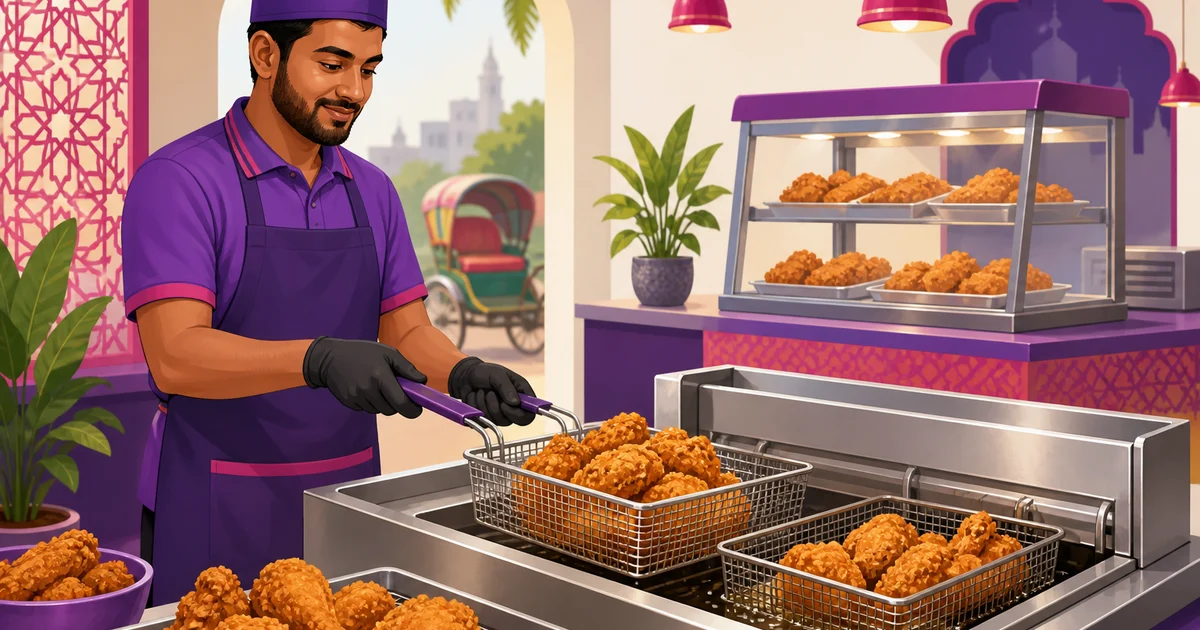
A fried chicken shop business can work with limited capital in Bangladesh, especially if you operate the counter yourself and begin with a short menu. The fryer is important, but oil management, portion control and unsold cooked chicken usually decide whether the shop makes money. Equipment and food prices vary by city, supplier, season and import costs, so treat every taka amount below as a working range. Collect current quotations before signing a lease or buying machinery.
Is a fried chicken shop business practical for a small owner?
Fried chicken has a broad customer base and works for takeaway, delivery and small dine-in shops. It also offers useful add-on sales through fries, drinks, rice meals and sauces. The difficulty is that customers compare your food with large chains while expecting a lower price.
A first-time owner should resist launching wings, burgers, rice bowls, pizza and ten chicken flavours at once. Start with bone-in fried chicken, one burger, fries, two sauces and two or three combos. A focused menu reduces stock, preparation work and wastage. If you are still choosing a format, compare this model with other restaurant business ideas in Bangladesh before committing your savings.
A compact takeaway shop without expensive decoration may require roughly ৳150,000-৳400,000 before rent advance and working capital. A cart or very small counter can sometimes start around ৳70,000-৳180,000, depending on the fryer, refrigeration, fabrication and location. A proper exhaust system, electrical work or LPG installation can push the total higher.
What you actually need to buy
| Item | Indicative range | Buying advice |
|---|---|---|
| Single-tank tabletop fryer | ৳12,000-৳35,000 | Suitable for testing demand; check oil capacity, thermostat and spare parts. |
| Commercial open fryer | ৳35,000-৳90,000 | Better recovery and output for a busy fixed shop. |
| Pressure fryer | ৳150,000-৳450,000+ | Produces a different product but is usually too costly for a first outlet. |
| Freezer or refrigerator | ৳30,000-৳80,000 | Do not depend on an unreliable domestic unit for heavy daily use. |
| Exhaust hood and ducting | ৳20,000-৳70,000 | Cost depends heavily on shop layout and duct length. |
| Stainless preparation table and racks | ৳15,000-৳45,000 | Keep raw preparation separate from cooked-food handling. |
| Heat lamp or holding cabinet | ৳8,000-৳40,000 | A cabinet provides more controlled holding than an open tray. |
| Scales, thermometers and utensils | ৳5,000-৳15,000 | Buy a digital portion scale, probe thermometer and oil skimmer. |
| Initial packaging and smallwares | ৳10,000-৳30,000 | Use vented packaging so steam does not soften the coating. |
Gas fryers can be practical where electricity supply or load capacity is uncertain. Electric units are easier to place and control, but a weak circuit causes slow recovery and unsafe wiring. Ask an electrician to verify the load. For LPG, use an approved regulator, sound hose or piping, accessible shut-off and suitable fire equipment.
Do not buy a pressure fryer simply because major chains use one. It requires more capital, training and careful maintenance. A good open fryer can produce a strong product if temperature, batch size and coating are controlled.
Oil economics: the hidden cost that can erase profit
Chicken is the obvious expense, but frying oil is often the biggest hidden cost. Owners commonly record the cost of a fresh fill while forgetting daily top-ups, oil absorbed by breading and oil discarded after poor handling.
A fryer may need roughly ৳2,500-৳4,000 for a complete fill, depending on capacity and oil price. Suppose one fill plus top-ups costs ৳4,000-৳6,500 before replacement and produces 500-700 pieces. Your oil cost is then about ৳6-৳13 per piece. That is a major amount when a piece sells for under ৳100-৳140.
How to extend useful oil life without compromising food
- Shake loose flour from each piece before it enters the fryer.
- Skim crumbs frequently because burnt breading darkens oil and creates bitterness.
- Filter oil according to your fryer volume and operating schedule.
- Do not overload the basket. A sharp temperature fall increases cooking time and oil absorption.
- Avoid mixing fish, strongly flavoured items and chicken in the same oil.
- Cover cooled, filtered oil and protect it from water, cleaning chemicals and direct light.
- Discard oil when it smells rancid, foams excessively, smokes at normal frying temperature or consistently produces dark, greasy food.
Do not judge oil only by colour, and never use chemicals to disguise degraded oil. Keep a daily record of fresh oil added, top-up quantity, pieces sold and discarded oil. Divide total oil spending by pieces sold each week. That number is far more useful than guessing how many days one fill should last.
Marination, breading and holding time
Consistency matters more than a secret spice list. Weigh salt and seasoning against the chicken weight rather than adding them by eye. A practical chilled marination window is often around 6-12 hours, but your final time should be tested against piece size, salt level and food-safety process. Keep marinating chicken covered at approximately 2-5°C.
Create one written breading method. For example, define the flour weight per batch, number of turns, pressing method and rest time before frying. If employees scoop freely from a large bowl, breading usage and taste will change every day. Discard flour that has become heavily contaminated by wet raw-chicken clumps; do not keep topping up an unsafe breading station indefinitely.
Use a calibrated probe thermometer and cook the thickest part of the chicken to at least 74°C. Avoid touching bone when checking. Separate raw-chicken tools and surfaces from packaging and cooked-food areas.
Quality begins dropping soon after frying. Open-tray chicken may lose its best crispness within roughly 15-25 minutes. A controlled heated cabinet can support a practical quality window of about 30-45 minutes, depending on coating, humidity and equipment. Hot-held food should remain at a safe temperature, commonly at least 60°C. Set your own shorter discard time after testing. Do not stretch holding time merely to avoid recording wastage.
Calculate the real cost of every chicken cut
Do not divide the price of a bird by eight and assume every piece costs the same. Breast, thigh, drumstick and wing differ in weight and customer value. Whole dressed broiler prices may move around ৳190-৳270 per kg or outside that range. Supplier, bird size, processing and delivery terms all matter.
Buy a test batch, weigh every cut and record trimming or unusable loss. Then calculate the usable cost by cut. A realistic direct cost for one bone-in piece could look like this:
| Cost component | Illustrative range per piece |
|---|---|
| Raw chicken | ৳25-৳42 |
| Marinade and breading | ৳8-৳16 |
| Frying oil | ৳6-৳13 |
| Sauce and packaging | ৳5-৳14 |
| Gas or electricity | ৳3-৳8 |
| Total direct cost | ৳47-৳93 |
This range is intentionally wide. Your task is to replace every amount with actual invoices and measurements. Rent, staff, cleaning, delivery commissions, damaged stock and your own labour still need to be recovered from the selling price.
Combo pricing against the big chains
Do not copy a chain's menu price and subtract an arbitrary amount. Chains may buy more cheaply, but they also carry branding, prime-location and corporate overheads. Visit or check the current menus of three nearby chains and three local competitors. Compare the same meal: number and size of chicken pieces, fries weight, drink size, sauce and delivery markup.
A value-led independent shop might position a comparable combo around 10%-20% below a major chain, but only if its own food-cost calculation supports that gap. Another option is to keep a similar ticket and provide visible value through larger fries, a house sauce or a better-sized chicken cut.
- Entry combo: one chicken piece, small fries and drink.
- Core combo: two pieces, fries, drink and sauce.
- Sharing combo: six to eight pieces with larger sides and drinks.
Price each component first, then apply a controlled combo discount of roughly 5%-12%. Drinks and fries can improve the blended margin, but only when portions are measured. Freehand fries quickly remove that benefit.
Daily sales and margin arithmetic you can redo
A new takeaway outlet should plan around modest demand rather than viral-opening assumptions. Depending on rent, footfall, delivery access and operating hours, a self-run shop might initially serve around 30-70 orders a day. Some locations will do less, and a strong site may do more.
| Calculation | Working range |
|---|---|
| Orders per day | 40-55 |
| Average order value | ৳220-৳280 |
| Daily sales | ৳8,800-৳15,400 |
| Food, oil and packaging | 45%-55% of sales |
| Daily contribution after direct cost | ৳3,960-৳8,470 |
| Allocated rent, helper, utilities and cleaning | ৳2,500-৳4,500 |
| Possible operating surplus | ৳460-৳5,970 |
The operating-surplus range is not guaranteed profit. It is before the owner's salary, tax, equipment depreciation, loan payments and unexpected repairs. Delivery-platform commission can also materially reduce the margin. Calculate delivery prices separately instead of absorbing the entire commission.
For a lower-cost path, compare a fixed outlet with a street food cart business in Bangladesh. If you can afford a few seats and a broader menu, this guide to a small restaurant business in Bangladesh explains the additional planning involved.
Where beginners usually lose money
- Buying a fryer that is too small, then overloading it during peak time.
- Failing to record oil top-ups and discarded oil.
- Using mixed chicken sizes while charging one price.
- Cooking too much before rush hour and holding it beyond the quality window.
- Offering too many sauces, burgers and side items at launch.
- Ignoring packaging cost and marketplace commission.
- Giving unrecorded free items to friends, regulars and delivery riders.
- Taking cash from the drawer for household expenses without recording it.
- Signing a high-rent lease based on weekend footfall alone.
Licences and local permission
A fixed shop normally needs a trade licence from the relevant city corporation, municipality or union authority. Once you operate from fixed premises, check the current Bangladesh Food Safety Authority requirements for food-business registration or licensing and apply under the category that fits your operation. Processes and classifications can change, so confirm them directly with BFSA and your local office.
You may also need an e-TIN and, depending on turnover and business status, VAT registration or enlistment. Confirm your obligations with the relevant VAT circle rather than copying another shop. The premises should also meet applicable fire, LPG, electrical, sanitation and landlord requirements.
A moving cart is less straightforward. It is largely governed by local city-corporation rules, street-use restrictions and, in practice, informal local arrangements. A trade licence does not automatically grant permission to occupy a pavement or roadside location. Ask the ward office or market authority before investing in a cart built for one spot.
Keep the operating system simple
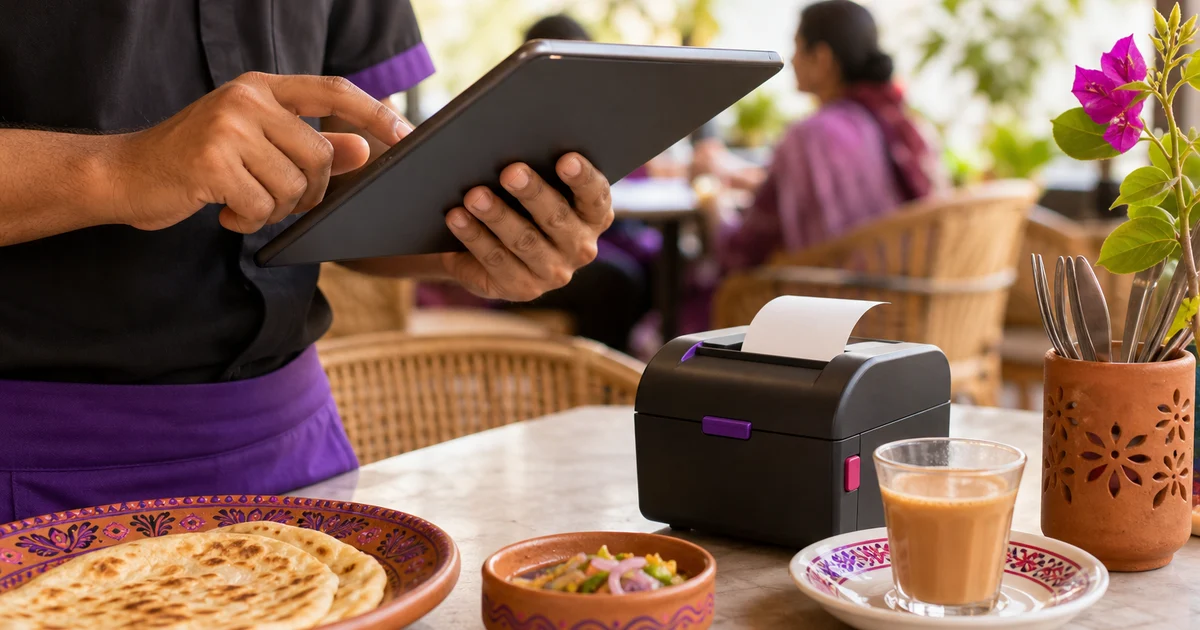
At very low volume, a notebook, numbered receipts and a daily stock sheet may be enough. Once orders become difficult to track, Rosuii can handle billing from a phone, tablet or laptop and show daily sales totals. Its paid inventory tools can also help monitor a small list such as chicken, oil, flour, fries, drinks and packaging. Software will not fix weak costing, but it can reduce missed sales and unrecorded stock movement.
Begin with one fryer, a disciplined recipe, measured portions and a menu you can execute during a rush. Record every litre of oil and every discarded piece for at least four weeks. If the numbers hold after rent and a fair wage for your own time, expand carefully.
Ready to organise billing and daily sales as your shop grows? Register for Rosuii and start with the setup that matches your current operation.
Last updated:
Frequently asked questions
How much capital is needed to start a small fried chicken shop in Bangladesh?
Is a gas or electric fryer better for a first shop?
How long can fried chicken be held before selling?
What profit margin can a fried chicken shop expect?
Does a fried chicken cart need a trade licence and BFSA licence?
Run your restaurant on Rosuii
POS, menu, inventory, payroll and more — built for Bangladeshi restaurants.
Start free