Ice Cream Shop Business in Bangladesh: Falooda and Cost Guide
A practical guide to starting an ice cream and falooda shop with limited capital, covering equipment, electricity, packaging, sales margins and licences.
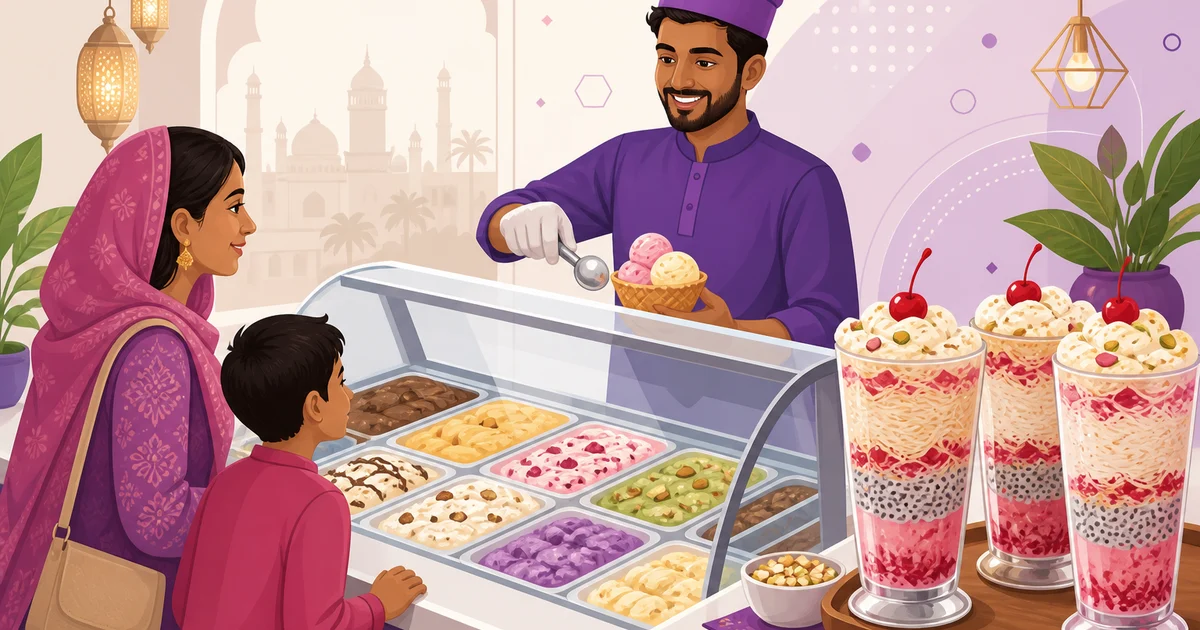
An ice cream shop business can look simple from the customer side: buy tubs, add cones and start scooping. The difficult part is protecting frozen stock while controlling electricity, packaging and seasonal wastage. For a Bangladeshi owner with limited capital, the safest model is usually a small fixed counter selling scoop ice cream, cups and falooda. Start with a short menu, operate it yourself and add expensive machinery only after sales are proven.
All taka figures below are working market ranges, not quotations. Equipment prices, rent, electricity tariffs and ingredient costs move by city, brand, season and supplier. Collect at least two to four current quotations before spending.
Choosing the right ice cream shop business model
Your product choice determines the machine, power load, staff skills and wastage risk. Do not try to open with every format at once.
Scoop ice cream
Scoop ice cream is the practical starting point for most small shops. You buy tubs from a manufacturer or distributor and sell by scoop, cup or cone. A chest freezer is cheaper and generally holds temperature better during short power cuts than an upright display freezer. The drawback is that customers cannot see the flavours as easily.
Begin with roughly four to eight flavours rather than filling a freezer with slow-moving stock. Vanilla, chocolate, mango and a few local favourites can cover most demand. Let actual sales decide what comes next.
Soft-serve
Soft-serve can attract customers and produce a good contribution per serving, but it is the riskiest entry option. A new commercial machine may cost around ৳180,000-৳600,000 or more. It also needs stable power, regular cleaning and enough daily volume to justify the machine and mix wastage.
A weak electrical connection or unsuitable backup system can stop service completely. For a first-time operator with limited capital, soft-serve is usually a second-stage investment, not an opening-day necessity.
Falooda
Falooda raises the average bill using familiar ingredients such as milk, ice cream, vermicelli, basil seeds, syrup, jelly and nuts. It requires more preparation and food-safety discipline than scooping from a tub, but the equipment is affordable. It also gives you a product that can sell in the evening and during Ramadan.
If your budget is very small, compare this model with a street food cart business in Bangladesh. A cart lowers rent, but keeping frozen products safely cold while moving is much harder.
What you actually need to buy
A lean scoop-and-falooda counter can be opened without decorative furniture or a large menu board. Spend first on temperature control, washable preparation surfaces and reliable utensils.
- Chest freezer: A new hard-top unit in the roughly 200-350 litre class may cost ৳45,000-৳85,000. A used unit may be around ৳25,000-৳55,000, but test its compressor, gasket and temperature before paying.
- Display freezer: A glass-top or commercial display model can range from about ৳80,000-৳180,000. It improves presentation but is not essential for a lean opening.
- Voltage protection: Allow around ৳2,000-৳6,000 for a suitable protector or ৳6,000-৳18,000 for a stabiliser, depending on capacity and local voltage conditions.
- Falooda equipment: A blender, jars, measuring tools, sauce bottles, strainers and preparation containers may total ৳8,000-৳25,000.
- Scoops and utensils: Food-grade scoops, tubs, tongs, scales, storage containers and cleaning tools may require ৳6,000-৳18,000.
- Counter and wash area: A basic counter, shelves and washable work surface may cost ৳15,000-৳50,000. Plumbing or sink work can add roughly ৳5,000-৳20,000.
- Signage and lighting: A modest sign and counter lighting may fall around ৳8,000-৳30,000.
- Opening ingredients: Initial ice cream tubs, milk, syrups, vermicelli, jelly and toppings may require ৳15,000-৳45,000.
- Packaging stock: A first purchase of cups, cones, spoons, lids, tissues and carry bags may cost ৳5,000-৳18,000.
A basic owner-run fixed counter may therefore need roughly ৳130,000-৳350,000 before shop advance and rent. A display freezer, soft-serve machine, generator or heavy interior work can push the requirement far higher. If that feels uncomfortable, review other restaurant business ideas in Bangladesh before committing.
Freezer capacity and the electricity bill people forget
Freezer litres do not tell the whole story. Check how many supplier tubs fit without blocking airflow, how quickly the unit recovers after opening and whether it can maintain the temperature specified by your ice cream supplier. Many frozen products are stored around -18°C, but you should follow the label and supplier instructions for your exact stock.
A small freezer may draw around 0.2-0.4 kW while its compressor is running. The compressor cycles rather than running continuously. If its equivalent run time is roughly 8-14 hours a day, freezer consumption could be around 1.6-5.6 kWh per day. Heat, poor ventilation, damaged door seals and frequent opening increase that figure.
For a small counter, the freezer, blender, fans, lights and other appliances might use roughly 90-250 electricity units per month. Depending on the applicable tariff, demand charges and building arrangements, the bill may land around ৳1,200-৳4,500. A soft-serve machine or air-conditioned shop can push consumption into roughly 250-700 units and the monthly cost toward ৳4,000-৳14,000 or more.
Redo the calculation from each appliance label:
Estimated monthly units = rated kW × estimated daily running hours × operating days.
Then multiply the units by your effective tariff and add other charges shown on the bill. Ask the landlord whether your shop has its own meter. Informal per-unit rates charged through a shared commercial connection can change the calculation significantly.
Load-shedding can turn stock into a total loss
A freezer full of products may contain ৳20,000-৳80,000 of stock. That can be more than the owner has available in cash. Make a power-cut plan before filling it.
- Keep a freezer thermometer and record opening and closing temperatures.
- Keep the lid closed during an outage. Repeated checking releases cold air.
- Use a voltage protector to reduce damage from unstable supply.
- Ask the freezer seller for compressor starting requirements before buying an inverter or generator. A backup that handles lights may fail when a compressor starts.
- Consider an appropriately sized generator or inverter system in the roughly ৳35,000-৳150,000 range, depending on load and battery requirements.
- Arrange emergency freezer space with a nearby distributor, bakery or restaurant where practical.
- Do not refreeze and sell ice cream that has melted or become unsafe. Follow the manufacturer’s handling instructions.
A moving cart has an extra problem: access to continuous electricity. Selling factory-sealed products from insulated cold boxes and replenishing in small batches is safer than carrying a large day’s stock without dependable temperature control. Local weather can shorten the useful holding period quickly.
Cones, cups and falooda packaging affect every sale
Packaging feels cheap until it is multiplied by hundreds of orders. A plain cone may cost roughly ৳4-৳10, while a cup, lid and spoon combination may cost around ৳7-৳18. A large falooda cup with lid, spoon or straw and carry bag may cost ৳12-৳30. Branded printing usually requires larger order quantities and can trap cash in packaging.
Cones produce less plastic waste and look attractive, but broken cones create wastage and takeaway handling is difficult. Cups are easier to portion and deliver, although the lid and spoon increase cost. Keep cone and cup prices separate in your costing even if the customer pays the same menu price.
Do not buy several months of printed cups at launch. Use plain food-grade packaging with a small sticker until the right sizes and sales volume are clear.
Daily sales and margin arithmetic you can redo
Use contribution per item rather than assuming that all sales are profit. The calculation is:
Selling price - ingredients - packaging - estimated power and wastage per serving = contribution.
For a scoop serving sold at around ৳80-৳180, ice cream might cost ৳30-৳70, packaging ৳6-৳15, and allocated power plus wastage ৳8-৳20. The contribution could therefore be roughly ৳24-৳75 before rent, licences, cleaning, repairs and the owner’s pay.
A falooda priced around ৳140-৳280 might use ৳65-৳145 of ingredients and ৳12-৳30 of packaging. Its contribution may be around ৳45-৳138, depending heavily on portion size and toppings. Measure milk, syrup, nuts and ice cream. Free-pouring these ingredients quietly destroys the margin.
Suppose a small shop handles around 25-45 transactions a day with an average bill of ৳110-৳160. Daily sales would be approximately ৳2,750-৳7,200. If ingredients and packaging consume about 45-60 percent, the amount left after those variable costs may be roughly ৳1,100-৳3,960.
Daily fixed costs allocated from rent, electricity, cleaning, internet, repairs and licence renewals might be around ৳700-৳1,800. That leaves roughly ৳300-৳2,160 before paying the owner for their labour, replacing equipment, tax and unexpected spoilage. Low-volume days can produce a loss even when every item has a positive margin.
Replace every range with your supplier quotes. Count actual portions from each tub, not the portion count promised informally by a salesperson.
Seasonality and location matter more than decoration
Summer afternoons and evenings can be strong, while cold or rainy periods may reduce sales by roughly 30-60 percent from peak levels. Ramadan changes traffic hours. School holidays can help or hurt depending on the location.
Look for evening footfall near schools, coaching centres, parks, family shopping streets and restaurants. Observe the site over several weekdays and weekends. Count likely customers during the hours when you can personally operate.
Falooda, milkshakes and takeaway family tubs can soften seasonality, but adding too many perishable ingredients creates another form of wastage. A small shop should keep a core menu of roughly 8-15 items and add only what customers repeatedly request. For broader planning on rent, staffing and cash reserves, read this guide to a small restaurant business in Bangladesh.
Where beginners lose money
- Buying too much freezer capacity: A half-empty display freezer ties up capital and still consumes power.
- Ignoring electricity: Rent is budgeted, but voltage protection, backup power and summer consumption are missed.
- Uncontrolled scoops: A few oversized servings from each tub can remove the expected profit.
- Too many flavours: Slow tubs develop quality problems and lock up cash.
- Free toppings: Nuts, jelly and syrup should have measured portions or paid add-on prices.
- Cheap packaging: Leaking falooda cups and broken cones lead to replacements, complaints and refunds.
- Mixing household and business cash: Owners spend sales cash and then cannot replace stock.
- Underpricing delivery orders: Extra lids, bags, melting risk and marketplace costs must be included.
Licences and local rules at this scale
A fixed shop should normally obtain a trade licence from the relevant city corporation, municipality or union parishad. Required papers and fees vary by location and premises. Ask the issuing office for the current checklist rather than relying on an old online post.
Once you operate from a fixed food premises, check the applicable food-business registration or licence requirements with the Bangladesh Food Safety Authority. Keep supplier invoices, use food-grade water and packaging, maintain handwashing and protect ingredients from contamination. If you manufacture or pre-pack branded products rather than serving food directly, extra labelling, standards or other regulatory requirements may apply.
A moving cart is less clear-cut. It is often governed through local city-corporation rules, market committees, police enforcement and informal site arrangements. A trade licence does not automatically give permission to occupy a footpath or sell anywhere. Confirm vending permission with the local authority and property controller before buying the cart.
Fire-safety requirements depend on the premises, building and equipment. LPG is usually unnecessary for a scoop-only shop, but electrical wiring, sockets and extinguishers still need attention. Requirements can change, so verify them with the relevant local offices.
A lean way to start
- Choose scoop ice cream plus a small falooda menu.
- Get current quotes for rent, freezer, packaging and ingredients.
- Test the location with a temporary stall or short rental where legally allowed.
- Buy stock for a few days, not a full season.
- Measure every scoop and topping for the first month.
- Record daily sales, packaging use, electricity and spoiled stock.
- Add soft-serve only after regular demand can support the machine and power cost.
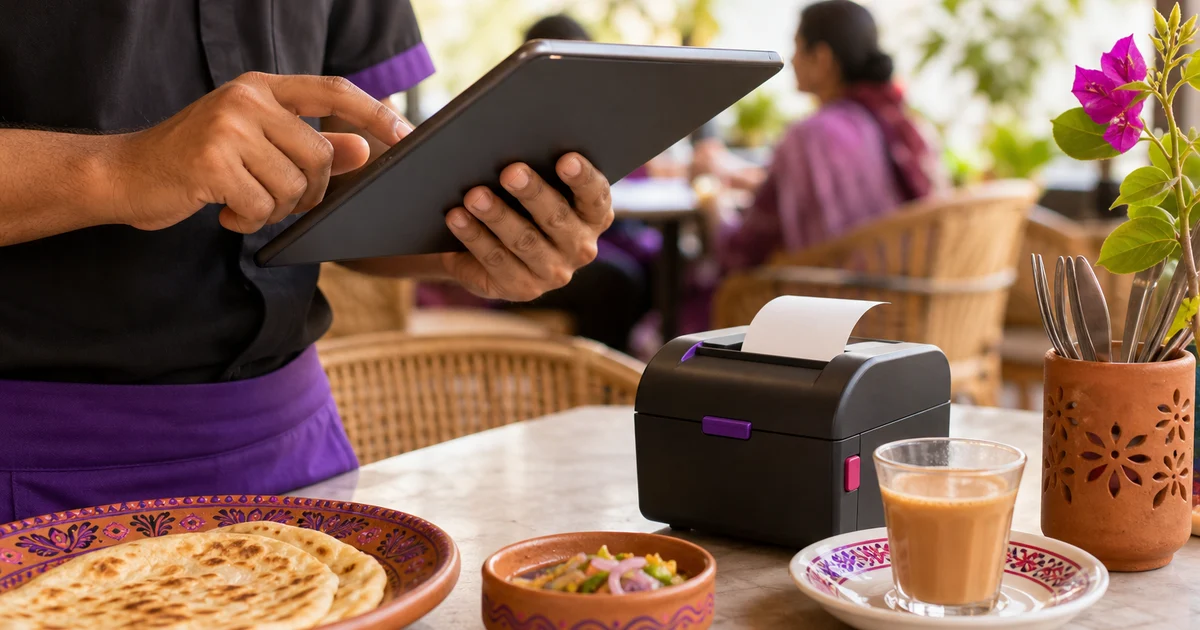
A notebook or spreadsheet is enough for a very small cart. When orders become harder to track, Rosuii can run billing on a phone, show daily sales totals and track a small list of stock items. It is most useful when you need consistent prices and a record of each sale, not as a substitute for basic cost control.
If your fixed counter is ready for simple digital billing, register with Rosuii and start with the free plan. Keep the setup small, review the numbers every day and spend more only when real customers justify it.
Last updated:
Frequently asked questions
How much capital is needed to start an ice cream shop business in Bangladesh?
Is a chest freezer or display freezer better for a small shop?
Can I run an ice cream cart without a trade licence?
Do I need a BFSA food licence for an ice cream and falooda shop?
How can I reduce losses during load-shedding?
Run your restaurant on Rosuii
POS, menu, inventory, payroll and more — built for Bangladeshi restaurants.
Start free