Restaurant Delivery Management: Own Riders and Marketplaces in One View
Running your own riders and foodpanda or Pathao orders at the same counter is where deliveries go wrong. Here is how restaurant delivery management works when every order, channel and status sits in one view that routes cleanly to the kitchen.
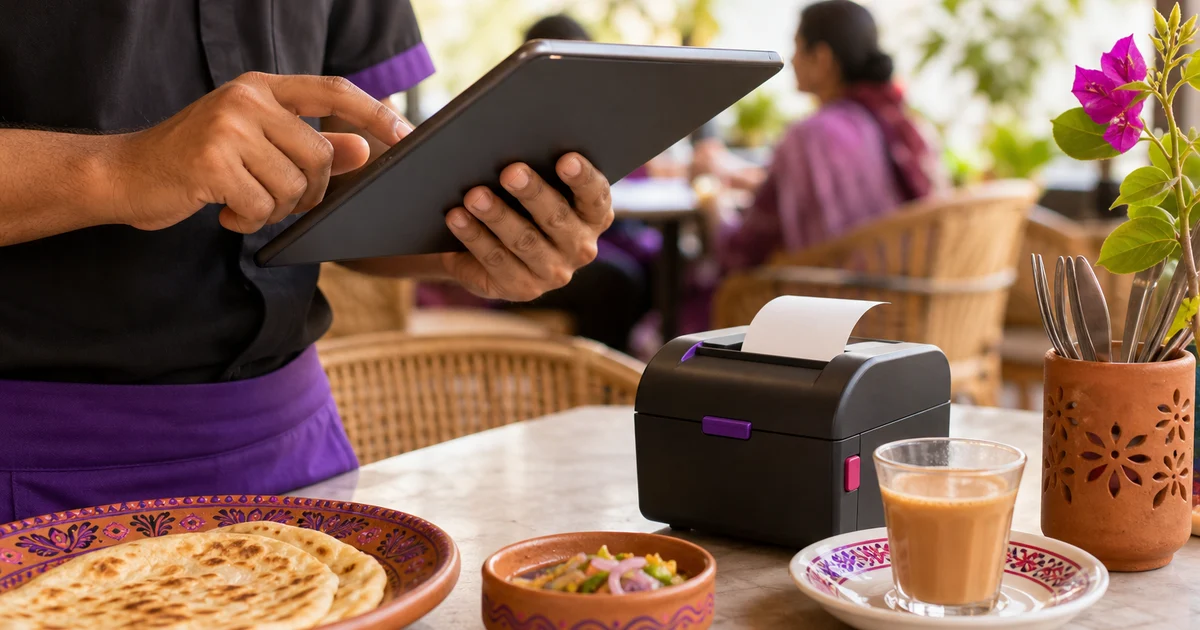
Restaurant delivery management is the part of a busy kitchen that most often falls apart. A foodpanda order lands on a tablet, a Pathao order pings on a phone, a customer who ordered from your own page is waiting on a rider, and the cashier is trying to keep all of it straight while dine-in tickets keep coming. When delivery channels each live in their own app, orders get missed, the same dish gets cooked twice, and at close nobody can say which channel actually made money. This guide explains how to manage your own and marketplace delivery together, track every order's status, and route each one cleanly to the kitchen, so a busy delivery night stays under control.
Why restaurant delivery management is harder than dine-in
Dine-in is contained. The guest is in the room, the table is on your floor plan, and the order is in front of you. Delivery scatters every part of that. Orders arrive from several channels at once, each with its own screen and sound. The customer is somewhere across the city, not at a table. A rider has to be matched to the order and sent to the right address. And the order is not done when the food is cooked; it is done when it reaches the door. More moving parts means more places to drop the ball, which is exactly why delivery needs a single system rather than a pile of devices.
The two kinds of delivery you run
Most restaurants in Bangladesh run two delivery types side by side, and managing them well starts with telling them apart.
- Your own delivery. A customer orders from your own online page, you take their address, and you send your own rider. There is no marketplace commission on these, so they protect your margin. The catch is that you handle dispatch and timing yourself.
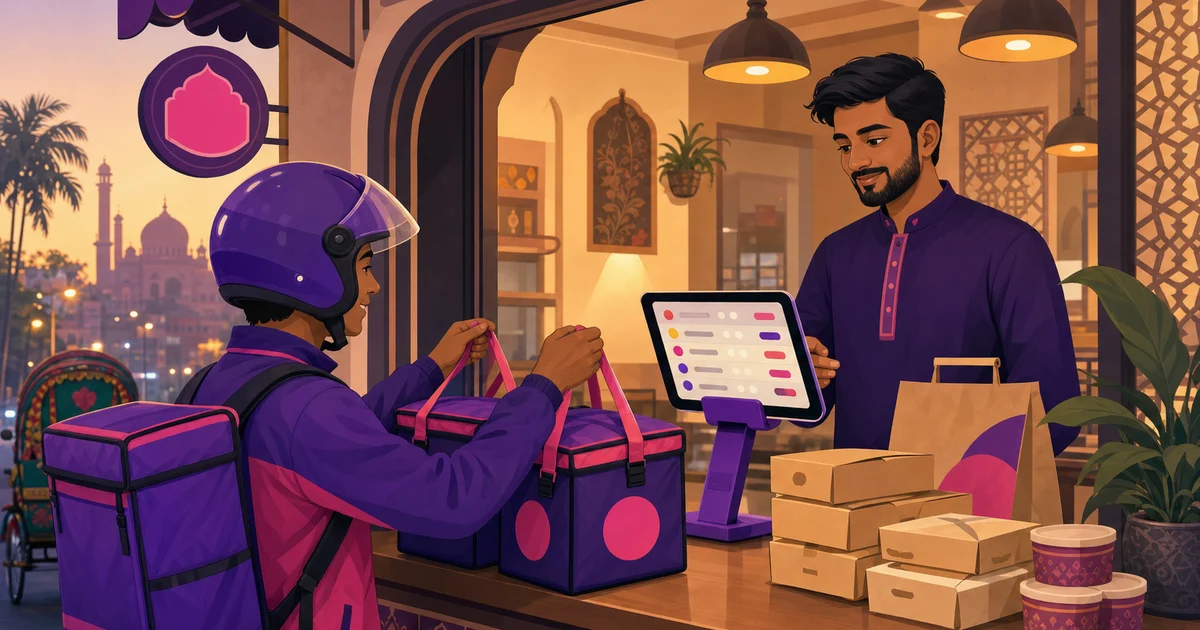
- Marketplace delivery. An order comes through foodpanda, Pathao, Shohoz Food or a courier like Steadfast. The platform brings the customer and often the rider, but takes a commission and keeps the customer relationship.
Both belong in your business. The goal of delivery management is not to pick one, but to handle both through a single flow so your kitchen and your reports treat every delivery the same disciplined way. For the trade-off between owning and renting the customer, see online ordering system vs marketplace.
Order types and marketplace tagging in Rosuii
Rosuii is built so every delivery, whoever brought it, lands in one orders list. The cashier starts every order the same way and picks the type: dine-in, takeaway or delivery. A delivery order then carries the details that delivery needs, the address and the channel, while a dine-in carries a table and a takeaway carries a pickup name.
The piece that makes mixed delivery work is marketplace tagging. Rosuii ships with presets for the channels Bangladeshi restaurants actually use:
| Preset | Typical use |
|---|---|
| foodpanda | Food marketplace and delivery |
| Pathao | Food marketplace and delivery |
| Shohoz Food | Food marketplace |
| Steadfast | Third-party courier and parcel delivery |
When a marketplace order comes in, the cashier rings it up and tags it to its channel from the dropdown: foodpanda, Pathao, Shohoz Food, Steadfast, or none for your own direct delivery. That single tap stamps the order with its source and carries it through the order's whole life. A direct order from your own storefront simply has no marketplace tag, which is exactly how you separate your own sales from platform sales in reports later. Every channel runs the same kitchen flow, so your team learns one process and applies it to everything.
Routing every order to the kitchen
However a delivery order arrives, the food is cooked in the same kitchen, and this is where one system pays off most. Every confirmed order, dine-in, takeaway or delivery, sends its items to the kitchen as tickets. Rosuii routes each item to the right station, so the grill sees grill items and the dessert station sees desserts, and shows them on a kitchen display with timers that turn amber and then red as orders wait. The cook does not care whether a biryani is for table six, a takeaway, or a Pathao delivery; they just see what to make and how long it has been waiting.
That single source of truth stops the classic delivery failure: an order forgotten because it came in on a different device than the dine-in tickets. With every channel feeding one display, nothing waits unseen on a tablet face-down behind the counter.
Tracking delivery status
A delivery order moves through stages, and managing delivery means knowing where each one is. In Rosuii every order moves through a status workflow you can see in the orders list, so a manager can tell at a glance what is new, what is cooking, and what is ready to go out. You can filter the list to focus on delivery, open any order to see its full breakdown of price, discount, service charge and VAT, and print a thermal receipt with your logo for the bag.
On the customer side, your own online orders carry order tracking by order number, so a customer who ordered from your storefront can follow their food without messaging to ask whether it is ready. One honest note on how Rosuii notifies: updates appear in the in-app notification centre. There is no built-in email, SMS or push channel, so customer-facing updates come through the storefront's order tracking rather than an automated text. For a busy kitchen, the value is the single live list that the manager actually trusts, instead of glancing between three buzzing devices.
Managing your own riders
For your own delivery, dispatch is on you, and a clean order list makes it manageable. When an order from your storefront is cooked and packed, you assign it to a rider and send them to the address on the order. A few habits keep this tidy on a busy night:
- Pack against the printed receipt. The itemised receipt in the bag is the rider's and the customer's check that the order is complete.
- Batch nearby drops. If two orders are headed the same way, send them with one rider to save time and fuel.
- Keep payment clear. Mark whether the order was paid online by bKash or Nagad, or is cash on delivery the rider must collect, so there is no confusion at the door.
Because these orders skip the marketplace, every one you handle yourself keeps the commission you would otherwise pay. That is the cheapest margin in delivery, which is why building your own ordering channel matters, covered in commission-free online ordering.
Reading the numbers by channel
Delivery management is not only about tonight; it is about knowing what each channel is worth. Because every delivery order is tagged to its source, your sales reports show what foodpanda, Pathao and your own storefront each contributed, and a Day-Close (Z-report) breaks the day down so you can compare platform sales against direct sales side by side. That comparison is the number that tells you whether a marketplace earns its commission, and whether your effort to move regulars to direct orders is working. The full marketplace setup is covered in how to integrate foodpanda and Pathao into one restaurant system.
How delivery fits with dine-in and takeaway
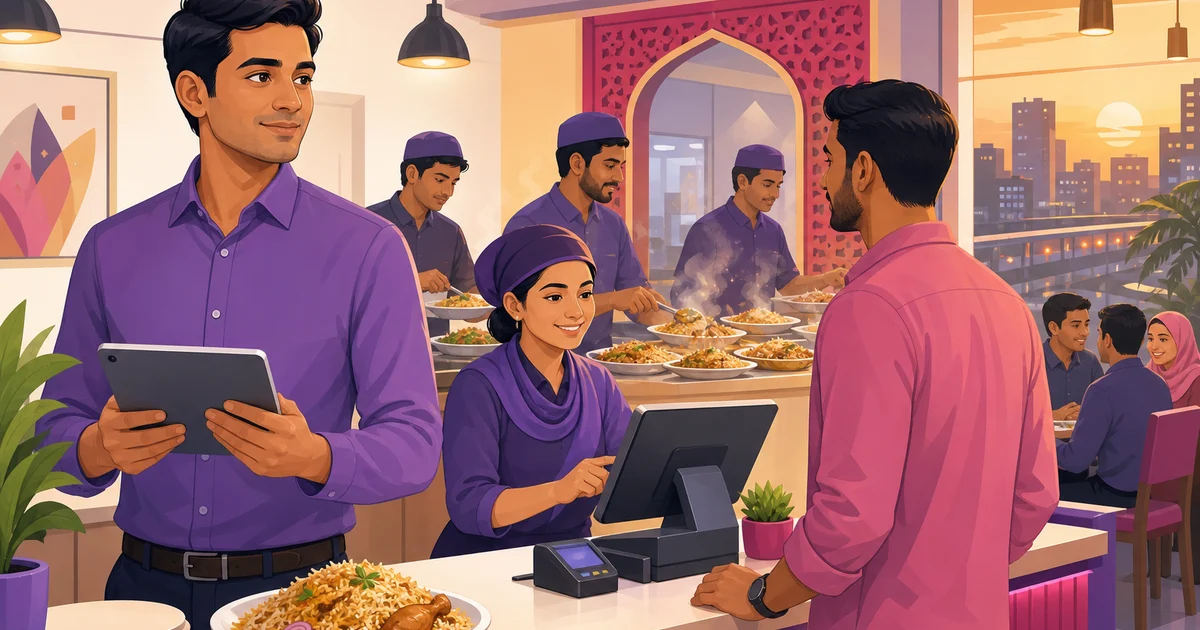
Delivery is one of three order types your counter handles at once, and the real win is running all three through one screen rather than three apps. A cashier can take a dine-in order for a table, ring up a takeaway, and accept a foodpanda delivery in the same minute, each priced correctly, routed to the right station, and recorded together. For the full picture of running every order type from one place, read how to manage dine-in, takeaway and delivery in one POS.
The takeaway
Restaurant delivery management goes wrong when each channel lives in its own app and nothing reconciles. It goes right when every order, your own and marketplace, lands in one list, gets tagged to its source, routes to one kitchen display, and shows up in one set of reports. Rosuii is built for exactly that, running in the browser on the phone, tablet or laptop you already have, fully in Bangla and English. See how it ties delivery to POS, kitchen and reports on our features page.
Tired of juggling tablets and missed delivery orders? Create your free Rosuii account, tag every channel, and run all your deliveries from one clean list today.
Updated:
Frequently asked questions
How do I manage my own riders and foodpanda orders together?
Can Rosuii tag orders to foodpanda, Pathao and Steadfast?
Does Rosuii send delivery updates to customers by SMS?
How does the kitchen avoid missing a delivery order?
How do I know if foodpanda is worth its commission?
Run your restaurant on Rosuii
POS, menu, inventory, payroll and more — built for Bangladeshi restaurants.
Start free