Shawarma Business in Bangladesh: Setup, Cost and Margins
A practical guide to starting a small shawarma shop in Bangladesh, covering equipment, cone size, per-wrap costs, evening sales, waste and licences.
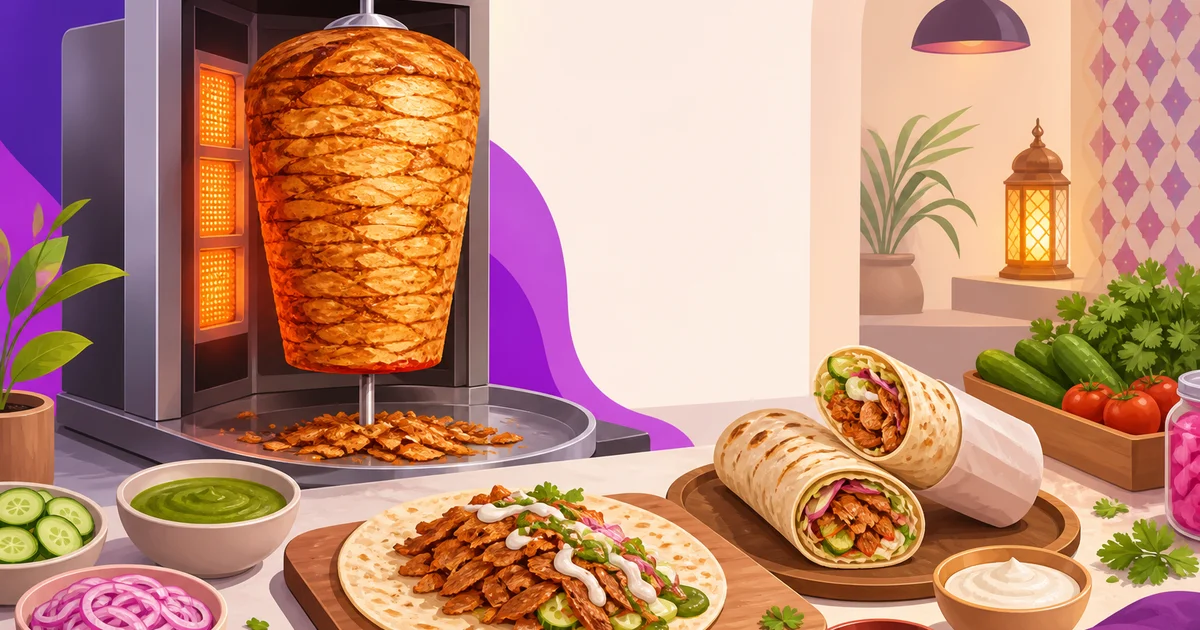
A small shawarma business can work in Bangladesh because the menu is focused, service is fast, and one owner can handle much of the operation. But the rotating cone creates a risk that burgers and sandwiches do not have: once you mount too much meat, slow sales can turn expected profit into waste. Success depends less on an impressive shop and more on location, cone size, portion control, bread and sauce consistency, and evening sales.
The taka ranges in this guide are planning estimates, not supplier quotations. Meat, LPG, electricity, equipment and rent prices move frequently. Collect at least three current quotations in your own area before investing.
Is a shawarma business suitable for limited capital?
Shawarma suits an owner-operated setup if you can work through the evening rush and keep the first menu small. Chicken shawarma, one alternative filling, fries and drinks are enough to test a location. Every extra item adds ingredients, preparation time and waste.
A roadside cart has lower rent, but weather, water supply, electricity and permission are harder to manage. A fixed kiosk or a narrow takeaway shop costs more but gives you refrigeration, washing facilities, signage and a clearer path to licensing. If you are still choosing a format, compare a street food cart business in Bangladesh with a fixed shop before signing a lease.
What you actually need to buy
Do not spend the full budget on decoration. The rotisserie, cold storage, food-safe preparation area and ventilation affect the business every day.
| Item | Planning range | Buying note |
|---|---|---|
| Single-spit vertical rotisserie | ৳25,000-৳80,000 | Price varies by gas or electric heating, build quality, motor and capacity. |
| Cart, kiosk or basic counter | ৳35,000-৳120,000 | Include a washable worktop, storage and weather protection. |
| Refrigerator or chiller | ৳25,000-৳65,000 | A used unit may cost less, but test temperature stability and power use. |
| Contact grill or sandwich press | ৳5,000-৳18,000 | Useful for warming and finishing wraps consistently. |
| Exhaust, LPG fittings and fire safety | ৳10,000-৳35,000 | Requirements depend on the premises and equipment. |
| Knives, pans, scales and containers | ৳8,000-৳22,000 | Include separate food-safe storage for raw and ready-to-eat items. |
| Opening ingredients and packaging | ৳12,000-৳30,000 | Start with enough for several days, not several weeks. |
A basic cart or kiosk may require roughly ৳90,000-৳220,000. A small fixed shop can reach ৳180,000-৳450,000 before a large advance or premium location deposit. These ranges can move sharply with rent, fabrication quality and whether equipment is new or used.
Gas or electric vertical rotisserie?
Gas rotisserie
Gas is often practical where electricity is unreliable or the available electrical load is low. Heat recovery is quick, but the burner, regulator, hose, cylinder placement and ventilation must be handled properly. Keep LPG cylinders away from direct heat, use approved fittings, check for leaks and keep a suitable fire extinguisher accessible. Confirm the premises rules before installation.
Electric rotisserie
Electric models avoid an open gas flame and can offer simpler heat control. However, many commercial units need a substantial electrical load. A weak connection, voltage problems or an outage can stop production during peak hours. Check the wattage, wiring, breaker capacity and expected electricity cost with a qualified electrician before buying.
For either type, inspect the motor, skewer strength, distance between the cone and heat source, drip tray and availability of spare parts. A cheap motor that fails at 8 pm can cost more than the saving on purchase price.
Choose cone size from sales, not appearance
A large cone looks attractive but is dangerous for a new outlet. A beginner may start with a 5-8 kg raw chicken cone, then increase only after recording sell-through. A 10-15 kg cone is more appropriate when regular demand has already been proven. Actual capacity depends on the machine.
Remember that raw weight is not saleable cooked weight. Moisture and fat are lost during cooking. A 5 kg cone might produce roughly 3.5-3.9 kg of cooked meat, depending on the cut, marinade and cooking method. Weigh the cone before cooking, record cooked output and use that result for your own costing.
Meat cost per wrap: an example you can redo
Suppose boneless chicken costs ৳500-৳650 per kg and five kilograms are used. Meat costs ৳2,500-৳3,250. If marinade and related ingredients add ৳300-৳500, the prepared cone costs ৳2,800-৳3,750.
If cooked yield is 3.5-3.9 kg and each wrap receives 90 grams of cooked meat, the cone produces about 39-43 controlled portions. The meat and marinade cost is then approximately ৳65-৳96 per wrap. Overserving by only 15 grams can remove several wraps from each cone.
| Variable cost per chicken wrap | Example range |
|---|---|
| Meat and marinade | ৳65-৳96 |
| Bread | ৳12-৳22 |
| Sauce and vegetables | ৳18-৳32 |
| Paper, foil or box | ৳8-৳18 |
| Gas or electricity allowance | ৳3-৳8 |
| Estimated variable cost | ৳106-৳176 |
If your selling price is ৳220 and your actual variable cost is ৳135, the contribution is ৳85 per wrap. That is not net profit. Rent, helper wages, cleaning, delivery commissions, equipment repairs, licence fees, spoilage and your own labour still have to be paid.
Use this formula: selling price minus variable cost equals contribution per wrap. Then divide daily fixed costs by contribution per wrap to find break-even volume. If daily fixed costs are ৳1,700 and contribution is ৳85, you need to sell 20 wraps before producing operating profit for that day.
Realistic daily sales and evening-heavy demand
A new or weak location may sell 20-35 wraps a day. A functioning neighbourhood outlet might sell 40-70, while 80 or more usually requires strong footfall, repeat customers or delivery demand. These are planning ranges, not guaranteed results.
For example, 45 wraps at ৳220 produce revenue of ৳9,900. At a variable cost of ৳135 each, variable costs are ৳6,075 and contribution is ৳3,825. After daily fixed costs of ৳1,500-৳2,300, operating income is around ৳1,525-৳2,325 before tax, financing costs and unexpected waste. Replace every number with your own.
Demand is usually concentrated from late afternoon to around closing time. Plan preparation around the evening rather than keeping a full cone under heat all day. Visit the proposed location at 5 pm, 7 pm and 9 pm on both weekdays and weekends. Count pedestrians, students, office workers, families and competing food orders. For more location and format options, see these restaurant business ideas for Bangladesh.
The waste problem when the cone does not sell out
The outer layer cooks while the inner cone remains raw. This makes careless storage of a partly cooked cone a serious food-safety risk. Do not build the business plan around carrying an oversized, partly cooked cone into the next day. Follow BFSA guidance, maintain safe temperatures and discard food when its safety is uncertain.
The best defence is a smaller cone. Keep raw marinated meat refrigerated in controlled batches, mount only the quantity supported by expected sales, and record unsold cooked meat every night. Also avoid slicing too far ahead. Sliced meat loses moisture and quality while waiting.
Track waste in grams and taka, not as “a little left.” If 500 grams of saleable meat is discarded from a cone, that may represent five or six lost wraps plus bread and sauce purchases that are now harder to use efficiently.
Bread, sauce and vegetable supply
Bread inconsistency can damage a shawarma even when the meat is good. Test local bakery samples for diameter, flexibility, thickness and tearing after heating. Keep a backup supplier because a missed evening delivery can stop sales.
Standardise sauces with measured batches and labelled preparation dates. Buy vegetables in quantities matched to short sales cycles. Cabbage, cucumber and tomato may appear cheap, but trimming, spoilage and seasonal price changes affect the true cost. Use a digital scale for meat and measured bottles or spoons for sauces.
Where beginners lose money
- Oversized cones: the owner buys for hoped-for demand rather than measured demand.
- No portion scale: generous handfuls make food cost unpredictable.
- Too many menu items: extra bread, sauces and proteins expire before selling.
- Ignoring owner labour: a shop can show cash left over while paying the owner nothing for long shifts.
- Renting for daytime traffic: a busy morning market may be quiet during shawarma-selling hours.
- Discounting delivery orders: packaging, marketplace charges and promotions can remove the margin.
- Weak refrigeration: spoiled chicken costs money and creates a serious safety risk.
A focused takeaway operation is often safer than building a large menu immediately. The same principle applies to many small restaurant businesses in Bangladesh.
Licences and permissions in Bangladesh
A fixed shawarma shop normally needs a trade licence from the relevant city corporation, municipality or local authority. Once you operate from fixed premises, check the Bangladesh Food Safety Authority food business licensing or registration requirements for your category and location. Keep tenancy documents, identification, photographs and business details ready, but ask the issuing authority for the current document list.
Fire-safety approval or additional conditions may apply depending on the premises, building and LPG installation. VAT registration or enlistment depends on turnover and current NBR rules. Confirm your position with the relevant VAT circle rather than relying on another shop's arrangement.
A moving food cart is less straightforward. It is largely governed by local city-corporation rules, street-use restrictions and, in practice, informal location arrangements. Informal permission is not legal protection. Ask the local authority or market management for written permission where possible, and do not assume that paying for a spot creates a permanent right to trade there.
Keep the operating system proportionate
A single cart does not need complicated software. At minimum, record wraps sold, payment received, ingredient purchases, cone weight and waste each day. When handwritten totals become unreliable, Rosuii can handle billing on a phone, daily sales totals and stock records for a small list of ingredients. It is browser-based, supports Bangla and English, and is free to start. Software will not fix a poor location or an oversized cone, but clean numbers will show where cash is disappearing.
Start small, test the evening trade and resize the next cone from actual sales. If you need simple phone-based billing and daily reporting as orders grow, register for Rosuii and start with the free plan.
Last updated:
Frequently asked questions
How much capital is needed to start a shawarma business in Bangladesh?
Is a gas or electric shawarma machine better for a small shop?
How many wraps should a new shawarma shop expect to sell daily?
Can a partly cooked shawarma cone be used the next day?
What licences does a small shawarma shop need in Bangladesh?
Run your restaurant on Rosuii
POS, menu, inventory, payroll and more — built for Bangladeshi restaurants.
Start free