
Restaurant Recipes
Commercial Bakery Donut Recipe
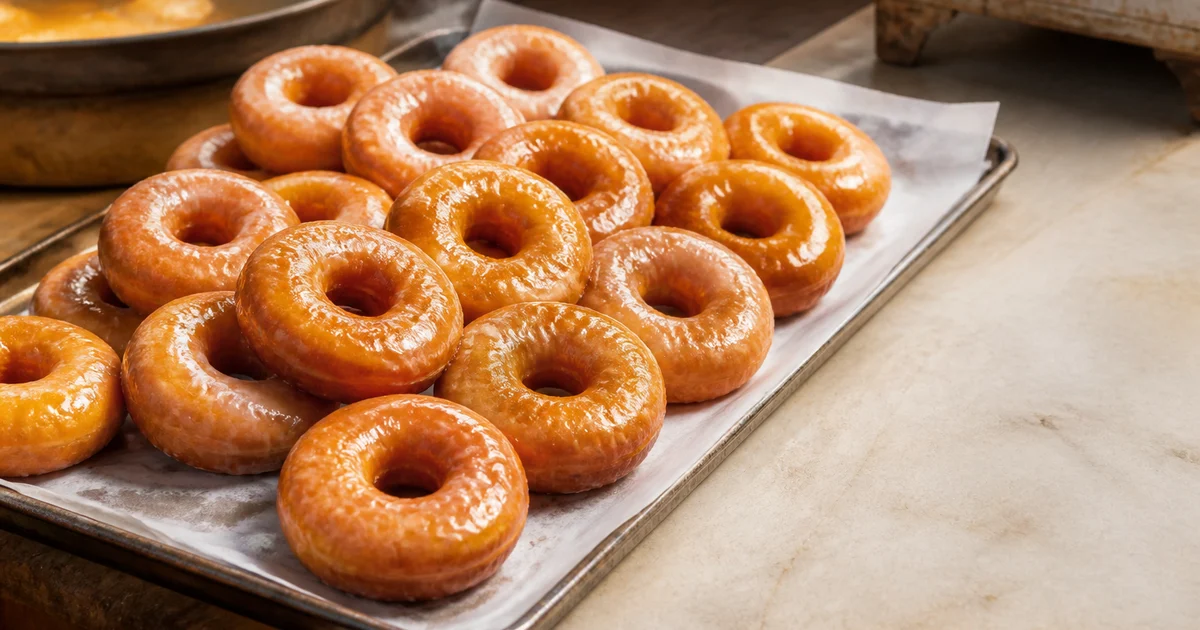
A commercial donut recipe yielding 48 glazed rings, with controlled dough temperature, proofing, frying, glazing, portioning and same-day holding.
- Prep
- 45 min
- Cook
- 50 min
- Total
- 3 hr 10 min
- Yield
- about 48 donuts
- Difficulty
- Medium
- Cuisine
- Bakery
Method
- 1
Prepare the production area
Weigh every ingredient before mixing and prepare lined or lightly oiled proofing trays. Set aside individual baking-paper squares if the soft rings will need support when transferred to the fryer.
- 2
Combine the dry ingredients
Place the flour, sugar, yeast and milk powder in the mixer bowl, keeping the salt away from the yeast until mixing begins. Mix on low speed for 1 minute to distribute everything evenly.
- 3
Add eggs and water
Add the eggs, 820 ml water and 10 ml vanilla essence. Mix on low speed for 3 minutes until no dry flour remains, adding only enough reserved water to produce a soft, slightly tacky dough.
- 4
Develop the dough
Mix on medium speed for 5 to 7 minutes, then add the softened fat in three portions. Continue mixing for 5 to 8 minutes until the dough is smooth, elastic and stretches into a thin membrane; target a finished temperature of 26 to 28°C.
- 5
Complete bulk fermentation
Transfer the dough to a lightly oiled covered container and ferment for 45 to 60 minutes at 27 to 30°C. The dough should expand by about 75 percent and feel aerated without becoming fragile or fully doubled.
- 6
Divide and shape rings
Divide the dough into 80 g portions, keeping the pieces covered while working. Shape smooth rings with evenly opened centres, then arrange them with at least 50 mm clearance on prepared trays.
- 7
Proof the shaped donuts
Proof at 35 to 38°C and approximately 75 to 80 percent humidity for 35 to 50 minutes. The donuts are ready when swollen and delicate, and a light fingertip mark returns slowly without collapsing.
- 8
Heat and test oil
Heat the frying oil to 175 to 180°C and confirm the temperature with a thermometer. Fry one test donut first; it should rise promptly, colour gradually and cook through without becoming greasy or dark in under 2 minutes.
- 9
Fry in controlled batches
Lower the donuts gently into the oil without crowding the fryer and fry for 60 to 75 seconds per side. Maintain 175 to 180°C, turn each donut once, then drain for 2 to 3 minutes on wire racks until no oil drips from the surface.
- 10
Mix and apply glaze
Combine the sifted icing sugar, remaining vanilla and most of the warm water, then stir until smooth and fluid but not watery. Dip the warm donuts at a surface temperature of about 45 to 55°C, drain on racks and allow the glaze to set for 15 to 20 minutes before packing.
Notes for your kitchen
This commercial donut recipe produces about 48 evenly sized glazed rings for bakery counters, restaurants and food carts. The formula uses a soft yeasted dough that can be mixed in one planetary mixer batch, fried in controlled batches and finished at a simple glazing station. The donuts are intended for same-day sale because yeast-raised donuts lose softness and glaze quality quickly after frying.
Why this donut works commercially
A yeast donut works well commercially because one dough can be shaped, fried and glazed in planned batches throughout a service window. The product has broad customer appeal, requires no expensive filling equipment and can be sold plain or with controlled toppings. A ring shape also fries more evenly than a thick filled donut, reducing raw centres and oil absorption.
The main production challenge is timing. Once the final proof starts, the kitchen must have hot oil, cooling racks, glaze and staff ready. Over-proofed donuts cannot wait for a fryer to become available. For a cart with a small fryer, stagger the trays by 10 to 15 minutes so every tray reaches the fryer at the correct proof.
Ingredient quality and selection
Flour strength, yeast condition and frying oil quality matter more than expensive flavourings in a commercial donut. Use bakery or bread flour with approximately 11.5 to 12.5 percent protein. Flour that is too weak may spread during proofing, while very strong flour can produce a chewy ring unless mixing and water are carefully adjusted.
Instant dry yeast should smell fresh and remain free-flowing. Keep opened yeast sealed and chilled, then allow only the required quantity to reach the production area. Old or moisture-damaged yeast gives slow, uneven proofing and can cause staff to overheat the proofer in an attempt to compensate.
Milk powder improves colour and softness without requiring the storage space of liquid milk. Eggs should be weighed after shelling because egg size varies. Butter gives a cleaner flavour, while a bakery margarine or butter-margarine blend may offer more stable dough handling in a hot Bangladeshi kitchen. Any substitution must keep the same fat weight.
Use neutral refined oil suitable for deep frying, such as palm olein, soybean oil or rice bran oil. The oil must not carry fish, singara or spice flavours from another fryer. Filter it after production and replace it when it becomes dark, foamy, smoky at the normal frying temperature or develops a stale smell.
Understanding dough development
The finished dough should be smooth, elastic and 26 to 28°C after mixing. Dough temperature controls fermentation speed more reliably than the clock. On a hot day, use chilled water; during cooler weather, use slightly warm water. Never use very hot water because it can damage the yeast and create uneven fermentation.
Start with part of the water and hold the balance until the flour begins to hydrate. Different flour deliveries absorb water differently, and adding every millilitre immediately can leave the dough too soft for ring shaping. Add the fat only after some gluten has developed. Early fat addition coats the flour and can extend mixing time.
A properly mixed dough stretches into a thin membrane before tearing. It should feel soft and slightly tacky, not wet enough to remain pasted to the bowl. Excess bench flour makes the surface dry, creates a visible seam and contaminates the fryer. Lightly oiling the table and hands is usually better.
Proofing and frying control
Correct proofing produces a light donut with a pale band around the middle and no hollow collapse. During bulk fermentation, the dough should expand noticeably and become aerated without fully doubling. After shaping, proof at 35 to 38°C with approximately 75 to 80 percent humidity. If no controlled proofer is available, cover trays loosely and keep them in a warm, draft-free area.
A ready donut looks swollen, feels delicate and slowly springs back when touched lightly. If it snaps back immediately, it needs more time. If the dent remains deep or the ring wrinkles when lifted, it is over-proofed. Place each piece on an individual square of baking paper if handling soft dough is difficult, then peel the paper away after the donut enters the oil.
Maintain the fryer between 175 and 180°C and check it with a separate thermometer. Oil below this range increases absorption and produces a greasy surface. Oil that is too hot darkens the outside before the centre cooks. Do not fill more than half of the frying surface because crowding drops the temperature and prevents easy turning.
Scaling the batch safely
Scale this donut recipe by ingredient weight and mixer capacity, not by guessing cup measurements. Treat the flour as 100 percent and retain the same baker's percentages for every other component. Water may still need a small adjustment for flour absorption, humidity and egg consistency.
For a half batch, divide every ingredient by two and portion the same 80 g pieces. For a double batch, it is normally safer to mix two separate batches unless the mixer can develop the larger dough without exceeding its rated dough capacity. An overloaded mixer warms the dough, strains the motor and creates weak gluten because the hook cannot move the mass correctly.
When increasing production, do not proof all trays at the same time unless fryer capacity can handle them. Calculate how many donuts the fryer can finish every three minutes, then stagger shaping or move later trays into a cooler holding area before final proof. Record actual flour absorption and proof times for each supplier batch.
Glazing, holding and reheating
Glaze donuts while they are warm but no longer dripping oil, ideally when the surface is about 45 to 55°C. A very hot donut makes the glaze run off, while a cold donut develops a thick, uneven coating. Keep the glaze bowl over gently warm water and stir regularly. Add water in very small amounts because a thin glaze is difficult to recover without using more icing sugar.
Arrange the glazing station in one direction: cooling rack, glaze bowl, draining rack and finished tray. Allow the glaze to set for 15 to 20 minutes before stacking, packing or adding drizzle. Never close warm donuts inside an airtight box because trapped steam dissolves the coating and makes the surface sticky.
Plain glazed donuts are best sold within 6 to 8 hours of frying and should remain covered at cool room temperature away from sunlight and fryer heat. Do not refrigerate them because refrigeration speeds firming and causes glaze condensation. Unglazed donuts can be refreshed once in a 150°C oven for 2 to 3 minutes, then cooled briefly and glazed. Reheating an already glazed donut melts the coating and gives poor presentation, so next-day reheating should not be part of the normal sales plan.
Portioning and yield control
Every raw dough piece should weigh 80 g to protect the target yield of about 48 donuts. Use a digital scale during division rather than judging by sight. Keep a small dough piece for corrections, but avoid repeatedly tearing and patching portions because damaged surfaces open during frying.
For cut rings, roll the dough to a uniform 12 to 14 mm thickness and use the same cutter for the full batch. Rework scraps only once and rest them for 10 minutes before rolling again. Repeated reworking makes tough, misshapen donuts. For hand-shaped rings, roll smooth balls, rest them briefly and open the centre evenly so the hole does not close during proofing.
Count finished saleable pieces, rejects and staff samples separately. A written portion control standard should define raw weight, ring diameter, glaze coverage and permitted topping weight. This makes yield differences visible before they become a routine loss.
Mistakes that cost money
The most expensive donut mistakes are over-proofing, uncontrolled oil temperature, oversized portions and producing too early. Over-proofed dough absorbs oil, collapses during turning and cannot be repaired. Under-proofed dough produces dense donuts with split sides. Both problems waste labour as well as ingredients.
- Adding too much bench flour: This changes the formula, toughens the crumb and leaves burnt flour in the fryer.
- Frying by colour alone: Old oil darkens dough quickly, so colour does not confirm that the centre is cooked.
- Loading cold oil: Large batches lower the fryer temperature and increase oil uptake.
- Glazing wet donuts: Surface oil prevents an even coating and creates greasy packaging.
- Making the full day at opening: Late-service customers receive stale donuts and unsold stock rises.
- Mixing old and fresh oil carelessly: Topping up does not correct badly degraded oil or remove off-flavours.
Keeping food cost stable
Stable donut cost comes from fixed dough weights, measured glaze pickup, controlled oil use and production matched to hourly demand. Compare theoretical yield with actual saleable yield through proper recipe costing. Review the resulting food cost percentage whenever flour, eggs, fat or frying oil suppliers change.
Frying oil and toppings often create more cost movement than yeast or salt. Filter oil after each production day, keep crumbs out of the fryer and avoid heating an idle fryer for long periods. Rosuii can record the batch as a production that converts raw stock into finished donuts, while wastage records can separate proofing failures, frying rejects and unsold pieces.
Keep the core glazed donut standard and treat chocolate, nuts, sprinkles or filled variations as separately controlled menu items. Weigh expensive toppings rather than applying them by hand without a target. Production should follow recent item sales by hour, with smaller late-day batches reducing leftovers while protecting freshness.
What drives the cost
Frying oil, flour, eggs, fat and glaze sugar account for most of the batch cost, while premium toppings can quickly become the largest variable. Cost moves with oil absorption, supplier quality, portion weight, glaze pickup and the number of unsold same-day donuts.
Ingredient rates move with the market, so this describes what drives the cost rather than quoting a figure.
Questions from kitchens
Can this donut recipe be doubled in one mixer?
How long can glazed donuts be held for sale?
Can butter be replaced with bakery margarine?
Why did the batch produce fewer than 48 donuts?
Can unsold donuts be sold the next day?
Related recipes
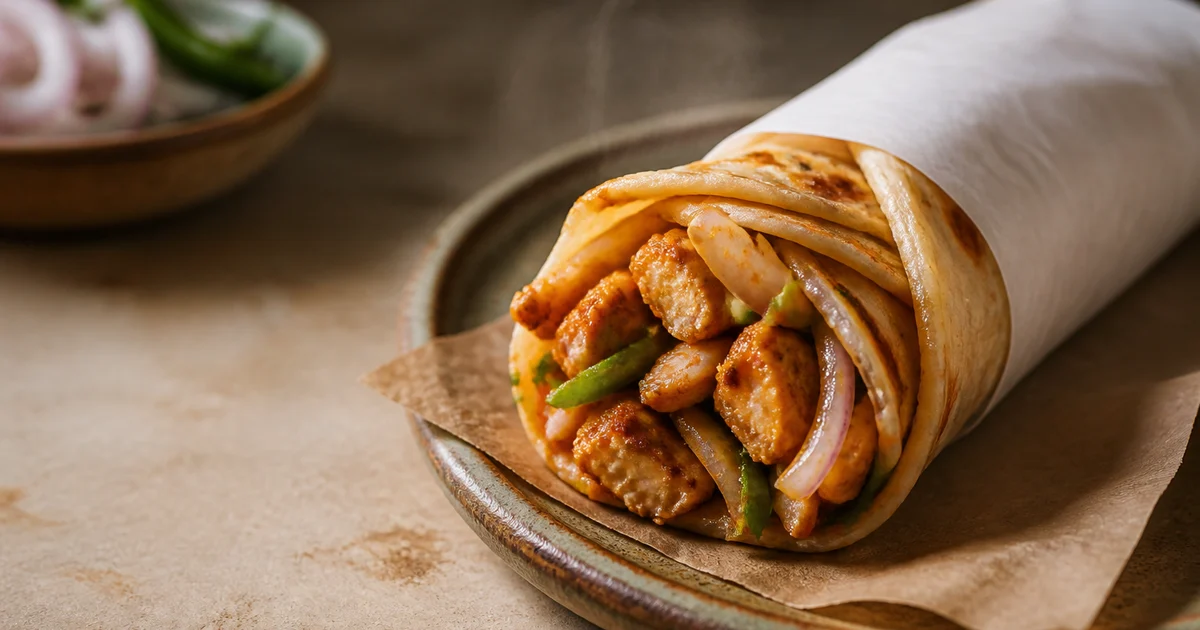
Commercial Bangladeshi Chicken Roll Recipe
A commercial chicken roll recipe producing 40 large rolls with flaky paratha, spiced chicken, egg, fresh vegetables and controlled portions.
- Yield:
- 40 large chicken rolls
- Total:
- 2 hr 30 min
- Difficulty:
- Medium
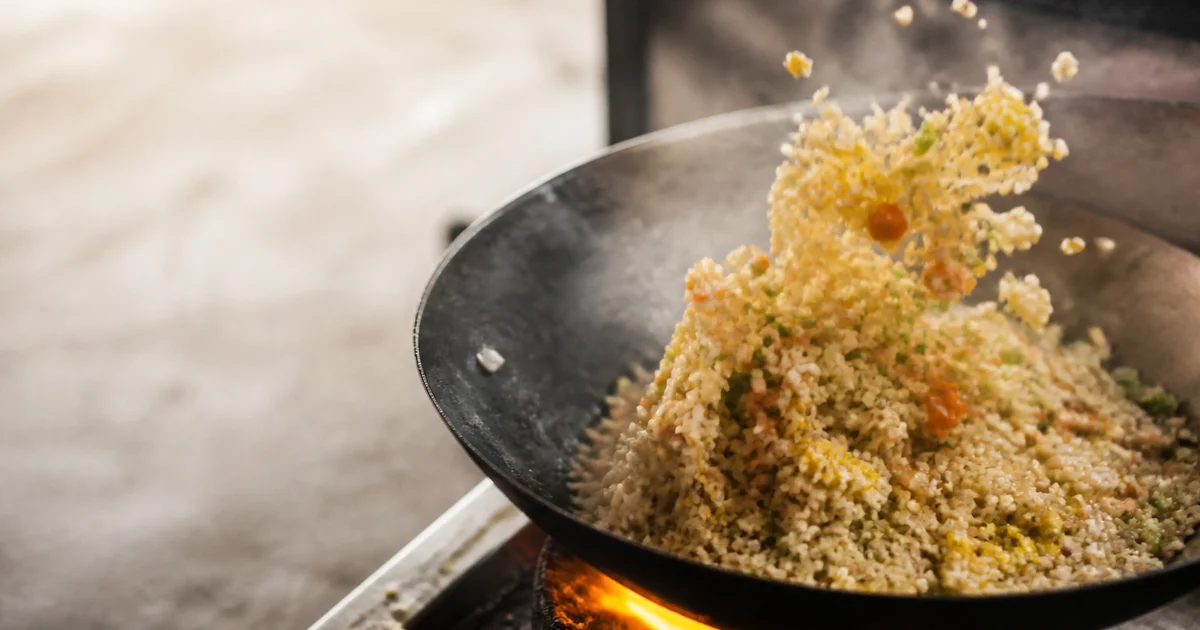
Chinese Fried Rice Recipe
A commercial Chinese fried rice recipe for about 40 plates, using properly chilled rice, controlled wok batches and pre-cooked components for fast service.
- Yield:
- about 40 plates
- Total:
- 1 hr 15 min
- Difficulty:
- Medium
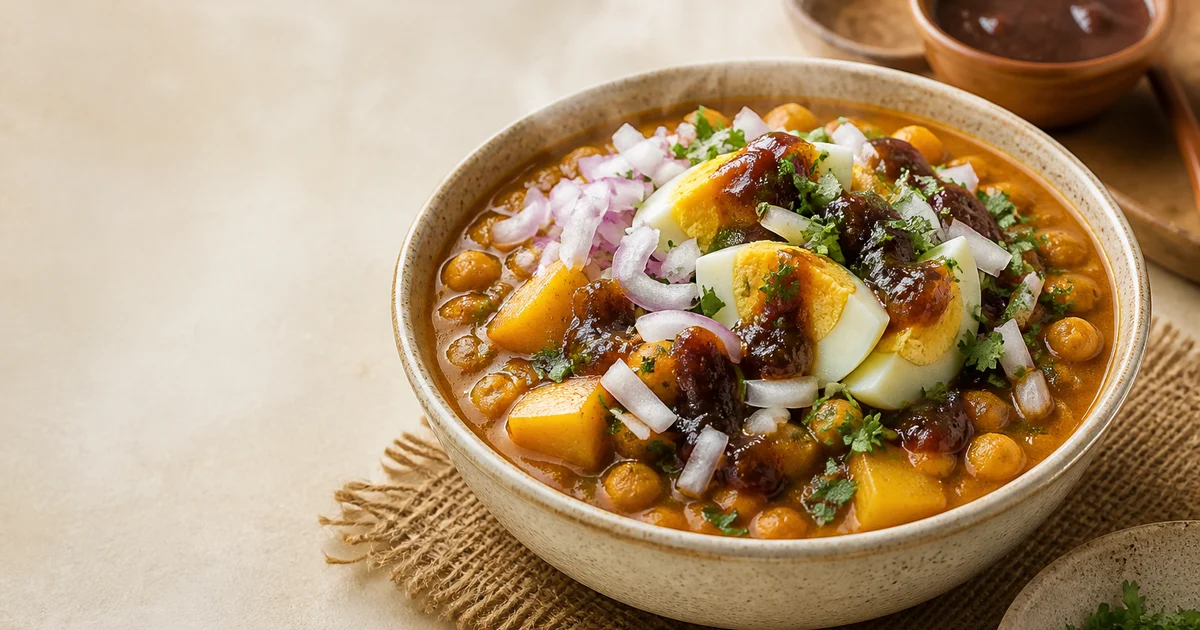
Commercial Chotpoti Recipe
A commercial chotpoti recipe for about 40 plates, covering dabli preparation, consistency control, topping setup, safe holding and portion accuracy.
- Yield:
- about 40 plates
- Total:
- 1 hr 45 min
- Difficulty:
- Medium
Run your restaurant on Rosuii
POS, menu, inventory, payroll and more — built for Bangladeshi restaurants.
Start free