
Restaurant Recipes
Commercial Chotpoti Recipe
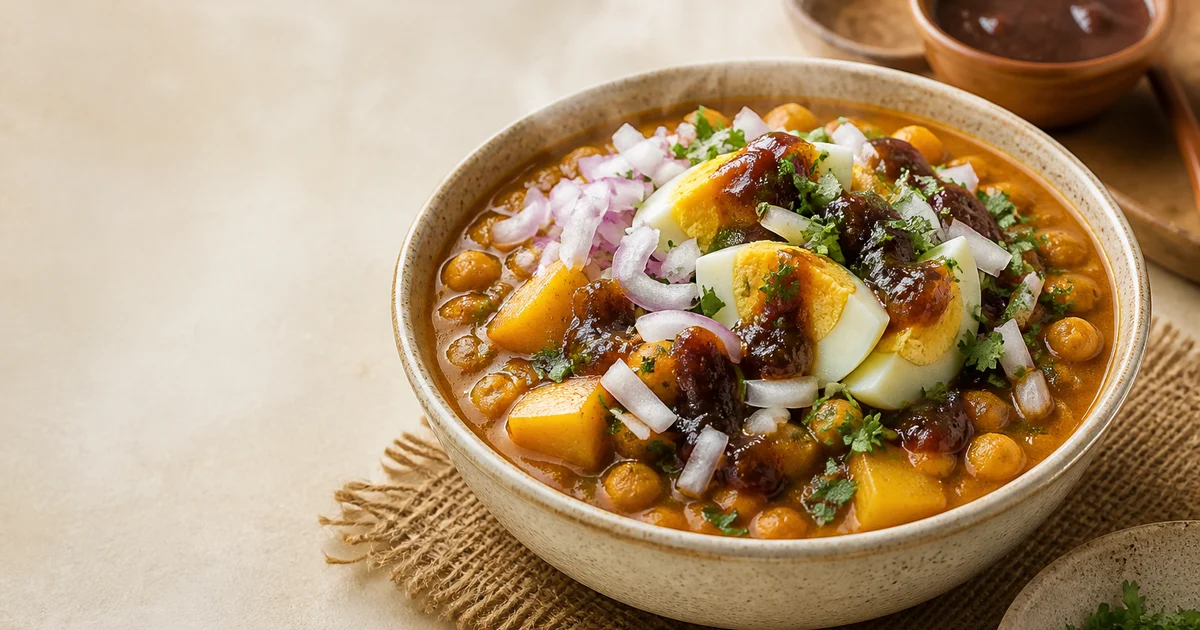
A commercial chotpoti recipe for about 40 plates, covering dabli preparation, consistency control, topping setup, safe holding and portion accuracy.
- Prep
- 30 min
- Cook
- 1 hr 15 min
- Total
- 1 hr 45 min
- Yield
- about 40 plates
- Difficulty
- Medium
- Cuisine
- Bangladeshi
Method
- 1
Sort and soak dabli
Cover the washed dabli with about 8 litres of water and mix in the baking soda. Soak for 10 to 12 hours below 25°C, using refrigeration when the kitchen is hotter. The peas should swell evenly without a sour smell; drain and rinse thoroughly before cooking.
- 2
Simmer peas until tender
Place the soaked dabli in the stockpot and add fresh water to cover it by 5 cm. Bring to a boil, skim the foam, then maintain 96 to 98°C for 50 to 75 minutes. Stir every 8 to 10 minutes and add boiling water when needed; a finished pea should crush easily without a hard centre.
- 3
Cook potatoes separately
Cover the potato cubes with water and simmer at 95 to 98°C for 8 to 10 minutes. Drain when the edges are tender but the cubes still hold their shape. Do not cook until crumbly because the potatoes will soften further in the hot base.
- 4
Prepare tamarind chutney
Soak the tamarind in 2.5 litres of hot water for 15 minutes, then knead and strain it. Simmer the liquid with jaggery, black salt, 20 g regular salt and 20 g roasted cumin at 90 to 95°C for 8 to 10 minutes. The chutney should coat a spoon lightly but remain easy to pour when cool.
- 5
Boil and chill eggs
Lower the eggs into simmering water and cook at 96 to 98°C for 10 to 11 minutes. Transfer immediately to iced or very cold water for 10 minutes, then peel and halve. Refrigerate the covered egg halves at 5°C or below until service.
- 6
Season the hot base
When the dabli is fully tender, add the remaining salt, turmeric, red chilli, remaining roasted cumin and roasted coriander. Simmer at 90 to 95°C for 8 minutes while stirring from the bottom. Crush 10 to 15 percent of the peas against the pot until the liquid looks glossy and lightly thickened.
- 7
Fold in potatoes
Add the drained potato cubes and fold gently through the seasoned dabli. Simmer for 5 minutes at 90 to 95°C without hard boiling. Adjust with boiling water until the base flows slowly from a ladle while whole peas and potato remain visible.
- 8
Prepare topping station
Place onion, cucumber, green chilli, coriander and egg in separate chilled inserts at 5°C or below. Keep only enough for 30 to 45 minutes of service at the counter. The vegetables should remain crisp, dry and free from pooled liquid.
- 9
Check batch and portions
Weigh the finished hot base and adjust it to approximately 8.4 kg with boiling water if necessary. Taste one 200 g portion with chutney and toppings, then correct salt or heat in the main pot. The plate should be tangy and moist without a ring of thin liquid.
- 10
Hold and assemble orders
Hold the base above 60°C and stir every 15 minutes, adding boiling water in 250 ml amounts when it thickens. For each plate, serve 200 g base, about 45 ml chutney, half an egg and measured fresh toppings. Finish with coriander and two crushed fuchka shells, aiming to complete assembly within 45 to 60 seconds.
Notes for your kitchen
This commercial chotpoti recipe produces about 40 plates with 200 g of hot dabli base per serving. It is designed for a Bangladeshi food cart, snack shop or restaurant preparing the base in advance and finishing each order with tamarind chutney, egg and fresh toppings. The stated production time excludes the overnight soaking period.
Why chotpoti works for commercial service
Chotpoti works commercially because one controlled batch can be held hot and assembled into a finished plate in less than one minute. Most of the cooking happens before service, while the final assembly uses measured toppings. The same base can also support menu variations such as extra egg, extra chutney or added fuchka without changing the main production process.
The operational challenge is consistency. Cooked dabli continues to absorb water during holding, so a base that looks correct at opening can become thick and pasty later. A successful cart keeps hot water or light reserved cooking liquid beside the pot and adjusts in small measured additions rather than flooding the whole batch.
Ingredient selection and quality
The quality of the dried dabli peas and tamarind matters more than expensive spices. Buy dabli from a supplier with regular stock movement because old peas hydrate unevenly and take much longer to soften. Reject peas with insect damage, a musty smell or excessive broken pieces. Keep each supplier lot separate until its cooking time is tested.
Dabli should become soft enough to crush between two fingers while most peas remain visible. Baking soda helps difficult peas soften, but excess soda creates a soapy taste and turns the batch into paste. The small measured amount in this formula must be washed away after soaking.
Use firm potatoes that hold their shape after boiling. Watery cucumber and roughly cut onion release liquid into the plate, so drain washed vegetables well and cut them shortly before service. Tamarind should taste sharply sour without a stale or fermented odour. Jaggery balances acidity, but the chutney must remain sour enough to cut through the starchy base.
Controlling the dabli base
The correct chotpoti base is spoonable and glossy, with soft whole peas suspended in a thick broth. It should not stand like mashed potato, and liquid should not separate around the edge of the plate. Start cooking with enough water for the peas to move freely, but avoid adding all available water at once because different dabli lots absorb different amounts.
Keep the cooking temperature at a steady simmer rather than a violent boil. Hard boiling breaks the peas before their centres soften and increases scorching around the bottom of a commercial pot. Stir from the base every 8 to 10 minutes with a flat paddle. When the peas are tender, crush roughly 10 to 15 percent against the side of the pot; this naturally thickens the broth without flour or starch.
Cook the potato separately and combine it only after the dabli is tender. This prevents potato starch from hiding undercooked peas and gives better control when reheating. Final seasoning should be checked at serving temperature with a measured spoonful of chutney because black salt, tamarind and toppings alter the finished balance.
Scaling the batch correctly
Scale chotpoti by weight, but change the cooking vessel and heat input before changing the cooking time. A half batch can use exactly half of every ingredient, provided the peas still have enough water depth to circulate. For a double batch, use two pots when possible rather than filling one pot close to the rim.
A deeper pot heats less evenly and makes the bottom more likely to scorch. A doubled batch may require longer to return to a simmer, but properly soaked peas do not automatically need twice the cooking time. Test tenderness from the centre and edge of the pot. Record water additions and cooking time for each dabli supplier lot so the next production is predictable.
Holding, cooling and reheating
Hold the cooked base at 60°C or above and adjust its consistency with boiling water in small additions. Stir every 15 minutes, scraping the bottom and corners. Add 250 ml of boiling water at a time, stir fully and wait two minutes before deciding whether more is required. For best texture, plan to sell the hot batch within four hours.
If the base will be used the next day, cool it quickly rather than leaving it in the stockpot. Transfer it into shallow food-grade pans, cool from 60°C to 21°C within two hours and then to 5°C or below within a further four hours. Refrigerate covered and use within 48 hours. Reheat only the quantity needed to at least 74°C, then return it to hot holding above 60°C; repeated cooling and reheating breaks the peas and increases food-safety risk.
Keep boiled eggs, onion, cucumber and coriander at 5°C or below. Place only a small service quantity at the cart station and replenish it every 30 to 45 minutes. Do not return warm, handled toppings to the main chilled container.
Fast egg and topping station
A fast chotpoti station keeps every topping in service order and gives each item its own portion tool. Arrange the hot base first, followed by chutney, onion, cucumber, green chilli, egg, coriander, spice and crushed fuchka. This lets one operator build a plate without crossing hands or searching for containers.
Boil, chill and peel the eggs before the rush, then cut each egg into two equal portions. Store the halves covered so the yolks do not dry out. Use a small ladle for chutney, fixed spoons for onion and cucumber, and tongs for egg. At peak service, one worker can ladle the base while a second worker completes toppings and hands over the plate.
Keep the main topping stock in refrigeration and use shallow, covered inserts at the station. Replace inserts instead of topping up old product with fresh product. This improves hygiene and makes remaining stock easier to count after service.
Portioning and yield control
This batch should finish at approximately 8.4 kg of hot base, giving about 40 saleable plates after normal pot residue. Standardise each plate with 200 g base, about 45 ml chutney, half an egg, measured onion and cucumber, coriander and two crushed fuchka shells. Weigh the first five portions at opening and recheck after any staff change.
A ladle must be calibrated with the actual finished base, not with water, because thick chotpoti fills differently. Mark the target fill line or establish a fixed number of level ladles. The practical methods in this portion control guide help stop larger late-service portions from consuming the last plates of the batch.
Mistakes that waste money
The most expensive chotpoti mistakes are poor soaking, uncontrolled water additions and unmeasured toppings. Short soaking extends fuel use and produces peas that split outside while remaining hard inside. Leaving soaked dabli in a hot room until it ferments creates sour flavour and can force disposal of the entire batch.
- Adding excess baking soda: This damages flavour, darkens the liquid and turns peas mushy.
- Salting or acidifying too early: Tamarind added before the peas soften can slow tenderising. Keep the chutney separate until plating.
- Using cold water during service: Cold additions drop the holding temperature and create uneven texture. Use boiling water.
- Keeping toppings at room temperature: Onion, cucumber and egg lose quality quickly in Bangladeshi heat. Refill the station in small quantities.
- Free-pouring chutney: Excess chutney hides the base flavour, makes the plate watery and reduces the expected yield.
- Overfilling the holding pot: Heavy batches scorch at the bottom while the upper layer appears thin, creating both flavour loss and cleaning labour.
Keeping food cost stable
Stable chotpoti cost depends on supplier consistency, measured yield and accurate waste records. Track the dry-to-cooked yield of every dabli purchase and compare suppliers by usable output, not only by bag weight. Use recipe costing with the actual number of plates sold, then review damaged eggs, unused chopped vegetables and leftover base through reducing wastage practices.
Rosuii can record the dabli base as a production that turns raw stock into a finished batch, while wastage and item-sales reports help compare planned yield with actual sales. Keep chutney and toppings in separate stock records because their usage can vary even when base portions remain stable.
What drives the cost
Dried dabli peas, eggs and fresh toppings account for most of the variable ingredient cost. Cost moves with dabli quality and cooking yield, egg size, seasonal cucumber and coriander rates, and topping over-portioning.
Ingredient rates move with the market, so this describes what drives the cost rather than quoting a figure.
Questions from kitchens
Can this chotpoti recipe be doubled for 80 plates?
How long can chotpoti stay in hot holding?
How long does cooked chotpoti last under refrigeration?
Can regular chickpeas replace dabli peas?
Why did the batch produce fewer than 40 plates?
Related recipes
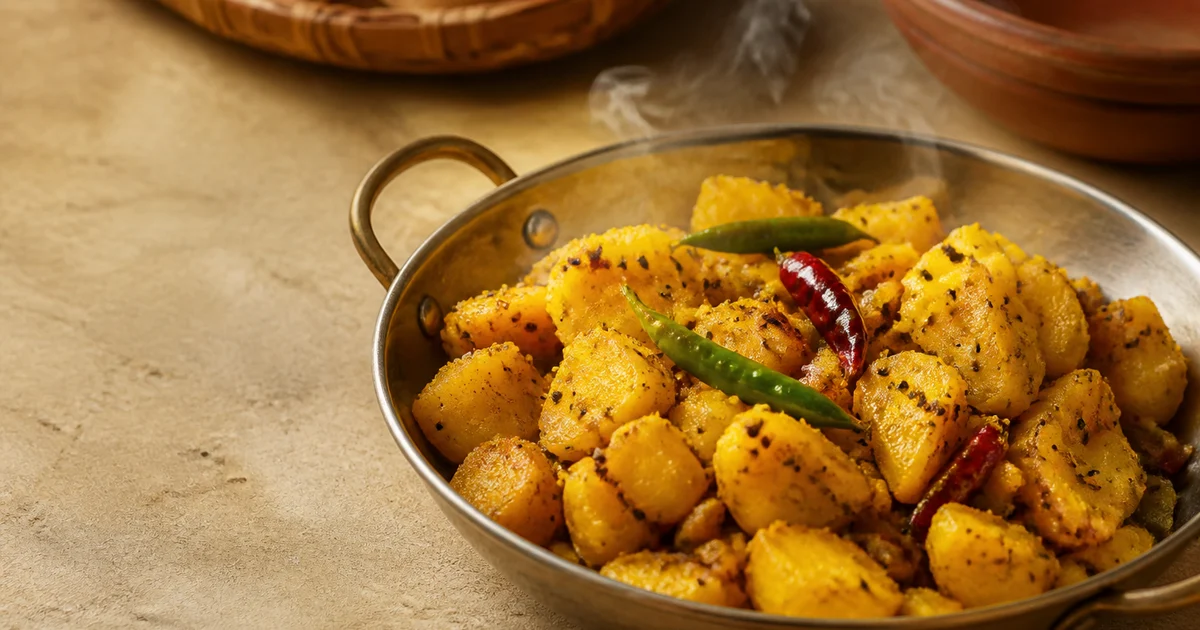
Commercial Alu Bhaji Recipe
A 5 kg commercial alu bhaji batch for about 40 breakfast plates, with precise cutting, fast morning-rush cooking, hot holding and yield control.
- Yield:
- about 40 plates
- Total:
- 1 hr 15 min
- Difficulty:
- Easy
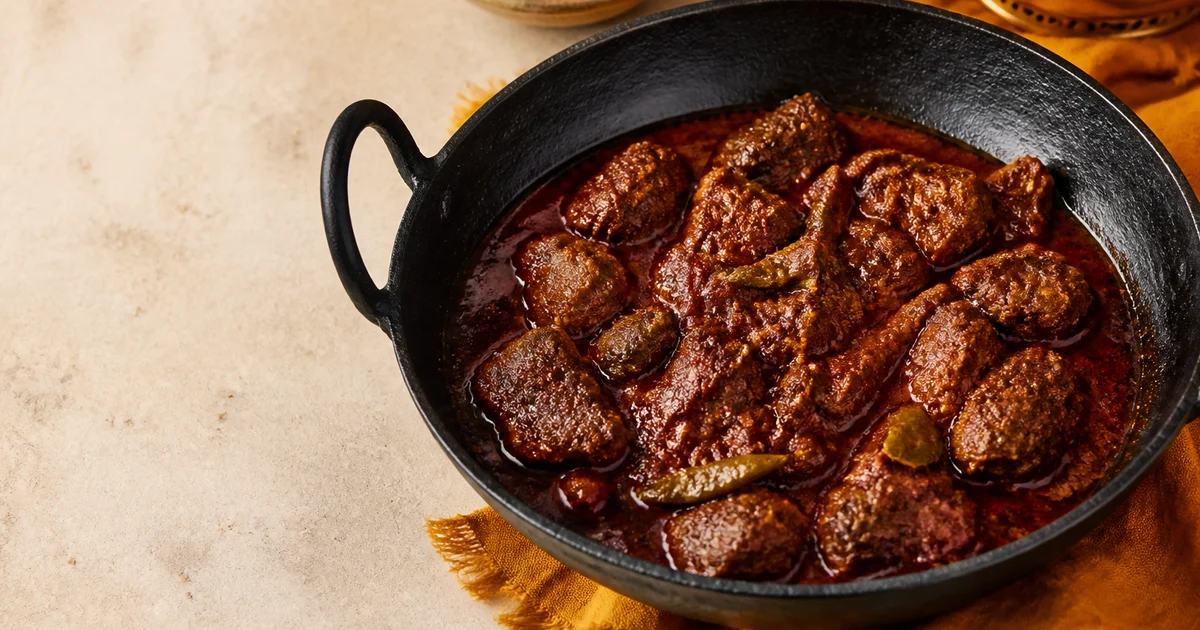
Commercial Beef Bhuna Recipe
A commercial beef bhuna recipe for about 40 plates, with a long bhuna stage, clear oil-separation cues, controlled portions and service-safe reheating.
- Yield:
- about 40 plates
- Total:
- 4 hr 15 min
- Difficulty:
- Medium
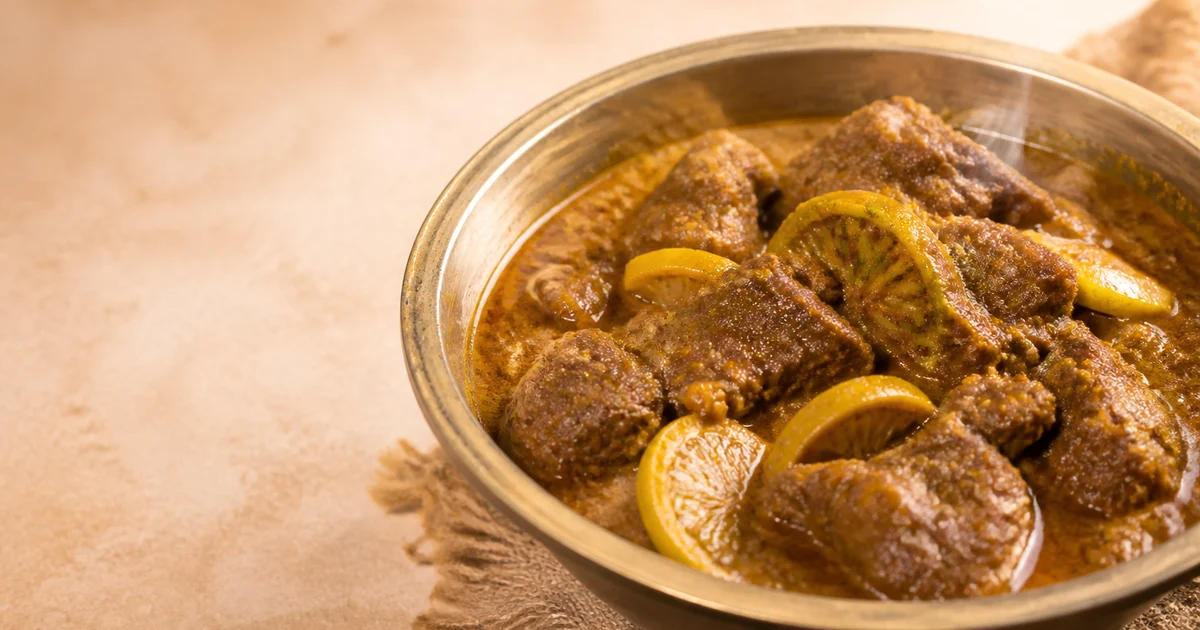
Commercial Beef Shatkora Recipe
A commercial Sylheti beef shatkora recipe for 30 plates, with controlled citrus bitterness, batch scaling, holding, reheating and yield guidance.
- Yield:
- about 30 plates
- Total:
- 3 hr 15 min
- Difficulty:
- Medium
Run your restaurant on Rosuii
POS, menu, inventory, payroll and more — built for Bangladeshi restaurants.
Start free