
Restaurant Recipes
Commercial Alu Bhaji Recipe
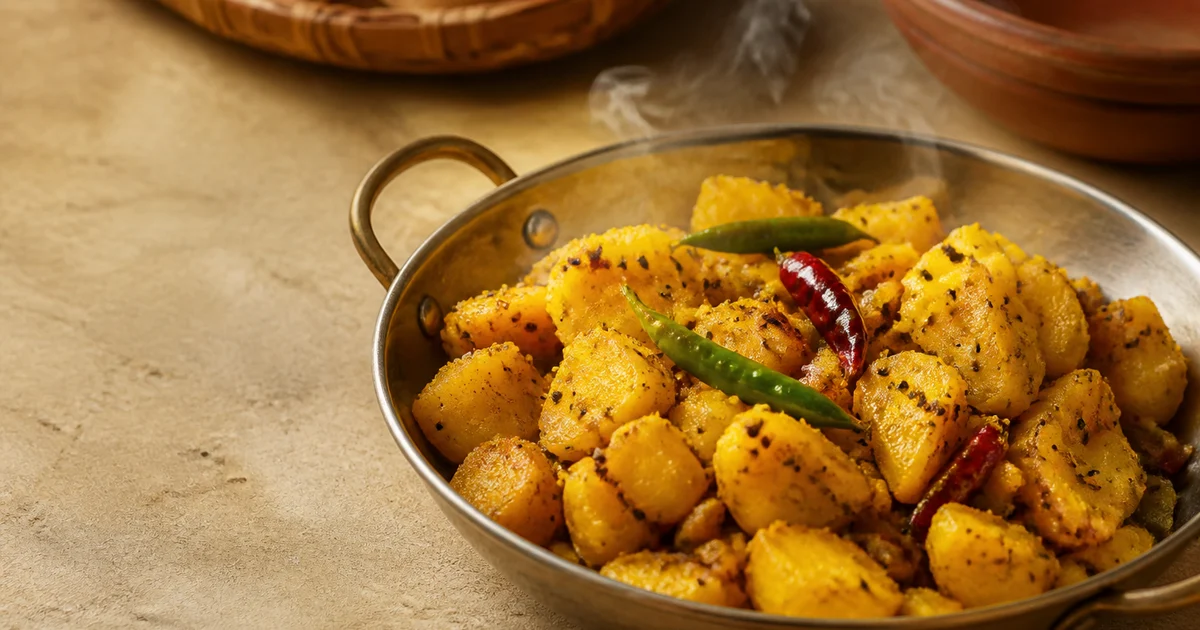
A 5 kg commercial alu bhaji batch for about 40 breakfast plates, with precise cutting, fast morning-rush cooking, hot holding and yield control.
- Prep
- 30 min
- Cook
- 45 min
- Total
- 1 hr 15 min
- Yield
- about 40 plates
- Difficulty
- Easy
- Cuisine
- Bangladeshi
Method
- 1
Inspect and wash potatoes
Reject green, sprouted, rotten or badly bruised potatoes before weighing the batch. Wash in potable water below 25°C for 3 to 5 minutes until no soil remains visible. Drain before peeling so the preparation bench stays controlled and clean.
- 2
Peel and cut evenly
Peel thinly and cut the potatoes into batons 8 to 10 mm thick and 40 to 50 mm long. Complete cutting within 20 minutes, keeping finished pieces in clean cold water to prevent browning. The pieces should look uniform, without very thin ends that will break.
- 3
Rinse and drain well
Rinse the cut potatoes once in cold potable water, then drain in a large colander for 10 minutes. Keep them below 5°C if they will not be cooked within 30 minutes. They are ready when no water is dripping from the colander and the surfaces feel damp rather than wet.
- 4
Heat oil and spices
Heat the kadai over medium-high heat and bring the oil to approximately 165 to 175°C. Add the dried chillies and panch phoron, then fry for 20 to 30 seconds. The seeds should crackle and smell aromatic but must not turn black.
- 5
Soften onions and chillies
Add the sliced onions and green chillies, then cook at 150 to 160°C for 5 to 7 minutes. Stir every minute so the onions soften evenly. Stop when they are translucent with a few pale-golden edges, not dark brown.
- 6
Coat and season potatoes
Add the drained potatoes, turmeric and salt, using one 60 cm kadai or dividing everything evenly between two smaller pans. Cook uncovered over medium-high heat for 5 minutes, lifting from the bottom every 60 to 90 seconds. Every baton should have a thin yellow coating and the pan should sound like a steady fry rather than a wet simmer.
- 7
Cover and steam gently
Add the hot water around the edges, cover immediately and reduce the heat to maintain a gentle steam at approximately 95 to 100°C inside the pan. Cook for 12 to 15 minutes, turning carefully every 4 to 5 minutes. The potatoes should become nearly tender while still holding their straight shape.
- 8
Dry and finish bhaji
Remove the lid and cook over medium-high heat for 10 to 12 minutes. Turn with a wide spatula every 2 to 3 minutes until visible moisture is gone and some edges are lightly golden. Check the largest pieces; a small knife should enter without resistance and the centre should be steaming hot.
- 9
Add coriander and hold
Fold in the coriander leaves for 30 seconds, switch off the heat and rest uncovered for 3 minutes. Weigh the finished batch while hot and transfer it to shallow holding pans. Hold at 60°C or above, with the bhaji looking dry and separate rather than compressed or watery.
Notes for your kitchen
Why alu bhaji works commercially
Alu bhaji works as a commercial breakfast side because potatoes are economical, familiar and easy to serve with paratha, roti, dal or egg. The flavour is mild enough for a broad customer base, while green chilli, panch phoron and coriander keep it recognisably Bangladeshi. It also uses one main pan and can be prepared before the morning rush.
The main commercial risk is inconsistency. Uneven potato pieces produce a mixture of raw centres and broken mash, while excessive oil makes the cheapest side unnecessarily expensive. This batch starts with 5 kg potatoes and produces approximately 4.5 to 4.8 kg finished bhaji, depending on peeling loss and cooking time.
Selecting potatoes and other ingredients
Mature, firm potatoes with moderate starch give the best balance of shape, tenderness and fast cooking. Avoid green, sprouted, wet or badly bruised potatoes. Very waxy potatoes remain firm but take longer to absorb seasoning, while highly floury potatoes can collapse during repeated stirring.
Buy potatoes in a reasonably uniform size so peeling and trimming are predictable. Small potatoes can create higher peeling labour and waste, while oversized potatoes sometimes contain hollow or discoloured centres. Cut open a sample from each new delivery before accepting a large quantity.
Fresh oil quality matters because old or overheated oil gives the entire batch a stale smell. Onion quality affects sweetness and finished yield, but premium large onions are not necessary. Use firm onions without wet rot. Panch phoron should smell fresh and aromatic; dusty, odourless spice contributes little even when more is added.
Cutting potatoes for even cooking
Potatoes for batch alu bhaji should be cut into uniform batons about 8 to 10 mm thick and 40 to 50 mm long. Pieces thinner than this break during stirring and holding. Thick wedges take longer to cook and can remain firm in the centre after the outside has browned.
Use a sharp knife, commercial vegetable cutter or manual chip cutter with the correct blade. Standardise one cutting method for every cook. Rinse the cut potatoes once to remove loose surface starch, then drain thoroughly; repeated washing removes useful starch and wet potatoes cool the pan.
Do not leave peeled potatoes exposed to air because they discolour. For advance preparation, keep them submerged in clean cold water at 5°C or below, then drain for at least 10 minutes before cooking. Same-service potatoes should not remain soaking unnecessarily.
Cooking technique for a dry bhaji
Good alu bhaji is cooked by combining controlled steaming with a final uncovered fry. Frying raw potatoes entirely in oil uses too much oil and requires constant attention. Boiling them separately introduces water, increases handling and makes breakage more likely.
Start with a wide, fully heated pan so the spices bloom immediately rather than soaking in cool oil. Cook the onions only until softened and lightly coloured; dark onions can burn during the remaining cooking time. After adding the potatoes, coat every piece with the seasoned oil before adding the small measured quantity of water.
The covered stage traps steam and cooks the centres. Stir by lifting and turning from the bottom rather than chopping through the batch. During the uncovered stage, moisture should evaporate and a few edges should turn golden. Finished potatoes should accept a small knife without resistance but should not crumble when lifted.
Scaling the batch correctly
Scale ingredients by weight, but scale pan space and cooking loads separately. A double batch packed into one kadai does not behave like the original recipe. It steams slowly, needs more stirring and often breaks before the centre pieces are cooked.
Keep the potato layer no deeper than approximately 6 to 7 cm. For this 5 kg batch, use one 60 cm heavy kadai or two 45 cm pans operating together. When producing half a batch, a 40 to 45 cm pan is suitable, but reduce the added water cautiously because a shallow batch loses less time heating and may cook faster.
Maintain approximately 50 to 60 ml oil per kilogram of raw potato unless the potato variety has been tested to need less. Water should remain a controlled steaming aid, not a gravy. Record the actual finished weight from each potato supplier and compare it through proper recipe costing.
Holding and reheating for service
Hold cooked alu bhaji at 60°C or above and plan to sell the batch within two hours for the best texture. Use a covered hot-holding pan, but leave a small vent so condensation does not drip heavily onto the potatoes. A deep container compresses the bottom layer, so use shallow pans no deeper than 8 cm.
Stir gently every 20 to 30 minutes and check the centre temperature with a clean probe. Do not add water during holding unless the bhaji is being reheated, because added water makes the surface pasty. Set a maximum four-hour hot-holding limit even when temperature control is maintained; texture and aroma continue to decline.
For planned leftovers, cool rapidly in shallow trays from 60°C to 21°C within two hours and from 21°C to 5°C within a further four hours. Refrigerate covered and use within 24 hours. Reheat only once, in small batches, until the centre reaches at least 74°C, then return it to hot holding above 60°C.
Portioning and yield control
A standard breakfast-side portion of 105 to 110 g gives about 40 sellable plates with a small production allowance. Use the same ladle, portion spoon or digital scale at the service counter. A heaped spoon is not a reliable measure because baton size and server technique change the amount.
Weigh the peeled potatoes to monitor preparation loss, then weigh the complete cooked batch before service. Peeling and trimming loss should normally remain at or below about 10 percent when sound potatoes are used. A higher loss points to poor incoming quality, over-peeling or untrained preparation staff.
Record staff meals, complimentary portions and discarded holding leftovers separately from sales. Rosuii's productions feature can record raw materials converted into a finished alu bhaji batch, while wastage and item-sales records help explain yield differences. A written portion control standard prevents an inexpensive side from quietly reducing breakfast margin.
Mistakes that cost money
The most expensive alu bhaji mistakes are over-peeling, overcrowding, uncontrolled oil and cooking more than the rush can sell. Overcrowding extends cooking time and labour, while aggressive stirring converts saleable batons into oily broken potato. Adding extra oil to stop sticking usually hides a cold pan, weak seasoning layer or unsuitable cookware.
- Uneven cuts: Small pieces break before large pieces become tender.
- Poor draining: Surface water cools the oil and creates a soft, wet batch.
- Too much water: Potatoes absorb unevenly and lose their fried texture.
- High final heat: Spices and onions burn before moisture has escaped.
- Long holding: Condensation softens the surface and coriander loses freshness.
- Unrecorded leftovers: Production appears profitable even when unsold food is discarded.
Cook a smaller opening batch when demand is uncertain, then prepare a second load for the later rush. This usually protects quality better than holding one oversized batch all morning and supports systematic reducing wastage.
Keeping food cost stable
Stable alu bhaji cost comes from controlling potato yield, oil use and portion weight rather than buying the cheapest damaged potatoes. Compare suppliers by usable peeled yield, not sack weight alone. Cheap potatoes with rot, green areas or deep eyes can create more waste and labour.
Issue measured oil to the cook instead of pouring directly from a large container. Set a daily production forecast from breakfast sales history and prepare potatoes in planned batches. Keep a simple record of raw potato weight, peeled weight, cooked yield, portions sold and leftovers. These figures show whether the problem is purchasing, preparation, cooking or service.
What drives the cost
Potatoes dominate the ingredient cost, followed by cooking oil and onions. Potato season, supplier grade, peeling loss, oil absorption and portion size create the largest movement in the finished cost.
Ingredient rates move with the market, so this describes what drives the cost rather than quoting a figure.
Questions from kitchens
Can this alu bhaji recipe be doubled for 80 plates?
How long can alu bhaji be held for breakfast service?
Can mustard oil replace soybean oil?
How long does cooked alu bhaji last under refrigeration?
Why did the batch produce fewer than 40 portions?
Related recipes
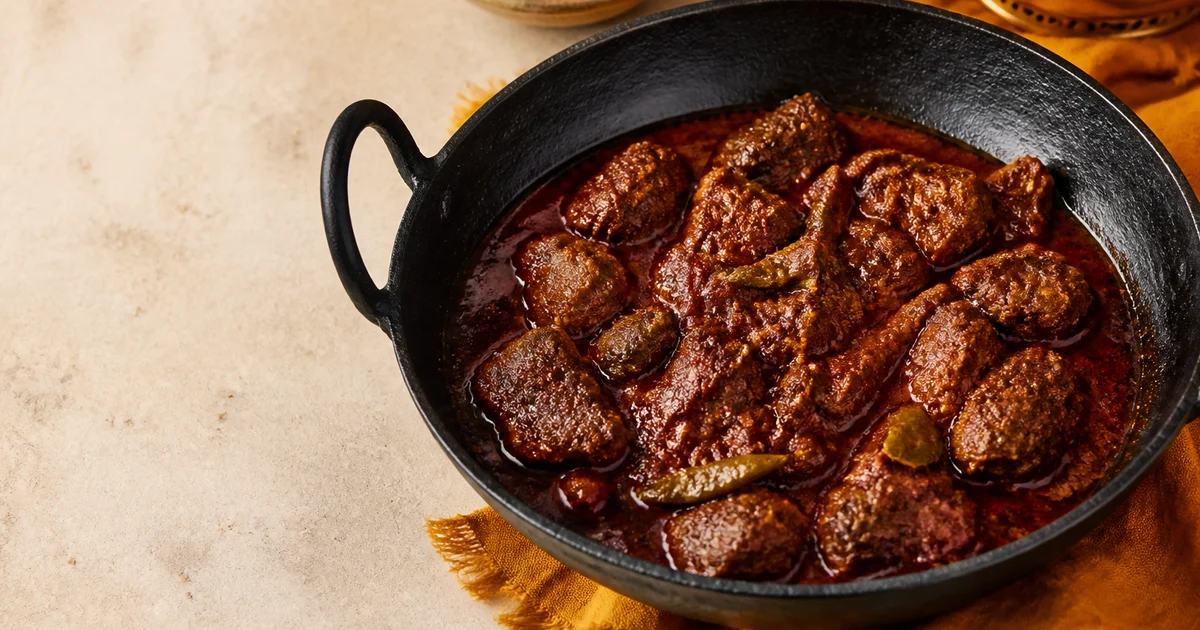
Commercial Beef Bhuna Recipe
A commercial beef bhuna recipe for about 40 plates, with a long bhuna stage, clear oil-separation cues, controlled portions and service-safe reheating.
- Yield:
- about 40 plates
- Total:
- 4 hr 15 min
- Difficulty:
- Medium
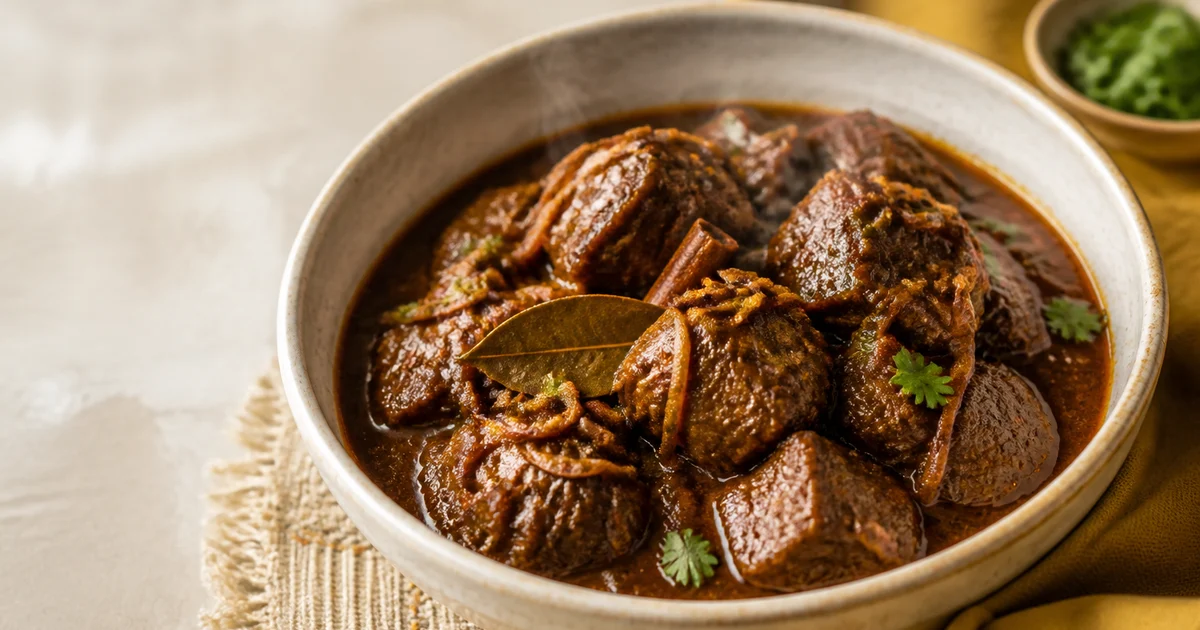
Commercial Beef Kalia Recipe
A commercial beef kalia recipe for about 40 plates, with tender bone-in beef, festive ghee-rich gravy, controlled portions and service guidance.
- Yield:
- about 40 plates
- Total:
- 4 hr
- Difficulty:
- Medium
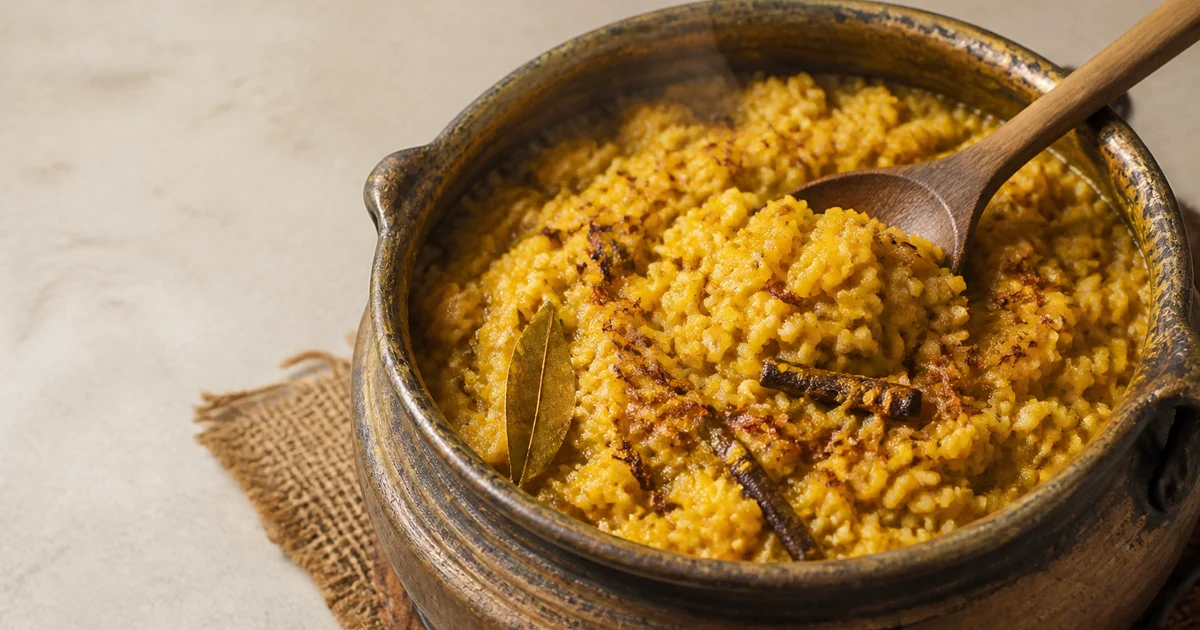
Commercial Bhuna Khichuri Recipe
A commercial bhuna khichuri recipe for about 40 plates, with a 2:1 rice-to-dal ratio, controlled moisture, service holding and yield guidance.
- Yield:
- about 40 plates
- Total:
- 1 hr 40 min
- Difficulty:
- Medium
Run your restaurant on Rosuii
POS, menu, inventory, payroll and more — built for Bangladeshi restaurants.
Start free