
Restaurant Recipes
Commercial Bhuna Khichuri Recipe
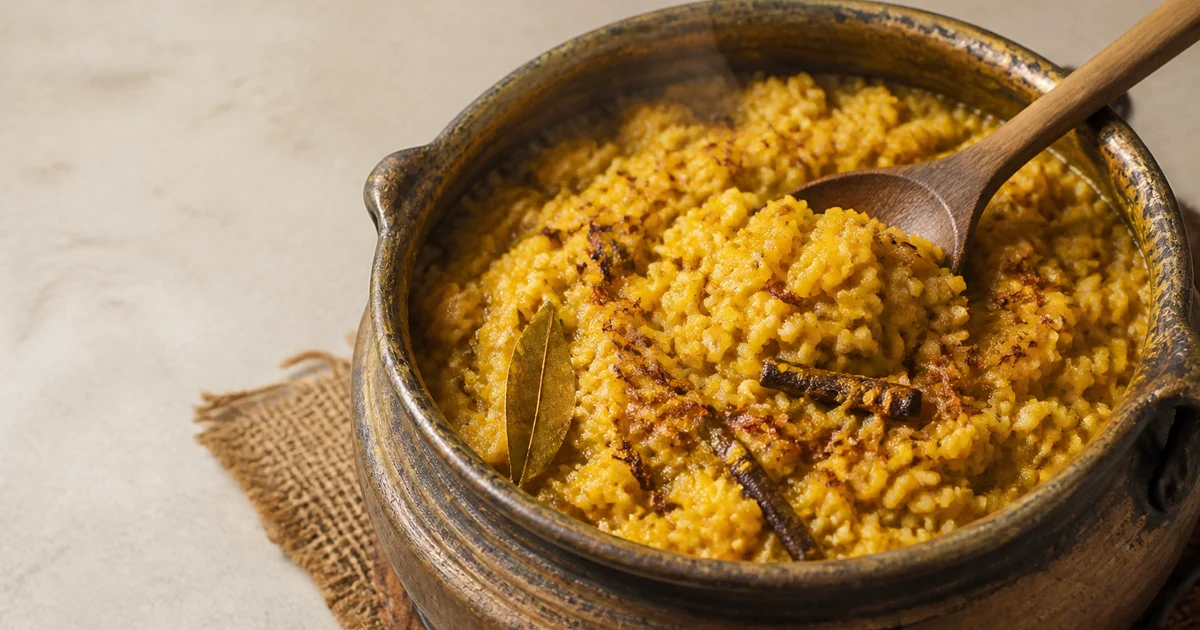
A commercial bhuna khichuri recipe for about 40 plates, with a 2:1 rice-to-dal ratio, controlled moisture, service holding and yield guidance.
- Prep
- 35 min
- Cook
- 1 hr 5 min
- Total
- 1 hr 40 min
- Yield
- about 40 plates
- Difficulty
- Medium
- Cuisine
- Bangladeshi
Method
- 1
Roast the moong dal
Heat the dry cooking pot over medium heat until its surface is about 150°C. Add the moong dal and stir continuously for 8 to 10 minutes until evenly golden and strongly nutty, with no black grains. Transfer it immediately to a tray so retained heat does not burn it.
- 2
Wash and drain grains
Cool the roasted dal for 2 minutes, rinse it quickly and drain well. Soak the washed rice for 15 minutes, then drain it in a colander for at least 10 minutes. Both grains should be damp but should not release standing water into the masala.
- 3
Brown the potato cubes
Heat the soybean oil and half of the ghee to about 170°C. Fry the potatoes for 8 to 10 minutes, turning until the edges are lightly golden but the centres remain firm. Lift them out and reserve while keeping the fat in the pot.
- 4
Build the spice base
Reduce the fat temperature to about 155°C and add bay leaves and whole garam masala for 30 seconds. Add onions and cook for 10 to 12 minutes until deep golden, then add ginger and garlic pastes. Cook for 3 minutes before adding powdered spices and green chillies, using a small splash of hot water to prevent scorching.
- 5
Bhuna rice and dal
Cook the masala for 4 to 5 minutes until the raw spice smell disappears and fat becomes visible at the edges. Add the drained rice and roasted dal, then fold over medium heat for 5 to 7 minutes. The grains should look glossy, separate and evenly coated without breaking.
- 6
Control the boiling liquid
Return the potatoes and add 7.2 litres of hot water with the salt. Bring the pot to a full 98°C to 100°C boil within 6 to 8 minutes, stirring once from the bottom. Taste the liquid for salt and keep the remaining hot water reserved for correction.
- 7
Finish on low heat
Cover and cook at a steady simmer for 12 minutes, then reduce the burner to its lowest setting. Cook for another 12 to 15 minutes until the liquid is absorbed and the rice is tender but still defined. If firm grain remains over a dry bottom, fold in reserved water 200 to 300 ml at a time.
- 8
Rest and standardise yield
Switch off the heat, spread the remaining ghee over the surface and keep the pot covered for 15 minutes. Fold gently from the bottom with a broad paddle, checking that the potatoes remain intact. Weigh the finished batch and portion at 300 to 320 g for about 40 plates.
Notes for your kitchen
This bhuna khichuri recipe produces about 40 controlled portions for restaurant, cafe or food-cart service. The batch uses a 2:1 rice-to-moong-dal ratio by weight, giving enough dal flavour without making the finished khichuri heavy or pasty. It is designed to yield roughly 12.5 to 13 kg, depending on rice age, draining time and final moisture.
Why bhuna khichuri works commercially
Bhuna khichuri works commercially because one batch can serve quickly as a main dish, side or combo base. It can be prepared before peak service, held in a rice warmer and portioned without last-minute cooking. The aroma of roasted moong dal, ghee and whole gorom moshla also carries well at a food cart or open counter.
For a rainy-day menu, pair a standard khichuri portion with dim bhuna, chicken roast, beef bhuna, begun bhaja or achar. Keep the protein as a variation or add-on rather than changing the khichuri portion for every order. This keeps service fast and makes the base yield easier to forecast.
Use the correct rice-to-dal ratio
A 2:1 ratio of rice to moong dal is the safest commercial standard for bhuna khichuri. More dal thickens the batch rapidly during holding, while too little dal produces something closer to spiced polao. Weigh both ingredients instead of measuring them with bowls, mugs or hand scoops.
Chinigura rice gives the expected Bangladeshi aroma and a slightly soft but separate grain. Kalijira can also be used, but the water requirement may differ. Select rice with limited broken grain because excess fragments release starch and make a large batch sticky. Older, well-dried rice generally stays more separate than newly milled rice.
Quality matters most in key ingredients
Rice, moong dal, ghee and spices have the greatest effect on the final quality. The dal should smell clean and nutty after roasting, not stale, damp or bitter. Buy an even grade so small pieces do not burn before the whole grains colour.
Use ghee for aroma but soybean oil for most of the frying because a large amount of ghee can make held khichuri greasy. Whole cardamom, cinnamon and cloves should be fresh enough to release fragrance within seconds of hitting hot fat. Ginger and garlic paste must not contain excess water, as watery paste slows browning and encourages the masala to taste boiled.
Roasting and bhuna technique build flavour
Dry-roasting the moong dal until evenly golden is the defining flavour step. A heavy pot and moderate heat are important because scorched dal remains bitter after cooking. Stir from the bottom continuously and stop when the grains are golden, aromatic and one or two shades darker than raw dal.
The masala must also cook until its raw smell disappears and the oil begins to show around the edges. When the drained rice and dal enter the pot, coat them in this concentrated masala before adding liquid. This brief bhuna stage firms the rice surface, distributes fat and reduces clumping. Stir with a broad paddle from the bottom, but do not crush the grains against the pot wall.
Moisture must be controlled at volume
Large-batch khichuri should receive most of its water at once, with a measured reserve kept for correction. For this batch, begin with about 7.2 litres of boiling water and retain the balance. Cold water interrupts cooking, extends the time spent in the sticky starch-release range and increases the risk of an uneven result.
After the first boil, the liquid should sit just above the grain and move freely when lifted with a paddle. Add reserved hot water in 200 to 300 ml amounts only if the grains are firm and the bottom is becoming dry. Do not add a full litre late in cooking. The top may appear dry while steam trapped underneath is still finishing the rice.
Pot shape changes evaporation. A wide pot loses more water than a tall steam-jacketed kettle, while a tightly sealed rice cooker loses very little. Record the actual water used after each successful batch rather than relying permanently on a theoretical ratio.
Scale by weight, not by pot size
Scale the rice, dal, fat, salt and spices proportionally, but adjust water for the equipment and batch depth. A half batch should retain the same 2:1 rice-to-dal ratio. It may need slightly more water per kilogram because a small quantity loses a greater share through evaporation.
Do not double this recipe in the same pot unless the vessel remains below 70 percent full after adding water. An overfilled pot boils unevenly, prevents safe bottom mixing and usually gives hard grains on top with broken rice underneath. For 80 plates, two controlled batches are safer than one overloaded batch unless the kitchen has a suitable kettle and trained staff.
Hold and reheat without making paste
Hold cooked bhuna khichuri at 60°C or above and aim to sell it within four hours for best texture. Transfer it to a preheated rice warmer or covered gastronorm pan without compressing it. Fold gently every 20 to 30 minutes and add only a small splash of boiling water if the surface is drying.
For later use, cool surplus rapidly rather than leaving it in the cooking pot. Divide it into shallow trays, cool from 60°C to 21°C within two hours and from 21°C to 5°C within a further four hours. Refrigerate covered and use within 24 hours. Reheat once to a core temperature of at least 74°C, adding limited hot water to restore softness, and do not mix reheated leftovers into a fresh batch.
Control portions and finished yield
A standard portion for this batch is 300 to 320 g of finished khichuri. Use one designated ladle or a digital scale during setup, then check several plates during service. A portion paired with a substantial protein can be smaller, while a khichuri-only main may need a larger declared size.
Weigh the empty holding pan and the filled pan to calculate the true finished yield. Compare that weight with portions sold, staff meals, samples and waste. The portion control process is especially important because an extra spoon on 40 plates can remove several complete portions from the batch.
Keep cost stable and reduce waste
Stable cost comes from fixed yields, controlled ghee use and consistent purchasing grades. Aromatic rice usually drives the base cost, while ghee and fresh spices can move it further. Track purchase yield and use a proper recipe costing sheet whenever rice grade, pack size or supplier changes.
Forecast rainy-day demand from past item sales instead of producing the largest possible batch immediately. Prepare cleaned and weighed dry ingredients in advance, then cook a second batch if sales justify it. Rosuii can record the batch as a production that converts raw materials into finished khichuri, while wastage and item-sales records help compare planned and actual yield.
Avoid the mistakes that cost money
The most expensive mistakes are scorched dal, uncontrolled water, oversized batches and inconsistent portions. Burnt dal cannot be corrected with extra spice or ghee. Excess water turns valuable aromatic rice into a weak, sticky product that customers may reject, while too little water produces hard grain and lower finished yield.
- Do not roast damp dal because it steams before browning.
- Do not leave washed rice soaking for an uncontrolled period.
- Do not use a thin aluminium pot over a concentrated high flame.
- Do not stir aggressively after the grains become soft.
- Do not keep topping up a deteriorating batch throughout the day.
- Do not estimate portions by eye during a busy rainy-day rush.
Record damaged batches and service leftovers instead of hiding them inside the next production. A regular reducing wastage review will show whether the problem comes from preparation, cooking, forecasting or portion size.
What drives the cost
Aromatic rice is the main cost driver, followed by ghee, moong dal and fresh spices. Cost moves with rice grade, broken-grain percentage, ghee usage, supplier consistency and the protein chosen for a combo.
Ingredient rates move with the market, so this describes what drives the cost rather than quoting a figure.
Questions from kitchens
Can this bhuna khichuri recipe be doubled for 80 plates?
How long can bhuna khichuri stay in a food-cart warmer?
Can ordinary polao rice replace Chinigura rice?
What is the refrigerated shelf life?
Why did the batch produce fewer than 40 plates?
Related recipes
Commercial Beef Bhuna Recipe
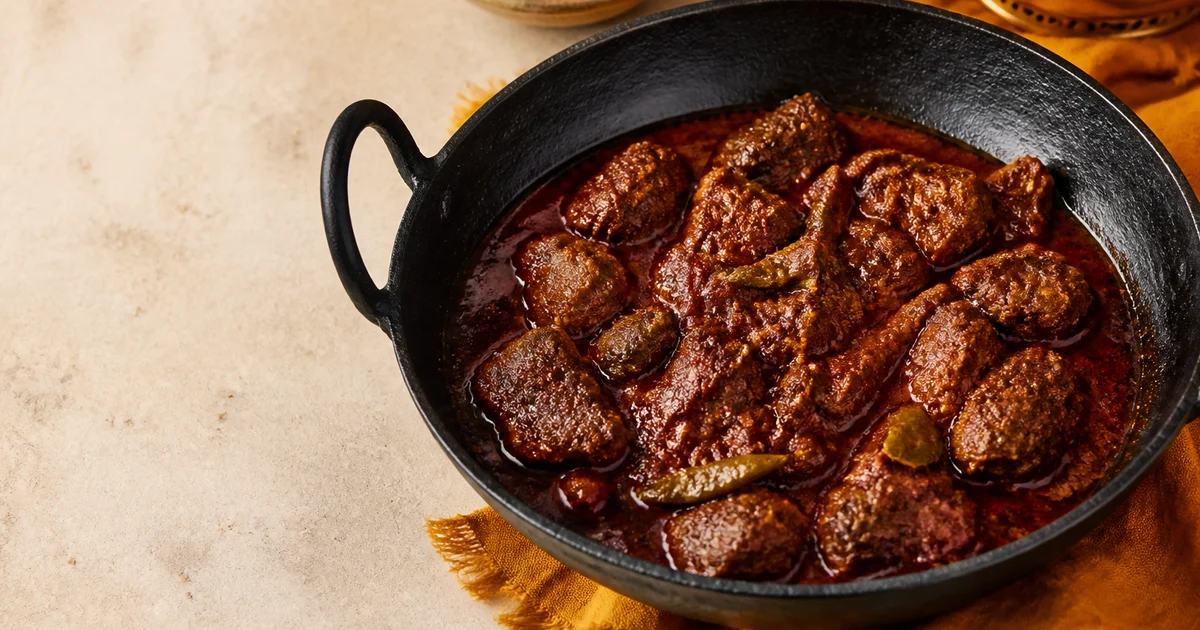
A commercial beef bhuna recipe for about 40 plates, with a long bhuna stage, clear oil-separation cues, controlled portions and service-safe reheating.
- Yield:
- about 40 plates
- Total:
- 4 hr 15 min
- Difficulty:
- Medium
Commercial Beef Kala Bhuna
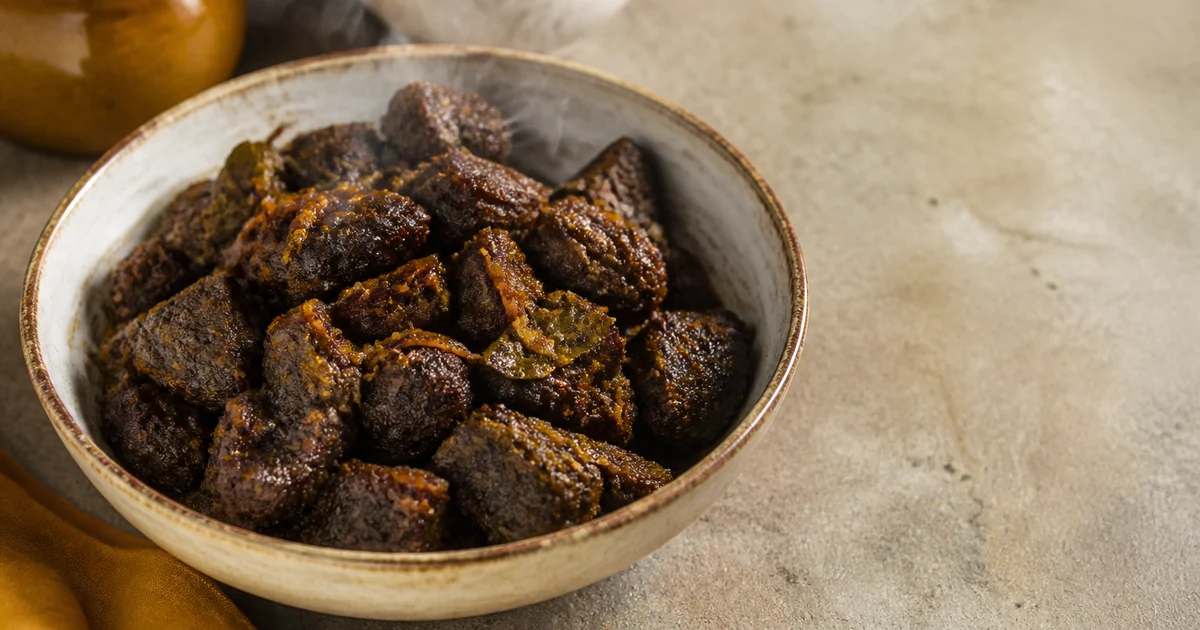
A commercial Chattogram-style beef kala bhuna recipe producing about 40 controlled portions with deep browning, roasted spices and service guidance.
- Yield:
- about 40 plates at 175 g
- Total:
- 4 hr 15 min
- Difficulty:
- Hard
Commercial Beef Kalia Recipe
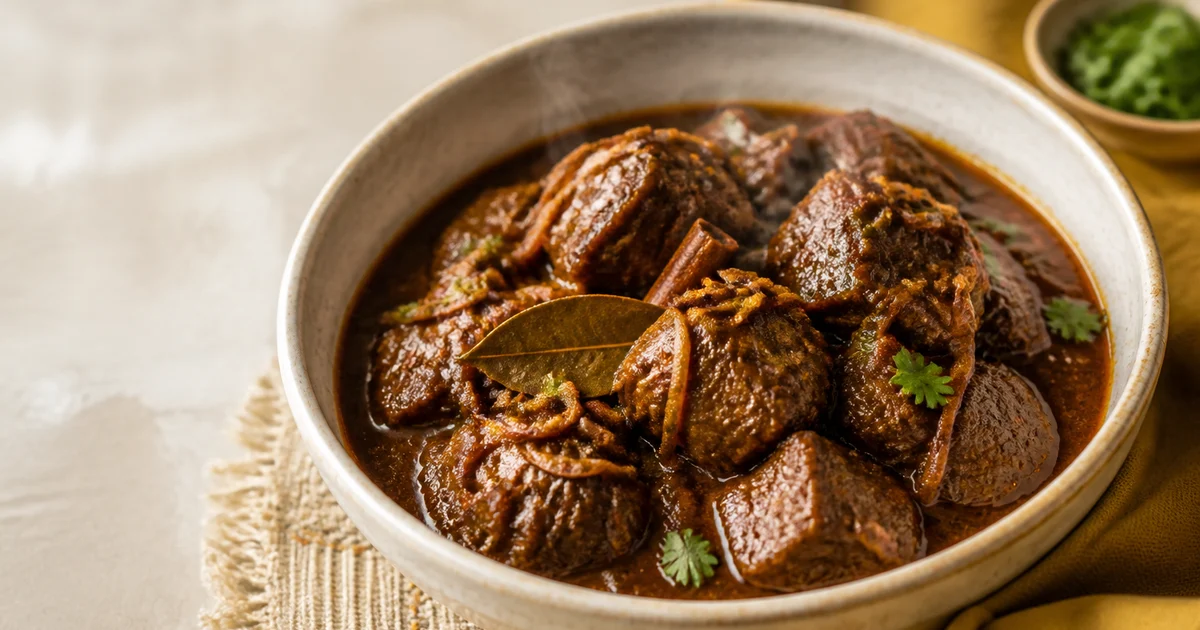
A commercial beef kalia recipe for about 40 plates, with tender bone-in beef, festive ghee-rich gravy, controlled portions and service guidance.
- Yield:
- about 40 plates
- Total:
- 4 hr
- Difficulty:
- Medium
Run your restaurant on Rosuii
POS, menu, inventory, payroll and more — built for Bangladeshi restaurants.
Start free