
Restaurant Recipes
Commercial Beef Kala Bhuna
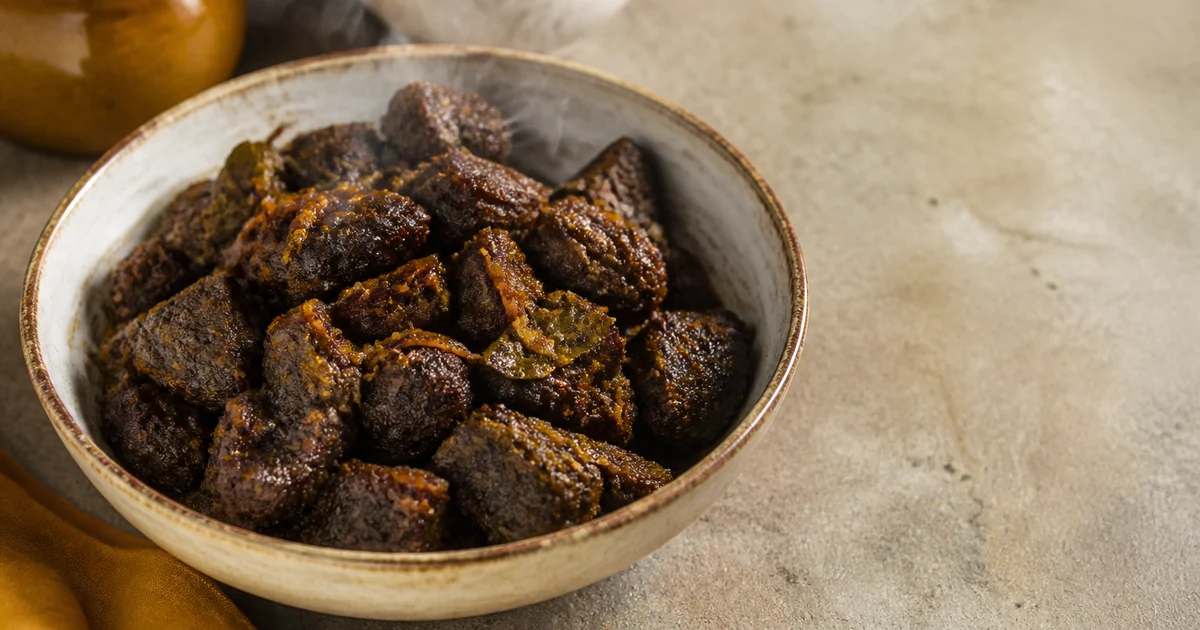
A commercial Chattogram-style beef kala bhuna recipe producing about 40 controlled portions with deep browning, roasted spices and service guidance.
- Prep
- 45 min
- Cook
- 3 hr 30 min
- Total
- 4 hr 15 min
- Yield
- about 40 plates at 175 g
- Difficulty
- Hard
- Cuisine
- Bangladeshi
Method
- 1
Season the beef
Combine the chilled beef with salt, turmeric, chilli powder, ground coriander, ground cumin, ginger paste and garlic paste. Mix for 3 to 4 minutes until every piece is evenly coated, then refrigerate at 5°C or below for 30 minutes.
- 2
Roast finishing spices
Dry-roast the cumin seeds, coriander seeds, peppercorns and fennel seeds at approximately 140 to 150°C for 3 to 5 minutes. Stir continuously until fragrant and one shade darker, without allowing black spots. Cool completely and grind to a medium-fine powder.
- 3
Heat oil and aromatics
Heat the mustard oil in the handi over medium-high heat until it reaches approximately 170°C and loses its raw smell. Reduce the heat, add bay leaves, cinnamon, cardamom and cloves, and fry for 30 to 45 seconds until aromatic.
- 4
Brown the sliced onions
Add the onions and cook at approximately 150 to 160°C for 25 to 35 minutes, stirring frequently. They should become evenly deep mahogany with no black edges. Reduce the burner immediately if the base starts smoking.
- 5
Sear the seasoned beef
Add the marinated beef in three additions so the pot temperature does not collapse. Cook uncovered over medium-high heat for 12 to 15 minutes, turning until the surfaces lose their raw colour and the released liquid begins bubbling strongly.
- 6
Reduce the meat juices
Continue cooking uncovered over medium heat for 45 to 60 minutes, stirring and scraping the base every 4 to 5 minutes. The liquid should reduce to a thick coating and oil should begin appearing around the edges. If the base catches, loosen it with 50 to 100 ml hot water rather than flooding the pot.
- 7
Simmer until tender
Add about 1.2 litres of hot water, bring the liquid to 95°C, then cover and maintain a gentle 90 to 96°C simmer. Cook for 75 to 105 minutes, checking every 20 minutes, until the chuck and shank yield to firm spoon pressure but do not fall apart.
- 8
Develop the kala colour
Remove the lid and cook over medium-low heat for 30 to 45 minutes. Fold the meat through the reducing masala every 3 to 4 minutes, lifting the dark brown fond from the base. The masala is ready when it is nearly black-brown, glossy and firmly attached to the beef without a burnt smell.
- 9
Add final spice aroma
Add the ground roasted spice mixture and slit green chillies. Fry at approximately 120 to 140°C for 8 to 10 minutes, stirring gently until the chilli skins soften and the spice aroma becomes pronounced. Correct consistency with only a small splash of hot water if necessary.
- 10
Rest and record yield
Switch off the heat, cover and rest the batch for 20 minutes so the meat reabsorbs some oil and masala. Confirm that the centre remains above 60°C if moving directly to service. Weigh the finished production, mix evenly and divide into approximately 175 g portions.
Notes for your kitchen
This commercial kala bhuna recipe produces about 40 restaurant portions from one controlled batch. Chattogram-style kala bhuna gets its dark colour from repeated reduction, onion browning and frying the concentrated meat juices, not from burnt spices or artificial colour. The long cooking time suits restaurants because a properly finished batch holds its flavour, reheats well and often tastes more integrated after resting.
Why kala bhuna suits commercial service
Beef kala bhuna rewards batch cooking because a large handi reduces moisture steadily and develops a deeper roasted flavour. The dish has very little loose gravy, so it portions cleanly beside rice, khichuri, polao or paratha. It can be cooked before the rush, rested, divided into service pans and reheated without becoming watery.
The main operational advantage is menu flexibility. The same production can be sold as a main plate, rice combo or smaller add-on portion, provided each variation has a fixed serving weight. Its concentrated masala also means a modest portion still gives a complete flavour rather than looking like a spoonful of thin curry.
Choose beef for flavour and yield
The best commercial beef blend combines collagen-rich meat, moderate fat and a controlled amount of bone. Chuck, shoulder and shank become tender during slow cooking and retain more structure than very lean hindquarter meat. A small proportion of short rib contributes fat and gelatin, but excessive bone lowers edible yield and creates inconsistent plates.
Ask the supplier for cuts from the same specification each time, with pieces approximately 4 to 5 cm. Small pieces dry out during the final bhuna, while oversized pieces extend cooking time and make portioning difficult. Do not trim away all visible fat because rendered beef fat carries the roasted spices. Remove thick, hard surface fat and large sinews that will not soften.
Fresh ginger and garlic matter because their pastes form part of the frying base. Mustard oil should smell clean and sharp, not stale. Whole spices intended for the finishing powder should be recently stocked; old cumin, coriander or pepper may darken but will contribute little aroma.
Build colour without burning
The black-brown colour must come from controlled browning, never from scorched onion or chilli powder. Begin with a heavy, wide vessel that gives the batch enough evaporation area. A narrow stockpot traps steam and turns the process into boiling, extending the final frying stage.
Onions should reach deep mahogany before the beef is fully cooked, but they must not contain black, bitter edges. Once the seasoned meat enters the vessel, it releases water and dissolved proteins. Keep reducing this liquid until the masala becomes thick enough to cling to the meat and oil appears around the perimeter.
The critical kala stage begins after the beef is tender. The lid comes off, moisture is driven away and the meat is folded through the concentrated masala. Use a flat metal spatula to lift the browned layer from the base every few minutes. This fond should be dark brown and aromatic; a dry black crust means the heat is too high. Add hot water only in small splashes when the base threatens to catch, because a large addition reverses the browning process.
Roast the finishing spices separately
Separately roasted spices provide the final smoky aroma without making the cooking masala gritty or bitter. Dry-roast them over low heat until fragrant, then cool before grinding. Grinding hot spices traps steam and produces an uneven paste.
Add this powder near the end rather than at the beginning. Prolonged frying destroys the lighter aromas of pepper and fennel. Green chillies should also enter late so they perfume the finished beef instead of disappearing into the base.
Scale by vessel capacity and surface area
A kala bhuna batch should be scaled by weight and pan capacity, not by casually adding more handfuls of spice. For a half batch, multiply every ingredient by 0.5 and use a smaller vessel so the meat still forms a useful depth. For a double batch, divide the production between two handis unless the kitchen has a tilting pan with enough evaporation area.
Do not fill the cooking vessel beyond about two-thirds of its working capacity. An overloaded pot releases moisture faster than it can evaporate, causing the beef to stew for hours before browning. Doubling the quantity does not simply double the cooking time, but it does increase reduction time and labour for safe stirring.
Record raw beef weight, finished batch weight and saleable portions after every production. Rosuii's productions and wastage records can be used to turn the issued raw materials into a recorded finished batch without assuming automatic per-item recipe deduction.
Hold and reheat for service
Finished kala bhuna should be hot-held at 60°C or above and kept covered to limit drying. Use a shallow service pan and replenish it in smaller amounts instead of exposing the whole batch throughout service. Stir every 20 to 30 minutes and add only a measured splash of hot water if the masala becomes too tight.
For chilled storage, divide the batch into shallow pans rather than cooling it inside the cooking handi. Cool from 60°C to 21°C within 2 hours and from 21°C to 5°C within a further 4 hours, then cover, label and refrigerate. Use refrigerated production within 48 hours for consistent restaurant quality.
Reheat only the amount required for the service period. Bring the centre to at least 74°C within 2 hours, stirring from the base so the oil and masala redistribute. Repeated cooling and reheating damages the meat texture, dulls the spice aroma and increases food-safety risk.
Control portions and finished yield
Portion control starts by weighing the finished batch after cooking and before service begins. This production should give approximately 7 kg of finished beef and clinging masala, although bone percentage, trimming and reduction will move the result. At a target of about 175 g per plate, the practical yield is around 40 portions.
Mix the batch before portioning because oil, masala and heavier bone-in pieces settle differently. Use a scale during setup and a standard ladle or portion spoon during service. If bone-in pieces vary greatly, assign one meaty piece and enough boneless beef to reach the target weight rather than serving random pieces.
Track the planned serving weight with a written portion control standard. Unexplained loss usually comes from oversized servings, excessive trimming, meat left on bones or masala discarded from the cooking vessel.
Avoid mistakes that waste money
The most expensive kala bhuna mistakes are poor beef specifications, overcrowded cookware and uncontrolled reduction. Buying unusually fatty or bony meat may look economical by raw weight but lowers saleable yield. Lean meat has the opposite problem: it costs more per usable kilogram yet can become dry before the masala reaches the correct colour.
- Burning onions: Black onion fragments make the entire batch bitter and cannot be corrected with sugar or water.
- Adding too much water: Excess liquid lengthens labour and fuel use while softening the meat beyond a clean portioning texture.
- Using high heat continuously: The base burns before moisture leaves the centre of the batch.
- Grinding spices too early: Ground spices lose aroma faster and make batch flavour inconsistent.
- Estimating portions by eye: A difference of only a few spoonfuls per plate can remove several saleable portions from a batch.
Keep food cost stable
Stable kala bhuna cost depends more on beef yield than on reducing the quantity of spice. Compare suppliers by trimmed usable meat, bone percentage and cooked yield rather than invoice weight alone. Maintain one cut specification and reject deliveries with excessive hard fat, bone chips or irregular pieces.
Use a production sheet alongside recipe costing so every batch records issued weight, trimming, finished yield and portions sold. Review the resulting food cost percentage when beef prices, cut mix or serving size changes. Saving a small amount on aromatics rarely offsets losses caused by poor yield or uncontrolled portions.
What drives the cost
Beef dominates the cost, and the effective cost moves with cut, bone percentage, fat trimming and cooked yield. Mustard oil and fresh spices are secondary cost drivers, especially when poor storage causes rancidity or aroma loss. Portion size and over-reduction directly change the number of saleable plates.
Ingredient rates move with the market, so this describes what drives the cost rather than quoting a figure.
Questions from kitchens
Can this kala bhuna recipe be doubled in one handi?
How long can beef kala bhuna remain on hot hold?
Can soybean oil replace mustard oil?
How long does cooked kala bhuna keep under refrigeration?
Why did the batch produce fewer than 40 portions?
Related recipes
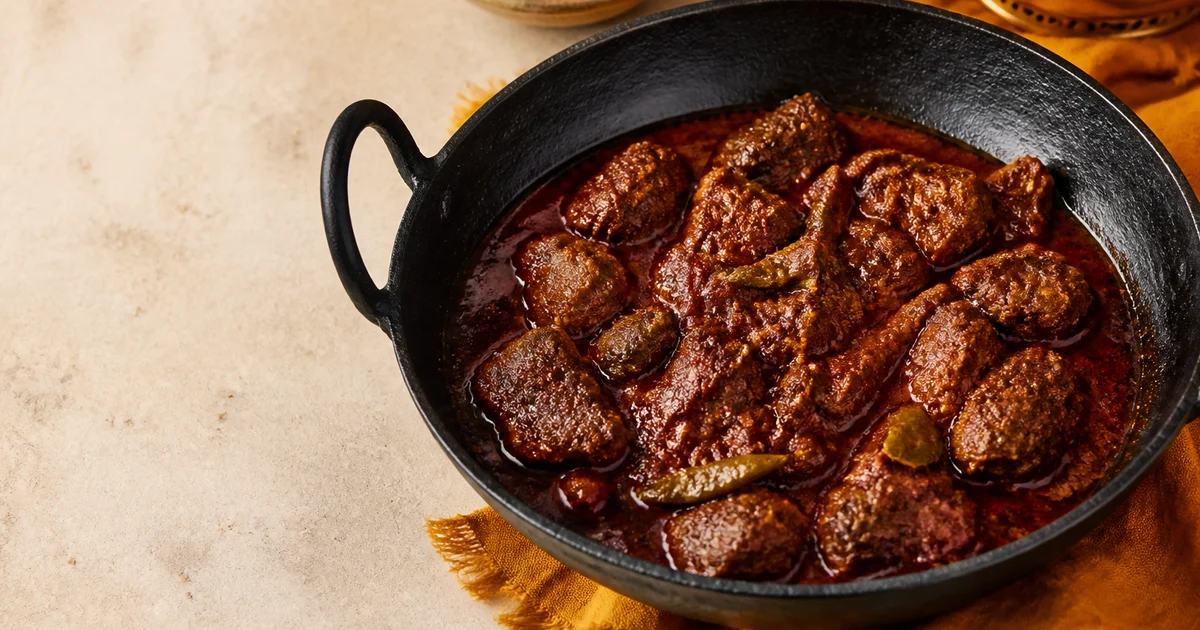
Commercial Beef Bhuna Recipe
A commercial beef bhuna recipe for about 40 plates, with a long bhuna stage, clear oil-separation cues, controlled portions and service-safe reheating.
- Yield:
- about 40 plates
- Total:
- 4 hr 15 min
- Difficulty:
- Medium
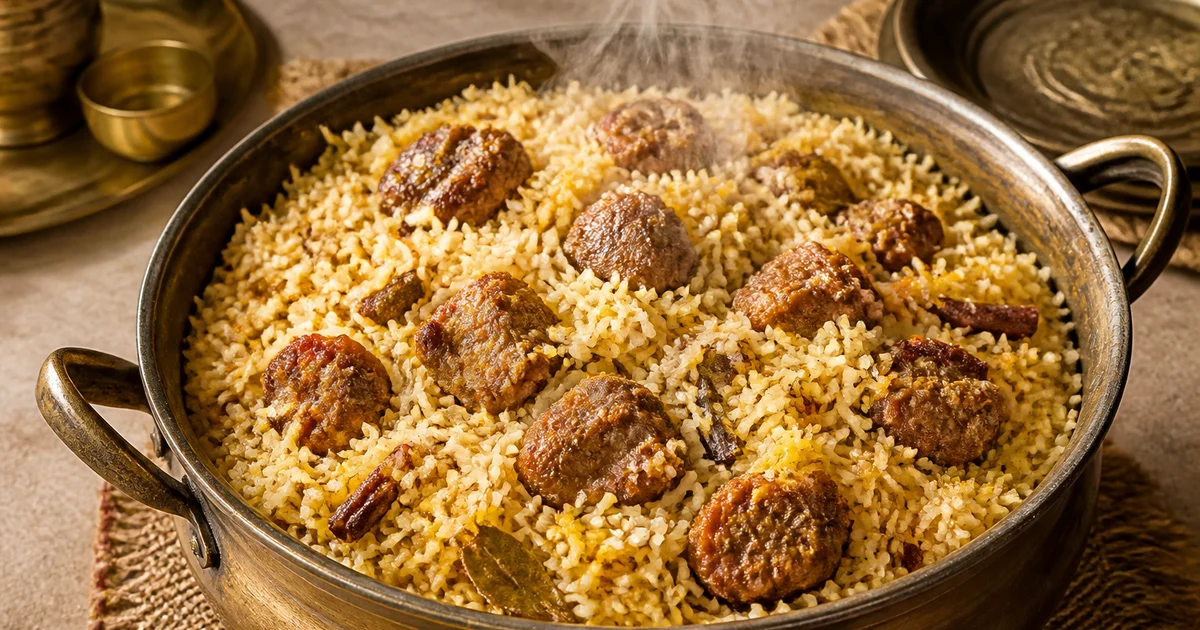
Commercial Beef Tehari Recipe
A 40-plate commercial beef tehari recipe with mustard oil, evenly sized beef cubes, aromatic short-grain rice and practical service controls.
- Yield:
- about 40 plates
- Total:
- 2 hr 35 min
- Difficulty:
- Medium
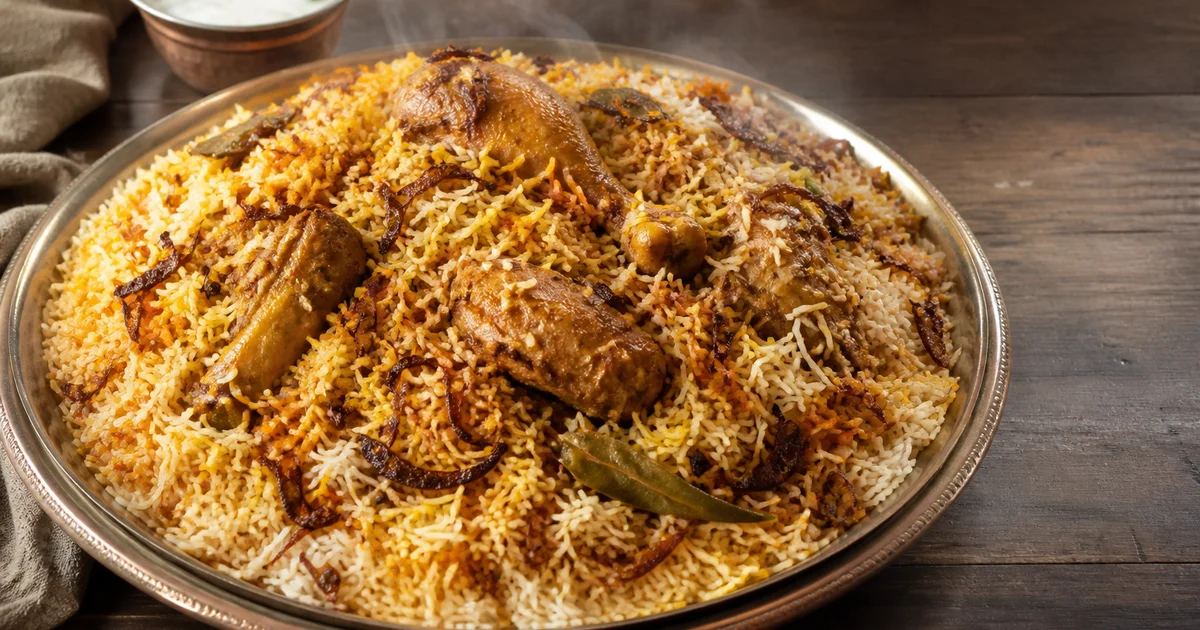
Commercial Chicken Biryani Recipe
A commercial pakki chicken biryani recipe yielding about 40 controlled portions, with guidance on par-cooking rice, dum, holding and scaling.
- Yield:
- about 40 plates
- Total:
- 4 hr 35 min
- Difficulty:
- Medium
Run your restaurant on Rosuii
POS, menu, inventory, payroll and more — built for Bangladeshi restaurants.
Start free