
Restaurant Recipes
Commercial Chicken Biryani Recipe
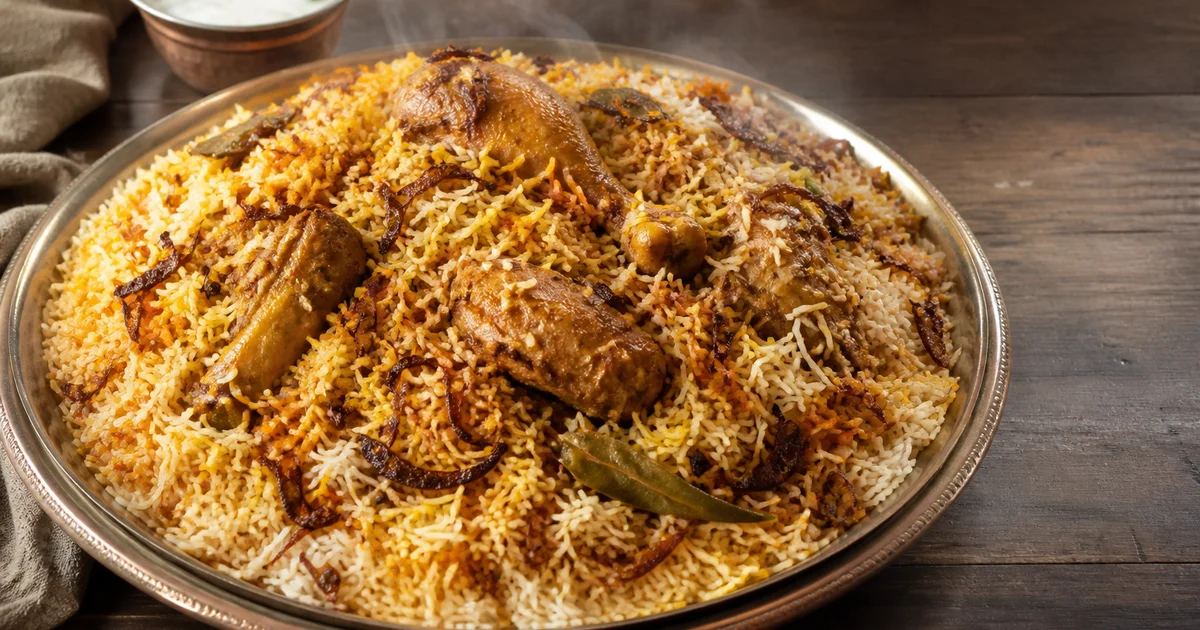
A commercial pakki chicken biryani recipe yielding about 40 controlled portions, with guidance on par-cooking rice, dum, holding and scaling.
- Prep
- 1 hr
- Cook
- 1 hr 35 min
- Total
- 4 hr 35 min
- Yield
- about 40 plates
- Difficulty
- Medium
- Cuisine
- Bangladeshi
Method
- 1
Marinate the chicken
Combine the chicken with yoghurt, ginger paste, garlic paste, chilli powder, turmeric, biryani masala and 80 g salt. Mix until every piece is coated, cover and refrigerate at 5°C or below for 2 hours. Do not leave the marinated chicken at room temperature.
- 2
Wash and soak rice
Wash the rice gently until the draining water is nearly clear, then soak it in clean water for 30 minutes. Drain immediately after soaking and do not hold the wet rice for more than 15 minutes. Properly soaked grains should look slightly longer but remain firm.
- 3
Fry onions until golden
Heat the soybean oil with 250 g ghee to 160 to 170°C in the biryani handi. Fry the onions in batches for 18 to 25 minutes until evenly golden, not dark brown. Remove one-third for layering and leave the remaining onions and fat in the handi.
- 4
Brown the potato pieces
Add the potatoes to the hot fat and fry over medium heat for 8 to 10 minutes. Turn them until the surfaces are lightly golden while the centres remain firm. Remove and reserve without fully cooking them.
- 5
Cook chicken and gravy
Add the marinated chicken to the onion base and cook over medium-high heat for 10 minutes, turning carefully. Add about 1.5 litres hot water, cover and simmer for 25 to 30 minutes until the thickest pieces reach at least 75°C. Uncover if needed and reduce until the masala coats the chicken and separated fat appears around the edges.
- 6
Par-cook the rice
Bring the remaining water to a rolling boil with bay leaves, cardamom, cinnamon, cloves and the remaining 160 g salt. Add the drained rice and boil uncovered at 98 to 100°C for 5 to 7 minutes, stirring only once or twice. Drain when grains are about 70 percent cooked, flexible outside and still slightly opaque at the centre.
- 7
Drain without crushing
Drain the rice completely for about 2 minutes and remove any pooled water from the pot. Do not rinse the hot rice or press it inside the colander. Spread it lightly if steam is making the lower grains continue cooking.
- 8
Build even biryani layers
Arrange half the chicken gravy and potatoes across the handi, then cover with half the rice. Repeat the layers and finish with reserved fried onions, green chillies, kewra water and the remaining 200 g melted ghee. Keep the food depth even and no greater than about 30 cm.
- 9
Cook on sealed dum
Seal the handi tightly and cook over medium heat on a diffuser for 8 to 10 minutes, until steady steam develops inside. Reduce to the lowest heat and cook for another 20 to 25 minutes. The centre should reach at least 74°C, and the rice should be separate with no free liquid at the base.
- 10
Rest and portion carefully
Switch off the heat and leave the sealed handi undisturbed for 20 minutes. Open it away from the face, then lift rice gently from the side to distribute masala without breaking grains. Portion one chicken piece and one potato piece per plate, using a scale for the rice and gravy allocation.
Notes for your kitchen
This commercial chicken biryani recipe produces about 40 full plates using the pakki method. The chicken and masala are cooked before layering, while the rice is boiled separately to about 70 percent doneness. This gives a new restaurant or food cart more control than a kacchi method because meat doneness, gravy thickness and rice texture can each be checked before the dum stage.
Why chicken biryani suits volume service
Chicken biryani is one of the safest biryani formats for a new high-volume outlet. Bone-in chicken cooks faster and more predictably than mutton or beef, and one measured piece can be assigned to every plate. The shorter cooking cycle also makes it practical to prepare a fresh lunch batch and another batch for evening service instead of holding one large batch all day.
The pakki method reduces risk because the chicken must reach its safe internal temperature before layering. If the gravy is too thin, it can be reduced before it touches the rice. If the rice is undercooked or overcooked, the problem can be seen before the handi is sealed. This separation is valuable when kitchen staff are still learning production consistency.
Demand is also easier to manage. A batch can be sold as standard plates, half portions or combo meals without changing the base production. However, the kitchen must protect the number of chicken and potato pieces because those pieces determine the actual sellable yield.
Select ingredients by function
Consistent chicken size and reliable rice matter more than adding extra spices. Buy skinless bone-in chicken cut into 40 pieces of approximately 140 to 160 g each. Mixed pieces are acceptable, but oversized leg quarters and small wing sections should not be counted as equal portions. Ask the supplier for a consistent biryani cut and record the delivered piece count as well as the weight.
Aged basmati gives long, separate grains and tolerates dum cooking well. Bangladeshi chinigura rice can be used, but it absorbs water faster and has a shorter par-cooking window. Do not change rice variety during a batch without testing its soaking time and boiling time. Broken grains, excessive new-crop moisture and rough handling during washing all increase clumping.
Use plain, unsweetened doi with moderate acidity. Very sour yoghurt can make the gravy sharp and may soften the chicken surface too quickly during marination. Fresh ginger and garlic pastes should not smell fermented. Ghee, kewra water and biryani masala are flavour concentrates, so measure them rather than pouring by eye. Stronger aroma does not correct weak stock rotation or poor rice texture.
Control the pakki method
The correct pakki gravy is fully cooked, concentrated and oily at the edges before layering. After browning the onions and potatoes, cook the marinated chicken over medium heat so the yoghurt loses its raw smell and the spices stop tasting powdery. The finished masala should coat the chicken instead of running like curry. A watery gravy continues soaking the bottom rice during dum and creates an unsellable soft layer.
Rice should be soaked only after it has been washed until the draining water is nearly clear. Soaking hydrates the grain evenly, but leaving soaked rice for hours causes breakage. Boil it in a large volume of well-salted water and drain when the outside is flexible but a small opaque core remains. The grain should break with firm finger pressure rather than mash immediately.
Layer while both components are hot. Spread them evenly instead of forming a mound in the centre, and keep the total biryani depth around 25 to 30 cm. Steam must move through the batch without crushing the lower rice. Use a heavy lid, foil or flour seal, and place a heat diffuser below thin aluminium handis to prevent scorching.
The initial dum heat generates steam; the lower heat finishes absorption without frying the base. After cooking, resting is mandatory. Opening and mixing immediately releases steam, breaks grains and transfers the wet bottom layer through the entire batch.
Scale without damaging the batch
Scale the ingredients linearly, but do not increase the depth of food in one vessel. A half batch should use a vessel that keeps approximately the same layer depth as the full batch. For production above 60 plates, divide the food between two handis rather than filling one deep stockpot. An oversized batch develops an overcooked base and an under-steamed centre.
Chicken, yoghurt, spices, fat and measured gravy water can be multiplied by the batch factor. Rice boiling water should be based on enough volume for the grains to circulate freely, not treated as absorbed water. Maintain the same salt concentration in that water and drain it completely. Reduce the chicken gravy to the same visual consistency every time because evaporation does not scale perfectly between different burners and vessels.
Record the actual cooked yield from three normal batches before changing the recipe. Rosuii can record a production that turns the measured raw materials into a finished biryani batch, while wastage records help separate trimming, burnt rice and unsold portions from normal production use.
Hold and reheat for service
Hold finished biryani at 60°C or above and aim to sell it within two hours for best rice quality. After resting, open the lid briefly to release excess steam, then cover again. Transfer only part of the batch to the service station and keep the reserve covered in shallow, food-grade inserts. Repeated opening cools the food and dries the top layer.
Do not keep biryani warm over a direct high flame. Use a bain-marie, insulated hot box or very low heat with a diffuser, and check the centre with a probe thermometer. Turn the rice gently from the side once if needed, lifting rather than stirring. Aggressive mixing separates chicken from its coating and breaks the rice.
If cooked biryani will be saved, cool it in shallow pans. Bring it from 60°C to 21°C within two hours and from 21°C to 5°C within a further four hours, then cover, label and refrigerate. Use refrigerated biryani within 24 hours for commercial quality. Reheat only once until the coldest part reaches at least 74°C, adding a small amount of hot water around the edge if the rice is dry.
Control portions and sellable yield
The batch yield is controlled by piece count first and cooked weight second. Reserve exactly one chicken piece and one potato piece for every full plate. Weigh the finished batch after resting and subtract any non-sellable burnt base or loose bones. Depending on rice absorption and chicken trimming, the expected finished food weight is approximately 19 to 21 kg.
A practical full serving is one chicken piece, one potato piece and a weighed allocation of rice with masala, usually producing a total plate weight near 475 to 525 g. Set the outlet's exact standard after testing the serving bowl and packaging. Use the same ladle and digital scale during training, then run regular spot checks. The portion control process should cover dine-in plates, takeaway boxes and staff meals equally.
Never serve all large chicken pieces early in service and leave small pieces for later customers. Mix piece types fairly or create clearly defined leg and regular variations with controlled stock. Count damaged pieces before service so the POS quantity does not exceed the kitchen's real yield.
Avoid mistakes that waste money
Most biryani losses come from overcooked rice, loose gravy and uncontrolled serving. These faults cannot be hidden with extra ghee or fried onions.
- Over-soaked or over-boiled rice: The grains split during dum and reduce the volume that looks presentable.
- Watery chicken masala: Excess liquid makes the bottom layer pasty and may force the kitchen to discard it.
- Uneven chicken cuts: Small pieces dry out while thick joints may cook late, disrupting service and portions.
- Excessive vessel depth: Heat reaches the base long before steam finishes the centre.
- Holding on direct flame: A burnt crust adds weight to the production record but produces no sellable plates.
- Serving by eye: A small amount of extra rice on every order can remove several plates from the expected yield.
Track raw trimming, rice discarded after boiling, burnt base, returned food and unsold cooked portions separately. This makes reducing wastage more useful than simply comparing purchases with sales.
Keep the food cost stable
Stable cost comes from fixed specifications, measured portions and planned batch timing. Chicken and rice dominate the ingredient spend, while ghee, yoghurt, onions and whole spices can create gradual leakage when cooks use them without scales. Maintain a supplier specification for chicken weight, cut and piece count, and reject deliveries that cannot produce the promised number of plates.
Use a written recipe costing sheet based on current purchase units and actual usable yield. Review it when chicken size, rice brand, oil absorption or trimming changes. Prepare smaller second batches when demand is uncertain, because unsold cooked biryani usually costs more than the labour saved by producing everything at once.
What drives the cost
Bone-in chicken and aged rice dominate the cost of this biryani, with ghee as the main secondary cost. Cost moves with chicken piece size, usable yield, rice grade, trimming loss and uncontrolled serving. Buying heavier pieces without adjusting the portion specification can reduce the number of plates even when total purchased weight looks correct.
Ingredient rates move with the market, so this describes what drives the cost rather than quoting a figure.
Questions from kitchens
Can this chicken biryani recipe be doubled in one handi?
How long can chicken biryani stay in hot holding?
Can chinigura rice replace basmati rice?
What is the refrigerated shelf life of leftover biryani?
Why did the batch produce fewer than 40 plates?
Related recipes
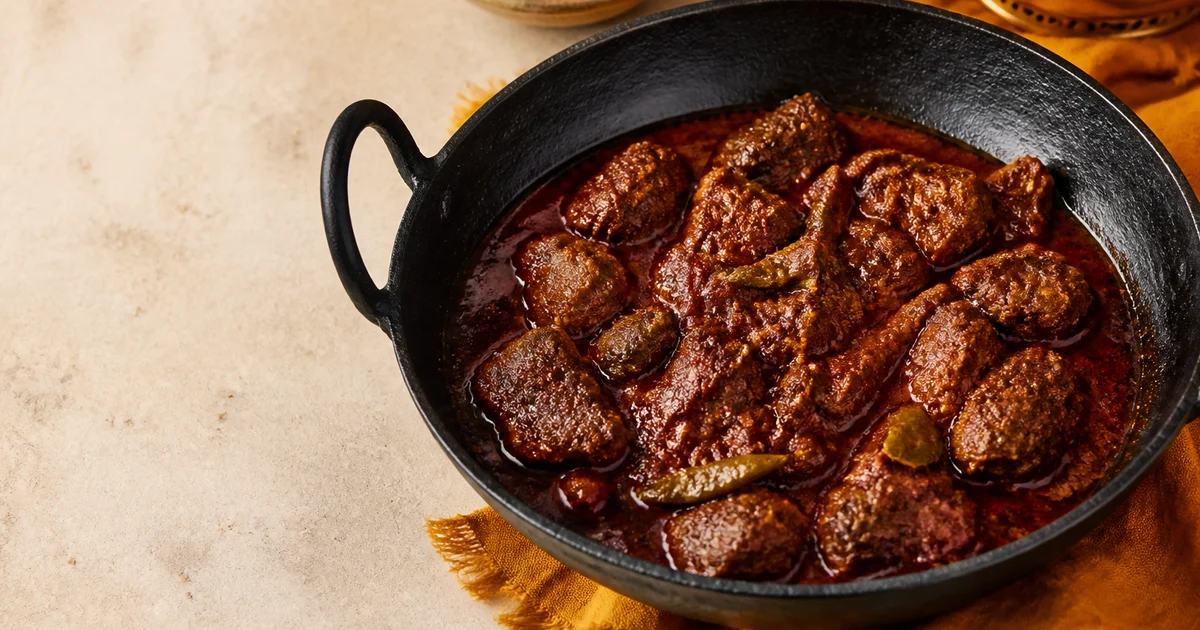
Commercial Beef Bhuna Recipe
A commercial beef bhuna recipe for about 40 plates, with a long bhuna stage, clear oil-separation cues, controlled portions and service-safe reheating.
- Yield:
- about 40 plates
- Total:
- 4 hr 15 min
- Difficulty:
- Medium
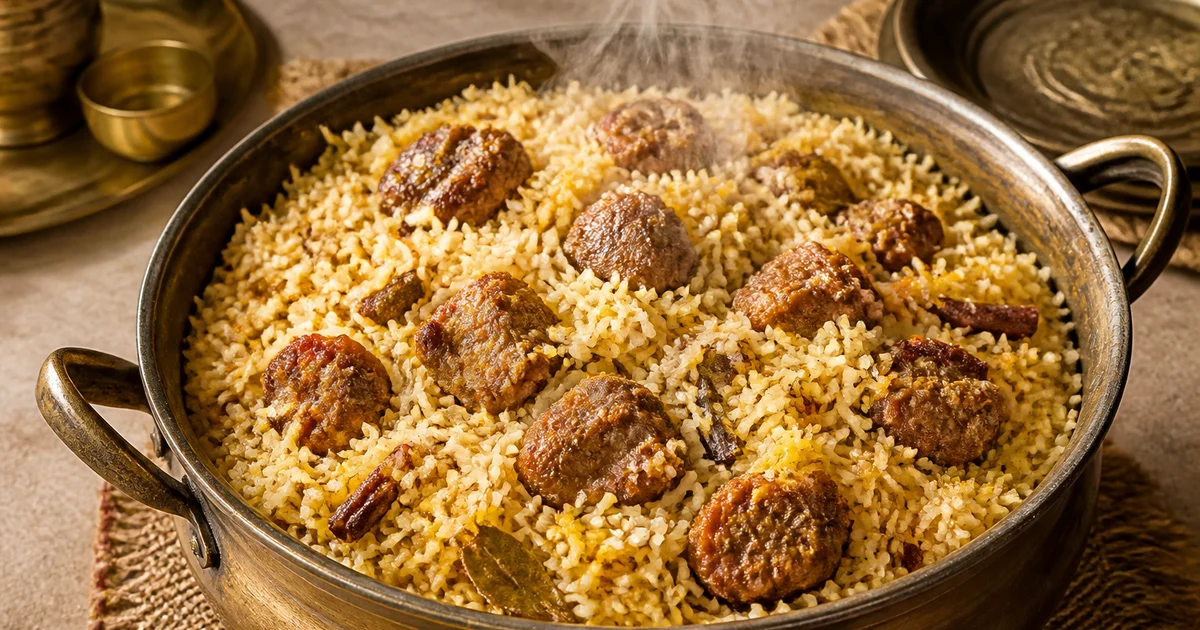
Commercial Beef Tehari Recipe
A 40-plate commercial beef tehari recipe with mustard oil, evenly sized beef cubes, aromatic short-grain rice and practical service controls.
- Yield:
- about 40 plates
- Total:
- 2 hr 35 min
- Difficulty:
- Medium
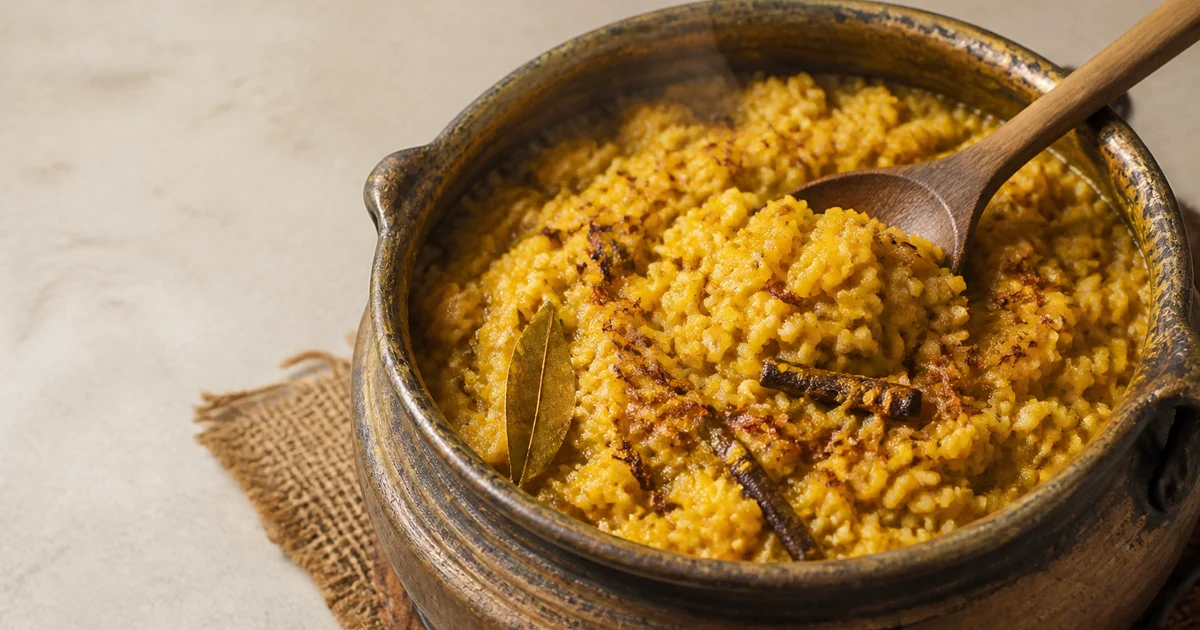
Commercial Bhuna Khichuri Recipe
A commercial bhuna khichuri recipe for about 40 plates, with a 2:1 rice-to-dal ratio, controlled moisture, service holding and yield guidance.
- Yield:
- about 40 plates
- Total:
- 1 hr 40 min
- Difficulty:
- Medium
Run your restaurant on Rosuii
POS, menu, inventory, payroll and more — built for Bangladeshi restaurants.
Start free