
Restaurant Recipes
Commercial Beef Tehari Recipe
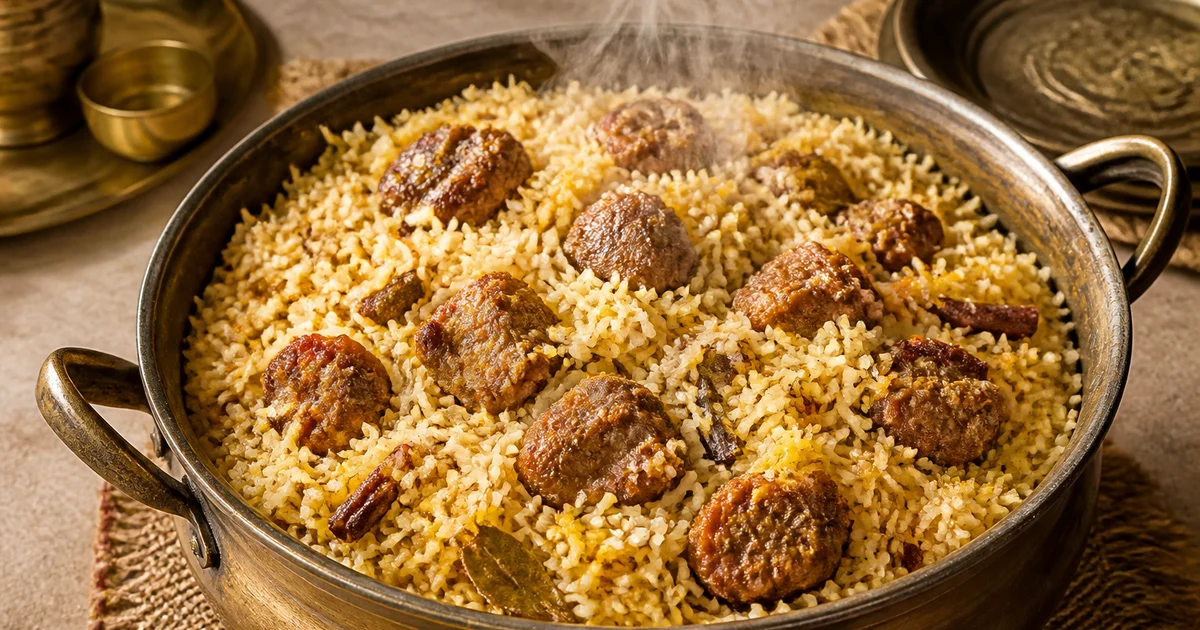
A 40-plate commercial beef tehari recipe with mustard oil, evenly sized beef cubes, aromatic short-grain rice and practical service controls.
- Prep
- 45 min
- Cook
- 1 hr 50 min
- Total
- 2 hr 35 min
- Yield
- about 40 plates
- Difficulty
- Medium
- Cuisine
- Bangladeshi
Method
- 1
Wash and drain rice
Rinse the rice three or four times until the runoff is mostly clear, then soak it for 20 minutes in cool potable water. Drain in a perforated container for at least 15 minutes so unmeasured water does not enter the pot.
- 2
Temper the mustard oil
Heat the mustard oil in the degchi to about 175 to 180°C, just until shimmering and the raw pungency softens. Reduce to about 160°C, add the whole spices and fry for 30 to 45 seconds. Add the onions and cook for 15 to 18 minutes, stirring often, until evenly deep golden rather than dark brown.
- 3
Brown the beef cubes
Raise the heat and add the beef in two batches if the pot base is crowded. Cook at about 165 to 175°C for 8 to 10 minutes per batch, turning until the surfaces lose their raw colour and develop light browning. Return all beef to the pot.
- 4
Cook the spice masala
Add the ginger and garlic pastes and cook for 3 to 4 minutes until their raw smell fades. Stir in the yogurt, salt and ground spices, then cook at a steady simmer for 8 to 10 minutes. The masala is ready when it thickens, coats the beef and small beads of oil appear around the edges.
- 5
Braise beef until tender
Add about 2 litres of hot water, cover and maintain a gentle 90 to 95°C simmer for 45 to 60 minutes. Stir and scrape the base every 12 to 15 minutes. Stop when the cubes are 80 to 90 percent tender and yield to firm pressure without breaking apart.
- 6
Standardise the cooking liquid
Lift out the beef with a perforated skimmer and keep it covered. Pour the gravy into a graduated food-safe container and add enough hot water to make 5.4 litres in total, then return the gravy and beef to the pot. Bring to 98 to 100°C and taste for a slightly assertive but not harsh salt level.
- 7
Start the rice boil
Add the drained rice and fold gently once to distribute it without crushing the grains. Boil uncovered at 95 to 100°C for 6 to 8 minutes, until the liquid falls to the rice surface and steam holes begin appearing. The grain should still have a firm centre at this point.
- 8
Steam on low heat
Scatter the green chillies over the rice and sprinkle in the kewra water. Cover tightly, place a diffuser under the pot and cook over very low heat for 15 to 18 minutes, keeping the internal steam active without hard boiling. Do not stir during this stage.
- 9
Rest and open rice
Turn off the burner and leave the pot covered for 15 minutes. Open carefully and test rice from the top, centre and edge; each grain should be cooked, moist and separate. Fold from the bottom upward two or three times with a broad paddle to distribute meat and masala.
- 10
Portion for safe service
Check that the finished food is at least 74°C before service begins. Portion about 350 g per plate with three or four beef cubes, then hold the remaining tehari covered at 60°C or hotter. Transfer to shallow covered pans rather than keeping the full degchi over direct flame.
Notes for your kitchen
This commercial beef tehari recipe produces about 40 controlled portions from one 4 kg rice and 4 kg beef batch. It is designed for a restaurant, canteen or food cart using one heavy stockpot or degchi. The finished tehari should have separate but moist short grains, tender beef cubes, a clear mustard-oil aroma and enough surface oil to prevent rapid drying during service.
Why beef tehari works for commercial service
Beef tehari is easier to portion, hold and reheat than kacchi biryani in a busy cart operation. The small beef cubes are braised before the rice finishes cooking, so tenderness is more consistent throughout the pot. Rice and masala are evenly distributed rather than arranged in layers, allowing staff to serve comparable portions without breaking a kacchi layer or searching for meat and potatoes.
Tehari also tolerates careful mixing after its resting period. Kacchi can lose its layered appearance, meat juices and potato structure when repeatedly opened during service. Tehari can be transferred into smaller covered pans, held above 60°C and replenished in batches. This reduces exposure, bottom scorching and uneven serving from one large pot.
Ingredient quality and selection
Beef, mustard oil and rice are the three ingredients where quality has the greatest effect on this beef tehari recipe. Use boneless chuck, shoulder or a similar working cut with moderate connective tissue and some internal fat. Very lean leg meat can become dry, while heavily fatty trimming creates an oily pot with a low saleable meat yield. Cut the beef into uniform 25 to 30 g cubes so each serving receives three or four recognisable pieces and every cube reaches tenderness at roughly the same time.
Use pure mustard oil with a fresh, sharp aroma and no stale or paint-like smell. Heating removes its raw harshness, but excessive smoking damages the aroma that distinguishes tehari from ordinary beef pulao. Do not quietly replace most of it with neutral oil unless the menu clearly describes a milder product.
Aged Chinigura or Kalijira is preferable to long-grain basmati for this style. The short aromatic grain absorbs beef gravy and mustard oil while remaining pleasantly compact. It also stays cohesive during cart service instead of becoming brittle after repeated opening. Check every new rice lot because broken-grain percentage, age and moisture change water absorption. Avoid rice with dust, insects, a damp smell or excessive polished fragments.
Technique behind the cooking method
The central control point is to make a concentrated beef gravy before measuring the liquid used to cook the rice. Browning onions develops sweetness and colour, but very dark onions make the full batch bitter. Keep the heat controlled and scrape the pot before deposited spices burn. Yogurt should enter after the raw smell of ginger and garlic has reduced, with steady stirring to prevent splitting into coarse white particles.
The beef is only taken to about 80 to 90 percent tenderness during braising. A cube should yield to firm finger pressure but should not fall apart. It continues cooking during the rice boil, covered steaming and resting period. If the beef is completely soft before rice is added, the cubes can shred during portioning and make the meat yield appear inconsistent.
Measuring the finished gravy is more reliable than adding a fixed amount of water blindly. For this batch, the combined strained gravy and added hot water should total about 5.4 litres before the drained rice enters. This is 1.35 litres of cooking liquid for each kilogram of soaked and drained rice. A very wide pot with greater evaporation may need a small increase after a test batch, while newly harvested rice may need less.
Steam finishing must use low, even heat. Direct high flame burns the bottom before the upper rice hydrates. A heat diffuser or tawa under a thin degchi helps distribute heat. The resting period is part of cooking because trapped steam equalises moisture between the top and bottom grains.
Scaling the batch correctly
Scale ingredient weight linearly, but do not scale pot size, heat or cooking time by simple multiplication. Keep the same 25 to 30 g beef cube size and the same baseline ratio of 1.35 litres measured gravy and water per kilogram of soaked rice. For a half batch, use a narrower pot so the food depth remains similar. An oversized pot increases evaporation and can dry the rice edges before the centre cooks.
For a double batch, use two pots unless one vessel can hold the food at no more than 70 percent of its working capacity. Overfilled pots prevent proper beef browning, make liquid measurement difficult and create uneven steam circulation. Braising time depends on the cut and cube size, not only batch weight, so test several cubes instead of extending the clock automatically.
Holding and reheating for service
Hold finished tehari covered at 60°C or hotter and aim to sell it within four hours for the best rice texture. Transfer it after resting into covered gastronorm pans no deeper than about 100 mm. Refill the service pan in smaller quantities instead of repeatedly opening the entire production batch. Do not hold the cooking pot over direct flame, which keeps cooking the bottom and increases burnt wastage.
If tehari will be stored, cool it quickly rather than leaving a deep pot at room temperature. Divide it into shallow pans, cool from 60°C to 21°C within two hours and from 21°C to 5°C within a further four hours. Refrigerate covered at 5°C or colder and use within 24 hours for a conservative commercial standard.
Reheat only the quantity expected to sell. Add 20 to 30 ml hot water per kilogram around the pan edges, cover tightly and reheat by steam, combi oven or a heavy covered pot until the centre reaches at least 74°C. Fold once with a broad rice paddle after heating, and do not mix a reheated remainder into a fresh batch.
Portioning and yield control
A practical target is 350 g of finished tehari per plate, including three or four beef cubes. The expected finished batch is approximately 14 to 15 kg after normal evaporation, giving about 40 full portions plus a limited allowance for tasting, pot residue and normal handling. Actual yield must be recorded because beef trimming, rice absorption and overcooking can change it.
Use a digital scale to verify the first five plates and then check portions throughout service. A fixed rice scoop controls volume, but staff must also count beef pieces because cubes settle differently from rice. The portion control standard should define finished plate weight, beef-piece count and any salad, egg or borhani sold as a variation.
Common mistakes that cost money
The most expensive tehari mistakes are irregular meat cuts, unmeasured liquid and uncontrolled serving sizes. Large beef cubes remain tough while small cubes disappear into the rice. Excess water produces swollen, broken grains and lowers perceived quality; too little water creates hard rice that cannot be corrected evenly during a rush.
- Overloading the pot: Beef releases water instead of browning, extending cooking time and weakening flavour.
- Burning the mustard oil: Prolonged heavy smoking creates bitterness rather than a clean mustard aroma.
- Skipping rice drainage: Unmeasured soak water enters the pot and changes the liquid ratio.
- Serving from direct heat: The bottom dries, sticks and becomes recorded or hidden wastage.
- Mixing aggressively: Short grains and tender beef break, making the batch look overcooked.
Keeping food cost stable
Stable tehari cost comes from controlling beef yield, rice specification and finished portion weight rather than buying the cheapest available inputs. Record the purchased beef weight, trimming loss, usable weight and number of portions. Compare suppliers using usable yield and tenderness, not only the quoted kilogram rate.
Set an approved specification for rice variety, broken-grain percentage and age, then test absorption when the supplier or crop changes. Use a written recipe costing sheet and review the actual food cost percentage against sales. Rosuii can record raw materials through inventory, convert them into finished tehari through productions and log service or burnt-pot wastage for later review.
What drives the cost
Beef is the main cost driver, followed by aromatic short-grain rice and mustard oil. Beef trimming loss, cut selection and supplier consistency move the usable cost most, while rice age and broken-grain percentage affect both purchase quality and cooked yield. Portion weight and beef-piece count must stay fixed to prevent silent cost increases.
Ingredient rates move with the market, so this describes what drives the cost rather than quoting a figure.
Questions from kitchens
Can this beef tehari recipe be doubled in one pot?
How long can beef tehari be held for service?
Can basmati rice replace Chinigura or Kalijira?
What is the refrigerated shelf life?
What finished yield should the kitchen expect?
Related recipes
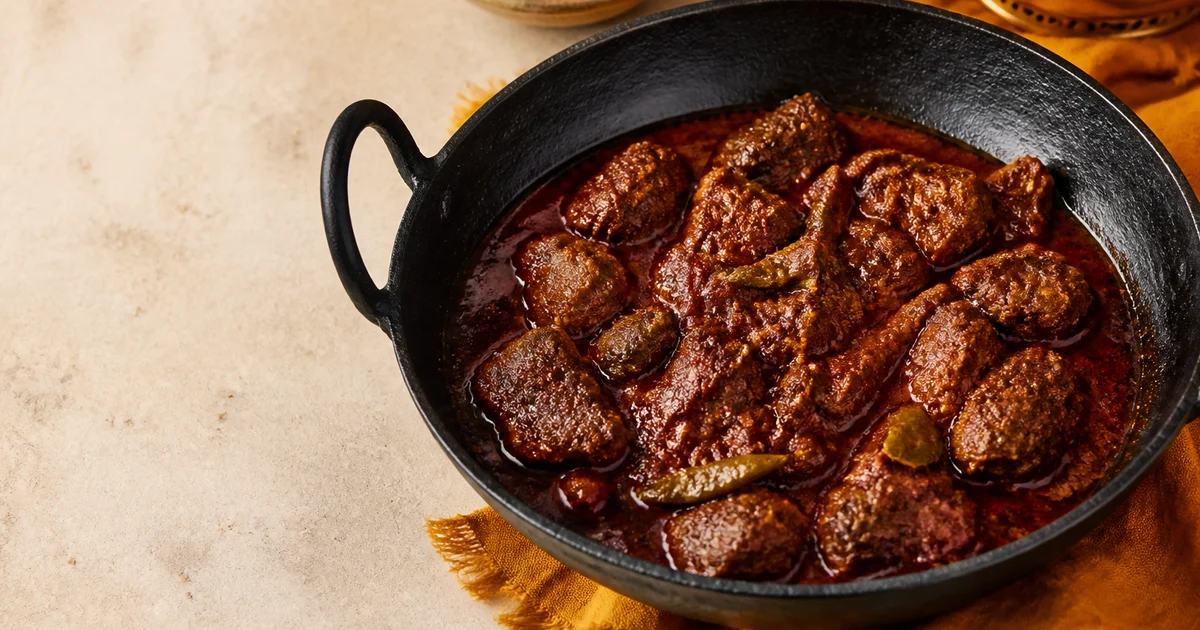
Commercial Beef Bhuna Recipe
A commercial beef bhuna recipe for about 40 plates, with a long bhuna stage, clear oil-separation cues, controlled portions and service-safe reheating.
- Yield:
- about 40 plates
- Total:
- 4 hr 15 min
- Difficulty:
- Medium
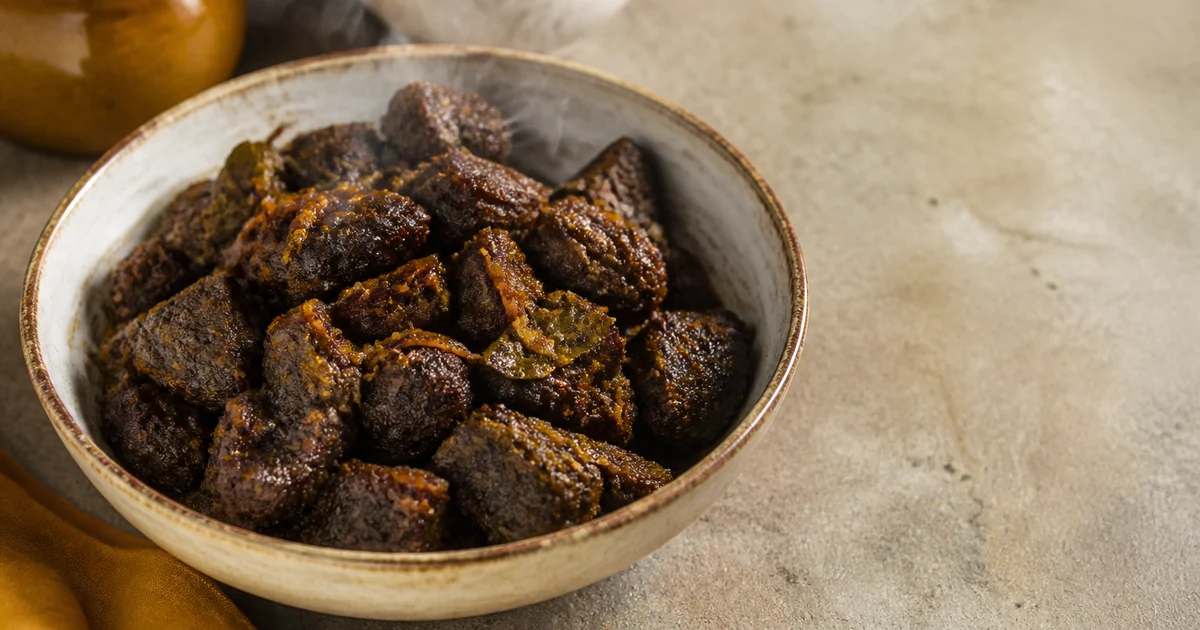
Commercial Beef Kala Bhuna
A commercial Chattogram-style beef kala bhuna recipe producing about 40 controlled portions with deep browning, roasted spices and service guidance.
- Yield:
- about 40 plates at 175 g
- Total:
- 4 hr 15 min
- Difficulty:
- Hard
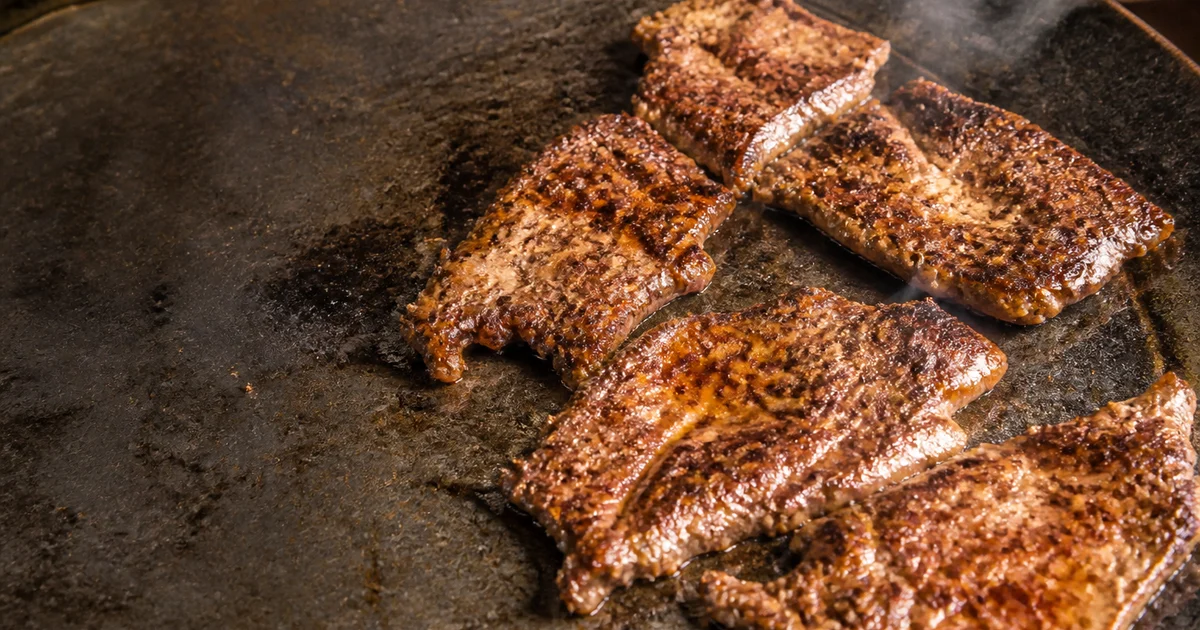
Commercial Beef Chaap Recipe
A commercial beef chaap recipe for 40 plates, covering controlled tenderising, slow tawa cooking, service holding and consistent portion yield.
- Yield:
- about 40 plates
- Total:
- 2 hr 20 min
- Difficulty:
- Medium
Run your restaurant on Rosuii
POS, menu, inventory, payroll and more — built for Bangladeshi restaurants.
Start free