
Restaurant Recipes
Commercial Beef Kalia Recipe
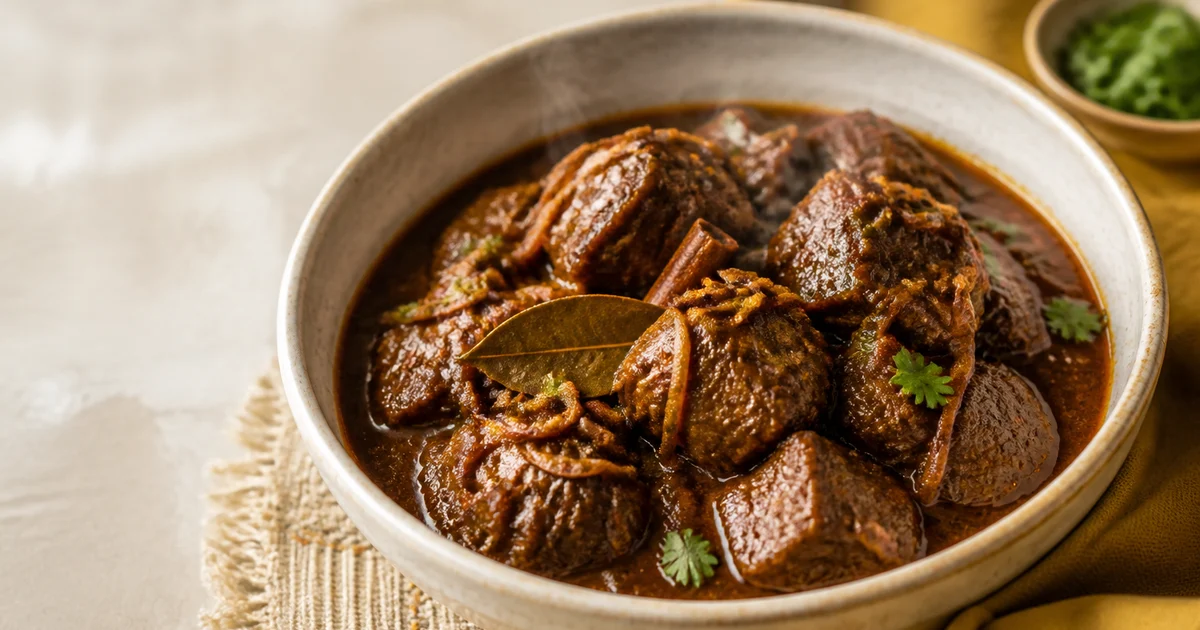
A commercial beef kalia recipe for about 40 plates, with tender bone-in beef, festive ghee-rich gravy, controlled portions and service guidance.
- Prep
- 1 hr
- Cook
- 3 hr
- Total
- 4 hr
- Yield
- about 40 plates
- Difficulty
- Medium
- Cuisine
- Bangladeshi
Method
- 1
Marinate the beef
Mix the beef with salt, yoghurt, ginger paste, garlic paste, chilli powder and turmeric until every piece is coated. Cover and marinate under refrigeration at 5°C or below for 45 minutes. Do not leave the meat at room temperature during advance preparation.
- 2
Par-fry the potatoes
Heat the soybean oil to about 165 to 170°C in the handi. Fry the potato pieces in batches for 6 to 8 minutes until lightly golden outside but still firm inside. Lift them out, drain and hold covered away from raw meat.
- 3
Brown the sliced onions
Reduce the oil temperature to 150 to 160°C and add the sliced onions. Cook for 20 to 25 minutes, stirring more frequently as they reduce. Stop when they are evenly deep golden with no black edges.
- 4
Bloom the whole spices
Add the whole garam masala to the onions and fry for 60 to 90 seconds. The cardamom and cinnamon should smell fragrant without turning dark. Keep the heat moderate so the cloves do not burn.
- 5
Add beef in batches
Add the marinated beef in two or three additions, turning each addition through the onion base before adding more. Maintain a steady sizzle and cook uncovered for 10 to 12 minutes. The meat will first release liquid, and the gravy should begin returning to a simmer.
- 6
Bhuna the masala
Add the cumin and coriander powders, then bhuna over medium heat for 30 to 40 minutes. Scrape the bottom frequently and add small splashes of hot water only when the masala begins to catch. Continue until the gravy clings to the beef and visible fat beads appear at the edges.
- 7
Simmer until nearly tender
Add about 2.5 litres of the hot water, cover and maintain the curry at 88 to 95°C for 75 to 100 minutes. Stir every 15 minutes and add more hot water only if the meat is exposed or the masala starts sticking. The beef should be almost tender but should not fall away from the bone.
- 8
Finish with potatoes
Return the potatoes and add the sugar and green chillies. Simmer covered for 20 to 30 minutes at 88 to 95°C until the potatoes are tender and the beef yields easily to a spoon. Adjust the gravy with the remaining hot water and check the salt.
- 9
Add ghee and rest
Fold in the ghee and garam masala powder, then simmer gently for 3 to 5 minutes. Stop cooking when the gravy is glossy, coats the meat and shows a light ring of fat rather than a deep oil layer. Cover and rest for 15 minutes before weighing and portioning the batch.
Notes for your kitchen
This beef kalia recipe produces about 40 restaurant portions with tender bone-in beef, potatoes and a rich onion, yoghurt and ghee gravy. It is designed for a 35 to 45 litre commercial handi rather than a small household pot. The finished batch should provide two consistent beef pieces, one potato portion and enough gravy for each plate without leaving excess oil or thin liquid at the bottom.
Why Beef Kalia Works Commercially
Beef kalia works well for restaurants and food carts because one controlled batch can serve dine-in plates, takeaway meals, rice combos and Eid orders. The gravy protects the meat during service and reheats more reliably than a dry beef preparation. Its strong colour and aroma also make a modest, measured serving feel complete when paired with polao, khichuri, plain rice, naan or porota.
The dish is particularly suitable for advance production. It normally tastes more settled after resting because the cooked onion, yoghurt, beef stock and spices combine as the temperature falls. However, commercial value depends on controlling the beef cut, piece count, gravy yield and ghee. An uncontrolled handi may taste rich but produce fewer saleable portions than planned.
Ingredient Selection and Quality
The quality of the beef cut and ghee matters more than buying unusually expensive spices. Order shoulder, chuck, brisket or mixed forequarter with moderate connective tissue and approximately 15 to 20 percent bone. Some bone improves the gravy, but excessive neck bone, thin ribs or heavy shin pieces reduce saleable meat and create uneven plates.
Give the supplier a written cutting specification of 4 to 5 cm pieces and request approximately 80 similar pieces from the 8 kg order. Large pieces remain tough while small pieces break apart before service. Inspect colour, smell, surface moisture, bone ratio and piece count at receiving instead of checking only total weight.
Use full-fat, unsweetened tok doi or plain yoghurt. Thin or highly acidic yoghurt can split and make the gravy sharp. Fresh ginger and garlic pastes should smell clean and contain minimal added water. Powdered spices need good colour and aroma, but increasing old chilli or turmeric cannot restore their flavour.
Use genuine ghee as a finishing fat rather than relying on it for the entire frying process. Long, high-temperature frying wastes its aroma. The potatoes should be firm, similar in size and suitable for boiling so that each portion remains intact during holding.
Building the Festive Gravy
A proper kalia gravy comes from patient onion browning and bhuna, not from adding extra spice powder or ghee at the end. Keep the oil near 150 to 160°C while cooking the onions. If the temperature is too low, they absorb oil and become soft; if it is too high, the edges burn before their moisture evaporates.
Control the Onion Colour
The onions should reach an even deep golden colour without becoming dark brown or bitter. Stir more frequently as their volume falls and scrape the corners of the handi where burning begins first. The onions will darken slightly during the beef bhuna, so stop before they look fully finished.
Protect the Yoghurt
Yoghurt stays smooth when it is mixed into the beef before cooking and heated gradually. Bring the marinated beef out of refrigeration only when the onion base is nearly ready. Add it in manageable amounts so the handi remains hot enough to sizzle; dumping in cold meat at once encourages watery, split gravy.
Recognise a Finished Bhuna
The bhuna stage is ready when the raw spice smell disappears, the gravy clings to the meat and small beads of fat appear around the edges. During this stage, moisture must evaporate before most of the hot water is added. Scrape the bottom with a flat khunti and use small splashes of water if the masala catches. Pouring in all the water early produces boiled beef with weak colour.
Cook the meat at a controlled simmer rather than a violent boil. Collagen-rich pieces need time at approximately 88 to 95°C to become tender. Hard boiling contracts the meat, breaks the potatoes and evaporates gravy before the connective tissue has softened.
Scaling for Eid Production
The safest way to double this recipe is to cook two identical handis instead of filling one vessel to the rim. A deep, overloaded pot heats slowly, is difficult to stir and leaves the upper meat undercooked while the bottom catches. Keep at least 25 percent of the vessel empty for turning the meat safely.
For a half batch, divide the solid ingredients, yoghurt, salt and fat evenly, but begin with about 40 percent of the listed hot water and add more only as needed. For a double batch, start with about 70 to 80 percent of the mathematically doubled water because a larger handi loses proportionally less steam. Chilli can begin at 85 to 90 percent of the doubled amount and be corrected near the end.
Use identical meat specifications, burner strength and cooking depth for repeated Eid batches. Record raw weight, piece count, final batch weight and portions sold rather than judging yield by the apparent level in the handi.
Holding and Reheating for Service
Hot-held beef kalia should remain above 60°C and should ideally be sold within four hours for the best texture. Keep the handi covered and stir gently every 20 to 30 minutes, lifting from the bottom without breaking the potatoes. A low direct flame can scorch the onion gravy, so use a bain-marie or a heavy heat diffuser where possible.
For later service, divide the curry into shallow food-grade pans instead of cooling it in one large handi. Cool from 60°C to 21°C within two hours and from 21°C to 5°C within a further four hours. Refrigerate covered at 5°C or below and use within 72 hours.
Reheat only the expected service quantity to at least 74°C throughout, then transfer it to hot holding. Add a measured amount of hot water only if refrigeration has tightened the gravy. Repeated cooling and reheating damages the beef, splits the fat and increases food-safety risk.
Portioning and Yield Control
This batch should be portioned into 40 plates containing two beef pieces, one potato piece and a measured ladle of gravy. Before service, count the cooked meat and potato pieces and divide the available gravy by the planned plate count. A practical finished serving target is approximately 300 to 330 g, although the exact weight should be fixed after measuring the first successful batch.
Do not allow staff to select only large pieces early in service. Mix the piece sizes deliberately or pre-portion high-volume takeaway orders into covered pans. A standard ladle and a written portion control rule prevent the final customers from receiving mostly gravy.
Mistakes That Cost Money
The most expensive mistakes are excessive bone, uncontrolled gravy, burnt onions and unmeasured service portions. These problems either reduce the number of plates or force the kitchen to replace an entire batch.
- Buying by weight alone: A cheap-looking beef lot can contain too much bone, fat trimming or tiny pieces. Specify cuts and count representative pieces.
- Adding water too early: This weakens the bhuna and requires longer reduction, wasting fuel and increasing meat breakage.
- Using ghee during prolonged frying: Its aroma is lost while ingredient cost rises. Add most of it near completion.
- Overloading the handi: Crowded meat releases water and cooks unevenly. Split large production across matched vessels.
- Serving by eye: Oversized early portions create shortages and inconsistent customer experience later.
- Holding on a hard flame: The bottom burns while the gravy becomes oily and potatoes collapse.
Keeping the Cost Stable
Stable beef kalia cost depends mainly on controlling usable beef yield, ghee usage and the number of finished portions. Beef is the dominant cost, and changes in bone ratio or trimming loss can matter more than small changes in spice use. Apply a consistent receiving specification and review the batch through proper recipe costing.
Issue ghee by batch weight instead of allowing free pouring, and keep the final gravy yield consistent with measured water additions. Rosuii's productions feature can record raw materials converted into the finished curry batch, while wastage and sales reports can help compare planned and actual output. Review the resulting food cost percentage whenever the beef supplier, cut mix or portion size changes.
What drives the cost
Bone-in beef dominates the cost, with ghee as the next important cost driver. Beef market rate, bone ratio, trimming loss, piece consistency and uncontrolled ghee use cause the largest movement in cost per portion.
Ingredient rates move with the market, so this describes what drives the cost rather than quoting a figure.
Questions from kitchens
Can this beef kalia recipe be doubled for 80 plates?
How long can beef kalia stay in hot holding?
Can mustard oil replace soybean oil?
What is the refrigerated shelf life?
What if the batch produces fewer than 40 plates?
Related recipes
Commercial Beef Bhuna Recipe
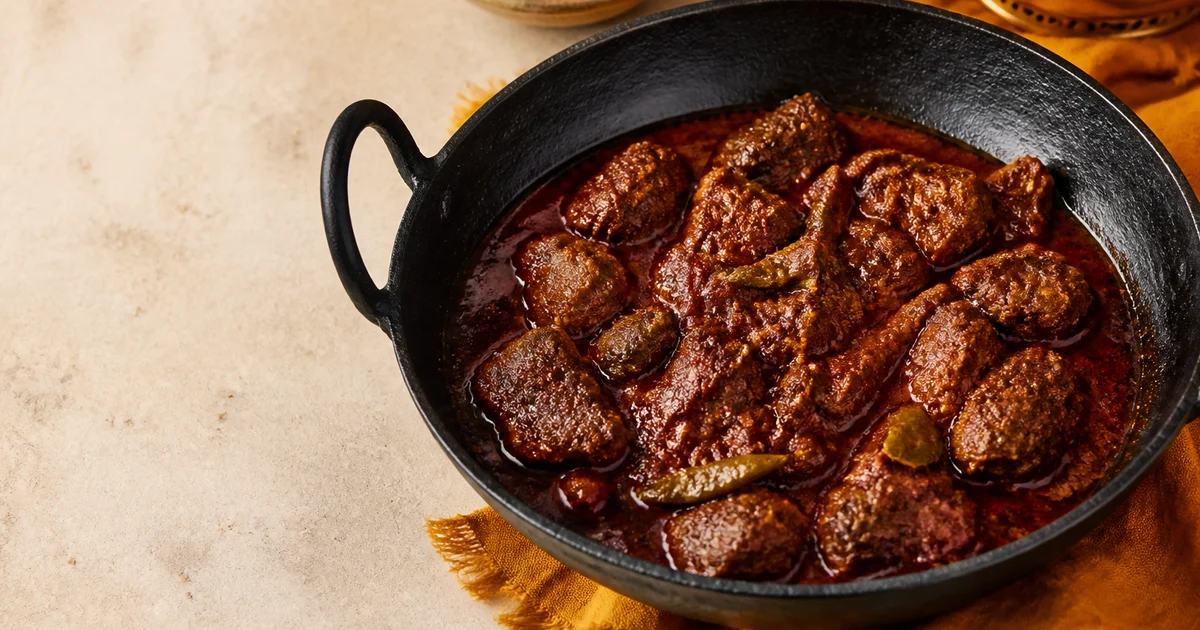
A commercial beef bhuna recipe for about 40 plates, with a long bhuna stage, clear oil-separation cues, controlled portions and service-safe reheating.
- Yield:
- about 40 plates
- Total:
- 4 hr 15 min
- Difficulty:
- Medium
Commercial Beef Chaap Recipe
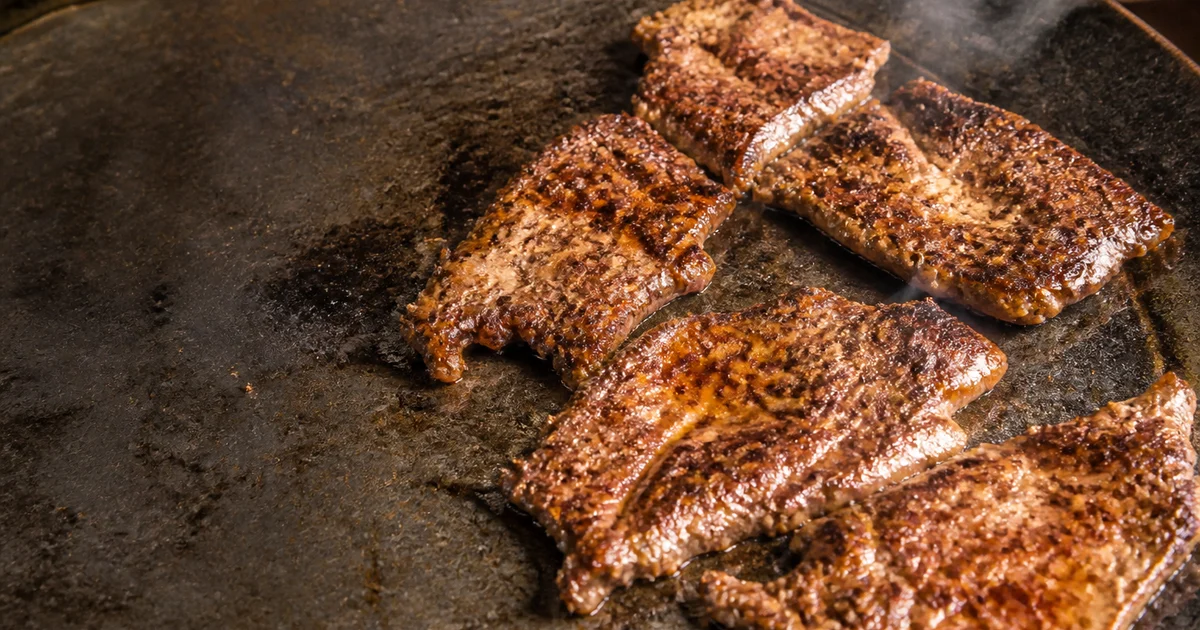
A commercial beef chaap recipe for 40 plates, covering controlled tenderising, slow tawa cooking, service holding and consistent portion yield.
- Yield:
- about 40 plates
- Total:
- 2 hr 20 min
- Difficulty:
- Medium
Commercial Bhuna Khichuri Recipe
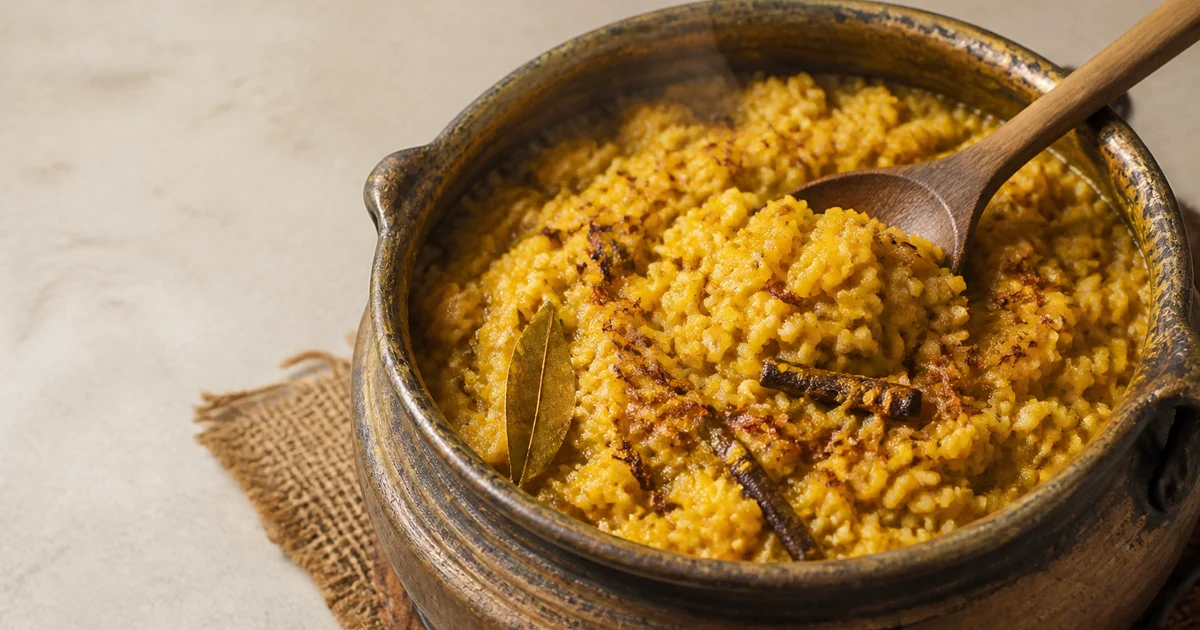
A commercial bhuna khichuri recipe for about 40 plates, with a 2:1 rice-to-dal ratio, controlled moisture, service holding and yield guidance.
- Yield:
- about 40 plates
- Total:
- 1 hr 40 min
- Difficulty:
- Medium
Run your restaurant on Rosuii
POS, menu, inventory, payroll and more — built for Bangladeshi restaurants.
Start free