Choosing a Food Cart Location in Bangladesh: Footfall, Timing and Competition
Learn how to assess footfall, customers, competitors, rent and licences, then test a food cart location for a week before risking your limited capital.
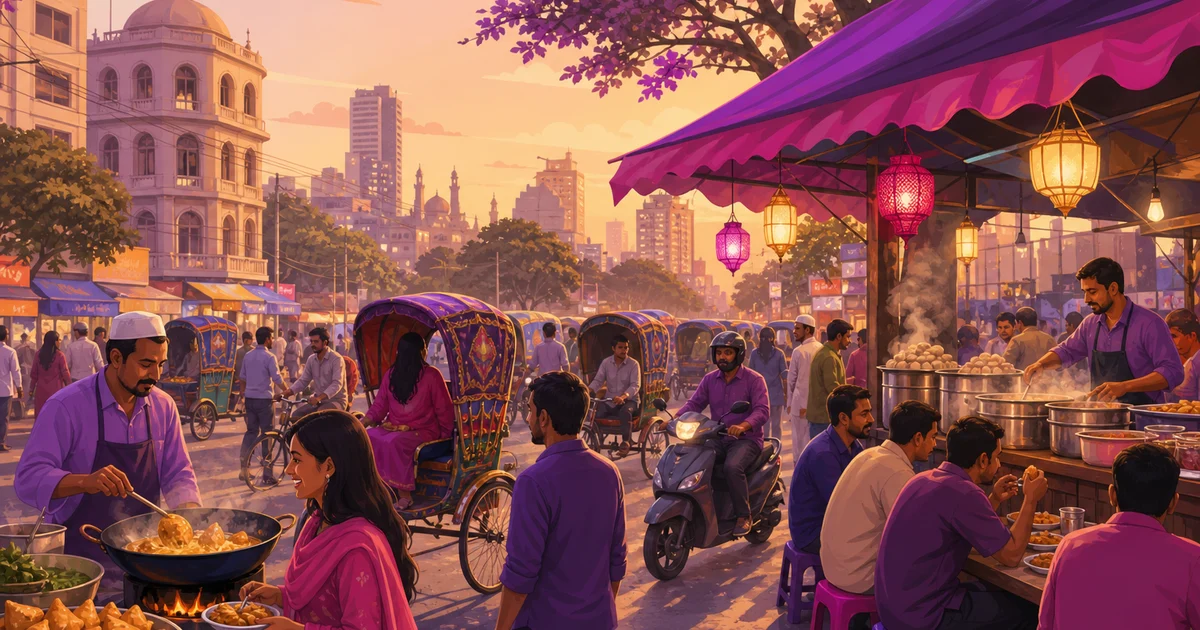
A good food cart location is not simply the busiest pavement you can find. The right spot has enough of the right customers during the hours you plan to trade, manageable competition, safe access and a cost that your daily sales can support. If you have limited capital and will run the cart yourself, choosing the location carefully matters more than buying an expensive cart.
This guide explains how to count footfall, judge nearby sellers, estimate spot rent, calculate realistic margins and test a location before committing. For a broader startup overview, read our guide to starting a street food cart business in Bangladesh.
What Makes a Good Food Cart Location?
A useful location brings together four things: target customers, suitable timing, visibility and permission to operate. Heavy footfall alone does not guarantee sales. Hundreds of students passing a cart may produce fewer orders than 50 office workers actively looking for lunch.
Start by defining your product and likely buyer. A breakfast cart selling paratha, eggs and tea needs commuters or workers early in the morning. Burgers, momos and fried snacks may perform better near campuses in the afternoon. Rice meals need customers who stay nearby at lunchtime and have enough time to eat.
Common location types to investigate
- Office areas: Strong breakfast, lunch and evening demand on working days. Sales may fall sharply on Fridays, public holidays and work-from-home days.
- Campuses and coaching centres: Large price-sensitive crowds at class-change times. Academic holidays, exams and security restrictions can interrupt business.
- Hospitals and clinics: Patients' attendants and staff may need tea, snacks and simple meals throughout the day. Hygiene expectations are high, and entrances may have strict vending rules.
- Bus stops and transport points: Good for fast, portable items. Customers are usually in a hurry, while traffic, dust, safety and eviction risk can be serious problems.
- Markets and residential streets: Evening snacks and takeaway meals can work if nearby households match your price range.
- Private commercial frontage: A shop owner may allow a cart outside for rent. Written permission and predictable access can make this safer than occupying a public footpath.
Count Footfall Yourself at the Hours You Will Trade
Do not depend on a broker saying that an area is always busy. Visit it yourself. Count people during the exact hours your cart would open, preferably on several weekdays and at least one Friday or weekend day.
Use a notebook or phone and observe in 15-minute blocks. Record:
- Total people passing close enough to see the cart
- People who appear to match your target customer
- People already buying food or drinks nearby
- Average waiting time at competing stalls
- When the crowd starts and when it disappears
- Rain cover, lighting, dust, drainage and traffic conditions
For example, an office lane may record 400 passers between 1:00 pm and 2:00 pm, but only 120 may walk on your side of the road. If 30 to 50 of them buy from existing sellers, that is more useful evidence than the total footfall.
Repeat the count at least three times. A political event, payday, rainstorm or nearby meeting can create an unusual day. You need the normal pattern, not the best hour you happened to see.
Match the Crowd to the Product and Price
Watch what customers already buy, how much they spend and how long they wait. Near a university, a ৳250 meal may struggle even with high footfall. Near a hospital, a clean ৳80 to ৳150 breakfast or snack may have steady demand. These are planning ranges only. Customer budgets and food prices differ across Dhaka, Chattogram and smaller towns.
A narrow menu is safer at the beginning. Choose three to six core items that share ingredients and equipment. If you sell chicken rolls, sandwiches and fries, for example, you can reuse sauces and vegetables without carrying ingredients for 20 unrelated dishes.
Do not copy a popular seller blindly. Their loyal customers, supplier prices and portion control may have taken years to build. Look for an unmet need such as faster service, cleaner packaging, an affordable breakfast or a product unavailable during a particular hour. If you are still comparing concepts, see these restaurant business ideas for Bangladesh.
What Neighbouring Sellers Can Tell You
Competition is not always bad. Several busy tea and snack stalls prove that people stop to eat in that area. A location with no food sellers may be an opportunity, but it may also indicate restrictions, low demand or repeated eviction.
Buy something and speak respectfully with nearby vendors. Ask practical questions rather than demanding their sales figures:
- Which hours and days are busiest?
- Does the road flood or become unusable during rain?
- Are carts regularly moved by the city corporation, police, market committee or property owner?
- Is electricity or water available, and who controls access?
- Are there delivery restrictions or conflicts over parking?
- Does the area become unsafe after dark?
Also observe supplier deliveries, waste disposal and customer queues. Sellers may not disclose everything, so compare their answers with what you see over several visits.
Spot Rent and Permission Realities
Food cart operators may encounter daily charges, monthly frontage rent, market committee fees or informal demands. Market rates move quickly and vary by city, road and season. As a rough planning range, a basic arrangement might cost around ৳3,000 to ৳20,000 per month, while prime private frontage or a formal market space can cost more. Short-term daily charges might fall around ৳200 to ৳1,000 or above.
These are not official rates and should not be treated as quotations. Ask exactly what the payment provides. Does it include a defined space, electricity, water, storage or security? Can you trade during all agreed hours? Will you receive a receipt or written permission?
An informal payment does not create a legal right to occupy a public footpath. You can still be moved, lose stock or miss a full trading day. Never pay a large advance without confirming who controls the site. For private frontage, request a simple written agreement stating the location, hours, monthly amount, deposit, utilities and notice period.
As a planning rule, try to keep location cost around 10% to 15% of expected sales. A higher ratio may work for a very high-margin product, but beginners should not assume perfect sales every day.
What You Actually Need to Buy
A self-run cart does not need restaurant-level decoration. It needs safe cooking, clean storage, fast service and protection from weather. Depending on whether equipment is new, used or locally fabricated, reasonable planning ranges may include:
- Cart or counter: roughly ৳25,000 to ৳80,000, depending on size, steelwork, wheels, canopy and storage
- Cooking equipment: around ৳10,000 to ৳35,000 for burners, griddle, fryer or other product-specific equipment
- Utensils and containers: around ৳3,000 to ৳10,000
- Opening ingredients and packaging: around ৳5,000 to ৳15,000
- Hygiene and safety items: around ৳2,000 to ৳8,000 for covered bins, water containers, gloves where appropriate, cleaning supplies and basic fire protection
- Lighting, menu board and signage: around ৳2,000 to ৳8,000
- Permissions, transport, deposit and contingency: around ৳5,000 to ৳25,000 or more, depending on the arrangement
A practical starting budget may therefore fall around ৳50,000 to ৳180,000. Prices change with steel, LPG equipment, appliances and local fabrication charges, so collect several current quotations. Buy a proper regulator and hose, keep raw and cooked food separate, and arrange safe drinking-quality water for preparation and handwashing.
Daily Sales and Margin Arithmetic You Can Redo
A new cart might plan around 25 to 60 transactions a day while testing demand. A proven busy site may handle 60 to 120 or more. These are broad planning ranges, not promised sales. Your menu, weather, speed and operating hours will decide the result.
Suppose your average bill is ৳120 and you serve 70 orders:
- Sales: 70 × ৳120 = ৳8,400
- Ingredients and packaging at 45%: ৳3,780
- Amount left after food and packaging: ৳4,620
- Spot charge: ৳300 to ৳700
- Fuel and water: ৳250 to ৳500
- Transport: ৳150 to ৳400
- Wastage and small losses: ৳150 to ৳400
Using the middle of those expense ranges could leave roughly ৳2,800 to ৳3,600 before paying yourself, maintaining equipment, replacing utensils, paying licence costs or covering closed days.
Now test a slow day. At 35 orders with the same ৳120 average bill, sales are ৳4,200. If food and packaging still take 45% and daily operating costs are around ৳1,100 to ৳1,700, only about ৳610 to ৳1,210 may remain before owner wages and longer-term costs. This is why budgeting from the busiest observed day is dangerous.
Use your own formula: orders × average bill = sales. Then subtract ingredients, packaging, location cost, fuel, transport, wastage, helper wages and an allowance for your own labour. Compare your approach with the cost planning in our small restaurant business guide.
Where Beginners Commonly Lose Money
- Starting with too many items: Slow-moving ingredients expire, and service becomes difficult for one person.
- Ignoring their own labour: Cash left in the box is not pure profit if you worked 12 hours to earn it.
- Buying stock from retail shops every day: Convenience can quietly reduce the margin on each portion.
- Poor portion control: A little extra chicken or sauce in every order becomes a large monthly cost.
- Paying a large spot advance: The person collecting money may not have authority over the land.
- Giving too much credit: Small unpaid balances can consume the day's profit.
- Forgetting weather and closed days: Rain, heat, holidays and enforcement action can stop trade.
- Mixing household and business cash: Without daily records, you cannot tell whether the location works.
Test the Location for One Week
Before ordering a fully branded cart or paying several months in advance, negotiate a seven-day trial if possible. Use rented, borrowed or basic equipment while maintaining proper food safety. Trade at the intended hours and record footfall, transactions, average bill, unsold stock, daily expenses and customer requests.
A week should include both strong and weak trading days. At the end, calculate average daily sales rather than selecting the best day. Check whether location cost stays near your target, whether food and packaging remain around 40% to 50% of sales, and whether wastage stays within roughly 3% to 7%. These are working ranges, not universal standards.
Move or change the offer if many target customers pass but very few stop. If people stop but do not buy, price, menu clarity or product appeal may be the issue. If sales are good but queues are slow, simplify preparation before rejecting the location.
Licences and Local Rules in Bangladesh
A trade licence from the relevant city corporation, municipality or local authority generally applies when operating a business. The category, documents, fee and address requirements differ by area. A fixed location is easier to document because you may need tenancy papers, the owner's permission and address details.
Once you have a fixed food premises, check the applicable food business licensing or registration requirements with the Bangladesh Food Safety Authority and your local office. Requirements can depend on business type and premises. Do not assume a trade licence replaces food safety obligations.
A moving cart sits in a less clear practical position. Street vending is often governed by city-corporation rules, market arrangements, property rights and local enforcement. Informal arrangements are common, but they are not guaranteed legal permission. Ask the relevant ward office, city corporation or municipality before investing heavily. Keep food covered, manage waste, use safe water and avoid blocking pedestrians regardless of the cart's licensing position.
Keep Records Without Making the Cart Complicated
A notebook is enough during the first test: opening stock, purchases, orders, sales, wastage and closing cash. Once volume grows, Rosuii can handle billing from a phone and show daily sales totals. Its Free plan can suit basic low-volume POS use, while inventory and purchasing are available from the Starter plan if tracking a handful of stock items becomes useful. Software should save time, not add unnecessary work.
Choose the site with evidence, start with a narrow menu and preserve cash for slow days. When you are ready to keep cleaner billing and sales records, register for Rosuii and start free.
Last updated:
Frequently asked questions
How many days should I test a food cart location before committing?
How much can spot rent for a food cart cost in Bangladesh?
Do I need a trade licence for a moving food cart?
When does a food cart need a BFSA food licence?
What is a realistic daily sales target for a new food cart?
Run your restaurant on Rosuii
POS, menu, inventory, payroll and more — built for Bangladeshi restaurants.
Start free