Foodpanda vs Own Online Ordering in Bangladesh
A balanced channel comparison: marketplaces for discovery, direct ordering for restaurant-controlled repeat demand.
Last verified: 2026-08-28
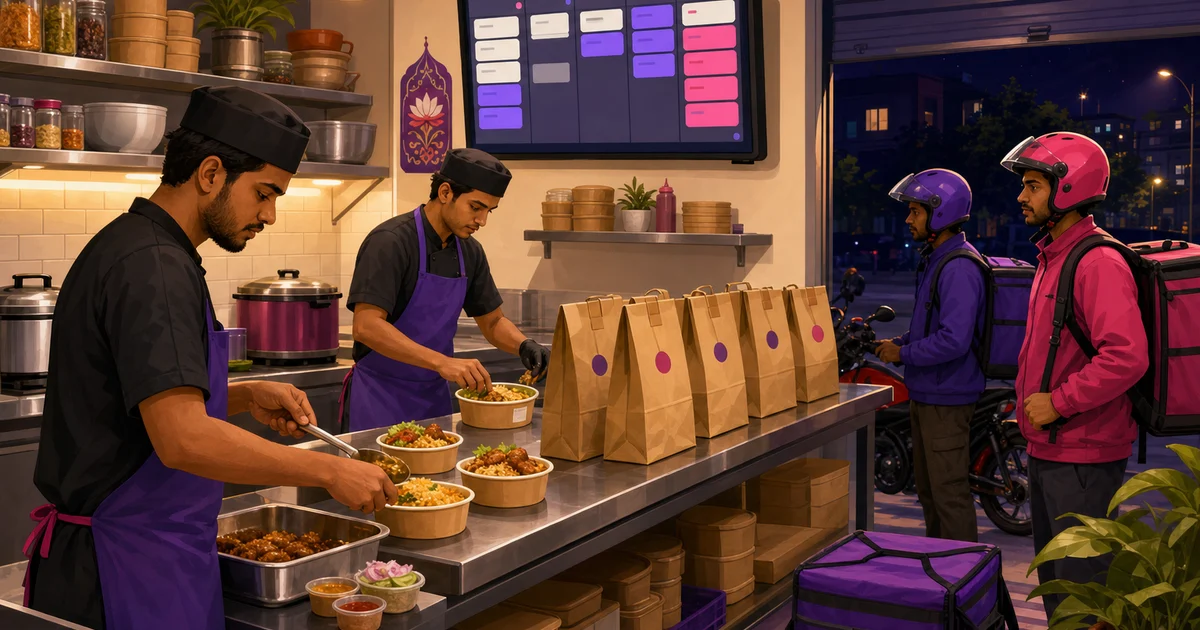
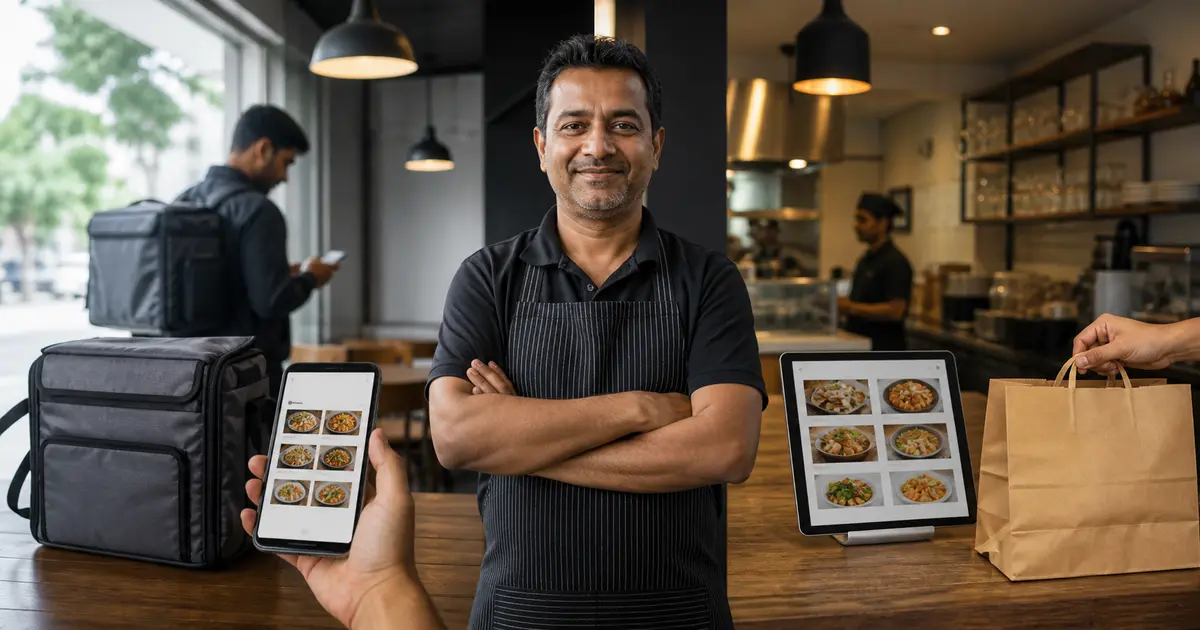
Foodpanda and a restaurant's own online ordering solve different problems. foodpanda offers marketplace discovery, payments, customer support and rider delivery under its partner model. A direct storefront gives the restaurant more control over menu, customer relationship and repeat-order economics but requires its own promotion and fulfilment plan.
For most established restaurants, the practical answer is a measured mix rather than an all-or-nothing choice. Follow each platform agreement and never move marketplace-acquired customer data or orders in a way the contract prohibits.
Channel comparison
| Factor | Marketplace | Own storefront |
|---|---|---|
| Discovery | Existing app audience | Restaurant must generate demand |
| Commercial cost | Contract package and campaign terms | Software, gateway and fulfilment costs |
| Customer relationship | Platform-controlled context | Direct restaurant interaction |
| Delivery | Rider model available | Restaurant or delivery partner |
| Control | Platform rules and listing tools | Own menu, brand and policies |
| Main risk | Margin and dependency | Low traffic or weak fulfilment |
Where Foodpanda is strong
A marketplace can introduce a new restaurant to customers outside its existing social audience. foodpanda states that partners can reach new customers and that its riders, payment handling and customer support form part of the model.
That reach has a commercial cost determined by the partner package and campaigns. Assess contribution after every deduction, not only order volume.
Where an own storefront is strong
A branded ordering page can serve people who already know the restaurant through its location, Facebook page, Google profile, packaging or repeat visits. The restaurant controls presentation and can measure direct sales without a marketplace percentage, although gateway, delivery, software and marketing costs still exist.
A direct channel also creates operational responsibility. Menus must be current, payments supported, customers answered and orders delivered or collected reliably.
A contract-safe two-channel plan
- Use a marketplace for discoverability and covered delivery areas
- Promote the direct link through restaurant-owned channels
- Respect marketplace customer-data and marketing restrictions
- Price from contribution, not an arbitrary channel markup
- Keep availability synchronized operationally
- Tag orders by source
- Compare repeat demand and contribution monthly
When to prioritize each channel
A new brand with little audience may prioritize marketplace reach while testing menu and kitchen capacity. A restaurant with strong footfall, social followers or repeat takeaway demand can invest more in its direct storefront.
If delivery operations are unreliable, adding direct orders can damage the brand. Stabilize preparation, packaging, dispatch and support before scaling traffic.
Rosuii channel setup
Paid Rosuii plans include a branded online ordering storefront, and Rosuii does not take a marketplace percentage from direct food orders. Normal payment gateway and delivery costs still apply. Real supported online payments include bKash and Nagad.
Rosuii also records dine-in, takeaway and delivery in one operating view. Marketplace connectivity depends on the supported workflow and partner access; do not assume an automatic import without confirming the implementation for your account.
Two channels can serve different jobs
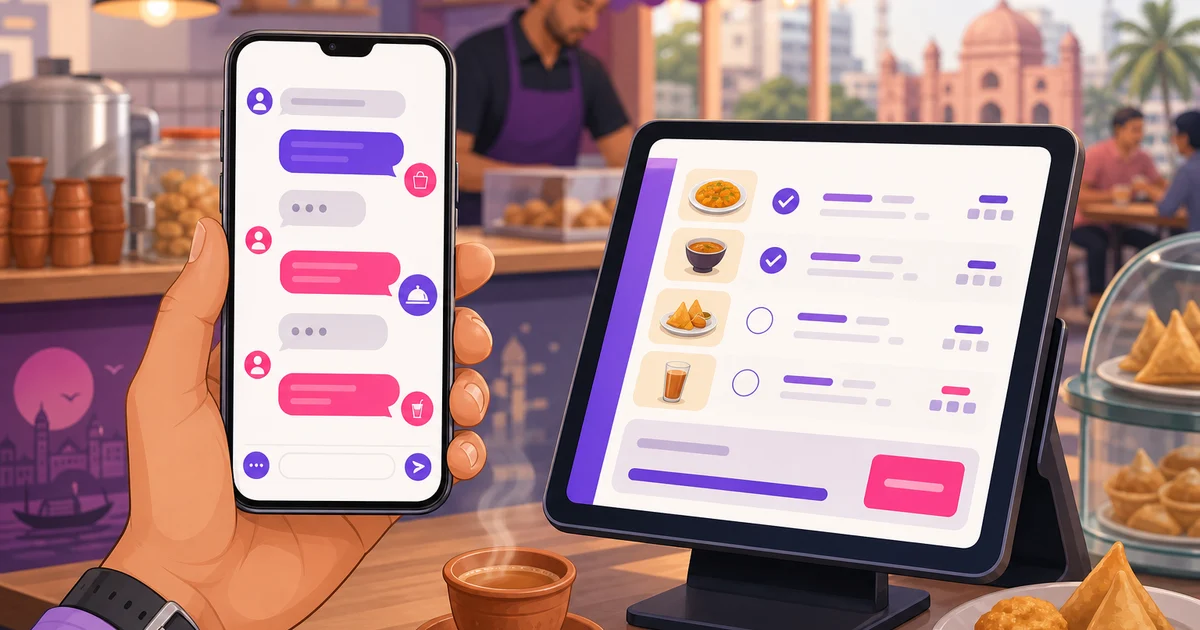
A marketplace may provide discovery and a standardized delivery flow, while an owned storefront gives the restaurant direct control of brand, menu route and permitted customer relationship. Neither is automatically more profitable. Compare the exact current agreement and the restaurant's real fulfilment, marketing and support cost.
Use both where each has a defined role and the operation can keep menu, availability, payment, production and reconciliation accurate.
Channel comparison matrix
Use not confirmed instead of assumptions, and compare one sample basket on the same tax and packaging basis.
| Dimension | Marketplace evidence | Owned-channel evidence |
|---|---|---|
| Demand | Measured outlet orders | Measured campaign/direct orders |
| Commercial | Current agreement/statement | Software, payment, delivery cost |
| Menu | Partner workflow | Restaurant-controlled source |
| Delivery | Platform responsibility | Own or contracted process |
| Support | Partner case route | Restaurant response route |
| Data | Agreement/export | Consent, access and retention |
| Risk | Platform term/coverage change | Acquisition and operational ownership |
Contribution per completed order
Start from realized item revenue and subtract channel-specific discount funding, platform or payment charge, restaurant-paid delivery, packaging, ingredient cost, refund and order-specific support cost where measured consistently. Define the calculation and period.
Do not hard-code one foodpanda rate or claim direct ordering is free. Owned channels have software, payment, marketing, delivery and support costs.
Customer migration without dark patterns
A customer's marketplace transaction does not automatically give permission for unrelated direct marketing. Follow the contract and applicable privacy review.
- Keep marketplace orders and agreements compliant
- Offer a clear owned link on permitted surfaces
- Give equivalent menu truth
- Explain delivery and support terms
- Obtain marketing consent separately
- Do not scrape marketplace customer data
- Make unsubscribe and privacy routes clear
- Measure repeat behaviour only with lawful data
Four-week channel test
Define comparable menu, area, hours and service capacity, then record availability, completed orders, cancellations, refunds, realized contribution and support issues. Track campaign source for owned orders without exposing personal data.
Decide the channel mix from verified results and operational capacity. Preserve small-sample and promotion context, and publish no superiority claim without an approved method.
Create one order-level schema across channels for internal analysis while preserving original fields: source, external ID, branch, item revenue, discount funding, fulfilment responsibility, packaging, payment, status, refund and support case. Define every field and keep unmatched values visible. Review customer experience too—menu truth, payment clarity, delivery updates and remedy—not only contribution. A channel mix that finance cannot reconcile or staff cannot execute is not sustainable even if the first gross-sales total looks attractive.
Use Foodpanda when its discovery and fulfilment value exceeds the full channel cost. Build direct ordering for demand the restaurant can acquire and serve itself. Measure both with contribution, reliability and repeat behaviour.
Related guides
- Online Ordering System vs Marketplace
- Commission-Free Online Ordering
- Restaurant Online Ordering Software
- Compare restaurant management software
See this workflow in Rosuii: See Rosuii branded online ordering
Sources checked
Last updated:
Frequently asked questions
Is an own ordering website cheaper than Foodpanda?
Should a restaurant leave Foodpanda?
Can both channels be used together?
Who handles delivery for direct orders?
Does Rosuii charge order commission?
Is own online ordering cheaper than foodpanda?
Can a restaurant use foodpanda and its own website together?
Can marketplace customer data be added to direct marketing?
What should an owned-ordering channel control?
Run your restaurant on Rosuii
POS, menu, inventory, payroll and more — built for Bangladeshi restaurants.
Start free