Ghost Kitchen vs Cloud Kitchen vs Dark Kitchen: What Is the Difference?
Learn how ghost, cloud, and dark kitchens overlap, compare four practical operating models, and choose a profitable delivery setup for Bangladesh.
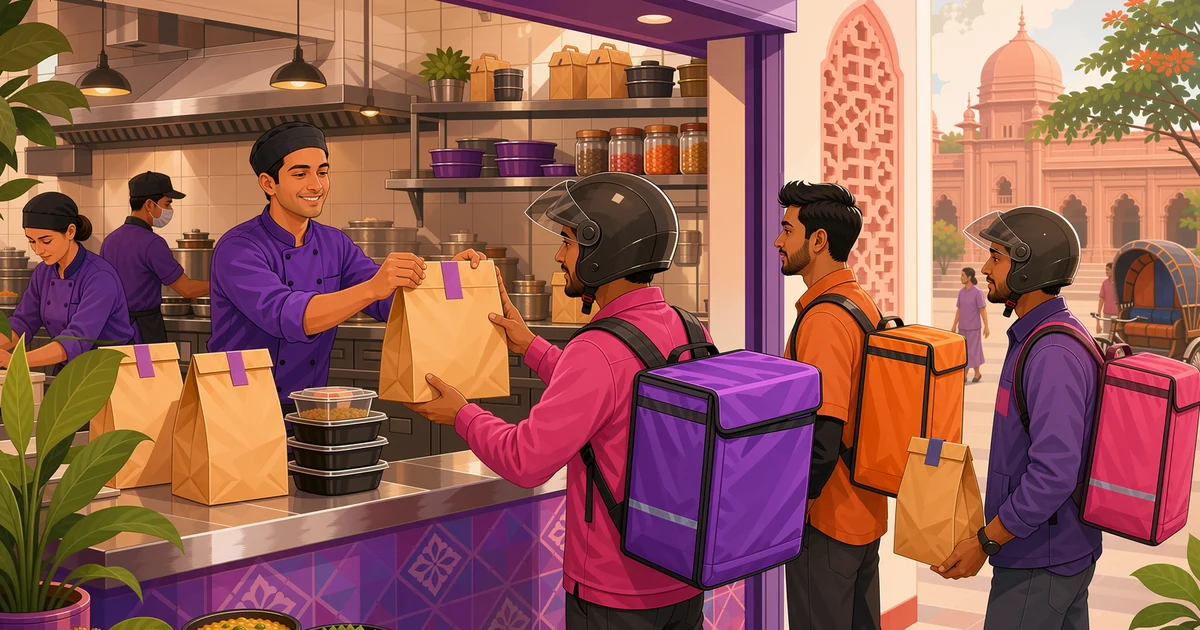
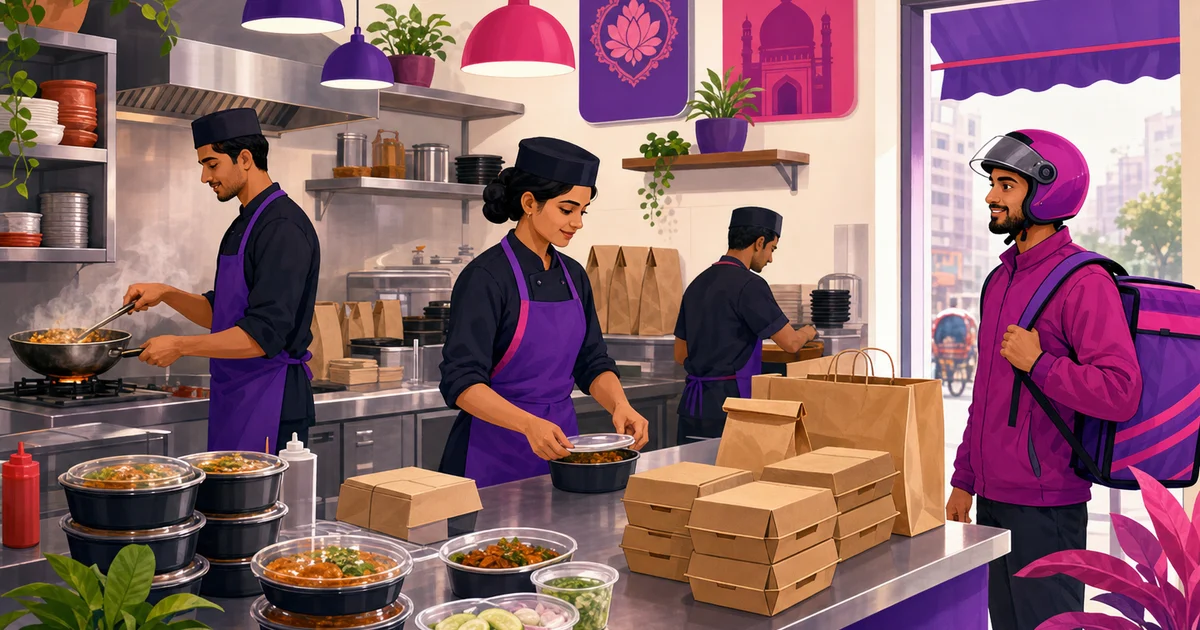
The debate around ghost kitchen vs cloud kitchen is often more confusing than it needs to be. Add “dark kitchen,” “virtual restaurant,” and “delivery-only restaurant,” and it can sound like five different businesses. In practice, these terms overlap. They generally describe a kitchen that prepares food mainly for delivery, without operating a conventional dining room.
The more important distinction is not the label on the signboard. It is how the kitchen is structured: one brand or several, private or shared premises, marketplace-dependent or direct-to-customer, and delivery-only or supported by a pickup counter. Those choices determine your investment, operating complexity, customer reach, and potential margin.
Ghost Kitchen vs Cloud Kitchen: The Simple Explanation
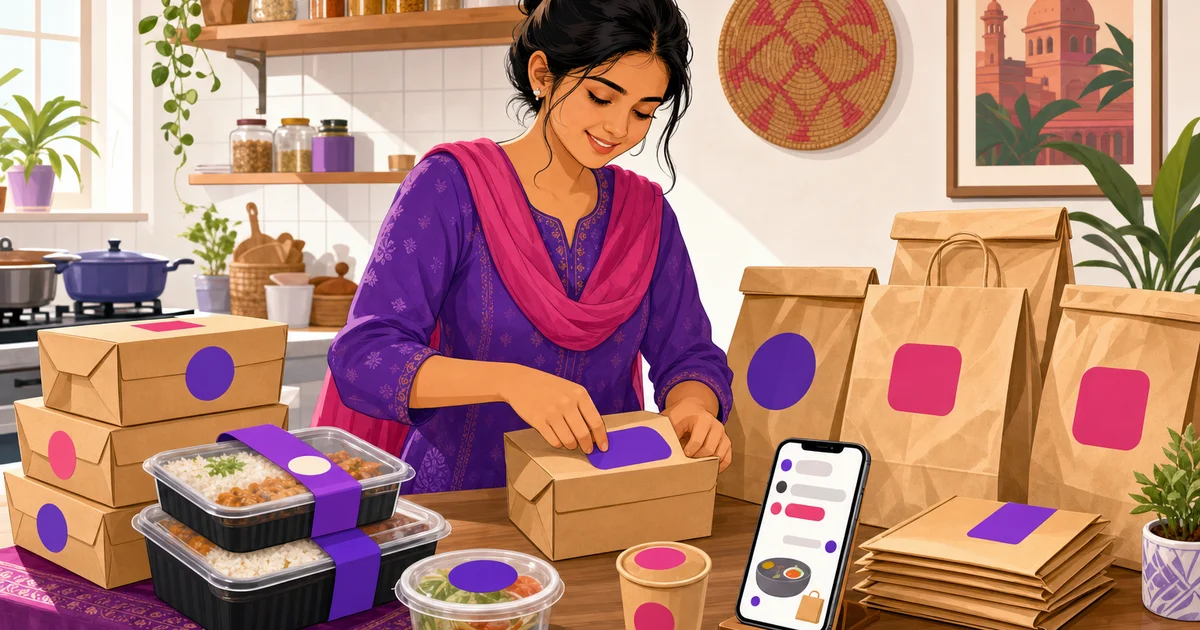
A cloud kitchen is an umbrella term for a food business designed primarily around online orders and delivery. Customers usually order through a restaurant website, a delivery marketplace, social media, or phone. There may be no customer seating at all.
A ghost kitchen usually means the same thing. The term is common in North America and often emphasizes that the restaurant has no traditional storefront or dining room. Customers see the brand online, but the production kitchen may be in a low-rent commercial location.
A dark kitchen is another closely related term, used more frequently in the UK, Europe, and industry reporting. It also refers to a kitchen that is not designed for dine-in traffic. “Dark” does not mean unlicensed, hidden from regulators, or poorly maintained. It simply means the customer-facing restaurant space is absent or limited.
There is no universal legal definition separating the three. A Bangladeshi entrepreneur could accurately describe the same operation as a cloud kitchen, ghost kitchen, or dark kitchen. “Cloud kitchen” is generally the most familiar and marketable term in Bangladesh and South Asia.
What about a virtual restaurant?
A virtual restaurant is better understood as a brand, not necessarily a physical kitchen. For example, one kitchen might operate a burger brand, a rice bowl brand, and a late-night snacks brand. Each appears separately online, but all three are prepared by the same team at the same address.
A virtual brand can operate inside a cloud kitchen or even inside an existing dine-in restaurant. This distinction matters because launching another online brand is cheaper than building another kitchen, but it still adds menu, inventory, packaging, marketing, and quality-control work.
Where the Terms Overlap and Where They Differ
| Term | Typical meaning | Customer-facing area | Number of brands |
|---|---|---|---|
| Cloud kitchen | Broad term for an online-order and delivery-focused kitchen | Usually none, but pickup is possible | One or several |
| Ghost kitchen | Delivery-only restaurant without a conventional storefront | Usually none | One or several |
| Dark kitchen | Another regional term for a delivery-focused production kitchen | Usually none | One or several |
| Virtual restaurant | An online food brand produced from a physical kitchen | Depends on the host kitchen | One brand identity |
| Shared kitchen | A licensed or commercially arranged facility used by multiple operators | Limited or none | Multiple independent businesses |
The labels alone do not tell you whether the business will work. Two kitchens calling themselves cloud kitchens may have completely different economics. One may pay high marketplace commissions and operate six brands from one team. Another may sell one focused menu through its own ordering site and use marketplaces mainly for discovery.
Four Cloud Kitchen Models Used in Practice
1. Single-brand, delivery-only kitchen
This is the simplest model. One kitchen prepares one focused menu under one customer-facing brand. It is often the best starting point for a new operator because purchasing, staff training, packaging, marketing, and stock control stay manageable.
The limitation is demand concentration. If the brand fails to attract repeat orders, there is no second concept to use the same rent and staff. A clear cuisine, sensible delivery radius, and products that travel well are essential.
2. Multi-brand kitchen from one location
One production facility runs several virtual restaurant brands. A kitchen might sell biryani at lunch, burgers and fried chicken in the evening, and desserts under a separate name. Shared ingredients and equipment can improve kitchen utilisation.
However, more brands do not automatically create more profit. Different menus may require extra packaging, more stock items, separate promotions, and greater staff coordination. Slow-moving ingredients increase wastage. Start with strong ingredient overlap and make sure each brand serves a distinct customer need rather than listing the same dishes under different logos.
3. Shared or aggregator kitchen space
In this model, several restaurant businesses rent individual stations or kitchen units within one facility. The facility provider may supply utilities, security, cleaning arrangements, rider waiting areas, or shared storage. Some delivery platforms and property operators also develop kitchen hubs close to high-demand zones.
This can reduce initial fit-out work and help a brand enter a new area faster. The trade-off is less control over the premises, operating rules, access times, storage, signage, and contract terms. Before signing, check utility allocation, generator or backup arrangements, gas and fire safety, rider access, waste disposal, pest control, and responsibility for licences.
4. Hybrid kitchen with a pickup counter
A hybrid model remains delivery-led but includes a small counter for takeaway customers and riders. It does not need a full dining room. In Bangladesh, this can build trust because customers can see a real location, collect orders directly, and avoid delivery charges when convenient.
The counter adds rent and front-of-house requirements if you choose a visible location, but it can support direct orders and neighbourhood awareness. It is particularly practical near offices, universities, apartment clusters, and busy residential roads where takeaway demand already exists.
How the Economics Compare
A cloud kitchen can avoid dining-room furniture, large frontage, and a full service team. That does not make it automatically cheap. Rent, kitchen equipment, exhaust and fire safety work, ingredients, staff, utilities, packaging, marketplace charges, discounts, refunds, and marketing still affect every order.
Consider an illustrative ৳500 order. If ingredients cost ৳150, packaging ৳35, marketplace commission and campaign participation ৳125, transaction cost ৳10, and variable labour and utilities ৳30, the order contributes ৳150 before rent, salaries, software, marketing, wastage, maintenance, and tax. These are examples, not standard rates. Your marketplace agreement, menu, location, and promotion strategy will change the calculation.
Evaluate each model using these measures:
- Average order value: Revenue received per order before deductions.
- Food and packaging cost: Include sauces, containers, cutlery, bags, and seals, not only the main ingredients.
- Contribution per order: Sales minus costs that rise directly with each order.
- Fixed monthly cost: Rent, permanent salaries, internet, software, licences, and recurring maintenance.
- Break-even orders: Fixed monthly cost divided by average contribution per order.
- Repeat-order rate: Returning customers usually cost less to serve than repeatedly acquiring new ones.
A single-brand kitchen usually offers easier cost control but depends on one concept. A multi-brand setup can spread fixed costs across more orders, while adding operational complexity. Shared kitchens reduce some upfront commitments but may carry higher recurring rent or service fees. A hybrid pickup operation can improve direct sales, although a visible location may cost more.
For a more detailed local budget, read this guide to cloud kitchen setup costs in Bangladesh.
Which Model Suits the Bangladeshi Market?
Dense neighbourhoods, heavy traffic, growing digital ordering, and widespread familiarity with bKash, Nagad, and cash on delivery make delivery-focused kitchens practical in Dhaka and other major cities. Yet local execution matters more than the global terminology.
A single-brand kitchen suits first-time operators with a tested product and limited capital. Keep the menu tight, choose dishes that maintain quality during a 20 to 40-minute journey, and launch within a controlled delivery radius.
A multi-brand kitchen suits an experienced team that already understands demand patterns and can manage stock across several menus. It works best when brands share equipment and core ingredients without appearing identical to customers.
A shared kitchen can suit brands testing demand in a new part of Dhaka, Chattogram, Sylhet, or another urban market. It may shorten launch time, but the contract and facility standards require careful checking.
A hybrid pickup model is often a strong Bangladesh-specific choice. Customers may discover the brand online but still want a recognisable address, direct phone contact, COD, or self-collection. A small counter can provide that confidence without carrying the cost of a full restaurant.
Whichever model you select, inspect rider access. A kitchen may be close to customers on a map but difficult to reach because of narrow roads, building restrictions, congestion, or poor parking. Delayed rider pickup quickly becomes cold food and poor reviews.
You should also confirm trade licence, food safety, fire safety, VAT, tenancy, and local authority requirements for your exact business and premises. VAT treatment can vary by registration and operating structure, so confirm the applicable rate and process with your VAT circle or qualified adviser.
Marketplace Orders vs Direct Orders
Delivery marketplaces can provide reach, rider networks, and customer discovery. They are valuable when launching a new brand. The risk is depending on one platform for nearly all demand while commissions, discounts, paid visibility, and customer access reduce your margin.
Direct ordering gives the restaurant greater control over branding, customer records, loyalty, and promotions. It also requires you to generate traffic and arrange delivery or customer pickup. A balanced approach is often practical: use Foodpanda, Pathao, Shohoz Food, or another suitable channel for discovery while building a branded direct-order channel for repeat customers.
Compare revenue by channel rather than combining everything into one sales figure. A ৳500 direct order and a ৳500 marketplace order may contribute very different amounts after fees and promotions.
Technology Needed to Run a Delivery Kitchen
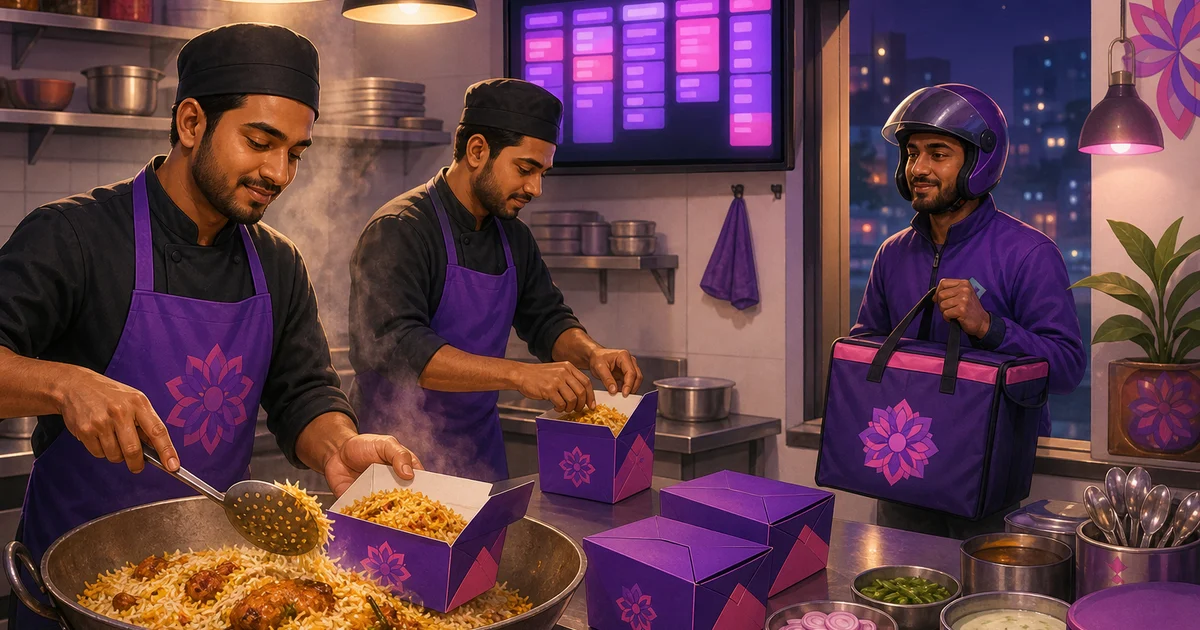
A delivery kitchen needs more than an order-taking screen. The team must coordinate multiple channels, menu variations, kitchen status, stock purchasing, customer details, payments, and financial reports. Multi-brand operators also need clear brand and marketplace tagging so staff do not prepare the right item in the wrong packaging.
Rosuii brings POS, online ordering, marketplace tagging, inventory and purchasing, KDS, customer loyalty, expenses, and sales reporting into one bilingual platform. Restaurants can accept real bKash and Nagad payments through configured tenant gateway credentials, offer COD, and manage VAT and service charge rules in BDT. Each restaurant receives an isolated database and branded subdomain.
Rosuii can also help a hybrid operation handle takeaway and delivery from one POS. Its offline billing mode can keep taking orders during an internet outage after menu and customer data have been synced to the device; queued orders sync when the connection returns. Online payment confirmation and live multi-device or KDS updates still require connectivity.
See how the workflow fits together in this guide to cloud kitchen management software.
How to Choose Without Getting Distracted by Labels
- Define the customer: Identify the neighbourhood, ordering occasion, acceptable delivery time, and realistic spending level.
- Test one focused menu: Check preparation speed, travel quality, portion consistency, and packaging cost.
- Build unit economics: Calculate contribution separately for direct, pickup, and marketplace orders.
- Choose the smallest workable location: Prioritise ventilation, safety, water, drainage, power, storage, and rider access over expensive frontage.
- Add brands only with evidence: Use actual order and stock data before increasing menu complexity.
- Create a direct customer channel: Give repeat buyers a branded ordering option instead of relying entirely on marketplaces.
If you are preparing to launch, follow the step-by-step guide on how to start a cloud kitchen in Bangladesh.
The Bottom Line
Ghost kitchen, cloud kitchen, and dark kitchen usually describe the same broad idea: food production designed around online ordering and delivery rather than a conventional dining room. The practical differences come from the operating model.
For many new Bangladeshi operators, a focused single brand or a delivery-led kitchen with a small pickup counter is the safest starting point. Multi-brand and shared-kitchen models can work well, but only when the added complexity is supported by demand, disciplined stock control, and clear channel-level economics.
Ready to manage orders, kitchen operations, inventory, customers, and reports from one bilingual system? Rosuii is free to start, with paid plans from ৳500 to ৳2,500 per month and no setup fee. Register for Rosuii and set up your restaurant workspace.
Last updated:
Frequently asked questions
Are ghost kitchens and cloud kitchens the same thing?
Can a cloud kitchen have a pickup counter?
Is a multi-brand cloud kitchen more profitable than a single-brand kitchen?
Do I need delivery marketplaces to run a ghost kitchen in Bangladesh?
What should I check before renting a shared kitchen in Bangladesh?
Run your restaurant on Rosuii
POS, menu, inventory, payroll and more — built for Bangladeshi restaurants.
Start free