How to Sell Food Online From Home in Bangladesh: From Facebook Page to a Real Food Business
A practical guide for Bangladeshi home cooks covering profitable products, pricing, Facebook orders, delivery, payments, food safety and growth.
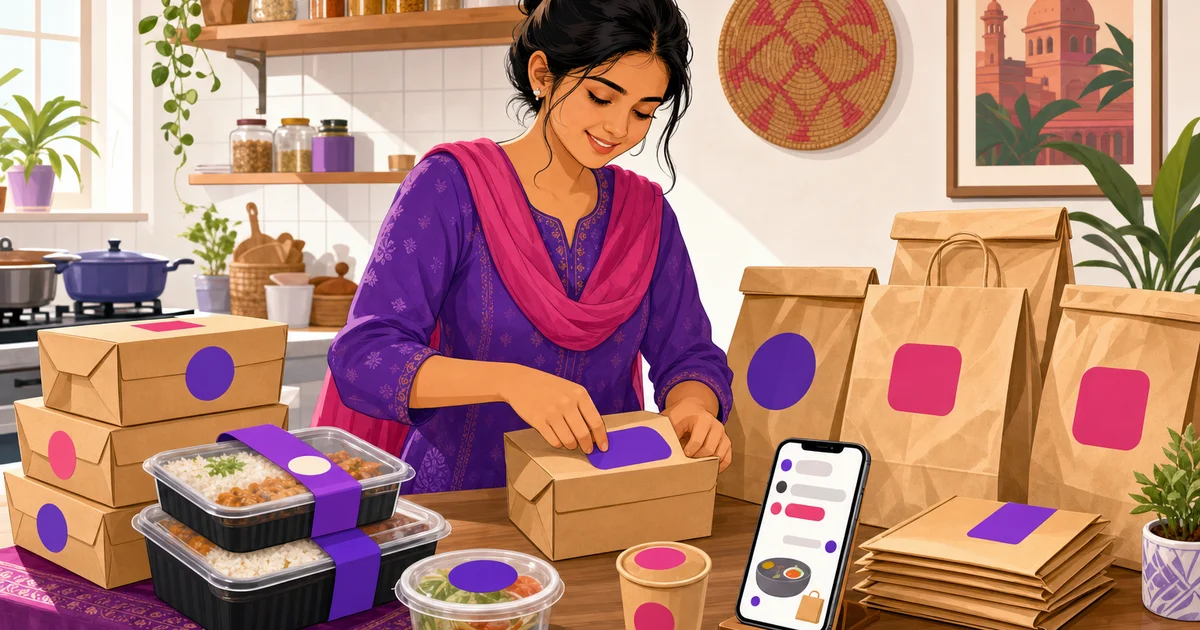
Learning how to sell food online from home in Bangladesh often starts with a simple Facebook post: a tray of frozen samosas, a decorated cake or a Friday biryani offer. Friends order, their friends share the page, and suddenly Messenger is full of addresses, payment screenshots and delivery questions.
That early demand is encouraging, but it can become chaotic. Orders get buried in chat threads. A customer changes the delivery time, another forgets to pay, and you cannot remember whether an order was confirmed. The way forward is not to buy expensive equipment immediately. Build a small, repeatable system first, then add tools and capacity as sales grow.
How to sell food online from home in Bangladesh with the right niche
A broad menu sounds attractive, but it creates more purchasing, preparation and wastage. Start with a narrow category that matches your skills, kitchen capacity and customers' buying habits.
Practical home-food niches
- Frozen snacks: Samosas, spring rolls, kebabs, parathas and similar items can be prepared in batches. You still need suitable freezing, packaging and clear storage instructions.
- Cakes and desserts: Good for birthdays and events, with room for higher-value custom orders. Set realistic lead times and take an advance for customised work.
- Office lunch boxes: A predictable weekday menu can create repeat customers. Delivery timing and consistent portion size matter as much as taste.
- Weekend specials: Biryani, kacchi, roast or regional dishes can be sold through pre-orders on selected days. This reduces uncertainty about how much to cook.
- Diet-focused meals: Calorie-conscious, low-oil or high-protein meals may attract a defined audience, but avoid unsupported health claims.
Test demand before building a large menu. Offer three to five products for two or three weeks. Record enquiries, confirmed orders, repeat purchases and wastage. A product that receives many reactions but few paid orders may not be commercially strong.
Price every item to cover the full cost
Many home cooks calculate the cost of chicken, rice or flour and then add a small profit. That misses several costs that can quietly consume the margin.
For each batch, include:
- Ingredients, spices, oil and garnishes
- Boxes, cups, labels, tape, bags and cutlery
- Gas, electricity and water used for production
- Your preparation, cooking and packing time
- Food lost through testing, trimming, spoilage or rejected batches
- Facebook promotion or other marketing costs
- Delivery subsidy, if you promise a fixed or discounted fee
- A profit margin that can fund replacement tools and future growth
Suppose 20 lunch boxes cost ৳3,600 to make after including ingredients, packaging, utilities and labour. The cost per box is ৳180. Selling at ৳190 leaves only ৳10 before marketing, wastage or delivery support. A price of ৳230 would leave ৳50 per box, but you must still check whether the portion, quality and market justify that price.
Keep delivery separate where possible. Write “food price ৳230 plus delivery charge” rather than hiding an unpredictable city-wide delivery cost inside every item. For free-delivery campaigns, define a minimum order value and delivery area.
Move orders out of scattered Messenger chats
A Facebook page is useful for discovery. WhatsApp is convenient for questions and repeat customers. Neither should be your only order record once volume starts increasing.
At minimum, capture the same details for every order:
- Customer name and active phone number
- Product, variation, quantity and special instructions
- Required date and delivery time window
- Full address, area and a recognisable landmark
- Food total, delivery charge and grand total
- Payment method, advance amount and remaining balance
- Status such as new, confirmed, preparing, dispatched or completed
A basic online form can impose structure, but someone still has to check submissions, confirm availability and update customers. A proper ordering storefront is better when buyers should browse the current menu, choose items and submit delivery orders without waiting for a Messenger reply.
Set a daily order cutoff and publish it clearly. For example, office lunch orders may close at 9:30 am, while a weekend biryani campaign may close on Thursday night. This protects your shopping and preparation plan. For a practical channel strategy, read the guide to restaurant WhatsApp ordering.
Choose delivery based on distance and food risk
Fresh cooked food needs quick, controlled delivery. Start with a small service area that you understand. You can use your own delivery person, arrange a local rider or ask the customer to organise pickup. Confirm the fee and expected time before accepting the order.
Use packaging that resists leakage and keeps food protected during transport. Separate hot food from cold desserts or drinks. Add a tamper-evident seal where practical, and place the customer's name and phone number on the outer package without exposing unnecessary personal information.
Frozen products require extra care. Pathao Courier, Steadfast or another parcel provider may be considered for packaged products, but a normal parcel network is not automatically a cold chain. Before sending frozen food, confirm that the provider accepts the product, check delivery time and test whether validated insulated packaging can maintain safe conditions for the whole journey. If temperature cannot be controlled, restrict sales to local delivery rather than risking unsafe food.
Track delivery problems separately. Late rider arrival, wrong address, damaged packaging and customer absence are different issues. The record helps you decide whether to change packaging, delivery zones or confirmation rules.
Use the right payment arrangement as sales grow
Cash on delivery is familiar, but cancellations can leave you with prepared food and no buyer. Consider taking an advance for cakes, bulk orders, customised products and expensive weekend specials.
A bKash personal account is designed around personal use. Regular business collections should move to an appropriate merchant or business arrangement under the provider's current terms. A merchant setup can make the business look more credible and improve payment record-keeping. Check the latest eligibility documents, charges and settlement process directly with bKash or Nagad.
Do not treat a payment screenshot as final proof. Check the transaction in the official account record and match the amount, transaction reference, phone number and order. Give every order a unique number so that payments do not have to be identified from names alone.
Handle licensing and food safety before problems appear
A home-food page can become a real commercial operation quickly. A trade licence is worth addressing once sales are regular, you are promoting publicly, applying for business payment facilities, hiring people or renting production space. Requirements and issuing authorities vary by location and business structure, so confirm the current process with your city corporation, municipality or relevant local authority.
Depending on the product, packaging, production scale and sales channel, requirements involving the Bangladesh Food Safety Authority, BSTI, tax registration or other agencies may also apply. Packaged foods can have specific labelling and standards obligations. Do not rely only on advice from another Facebook seller. Ask the relevant authority or a qualified adviser about your exact product.
Basic controls for a home production kitchen
- Buy ingredients from dependable suppliers and record purchase dates.
- Keep raw ingredients separate from cooked or ready-to-eat food.
- Use clean water, food-safe containers and sanitised work surfaces.
- Control hot and cold storage carefully, especially during power interruptions.
- Label prepared stock with production and use-by information appropriate to the product.
- Keep allergens in mind and tell customers when a product contains common allergens such as nuts, milk, eggs, wheat or seafood.
- Do not prepare customer orders when the cook or food handler is ill with symptoms that could contaminate food.
Documented habits matter. A cleaning checklist, stock log and batch record are not excessive paperwork when customers are paying you to prepare safe food.
Graduate from chat messages to a free POS
You do not need to wait until you open a restaurant to use a point-of-sale system. A POS can act as the operating record for a home business. Enter Facebook, WhatsApp and phone orders in one place, save customer phone numbers, mark orders by service type and review basic sales reports.
Rosuii's Free plan costs ৳0 and supports one branch with approximately 30 orders per day. It includes POS for takeaway and delivery, menu management, customers and basic reports. There is no online ordering storefront on the Free plan, so customers can still order through your existing channels while you record each confirmed order in Rosuii.
This simple change solves three common problems: forgotten orders, unclear payment status and no customer history. Rosuii runs as a browser PWA on a phone, tablet or laptop, so a home seller is not locked into special POS hardware. After using the one-tap offline-data sync to save the menu and customers on the device, billing can continue during an internet outage. Offline orders queue locally and sync when the connection returns. Online payment confirmation and live multi-device updates still require connectivity.
Add an online storefront when direct messages become a bottleneck
When customers repeatedly ask for the menu, price and available options, it is time to reduce manual chat. Rosuii Starter costs ৳500 per month and adds an online ordering storefront, inventory and purchasing, plus support for up to two branches and approximately 150 orders per day.
Customers can browse a branded menu, add products to a cart and submit an order. The order enters the same operating system instead of being copied from Messenger. You can still answer questions through Facebook or WhatsApp, but the confirmed order details remain structured. Rosuii has no setup fee, and subscriptions can be cancelled anytime. If you later need live bKash or Nagad payment gateway checkout, that gateway capability is included with the Pro plan; merchant transfers can otherwise be checked and recorded according to your process.
Know when the home kitchen has reached its limit
Warning signs include overlapping household and commercial cooking, inadequate cold storage, neighbours being disturbed by riders, repeated late orders and no safe room for additional staff. At that point, reducing orders may be wiser than forcing more production through the same space.
A cloud kitchen can provide dedicated preparation, storage and dispatch space without the cost of a dine-in area. Read how to start a cloud kitchen in Bangladesh and review likely cloud kitchen setup costs in Bangladesh before signing a lease.
The best graduation path is gradual: validate a focused menu, calculate honest prices, centralise order records, improve payment controls, then add an online storefront and dedicated kitchen capacity when demand supports them.
Turn your home-food page into an organised business
Facebook can bring the first customers, but reliable records keep those customers. Start logging orders, customer details and sales without adding software cost. When direct messages become too slow, move to a branded ordering storefront.
Register for Rosuii and start with the Free plan today.
Updated:
Frequently asked questions
Do I need a trade licence to sell food from home in Bangladesh?
Can I send frozen food through Pathao Courier or Steadfast?
Should a home-food business use a bKash personal or merchant account?
How can I stop losing food orders in Facebook Messenger?
When should I move from a home kitchen to a cloud kitchen?
Run your restaurant on Rosuii
POS, menu, inventory, payroll and more — built for Bangladeshi restaurants.
Start free