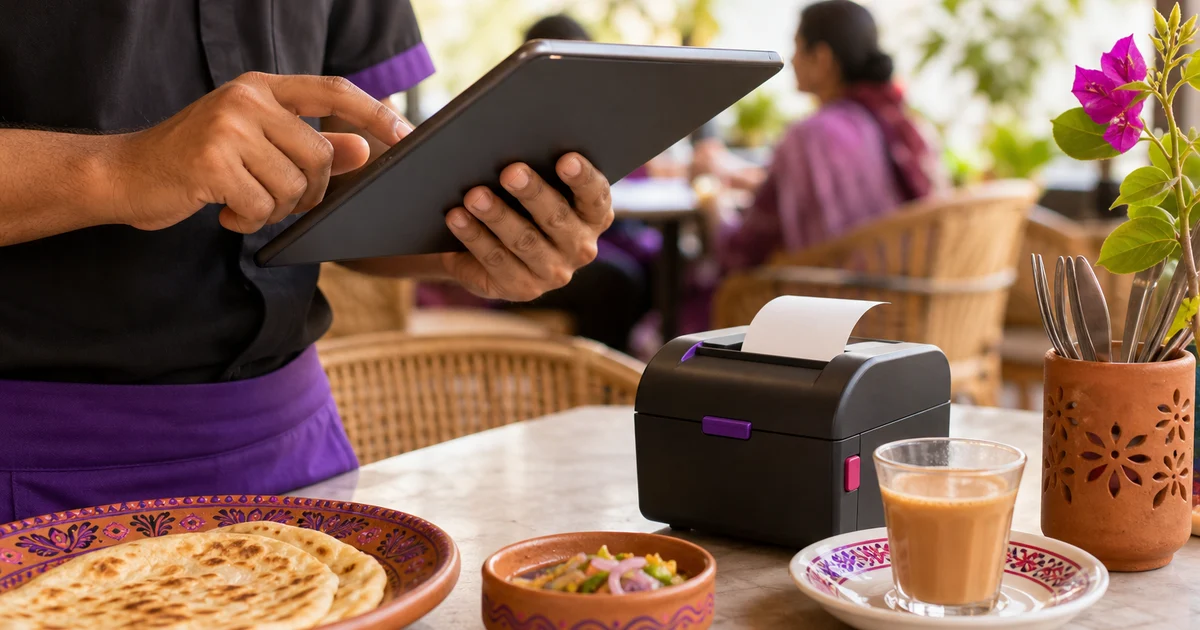
Restaurant Location Selection: Choosing the Right Site in Bangladesh
Compare shortlisted restaurant sites using practical checks for footfall, rent, access, utilities, competition and online delivery potential.
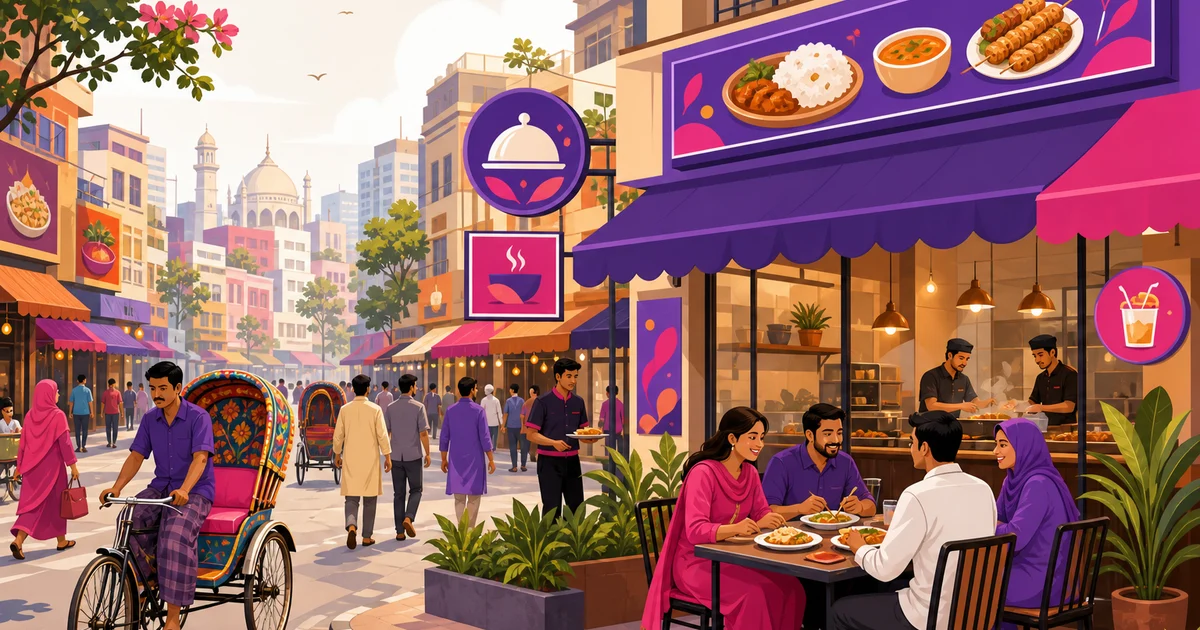
Restaurant location selection can determine whether a promising food concept becomes profitable or struggles under rent, weak demand and difficult access. In Bangladesh, choosing a busy-looking road is not enough. You need to know who passes the site, when they pass, what they buy, how they arrive and whether online delivery can add meaningful sales.
A good location fits your particular concept. A premium family restaurant, a student-focused café and a delivery-led biryani shop should not use the same criteria. Before paying an advance, compare at least two or three sites with real observations, conservative sales estimates and a written scoring system.
Start Restaurant Location Selection with Your Customer
Define the customer before judging the property. Write down your expected average bill, busiest meal periods, dine-in versus delivery mix and the reasons someone would choose your restaurant. This makes it easier to distinguish useful demand from general street activity.
For example, a site near a university may have strong afternoon traffic but limited demand for expensive family dinners. An office area can generate weekday lunch orders and corporate delivery, then become quiet after 8 pm. A residential neighbourhood may start slowly at lunch but perform well in the evening and on weekends.
Map the practical catchment around each shortlisted location. For walk-in customers, inspect the streets within a comfortable walking distance. For dine-in customers arriving by car, CNG or rickshaw, consider actual travel time and turning access. For delivery, assess how far riders can travel while keeping food quality acceptable.
If you are still shaping the business concept, read this guide on how to open a restaurant in Bangladesh before committing to a lease.
Measure Footfall at Different Hours
Do not rely on a broker's statement that an area is always crowded. Visit each site yourself. Count people during several periods on at least two weekdays and one weekend day. Useful observation windows include breakfast, lunchtime, late afternoon, dinner and the final hour before nearby businesses close.
Use 15-minute or 30-minute counting blocks. Record pedestrians, rickshaws, motorcycles and cars separately. Also note the direction of movement and whether people can see the storefront before passing it. A location can have heavy traffic but poor visibility because of trees, buses, street vendors, construction barriers or an awkward building setback.
Count qualified footfall, not only total footfall. Qualified footfall means people who resemble your intended customers and are present when your restaurant expects to trade. Observe whether they stop at food shops, the prices they appear comfortable paying and whether they dine in or collect takeaway.
- Morning: Check commuters, school traffic, breakfast demand and opening restrictions.
- Lunch: Look for office employees, students, shoppers and existing restaurant queues.
- Afternoon: Assess café, snack and meeting demand.
- Dinner: Count families, groups, cars, motorcycles and delivery riders.
- Weekend: Compare family and leisure traffic with normal working days.
Repeat the exercise during rain if possible. Waterlogging, muddy access and unavailable transport can change a location's performance during the monsoon.
Study the Catchment, Offices, Colleges and Housing
List the demand generators around each site. These may include offices, factories, colleges, universities, coaching centres, hospitals, clinics, shopping areas, mosques and apartment buildings. Estimate both the number of people and the type of demand each generator creates.
Nearby offices can support lunch packages, meetings and delivery orders, but confirm their working days and canteen arrangements. Students can create high order frequency while remaining sensitive to price. Hospitals operate for long hours and may support attendants, staff and takeaway demand. Dense housing can produce steady dinner and weekend orders, especially where families have sufficient spending power.
Talk to nearby shopkeepers, security guards, delivery riders and residents. Ask when the road becomes busy, where people currently eat, whether shops change frequently and what happens during rain, political programmes or roadworks. Treat each answer as one data point and verify it through observation.
Judge Competition Density and Market Fit
Competition is not automatically bad. Several successful restaurants can prove that people already visit an area to eat. The real question is whether demand is large enough and whether your offer has a clear reason to be chosen.
Map direct competitors within the immediate catchment and indirect competitors that serve the same occasion. A burger shop competes with other burger brands, but it may also compete with cafés, fried chicken outlets and affordable rice meals for a student's lunch budget.
Record competitor menu prices, seating, visible order volume, delivery activity, operating hours and customer type. Check them at both busy and quiet times. Avoid assuming that a full dining room means high profit. It may reflect discounting, low rent secured years ago or a short peak surrounded by weak hours.
Be cautious when units at the same address repeatedly change tenants. Frequent closure can indicate excessive rent, access problems, utility limitations or demand that looks stronger than it is. These warning signs are explored further in why restaurants fail in Bangladesh.
Check Parking, Rickshaw Access and Visibility
Customers must be able to find, reach and leave the restaurant without unnecessary friction. Inspect the site from both directions of travel. Check whether a road divider blocks access, whether vehicles can turn safely and whether the entrance remains visible after dark.
For a family or premium restaurant, parking can materially affect sales. Confirm the actual number of usable spaces rather than accepting a verbal promise. Find out whether parking is shared, whether another tenant controls it and whether cars can enter during peak traffic. Valet arrangements still require a lawful and practical place to keep vehicles.
For value-focused restaurants, rickshaw, CNG and motorcycle access may matter more than private parking. Look for a safe stopping point that does not block the entrance. Delivery riders also need somewhere to wait and collect orders without crowding dine-in guests.
Inspect stairs, lifts and entrance width if the unit is above ground level. Upper-floor rent may be lower, but weak signage and inconvenient access can reduce spontaneous visits. Make sure families, older guests and people carrying children can reach the dining area comfortably.
Calculate Rent as a Percentage of Expected Sales
Rent should be tested against conservative sales, not against the owner's best-case target. Estimate dine-in sales using seats, realistic table turns, occupancy and average bill. Estimate takeaway and delivery separately. Use evidence from the catchment rather than copying a successful restaurant in another neighbourhood.
For example, if projected monthly sales are ৳1,200,000 and base rent is ৳120,000, rent equals 10% of expected sales. The calculation is:
Monthly rent ÷ expected monthly sales × 100
There is no safe percentage for every format. A takeaway shop may tolerate a different ratio from a large family restaurant. Add service charges, common-area fees, parking costs and any recurring landlord charges to understand total occupancy cost. Then stress-test the figure if sales reach only 70% or 80% of plan.
Estimate the cash needed before opening as well. Advance rent, security deposit, interior work, kitchen exhaust, signage and utility upgrades can consume more capital than expected. The restaurant opening cost in Bangladesh guide can help you build a fuller budget.
Review Advance, Lease and Renewal Terms
Do not negotiate only the monthly rent. Ask for every commercial term in writing and have an appropriate legal professional review the agreement. Confirm the advance amount, security deposit, payment schedule, lease length, rent-free fit-out period, annual increase and renewal method.
- Is the advance refundable or adjusted against future rent?
- What notice is required to end the tenancy?
- Who pays for structural repairs, water pumps, electrical upgrades and drainage work?
- Can the landlord restrict operating hours, signage, exhaust ducts or LPG arrangements?
- Can the property legally and practically be used for the intended restaurant activity?
- What happens to your equipment and interior investment if the building is sold or redeveloped?
A short lease can expose you to relocation just after the restaurant becomes established. A long commitment can be dangerous if demand is unproven. Renewal language should explain how future rent will be set rather than leaving it entirely uncertain.
Inspect Electricity, Water, Gas, Drainage and Internet
A restaurant uses more utilities than a normal retail shop. Ask a qualified technician to inspect the electrical load, wiring, earthing and space for required equipment. Identify outage frequency and the cost of practical backup for billing, lighting, refrigeration and essential kitchen work.
Confirm water availability during peak hours, storage capacity, pump arrangements and water quality. Test drainage rather than merely looking at it. Slow drainage, poor floor slope or a history of waterlogging can interrupt kitchen operations and create expensive repairs.
Check which cooking-fuel arrangements are available and permitted at the property. Assess ventilation, exhaust routing, heat, smoke and the effect on neighbouring tenants. Do not assume you can install a duct through another floor or use a shared area without written approval.
Internet reliability matters for online orders, digital payments and real-time order displays. A restaurant POS with scoped offline billing can reduce disruption, but bKash or Nagad payment confirmation and live multi-device updates still require a connection. Check mobile-data coverage as a backup.
Evaluate the Delivery Radius for Online Orders
A good dine-in location can be poor for delivery. Draw realistic delivery zones based on travel time, not a perfect circle on a map. Bridges, railway crossings, one-way streets, congestion, gated campuses and waterlogged roads can make a nearby customer difficult to reach.
Test trips from the site to major office, student and residential clusters at lunch and dinner. Consider how the food travels. Fried items may lose texture quickly, while drinks can spill on rough roads. Your practical radius should protect both delivery time and food quality.
Observe rider access and pickup workflow. Riders need a visible entrance, a short collection path and enough waiting space. If reaching the restaurant requires parking far away or climbing several floors, delayed pickups can reduce the value of a low-rent unit.
Also estimate demand by zone. A central location is not automatically best if most target customers live on one side of a congested junction. Marketplace presence can add reach, but it should not replace your own assessment of order value, packaging cost and fulfilment capacity.
Restaurant Location Selection Scoring Checklist
Score each shortlisted site from 1 to 5, where 1 is poor and 5 is excellent. Multiply the score by the weight and divide by 5. Add the results for a total out of 100. Adjust weights before visiting the sites if one factor is especially important to your concept.
| Criterion | Weight | Site A | Site B | Site C |
|---|---|---|---|---|
| Target-customer catchment | 20 | |||
| Qualified footfall and visibility | 15 | |||
| Rent and total occupancy cost | 15 | |||
| Advance, lease and renewal terms | 10 | |||
| Competition and concept fit | 10 | |||
| Parking, rickshaw and rider access | 10 | |||
| Utilities, drainage and backup options | 10 | |||
| Delivery-radius potential | 10 | |||
| Total | 100 |
Do not let one impressive feature hide a critical failure. A site should be rejected even with a high total score if it lacks safe utility capacity, workable drainage, required property permission or affordable lease terms. Keep your observation sheets, photographs, rent calculations and assumptions so partners can challenge the decision.
Make the Decision with Evidence
Visit the final two sites again before signing. Update the sales model with conservative numbers, obtain written lease terms and price any electrical, exhaust, plumbing or access work. If the business survives the lower-sales scenario without exhausting its working capital, the location is more defensible.
Once the site is selected, accurate order and sales records will help you compare actual performance with the assumptions you made. Rosuii brings POS, online ordering, inventory, customer management and restaurant reports into one bilingual, browser-based platform built for Bangladesh.
Start with Rosuii and prepare your operation before opening day. Register at https://rosuii.com/register.
Last updated:
Frequently asked questions
How many times should I visit a restaurant location before signing a lease?
What percentage of expected sales should restaurant rent be?
Is a location with many competing restaurants a bad choice?
How should I estimate a delivery radius in a Bangladeshi city?
What lease terms should I confirm before paying an advance?
Run your restaurant on Rosuii
POS, menu, inventory, payroll and more — built for Bangladeshi restaurants.
Start free