
Restaurant Recipes
Commercial Malai Cha Recipe
A commercial malai cha recipe for about 40 cups, with controlled milk reduction, repeatable cream layers, service holding and premium-cup costing.

- Prep
- 20 min
- Cook
- 50 min
- Total
- 1 hr 10 min
- Yield
- about 40 cups of 150 ml plus malai
- Difficulty
- Medium
- Cuisine
- Bangladeshi
Method
- 1
Mark the batch levels
Pour the measured milk into the wide pan while cold and mark its starting depth on a sanitised stainless dipstick. Prepare a second mark for approximately 4.65 litres of reduced milk, excluding harvested malai. This physical mark gives more reliable control than judging colour alone.
- 2
Boil the whole spices
Bring 1.8 litres water, cardamom and cinnamon to 100°C in the saucepan. Boil for 4 minutes until the water smells clearly aromatic. Keep the pan covered loosely to limit unnecessary evaporation.
- 3
Extract the tea concentrate
Lower the spiced water to 95 to 98°C and add the black tea. Steep for 4 to 5 minutes, stirring once, until the liquor is deep reddish brown. Strain immediately and aim for approximately 1.25 to 1.35 litres of concentrate.
- 4
Heat milk and cream
Combine the milk and cream in the wide heavy pan. Heat to 85°C over medium flame for 12 to 15 minutes, scraping the bottom and corners every 1 to 2 minutes. The surface should steam heavily without rising into a violent boil.
- 5
Reduce the dairy base
Maintain 90 to 94°C for 20 to 25 minutes, adjusting the flame as needed. Scrape the bottom regularly until the dairy reaches the target dipstick mark and develops a light beige colour. Do not mix dried residue from the pan wall back into the milk.
- 6
Harvest the malai sheets
Lower the dairy to 85 to 90°C and leave the surface undisturbed for 4 to 5 minutes. Lift the wrinkled skin with a perforated turner and place it in a shallow container with a little hot reduced milk. Repeat for 3 to 4 cycles, targeting at least forty 8 g portions.
- 7
Sweeten the concentrate
Return the strained tea concentrate to 80 to 85°C and dissolve the sugar and salt in it for 2 to 3 minutes. Stir until no crystals remain at the bottom. Do not boil the tea again because continued extraction and heat will increase bitterness.
- 8
Combine tea and milk
Pour the sweetened concentrate gradually into the reduced milk at 80 to 85°C while stirring gently. Mix for 2 minutes until the colour is even and the tea tastes strong but rounded. Do not return the combined batch to a rolling boil.
- 9
Standardise the final batch
Measure the finished liquid and check flavour before service. If it is stronger than the approved standard or below the expected volume because of excess evaporation, add hot water in 50 ml stages, using no more than 300 ml. Hold back adjustment if it would make the dairy body noticeably thin.
- 10
Hold and portion service
Transfer the tea to a covered urn or bain-marie and hold at 60 to 65°C for no longer than 2 hours for best quality. Dispense 150 ml into each cup and add one pre-portioned 8 g piece of malai. Stir the urn gently every 10 to 15 minutes without breaking the separate malai portions.
Notes for your kitchen
Why malai cha works commercially
Malai cha works as a premium beverage because customers can immediately see and taste the difference from regular milk tea. The thick dairy body, cooked-milk aroma and visible malai layer justify a separate menu position. It suits food carts because the base can be produced before the rush, held hot and portioned quickly. Restaurants can serve it after meals or pair it with breakfast, snacks and bakery items.
The visible topping is important. A cup made with rich milk tea but no distinct malai can look like ordinary cha, making a premium price difficult to defend. Cup size, malai weight and tea strength must therefore remain consistent from the first serving to the last.
Ingredient selection and quality
Full-fat liquid milk and clean, strong black tea are the two ingredients where quality matters most. Use milk with a consistent fat level from a dependable supplier. Thin milk produces weak body and fragile skin, while milk that has already developed sourness can split during reduction. Fresh dairy cream improves the reliability of the malai, but it should support the milk rather than replace it.
Choose granular or broken-leaf black tea that gives colour quickly without an excessively dusty taste. Fine tea dust extracts fast but becomes bitter if boiled for several minutes. Test a new tea supply in a small measured batch before changing the main production formula.
Green elach and dalchini should remain restrained. Their role is to give a warm aroma, not cover the tea. Granulated sugar is easier to standardise than condensed milk because condensed milk changes sweetness, dairy solids and cost at the same time. If condensed milk is used as a menu variation, cost and test it as a separate formula.
Technique behind the recipe
The best commercial method prepares the tea concentrate and reduced milk separately before combining them. Separate preparation protects the tea from prolonged boiling while giving the milk enough time to reduce and form malai.
Control the milk reduction
Milk reduction should happen at 90 to 94°C with steady evaporation and no rolling boil. A wide, heavy pan gives more exposed surface area and reduces the milk faster than a narrow stockpot. Scrape the bottom and corners regularly with a flat spatula during the first reduction stage. Do not scrape dried deposits from the pan wall back into the milk because they can add burnt or stale flavours.
Measure the milk depth before heating and mark the target depth on a stainless dipstick. Visual judgement alone is unreliable during a busy shift. The target is concentrated milk with a light beige colour and cooked-dairy aroma, not brown milk or khoya.
Build a repeatable malai layer
A proper malai layer forms when hot reduced milk remains still at 85 to 90°C for several minutes. After the main reduction, lower the flame and stop disturbing the surface. When a wrinkled, flexible skin covers most of the pan, lift it gently with a perforated turner and place it in a shallow stainless container with a little hot reduced milk.
Repeat the resting and lifting cycle several times rather than expecting one skin to cover the entire batch. A broad pan may provide enough surface to divide each sheet into several portions. Keep the pieces moist and warm; dry malai becomes leathery, while vigorous mixing breaks it into unattractive specks.
Extract tea without bitterness
Tea leaves need short, controlled extraction rather than prolonged boiling. Boil the spices in water first, lower the temperature slightly, then add the tea. Strain when the liquor is deep reddish brown and strongly aromatic. The concentrate should taste slightly stronger than a finished cup because milk and sugar will soften it.
Scaling the batch correctly
Ingredient quantities scale by weight, but reduction time and malai production do not scale in a straight line. For a half batch, use half of every ingredient and a smaller wide pan so the milk depth remains similar. Start checking reduction 10 minutes earlier. For a double batch, divide the milk between two pans instead of filling one deep stockpot.
Keep the tea-to-water ratio and extraction time unchanged when scaling. A larger tea batch may take longer to return to temperature, but extending the steeping time makes it harsh. Combine the concentrate gradually and taste after the sugar has dissolved. Record the final liquid volume, malai weight and saleable-cup count for every trial.
Holding and reheating for service
Finished malai cha should be held at 60 to 65°C and sold within two hours for the best flavour. Hold the tea in a covered bain-marie insert or thermostatic beverage urn and stir gently every 10 to 15 minutes. Temperatures above 70°C continue reducing the milk, darken the flavour and change the yield.
Keep the malai in a separate shallow container with enough hot reduced milk to prevent drying. Portion it onto each cup only after pouring the tea. If the base has been rapidly cooled and stored at 5°C or below, reheat it once to at least 74°C, then lower it to the holding range. Do not repeatedly cool and reheat the same batch.
Portioning and yield control
This batch should be controlled as about 40 cups containing 150 ml of tea plus one 8 g malai portion. Mark a dedicated ladle or use a measured dispensing urn. Portion the harvested malai before service so early cups do not receive large pieces that leave later customers without a topping.
Allow a small production margin for tasting, straining and kettle residue, but do not treat unexplained shortage as normal. Compare expected and actual cups through a written portion control system. Rosuii can also record the batch as a production that converts milk, tea, sugar and cream into a measured finished output.
Mistakes that cost money
The most expensive mistakes are scorching the milk, over-extracting the tea and giving uncontrolled malai portions. Scorched milk usually makes the full batch unsellable, so use a heavy pan, moderate heat and regular bottom scraping. Never hide burnt flavour with extra sugar or spices.
- Boiling tea leaves with milk for the entire reduction creates bitterness and a muddy finish.
- Using a narrow, overfilled pot lengthens production and reduces the available surface for malai.
- Adding cold cream late can lower the service temperature and produce oily patches.
- Holding uncovered causes evaporation, skin fragments and falling cup yield.
- Using different cup sizes without a measured ladle destroys sales and stock comparisons.
Keeping cost stable and pricing the premium cup
The premium price should cover extra dairy, evaporation loss, malai labour and lower output per litre compared with regular tea. Build a batch sheet using actual supplier invoices and divide the usable batch cost by saleable cups, not by theoretical liquid volume. The method in this recipe costing guide can be applied whenever milk, cream or tea suppliers change.
Keep regular tea and malai cha as separate menu items or clearly defined variations. The premium difference should reflect the additional cream, reduction time, fuel, topping control and cup presentation rather than an arbitrary markup. Review sales volume and target menu pricing after any sustained change in dairy cost.
Control purchasing with fixed milk specifications and approved pack sizes. Record sour milk, scorched batches, leftover tea and damaged cups as wastage. Dairy dominates this recipe, so small improvements in reduction yield and portion accuracy matter more than cutting a few grams of spice.
What drives the cost
Full-fat milk and fresh dairy cream dominate the cost, while evaporation reduces the number of saleable cups obtained from each litre. Supplier fat consistency, cream usage, malai portion size and holding losses create the largest cost movement.
Ingredient rates move with the market, so this describes what drives the cost rather than quoting a figure.
Questions from kitchens
Can this malai cha recipe be doubled in one pot?
How long can finished malai cha stay in the beverage urn?
Can dairy cream be replaced with milk powder?
Can leftover malai cha be sold the next day?
Why did the batch produce fewer than 40 cups?
Related recipes
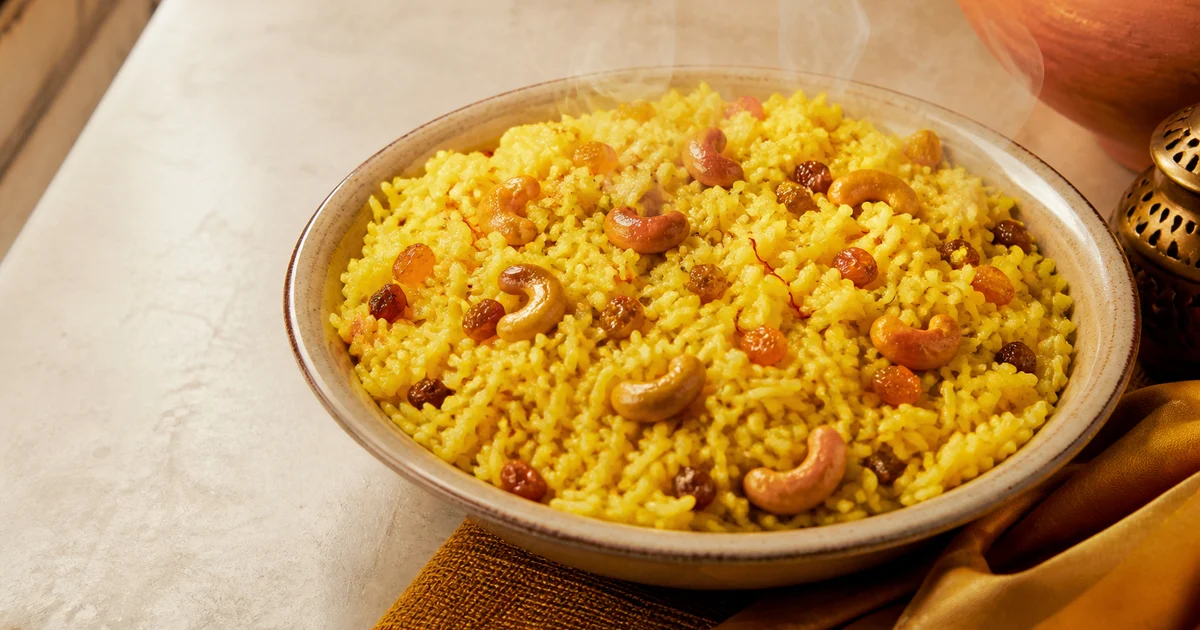
Commercial Basanti Polao Recipe
A 2 kg rice batch of golden, mildly sweet Basanti Polao for about 40 controlled portions, with practical cooking, holding and reheating guidance.
- Yield:
- about 40 plates
- Total:
- 1 hr 15 min
- Difficulty:
- Medium
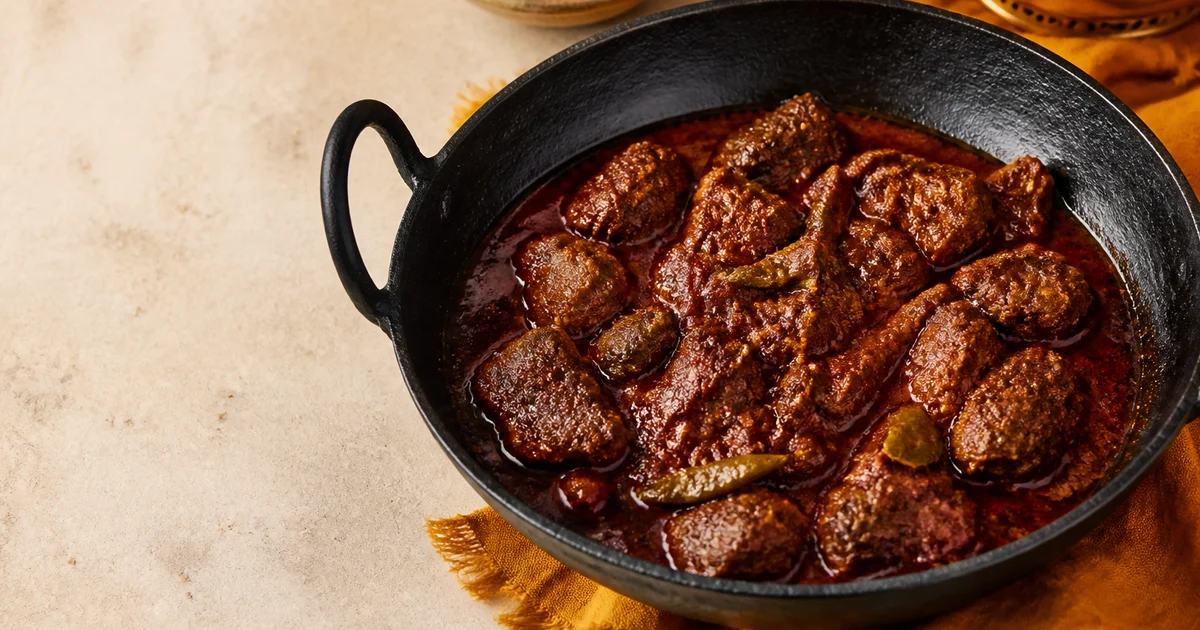
Commercial Beef Bhuna Recipe
A commercial beef bhuna recipe for about 40 plates, with a long bhuna stage, clear oil-separation cues, controlled portions and service-safe reheating.
- Yield:
- about 40 plates
- Total:
- 4 hr 15 min
- Difficulty:
- Medium
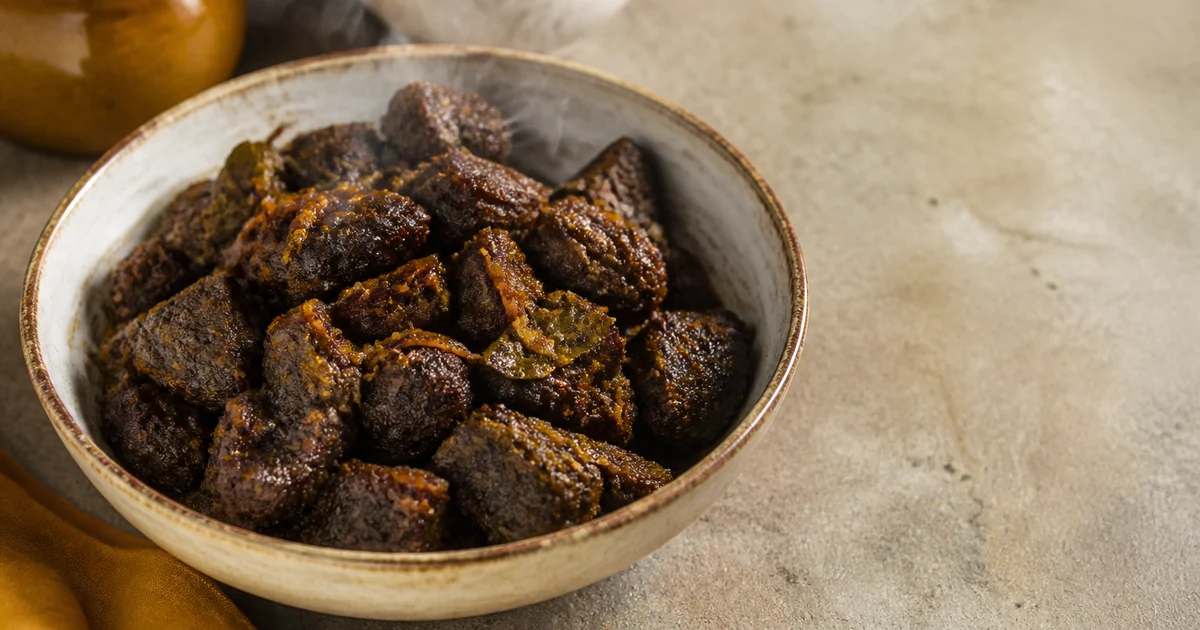
Commercial Beef Kala Bhuna
A commercial Chattogram-style beef kala bhuna recipe producing about 40 controlled portions with deep browning, roasted spices and service guidance.
- Yield:
- about 40 plates at 175 g
- Total:
- 4 hr 15 min
- Difficulty:
- Hard
Run your restaurant on Rosuii
POS, menu, inventory, payroll and more — built for Bangladeshi restaurants.
Start free