
Restaurant Recipes
Commercial Bhapa Pitha Recipe
A commercial bhapa pitha recipe for 60 pieces, covering rice flour hydration, gur-coconut filling, continuous steaming and hot service control.
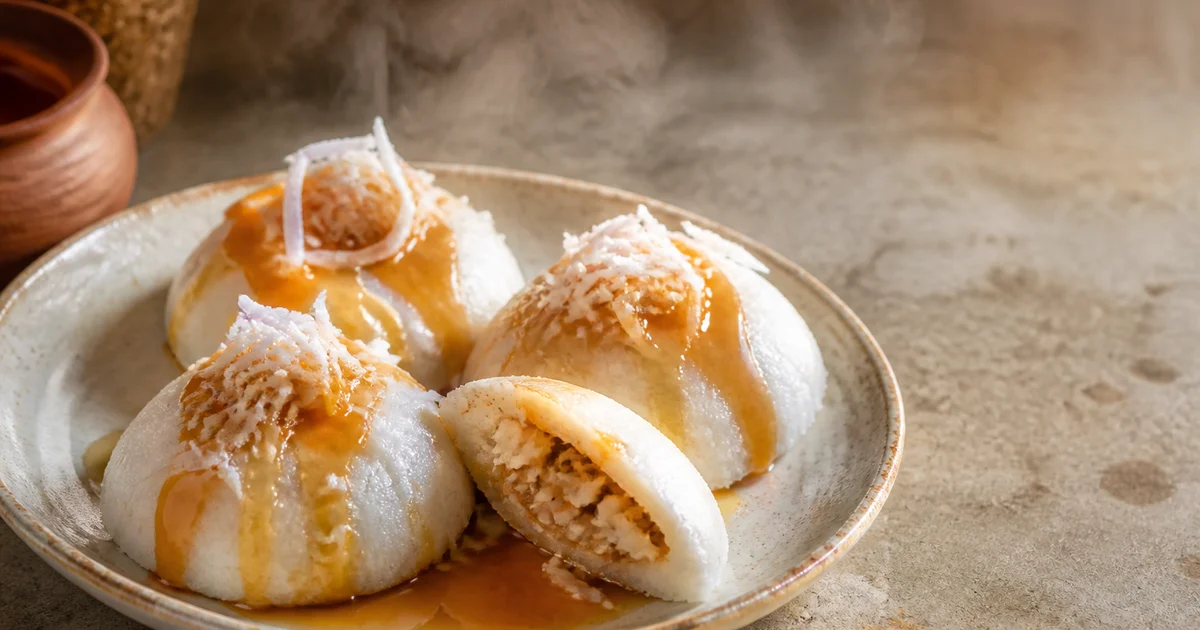
- Prep
- 45 min
- Cook
- 1 hr 30 min
- Total
- 2 hr 15 min
- Yield
- 60 pitha, about 30 two-piece plates
- Difficulty
- Medium
- Cuisine
- Bangladeshi
Method
- 1
Sieve the rice flour
Pass the rice flour and salt through a medium sieve into a wide food-grade tub. Break up all hard particles and discard bran or debris. The flour should look fine and evenly loose.
- 2
Hydrate flour gradually
Add 1.6 litres of water at 45-50°C in small additions while rubbing the flour between both hands. Add more water only if a squeezed handful will not hold together. Correctly hydrated flour holds briefly, then crumbles with light pressure.
- 3
Rest and sieve again
Cover the mixture and rest it for 15-20 minutes at room temperature. Pass it through the sieve again without crushing it into paste. Keep covered so the surface does not dry during service.
- 4
Prepare filling sub-batches
Combine coconut, shaved gur and cardamom in quantities sufficient for about 15 pitha at a time. Keep the remaining components covered in a cool area below 25°C. The filling should stay loose, not wet or syrupy.
- 5
Bring steamer to boil
Fill the steamer to its safe operating level and bring the water to a strong boil. Fit the perforated deck and lid, then preheat for 5 minutes until steam is continuous at about 98-100°C. Keep a separate kettle of boiling water ready for refilling.
- 6
Fill the pitha moulds
Line each mould with banana leaf or damp muslin and add about half of a 75 g flour portion. Place 45 g filling in the centre, leaving a clear border, then cover loosely with the remaining flour. Level the top without pressing it down.
- 7
Steam each load
Arrange the moulds with space for steam circulation and cover immediately. Steam for 7-9 minutes over steady boiling water. The pitha is ready when the surface is set, the centre has no dry flour and the piece releases cleanly from the cloth.
- 8
Run continuous production
Return the steamer to full steam before loading the next group. Prepare the next moulds while the current load cooks, but do not leave filled raw moulds for more than 10 minutes. Check the water level every 20-30 minutes and refill only with boiling water.
- 9
Hold for immediate service
Transfer cooked pitha to a covered perforated tray held at 60-65°C. Keep them in one layer and mark each load so none remains longer than 20 minutes. Serve in production order, with older acceptable pieces leaving first.
- 10
Plate and finish hot
Serve two hot pitha per standard plate and add about 15 ml warmed liquid gur if included in the menu variation. For a cooled but safely held piece, re-steam for 2-3 minutes until hot and soft. Do not repeatedly reheat or return served food to the steamer.
Notes for your kitchen
Why bhapa pitha works commercially
Bhapa pitha works for a winter food cart because it uses a low-cost rice base, creates visible steam and can be produced continuously in small loads. The aroma of khejur gur and fresh coconut attracts passing customers, while the short steaming cycle supports quick service. A restaurant can sell it as a two-piece dessert, and a cart can offer single and double portions without changing production.
The important limitation is that bhapa pitha does not improve during holding. The best operating model is continuous production, not steaming the entire batch before service. Keep hydrated flour and filling ready, load the steamer according to expected demand, and serve each load in sequence while it is still soft and releasing steam.
Ingredient quality and selection
Rice flour quality and coconut freshness matter more than decorative garnishes in a commercial bhapa pitha recipe. Use fine atap rice flour rather than coarse flour or glutinous rice flour. Freshly milled flour usually gives better aroma, but it must be sieved because bran fragments and hard particles create cracks. Flour stored in an open sack absorbs humidity, so its water requirement changes from day to day.
Choose mature coconut with firm white flesh and a clean, sweet smell. Very young coconut adds excess water, while old or rancid coconut produces an oily aftertaste. Grate it finely enough to distribute through the centre without forming hard strands.
Use solid khejur gur that smells smoky and clean, without fermentation or excessive burnt notes. Gur quality varies during the winter season, so inspect each supplier delivery for colour, moisture and melting behaviour. Very soft gur can leak through the rice layer. Keep that gur for a service drizzle and use firmer shaved gur inside the pitha.
Controlling rice flour moisture
The flour is correctly hydrated when a squeezed handful holds its shape but breaks apart with light finger pressure. Water must be distributed as fine droplets rather than poured into one spot. Wet lumps turn gummy during steaming while dry flour stays powdery in the centre.
Start near the lower end of the stated water range and add more only after mixing thoroughly. The practical water range is about 53 to 63 percent of flour weight, but the final amount depends on milling, storage humidity and flour age. Resting allows moisture to move through the flour, so a mix that initially feels slightly dry may become correct after 15 to 20 minutes.
Pass the rested mixture through a medium sieve without pressing it into paste. The finished texture should resemble damp, loose sand. Keep it covered with a clean cloth during service. If the top begins drying, mist a measured small amount of warm water into that section and test again rather than wetting the entire tub.
Building a seasonal cart steaming station
A reliable cart setup needs strong continuous steam, drainage for condensation and enough moulds to prepare the next load while one load cooks. Use a heavy stockpot or purpose-built pitha steamer with a perforated deck. The lid should fit closely, but condensation must run down the side instead of dripping directly onto the pitha.
Water and heat control
The steamer must return to full steam before every load. Maintain the water at a steady boil, normally producing steam close to 98 to 100°C. Check the water level every 20 to 30 minutes and refill with boiling water. Adding cold water stops production and makes the next load cook unevenly.
Loading and service sequence
Prepare only the number of pitha that the steamer can cook without crowding. A cart with eight moulds should work in eight-piece waves, with the next moulds filled while the current load steams. Keep the first completed pieces at the front of the service tray and sell them first. Do not mix fresh and older pieces in one pile because staff will lose track of holding time.
Line moulds with softened banana leaf or clean damp muslin, add the flour loosely and place the filling centrally. Do not compress the layers. Compression reduces steam movement and creates a dense, rubbery shell. Leave a sufficient flour border around the filling to stop melted gur escaping into the steamer.
Scaling the batch safely
Scale bhapa pitha by ingredient weight and steamer capacity, not by guessing cups or extending cooking time. Keep all ingredient ratios unchanged when making half, double or triple batches. Hydrate each flour batch separately because a very deep mixing tub makes even water distribution difficult.
Increasing the recipe does not increase the steaming time for each piece. It increases the number of loads. If demand requires more than about 60 pieces per hour, add another steaming deck or a second pot rather than overcrowding moulds. Test one pitha whenever a new flour sack is opened or the weather becomes noticeably more humid.
Holding and reheating for service
Bhapa pitha should be served immediately and held hot for no longer than 20 minutes. Place finished pieces in a single layer in a covered, perforated warmer at 60 to 65°C. A solid tray traps condensation underneath, while an uncovered tray dries the surface.
For ticketed restaurant service, steam loads against expected orders and plate each pitha as soon as it is released from the cloth. A short two to three-minute re-steam can recover a piece that has cooled, provided it has remained under safe temperature control. Do not microwave it for commercial service because the edges harden quickly and the gur can develop dangerous hot spots.
Never return customer-exposed pieces to the steamer. Cool unsold untouched product promptly and refrigerate at 5°C or below, but treat next-day quality as lower. Fresh same-day production should remain the normal sales standard.
Portioning and yield control
This batch should produce 60 pitha at approximately 120 grams before steaming, allowing 30 controlled two-piece plates. Standardise each piece with about 75 grams of hydrated flour mixture and 45 grams of coconut-gur filling. Use two scales at the preparation station or portion the filling into cups before service.
Small moulds filled by eye often create more yield variation than expected. Heavy pieces delay service and raise food cost, while light pieces look poor beside a standard plate. Record test yield, breakage and unsold pieces, then use a written portion control standard for every shift.
Keeping the cost stable
Stable cost comes from controlling gur grade, coconut yield and filling weight rather than reducing the rice shell. Compare the usable grated coconut from each whole coconut, not only the purchase count. Thick shells, spoilage and poor grating can make a cheap delivery expensive.
Buy gur against a written quality specification covering type, firmness and acceptable flavour. If premium khejur gur becomes costly, offer the extra liquid gur as a measured add-on instead of increasing every portion. Use a proper recipe costing sheet and review the dish's food cost percentage whenever supplier quality or portion size changes.
Mistakes that waste money
The most expensive bhapa pitha mistakes are over-wetting flour, leaking gur, overcrowding the steamer and producing too far ahead. These errors cause rejected texture, lost filling and unsold stock.
- Over-wet flour: It forms heavy lumps and a sticky shell. Add water gradually and run a hand-compression test after resting.
- Dry flour: It cracks when unmoulded and leaves a chalky centre. Mist and remix only the affected production quantity.
- Warm mixed filling: Coconut moisture dissolves the gur and creates leakage. Mix filling in sub-batches for about 15 pieces and keep it away from the steamer.
- Weak steam: A crowded pot or cold-water refill extends cooking and creates uneven pieces. Maintain boiling water and leave steam space around each mould.
- Long holding: Stacked pitha become wet outside and firm inside. Match each load to the next 10 to 15 minutes of likely sales.
What drives the cost
Khejur gur and fresh coconut dominate the ingredient cost, especially when premium winter gur is used. Cost moves with gur grade, coconut size, usable grated yield and the amount of filling placed in each piece. Rice flour cost is usually more stable, but poor moisture control increases waste.
Ingredient rates move with the market, so this describes what drives the cost rather than quoting a figure.
Questions from kitchens
How do I double this bhapa pitha recipe without changing the texture?
How long can cooked bhapa pitha be held for sale?
Can akher gur replace khejur gur in the filling?
Can hydrated rice flour and filling be kept overnight?
Why did the batch produce fewer than 60 pitha?
Related recipes
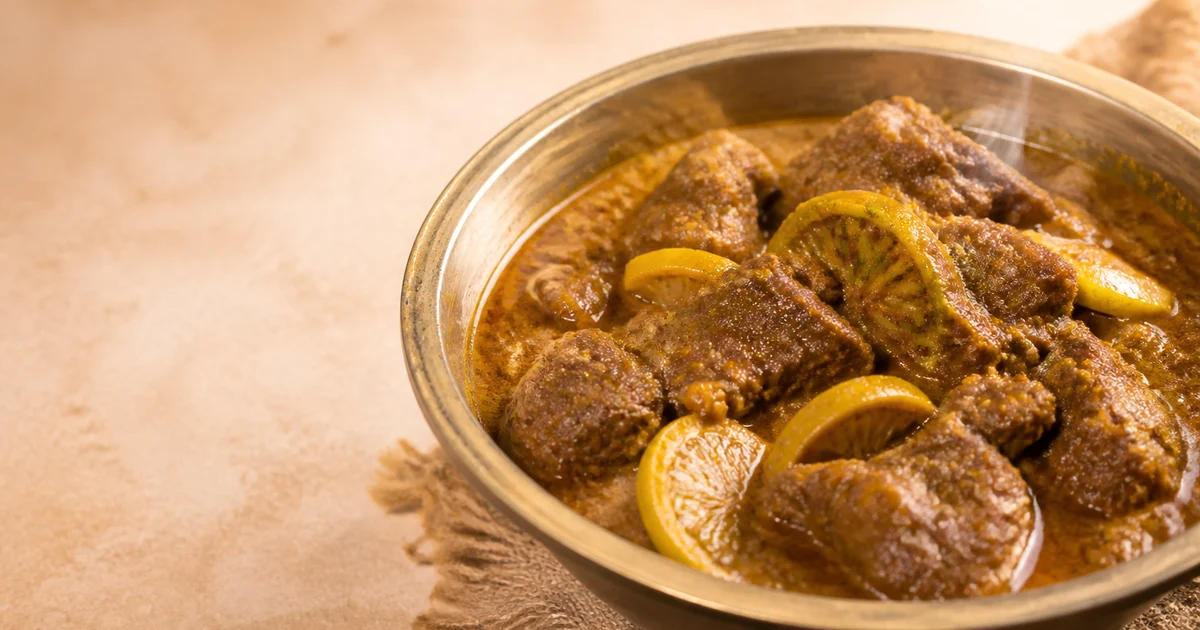
Commercial Beef Shatkora Recipe
A commercial Sylheti beef shatkora recipe for 30 plates, with controlled citrus bitterness, batch scaling, holding, reheating and yield guidance.
- Yield:
- about 30 plates
- Total:
- 3 hr 15 min
- Difficulty:
- Medium
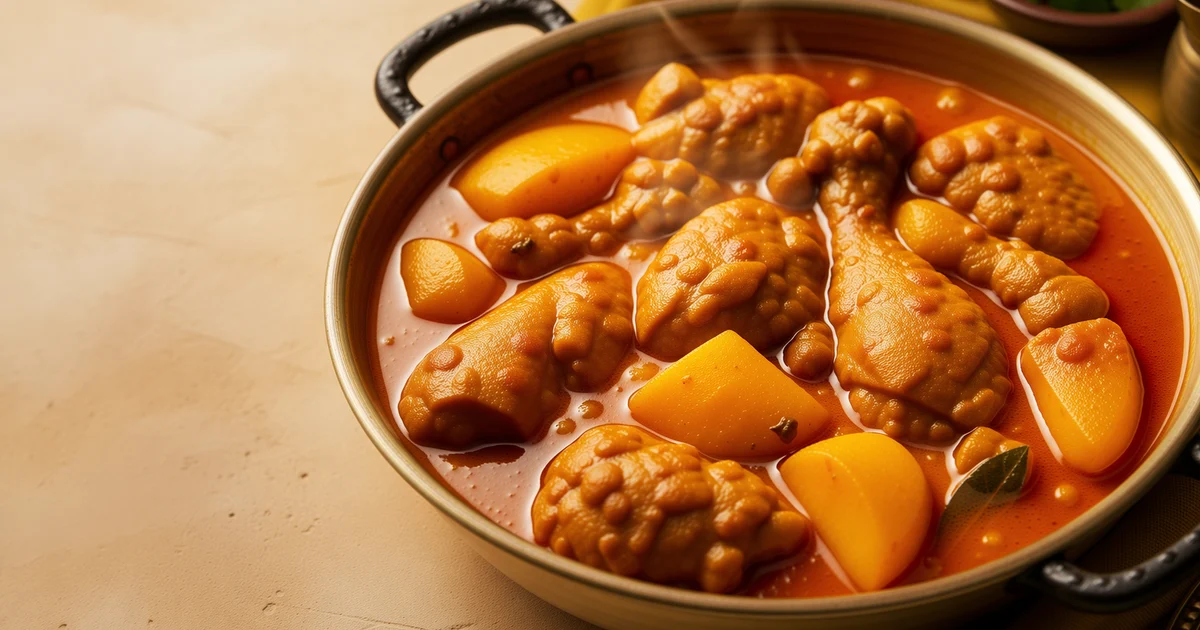
Everyday Chicken Curry
A 40-plate Bangladeshi chicken curry recipe built around reusable base masala, controlled portions and tender chicken for restaurant or food cart service.
- Yield:
- about 40 plates
- Total:
- 2 hr 35 min
- Difficulty:
- Medium
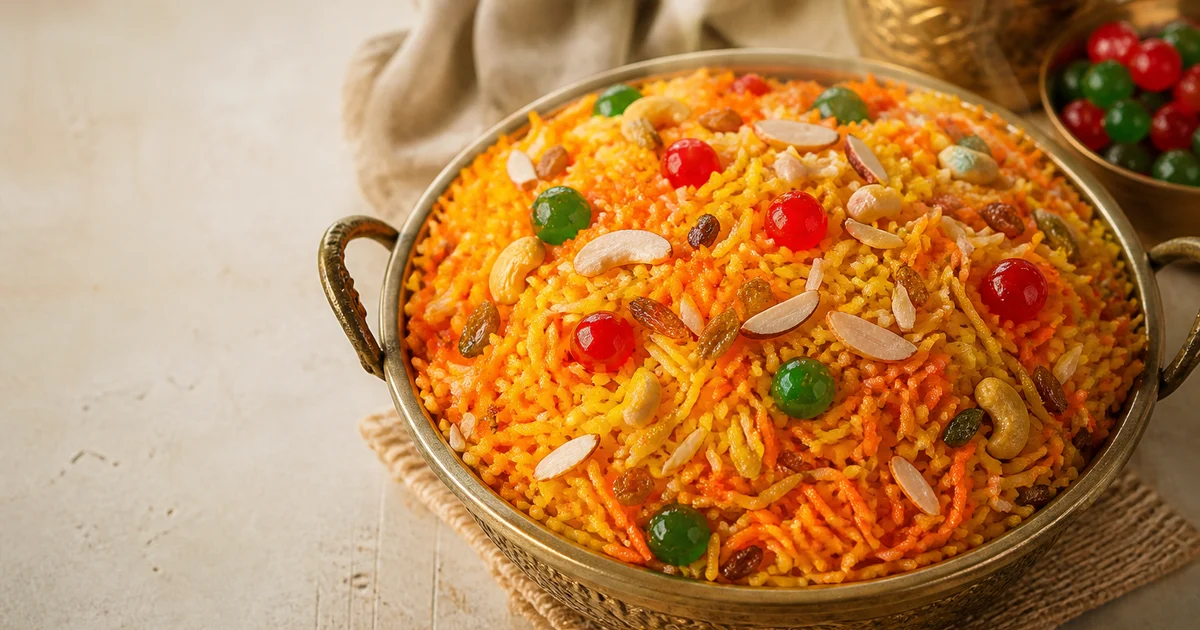
Commercial Jorda Recipe
A commercial jorda recipe for about 50 portions, with separate rice grains, controlled sugar syrup, even colour and practical wedding scaling.
- Yield:
- about 50 plates at 150 to 160 g
- Total:
- 1 hr 35 min
- Difficulty:
- Medium
Run your restaurant on Rosuii
POS, menu, inventory, payroll and more — built for Bangladeshi restaurants.
Start free