
Restaurant Recipes
Everyday Chicken Curry
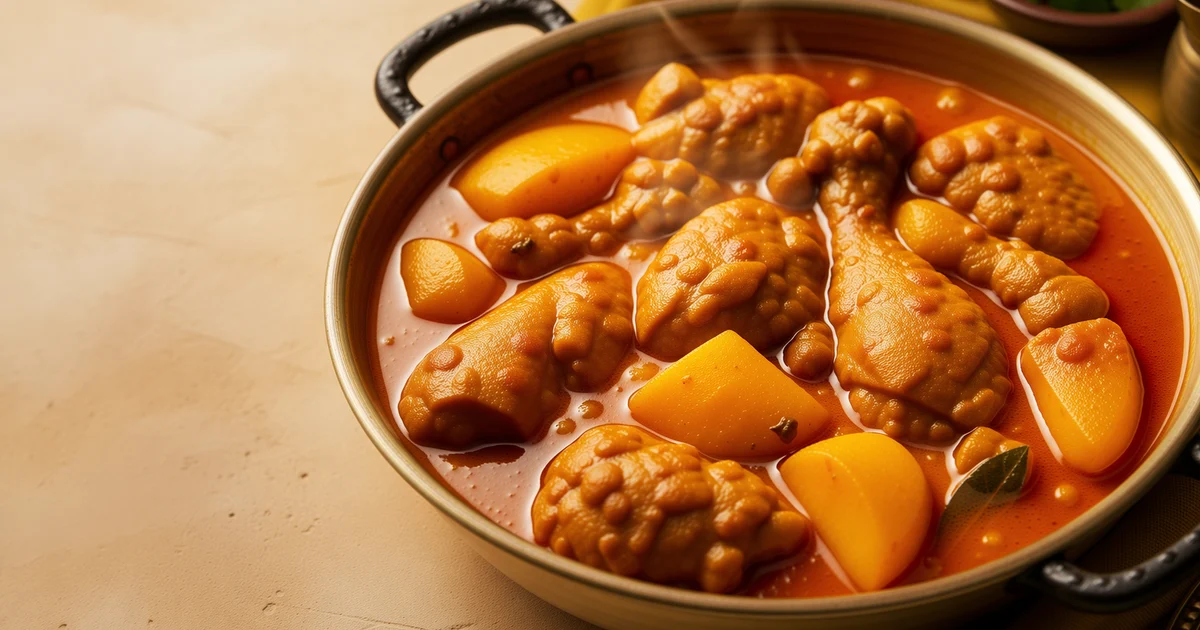
A 40-plate Bangladeshi chicken curry recipe built around reusable base masala, controlled portions and tender chicken for restaurant or food cart service.
- Prep
- 40 min
- Cook
- 1 hr 55 min
- Total
- 2 hr 35 min
- Yield
- about 40 plates
- Difficulty
- Medium
- Cuisine
- Bangladeshi
Method
- 1
Inspect and portion chicken
Keep the chicken at 5°C or below while checking for feather stubs, blood clots and bone fragments. Standardise pieces at roughly 80 to 100 g, record the usable piece count and return the covered tubs to refrigeration within 15 minutes.
- 2
Heat oil and spices
Heat the oil in the stockpot to approximately 160°C over medium heat. Add bay leaves, cinnamon and cardamom, then fry for 60 to 90 seconds until aromatic and lightly bubbling without blackening.
- 3
Brown onions slowly
Add the sliced onion and cook at medium heat for 30 to 35 minutes, stirring more frequently as moisture evaporates. Keep the mixture around 120°C to 140°C until the onion is soft, reduced and evenly golden rather than dark brown.
- 4
Cook ginger and garlic
Lower the heat and add the ginger and garlic pastes. Cook for 4 to 5 minutes at approximately 110°C to 120°C, stirring continuously until the sharp raw smell disappears and the paste stops sticking heavily.
- 5
Fry ground spices
Mix the ground turmeric, coriander, cumin and chilli with 1.2 litres of the measured water, then add this slurry to the pot. Cook at 95°C to 105°C for 12 to 15 minutes, stirring and scraping the base until the colour deepens and small beads of oil appear at the edges.
- 6
Finish reusable masala base
Add the chopped tomato and half of the salt, then cook at 95°C to 105°C for 10 to 12 minutes. The reusable base is ready when the tomato has collapsed, the onion is no longer distinct and oil is visible around the perimeter.
- 7
Bhuna chicken in masala
Add the chilled chicken in two or three additions so the pot recovers heat quickly. Cook uncovered at 95°C to 105°C for 10 to 12 minutes, turning carefully until every piece is coated and the surface has changed from pink to opaque.
- 8
Add water and simmer
Add the remaining water and bring the curry briefly to 95°C, then reduce the heat to maintain 85°C to 95°C. Cover partially and simmer for 25 to 30 minutes, stirring gently every 8 to 10 minutes until the leg joints loosen and the gravy coats a ladle.
- 9
Season and verify temperature
Add the green chillies, remaining salt as required and garam masala, then simmer for 4 to 5 minutes at approximately 90°C. Probe several large pieces near the bone and continue cooking until each reaches at least 74°C with no bloody juices.
- 10
Finish and control yield
Fold in the coriander leaves, switch off the burner and rest the covered curry for 5 minutes while it remains above 60°C. Weigh the final batch, check gravy consistency and divide it into the planned 40 portions using a fixed piece count and measured ladle.
Notes for your kitchen
This chicken curry recipe produces about 40 controlled restaurant portions from one practical commercial batch. It uses a neutral onion-based masala that can be prepared ahead, chilled and adapted for chicken, beef, dim curry, mixed vegetables or dal. The finished curry has enough gravy for rice service without becoming thin or oily.
Why this curry works commercially
Everyday chicken curry works because it uses familiar ingredients, one cooking vessel and a base that suits several menu items. It can be served with plain rice, khichuri, pulao, paratha or roti, making it useful for food carts and restaurants with limited equipment. Bone-in chicken gives the gravy more flavour than boneless meat and helps protect the meat during holding.
The recipe is designed around approximately 200 g raw bone-in chicken per plate. The exact edible meat varies with bird size and cutting pattern, so purchasing specification and piece count matter more than simply weighing the whole batch. The medium-thick gravy also tolerates short hot holding better than a dry bhuna or a very thin jhol.
Ingredient selection and quality
Chicken size, onion condition and spice freshness have the greatest effect on the finished curry. Buy dressed broiler chicken of a consistent size from an approved supplier. Mixed bird sizes produce mixed pieces, causing small pieces to overcook before large joints become safe.
Select the chicken carefully
Standard chicken pieces should weigh roughly 80 to 100 g so that each plate receives a consistent count. Ask for a clean curry cut made with a sharp cleaver, without crushed backbones or loose bone splinters. Keep raw chicken at 5°C or below and do not leave tubs beside the stove while the base cooks.
Do not wash poultry under a running tap because splashing spreads contamination around the preparation area. Inspect it, remove visible feather stubs, blood clots and small bone fragments, then transfer it directly to clean food-grade tubs. Use separate boards, knives and weighing scales for raw poultry.
Protect the base ingredients
The reusable base depends on properly browned onion rather than excessive chilli or garam masala. Firm local onion with low spoilage gives a cleaner flavour and more predictable yield. Sprouted, wet or partially rotten onion increases trimming loss and can make the base bitter.
Use pure ginger and garlic paste without excess added water. Ground spices lose aroma in open packets, so date containers and buy pack sizes that match actual usage. Soybean oil is neutral and economical for an everyday curry, while stronger mustard oil would change the base and limit where it can be reused.
How the base masala works
A commercial base masala is ready only when the onion is soft, the raw spice smell has gone and oil appears around the edges. Darkening the onion too quickly creates bitterness but does not develop the sweetness needed for body. Cooking gently until the slices collapse produces a smoother gravy without requiring a blender.
Ground spices burn easily when placed directly into very hot oil. Mixing them with part of the measured water lowers the contact temperature and gives the spices time to hydrate. The tomato goes in after the spices have fried because its acidity and water slow down browning.
For advance production, stop after the completed tomato-onion base reaches the visual endpoint. Weigh the finished base, record the yield and divide it into labelled tubs while still hot. A fixed finished weight is more reliable than saying one pot of masala because evaporation changes with burner strength, pan width and onion moisture.
Keeping chicken tender at volume
Tender chicken requires a short bhuna followed by a controlled simmer, not continuous hard boiling. Adding cold chicken causes the pot temperature to fall, particularly when the batch is oversized. Use chicken straight from safe refrigeration, but divide very large loads between pots so the masala returns to a simmer promptly.
The bhuna stage coats every piece and cooks moisture released from the surface. Once water is added, maintain the gravy between approximately 85°C and 95°C. Violent boiling breaks small pieces, tightens breast meat and evaporates gravy before leg joints are tender.
Check several pieces from different parts of the pot. The thickest section must reach at least 74°C, the juices should not look bloody and the joint should move without the meat falling apart. A sanitised probe thermometer is more reliable than judging only by colour.
Scaling the batch correctly
Scale the solid ingredients and base masala by weight, but adjust added water according to the vessel and evaporation. A half batch can use half of every listed quantity in a smaller pot with similar depth. Using a large wide pot for a small batch increases evaporation and can scorch the base.
For a double batch, avoid filling a pot beyond about two-thirds of its working capacity. Cook the base in a suitable steam kettle or split it between two heavy pots, then divide the chicken evenly by weight and piece count. Start with about 80 to 90 percent of the calculated finishing water and add the balance only after checking gravy consistency.
Salt and chilli can vary between brands and seasons. For a scaled batch, begin with about 90 percent of the calculated seasoning, simmer fully, then adjust from a measured sample. Do not compensate for weak flavour by adding raw ground spice at the end because it will taste dusty and remain harsh.
Holding and reheating for service
Hold finished chicken curry above 60°C and aim to sell it within three hours for the best meat texture. Use a bain-marie or low controlled burner rather than allowing the pot to boil continuously. Stir gently from the bottom every 20 to 30 minutes and keep the lid on between services to limit evaporation.
Do not repeatedly top up the service pot with water. If the gravy thickens, add a measured amount of boiling water or unsalted hot stock, bring the entire curry back above 74°C and record the adjustment. Mixing a new batch into old leftovers makes age control difficult.
For later service, cool the curry from 60°C to 21°C within two hours and from 21°C to 5°C within a further four hours. Use shallow pans, smaller tubs or a blast chiller rather than placing one deep hot pot in the refrigerator. Reheat once to at least 74°C throughout, then transfer it to hot holding.
Portioning and yield control
Every plate should receive a fixed chicken weight or piece count plus a measured gravy ladle. Before cooking, record the number of usable pieces and group unusually small pieces. After cooking, use the same ladle and a defined serving method so early customers do not receive more gravy or meat than later customers.
Weigh the completed curry after final adjustment and subtract the empty vessel weight. Compare actual output with the planned 40 portions and investigate large differences. The practical steps in this portion control guide help turn the standard into daily kitchen practice.
Rosuii can record the base masala as a production that converts its raw materials into a finished stock item, helping the kitchen track prepared quantity without claiming automatic deduction for every sold menu item. Supplier and stock records can also support more disciplined inventory management.
Mistakes that cost money
The most expensive mistakes are inconsistent chicken cuts, burnt masala, uncontrolled water and oversized portions. Tiny pieces disappear into the gravy or break during holding, while oversized joints force the kitchen to give away more chicken than planned. Bone splinters also lead to rejected plates and customer complaints.
- Rushing the onion: High heat colours the outside while leaving a raw centre, producing bitter and watery masala.
- Overloading the pot: The temperature drops, chicken releases water and the batch stews before the masala coats it.
- Boiling aggressively: Breast meat becomes dry, small pieces break and gravy yield falls through evaporation.
- Adjusting by guess: Unmeasured water, salt and gravy ladles make every batch and plate different.
- Keeping old curry too long: Repeated heating damages texture and creates avoidable food-safety risk.
Keeping the cost stable
Stable cost comes from a fixed chicken specification, measured base yield and recorded serving size. Chicken is the main cost driver, so compare suppliers using dressed usable weight, cut quality and rejected material rather than purchase weight alone. Track onion trimming loss and finished masala yield because seasonal moisture changes how much base a raw batch produces.
Use a written recipe costing sheet with actual supplier pack sizes and update it whenever the chicken specification or ingredient brand changes. Record returned plates, spoiled base, broken pieces and unsold curry separately so purchasing variation is not confused with kitchen wastage.
What drives the cost
Bone-in chicken dominates the cost, and its price moves with bird size, supply, dressed yield and supplier cutting quality. Onion, cooking oil and fresh spice prices also affect the base cost, while excessive trimming, evaporation and uncontrolled portions increase the real cost per plate.
Ingredient rates move with the market, so this describes what drives the cost rather than quoting a figure.
Questions from kitchens
Can this chicken curry recipe be doubled in one pot?
How long can the curry stay in hot holding?
How long can the base masala be stored?
Can boneless chicken replace bone-in chicken?
What should I do if the batch gives fewer than 40 plates?
Related recipes
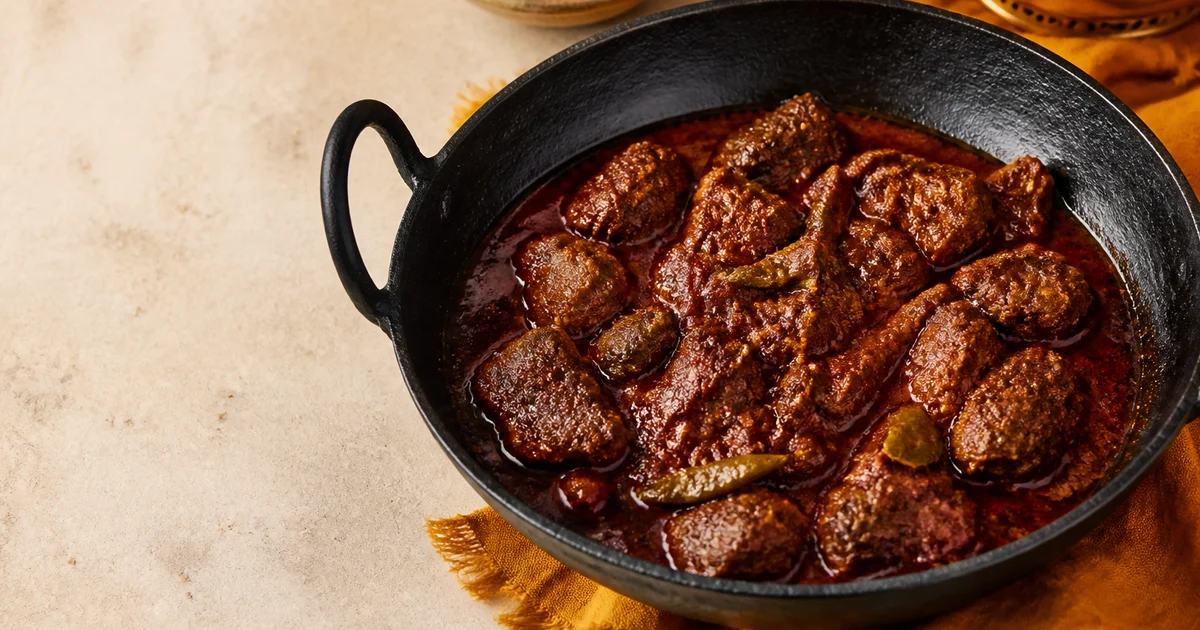
Commercial Beef Bhuna Recipe
A commercial beef bhuna recipe for about 40 plates, with a long bhuna stage, clear oil-separation cues, controlled portions and service-safe reheating.
- Yield:
- about 40 plates
- Total:
- 4 hr 15 min
- Difficulty:
- Medium
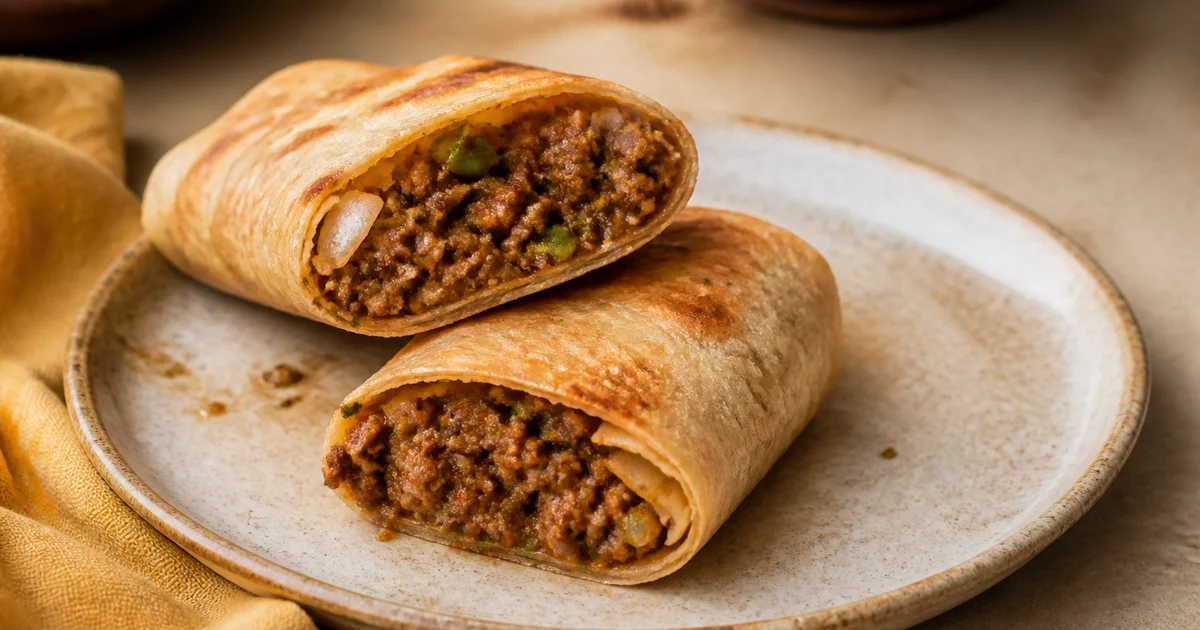
Commercial Bangladeshi Beef Roll Recipe
A commercial beef roll recipe producing 40 consistent rolls with tender cooked-down beef, crisp vegetables, controlled moisture and practical service guidance.
- Yield:
- 40 beef rolls
- Total:
- 1 hr 35 min
- Difficulty:
- Medium
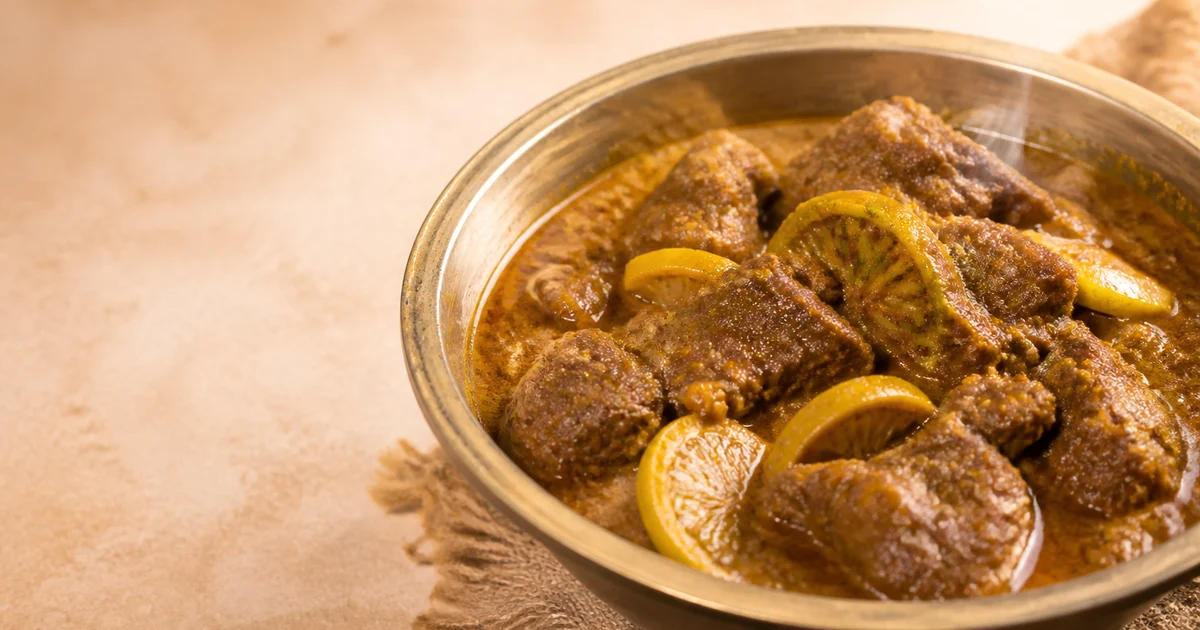
Commercial Beef Shatkora Recipe
A commercial Sylheti beef shatkora recipe for 30 plates, with controlled citrus bitterness, batch scaling, holding, reheating and yield guidance.
- Yield:
- about 30 plates
- Total:
- 3 hr 15 min
- Difficulty:
- Medium
Run your restaurant on Rosuii
POS, menu, inventory, payroll and more — built for Bangladeshi restaurants.
Start free