
Restaurant Recipes
Commercial Bangladeshi Beef Roll Recipe
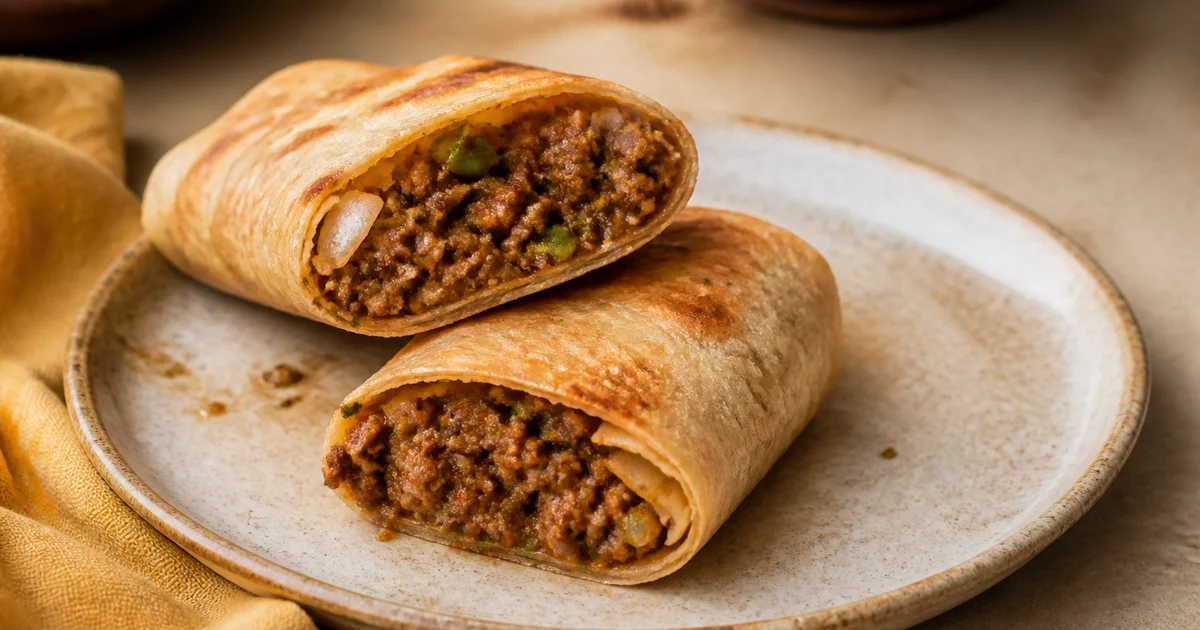
A commercial beef roll recipe producing 40 consistent rolls with tender cooked-down beef, crisp vegetables, controlled moisture and practical service guidance.
- Prep
- 35 min
- Cook
- 1 hr
- Total
- 1 hr 35 min
- Yield
- 40 beef rolls
- Difficulty
- Medium
- Cuisine
- Bangladeshi
Method
- 1
Trim and portion beef
Keep the beef at 5°C or below while trimming away hard fat, silver skin and thick sinew. Cut across the grain into even 10 to 15 mm strips, then drain any purge so the surface is not wet.
- 2
Brown beef in batches
Heat the oil in a heavy pot to approximately 185°C. Brown the beef in three or four single-layer batches for 4 to 5 minutes each, turning until the edges are dark brown rather than grey, then remove it to a clean tray.
- 3
Cook onion and pastes
Lower the pot to medium heat, approximately 150°C, and add the sliced onion. Cook for 7 to 9 minutes until soft and lightly golden, then add the ginger and garlic pastes and cook for 2 minutes until the raw smell disappears.
- 4
Bloom the ground spices
Add the salt, chilli, turmeric, cumin, coriander and black pepper at approximately 140°C. Stir for 60 to 90 seconds, adding a small splash of the measured water if the spices begin to catch; the oil should start separating around the masala.
- 5
Pressure-cook until tender
Return the browned beef and its juices to the cooker, add the remaining water and mix thoroughly. Lock the lid and cook at full pressure, approximately 118°C to 121°C, for 18 to 22 minutes, then allow 10 minutes of natural pressure release; the beef should bend and separate easily without becoming mushy.
- 6
Reduce filling until dry
Transfer to a wide pan if necessary and boil uncovered at 95°C to 100°C for 12 to 18 minutes. Stir frequently until no watery gravy remains and a spatula drawn over the pan bottom leaves a clear trail for 2 to 3 seconds.
- 7
Finish and verify yield
Reduce the heat below 90°C and mix in the green chilli, garam masala and lemon juice for 2 minutes. The filling should be glossy but not wet; weigh it and target approximately 2.8 kg, then hold above 60°C or begin rapid cooling.
- 8
Prepare service components
Keep the dried cabbage and cucumber at 5°C or below and combine the mayonnaise with chilli sauce in a labelled squeeze bottle. Heat the griddle to 190°C to 210°C and cook each paratha for 2 to 3 minutes, turning until evenly spotted, flexible and fully heated.
- 9
Portion and wrap rolls
Place one hot paratha on a clean board and allow steam to escape for 20 seconds. Add 70 g beef filling, 15 g cabbage, 15 g cucumber and 15 g combined sauce, then fold the sides inward and roll tightly with the seam underneath.
- 10
Hold for immediate service
Serve the assembled roll immediately, or keep it in vented grease-resistant paper for no more than 30 minutes at ambient service conditions. If reheating an un-sauced roll, use a 180°C griddle for 30 to 45 seconds per side until the centre reaches 74°C.
Notes for your kitchen
This commercial beef roll recipe produces 40 well-filled rolls suitable for a Bangladeshi restaurant, cafe or food cart. The filling is cooked until concentrated and nearly dry, then portioned with crisp vegetables and controlled sauce. The result is easier to wrap, holds its shape and does not release gravy into the paratha during service.
Why beef rolls work commercially
Beef rolls work well commercially because the main filling can be prepared in advance and assembled quickly after an order arrives. One cook can heat parathas while another portions filling and rolls the finished product. The format is portable, requires little service ware and can be offered as a single snack, a combo or with optional sauces.
The production method also creates clear control points. Beef filling, vegetables, sauce and parathas can each be weighed and issued separately. This makes shortages, oversized portions and preparation losses easier to identify than with an unmeasured mixed filling.
Selecting beef and other ingredients
Boneless chuck, shoulder or brisket gives the best balance of flavour, tenderness and usable yield for a commercial beef roll. These cuts contain enough connective tissue to become tender under pressure without the higher cost of tenderloin or sirloin. Buy trimmed boneless meat where possible, but do not accept heavily sinewed offcuts simply because their purchase price is lower. Excess trimming and long cooking can remove any apparent saving.
Cut the meat across the grain into even strips approximately 10 to 15 mm thick. Thin, uneven shreds dry out before tougher pieces soften. Keep a small amount of soft fat for flavour, but remove hard external fat and thick silver skin because they remain chewy inside a roll.
Paratha quality also matters. Select a plain paratha that browns without becoming brittle and remains flexible for several minutes after cooking. Cucumber and cabbage should be firm and dry. Watery cucumber, wet washed cabbage and excessive sauce are common causes of soggy wraps.
Cooking the beef correctly
The beef must first develop colour, then become tender under pressure, and finally cook down until no loose liquid remains. Browning in small batches is important because an overcrowded pot drops in temperature and causes the meat to boil in its own juice. The browned residue on the pot contributes flavour when the onions and spices are cooked.
Pressure cooking shortens production time for shoulder and chuck, but it does not complete the filling. After pressure release, the mixture will usually contain stock, rendered fat and moisture from the onions. Reduce it uncovered while turning frequently so that the liquid evaporates evenly. The filling is ready when a spatula drawn across the bottom leaves a clear path for two to three seconds and no watery gravy runs back into it.
Do not reduce until the meat becomes hard or fibrous. The final filling should look glossy and moist from fat and concentrated masala, not wet from stock. Add finishing spices, green chilli and lemon only near the end so their aroma remains noticeable.
Controlling wrap moisture
A dry beef filling, drained vegetables and measured sauce are the three controls that prevent a beef roll from becoming soggy. Cool the cooked filling uncovered in shallow trays before covering it for refrigeration. Covering hot filling traps steam, which later returns as surface water.
After washing cabbage, use a salad spinner or drain it thoroughly. Remove the cucumber seed core if it is soft and watery. Keep vegetables below 5°C and mix them only at assembly, not into warm beef.
Apply sauce in a thin line rather than spreading it over the whole paratha. Keep sauce away from the final sealing edge, where it can cause the roll to open. For delivery orders, allow a freshly cooked paratha to release steam for 20 to 30 seconds before wrapping, then use grease-resistant paper with one end vented.
Scaling the batch safely
Scale this recipe by weight while keeping the cooking depth and reduction surface similar. For a half batch, use half of every ingredient and a smaller pressure cooker so the minimum safe liquid requirement is still met. For a double batch, use two cookers or divide the beef into separate production runs rather than filling one pot beyond its rated capacity.
Browning capacity does not increase just because the batch is larger. Maintain a single layer of beef in each browning load and allow the pot to return to high heat between loads. Reduction time also changes with pot width, not only with ingredient weight. A deep, narrow pot may take much longer and can leave the lower filling overcooked.
Salt, chilli and lemon can be multiplied mathematically, but confirm seasoning after reduction because concentration changes the final taste. Record the final cooked filling weight from every batch and adjust portion calculations from that figure.
Holding and reheating for service
Hold beef filling above 60°C for immediate service or cool it rapidly to 5°C or below for later use. For cooling, spread the filling no deeper than 50 mm in shallow stainless-steel trays. Cool from 60°C to 21°C within two hours and from 21°C to 5°C within a further four hours, then cover, label and refrigerate.
Reheat only the amount expected for the service period. Bring refrigerated filling to at least 74°C throughout, stirring to remove cold spots, and transfer it to a covered hot-holding pan above 60°C. Avoid repeated cooling and reheating because the beef loses moisture and food-safety risk increases.
Cook parathas to order when volume permits. During a rush, they may be cooked slightly under final colour and held covered for up to 15 minutes, then reheated for 20 to 30 seconds per side on a hot plate. Do not hold fully assembled rolls for more than 30 minutes because vegetables soften and steam migrates into the bread.
Portioning and yield control
Each roll should receive 70 g of finished beef filling, 30 g of drained vegetables and 15 g of combined sauce. Place the filling in a narrow line below the centre of the paratha, leaving clear space at the sides. Fold both sides inward, roll tightly and position the seam underneath before wrapping.
Weigh the first five rolls of every shift and check portions again when a new staff member takes over. A dedicated 70 g scoop can speed service, but it must be verified on a digital scale because the density of the filling changes as it sits. Review the practical methods in this portion control guide when setting station standards.
The target batch yield is approximately 2.8 kg of finished beef filling. If the actual yield is lower, reduce the number of saleable rolls rather than silently underfilling all portions. Record trim, burnt filling, dropped rolls and unsold assembled stock as wastage.
Keeping cost per roll stable
The correct cost per roll comes from the actual usable batch cost divided by the number of saleable rolls produced. Include beef trim loss, cooking shrinkage, paratha, sauce, vegetables, cooking oil, packaging and recorded wastage. Use the method in this recipe costing guide, then compare the result with the business's target food cost percentage.
Beef is the dominant and most variable cost. Monitor supplier cut, fat level, trimming loss and cooked yield rather than comparing purchase price alone. Paratha size and uncontrolled sauce application are the next common sources of variation.
Rosuii can be used to record a production that converts raw beef and spices into finished beef filling, while wastage and sales reports help operators compare production yield with actual roll sales. Keep the recipe unit, purchase unit and station portion unit consistent so that records remain useful.
Mistakes that cost money
The most expensive mistakes are buying low-yield beef, overcrowding the pot, leaving loose gravy and serving unmeasured portions.
- Using heavily sinewed offcuts: The low purchase price is offset by trimming loss, long cooking and customer complaints about chewy meat.
- Boiling instead of browning: Overcrowded beef releases water, develops weak flavour and requires extra reduction time.
- Stopping reduction too early: Loose stock enters the paratha and creates leakage, sogginess and packaging failure.
- Over-reducing the filling: Dry fibres encourage staff to add excess sauce, increasing cost and weakening the wrap.
- Portioning by eye: An extra spoonful on every roll quickly removes several saleable portions from the batch.
- Pre-assembling too many rolls: Unsold rolls have poor holding quality and often become full write-offs rather than reusable components.
What drives the cost
Beef is the dominant cost, and its usable cost changes with cut, fat level, trimming loss and cooked yield. Paratha size, sauce portion and packaging are the next important variables. Calculate cost from the measured finished filling yield and actual saleable roll count, not only from raw beef weight.
Ingredient rates move with the market, so this describes what drives the cost rather than quoting a figure.
Questions from kitchens
How should this beef roll recipe be doubled for 80 rolls?
How long can cooked beef filling be held during service?
Can another beef cut be substituted?
What is the refrigerated shelf life of the components?
What should be done if the batch yields fewer than 40 rolls?
Related recipes
Everyday Chicken Curry
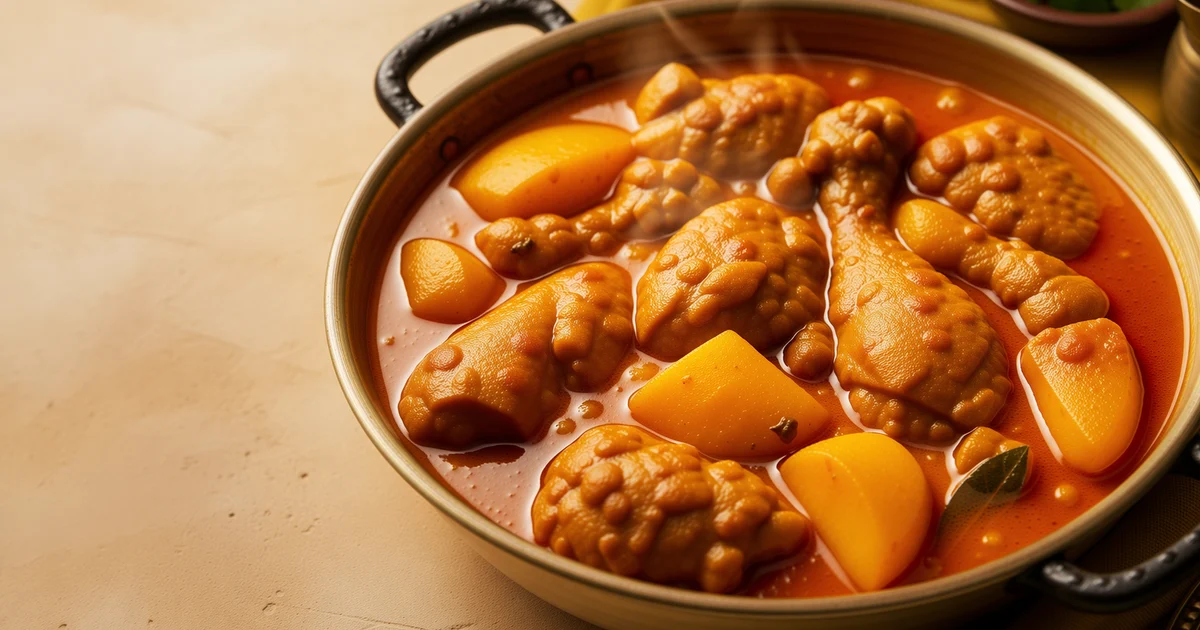
A 40-plate Bangladeshi chicken curry recipe built around reusable base masala, controlled portions and tender chicken for restaurant or food cart service.
- Yield:
- about 40 plates
- Total:
- 2 hr 35 min
- Difficulty:
- Medium
Commercial Chicken Jhal Fry Recipe
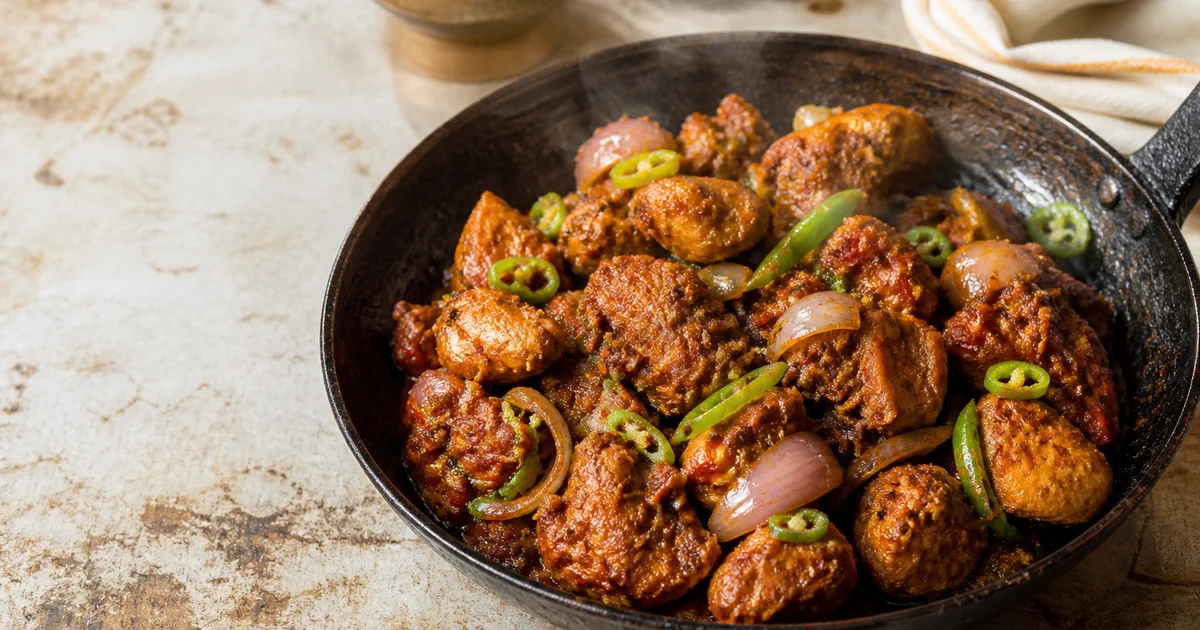
A commercial chicken jhal fry recipe for about 40 plates, using a fully cooked chicken base and a fast, spicy high-heat finish for each order.
- Yield:
- about 40 plates
- Total:
- 1 hr 15 min
- Difficulty:
- Medium
Commercial Bangladeshi Chicken Roll Recipe
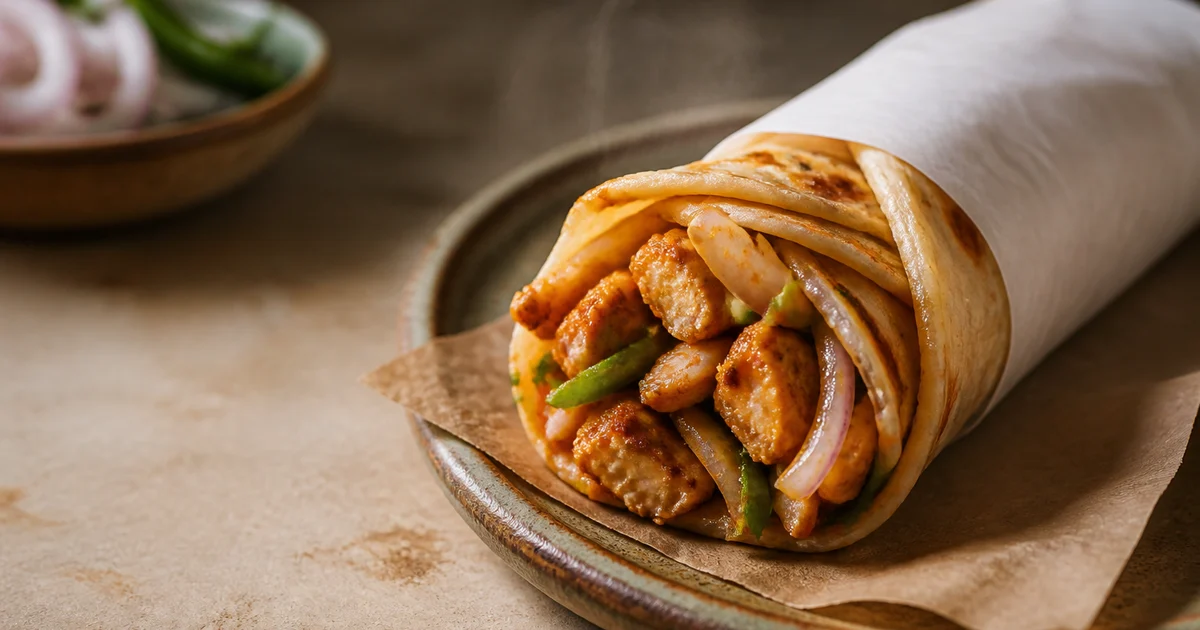
A commercial chicken roll recipe producing 40 large rolls with flaky paratha, spiced chicken, egg, fresh vegetables and controlled portions.
- Yield:
- 40 large chicken rolls
- Total:
- 2 hr 30 min
- Difficulty:
- Medium
Run your restaurant on Rosuii
POS, menu, inventory, payroll and more — built for Bangladeshi restaurants.
Start free