
Restaurant Recipes
Commercial Chicken Jhal Fry Recipe
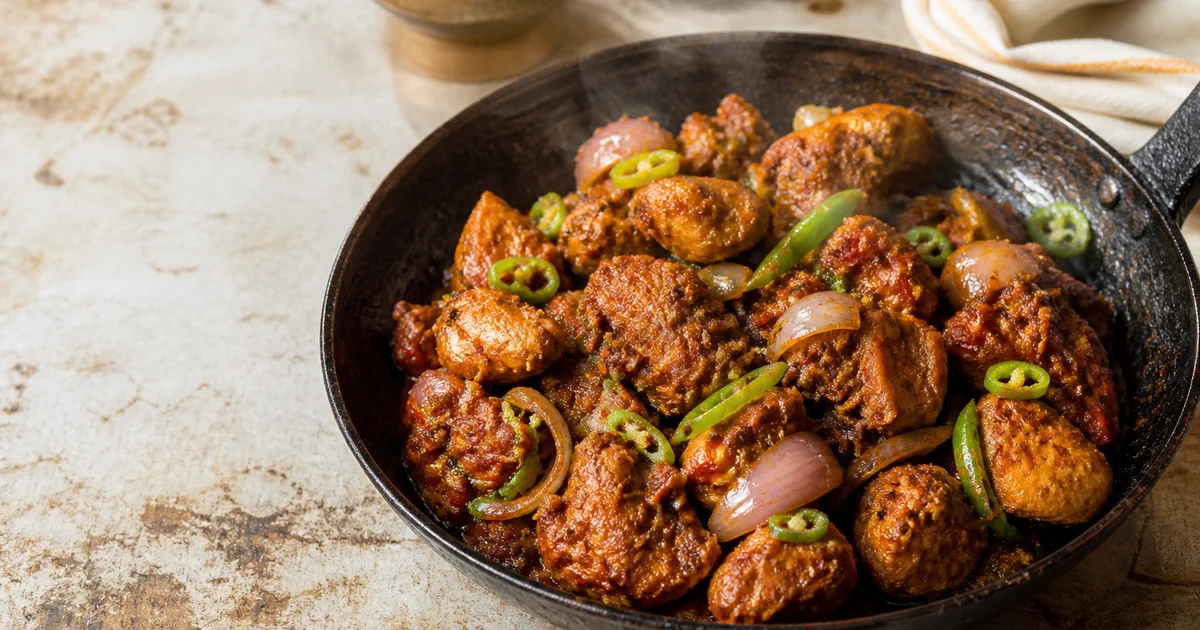
A commercial chicken jhal fry recipe for about 40 plates, using a fully cooked chicken base and a fast, spicy high-heat finish for each order.
- Prep
- 30 min
- Cook
- 45 min
- Total
- 1 hr 15 min
- Yield
- about 40 plates
- Difficulty
- Medium
- Cuisine
- Bangladeshi
Method
- 1
Season the chicken
Mix the chicken with 60 g salt, ginger paste, garlic paste, turmeric and red chilli powder until evenly coated. Refrigerate at 5°C or below for 20 minutes; the surface should look evenly stained with no dry spice pockets.
- 2
Heat the cooking oil
Heat 400 ml soybean oil in a heavy commercial kadai over medium-high heat until the oil reaches approximately 175°C. Add the cumin seeds and bay leaves, then cook for 20 to 30 seconds until aromatic without letting the cumin turn black.
- 3
Brown the base onions
Add 1.3 kg sliced onion and cook at 170°C to 180°C for 8 to 10 minutes, stirring frequently. Stop when the onion is soft and light golden at the edges, not dark brown.
- 4
Bhuna the masala
Add the tomato, coriander powder and cumin powder with about 300 ml water. Cook over medium-high heat for 6 to 8 minutes, stirring and scraping the base, until the tomato collapses and a light oil sheen appears.
- 5
Cook chicken safely
Add the marinated chicken and stir over high heat for 5 minutes until every piece is coated and the exterior loses its raw colour. Add 600 to 900 ml more water as needed, cover and cook at a steady simmer of about 95°C for 12 to 15 minutes; several large pieces must register at least 74°C in the centre.
- 6
Reduce the cooked base
Remove the lid and reduce over high heat for 5 to 8 minutes, turning the chicken carefully. Stop when thick masala clings to the pieces and only a small amount of oil is visible, then correct the base seasoning with the remaining salt.
- 7
Hold or cool base
For immediate service, hold the base covered at 60°C or above and use within four hours for best quality. For later service, transfer it to pans no deeper than 50 mm and cool from 60°C to 21°C within two hours, then to 5°C within a further four hours.
- 8
Prepare the finish station
Portion the base into approximately 170 g service units and keep chilled portions at 5°C or below. Hold the reserved onion, green chilli, black pepper, garam masala, mustard oil and coriander in separate labelled containers; chilled garnishes should remain below 5°C.
- 9
Finish over high heat
Preheat a service wok to approximately 200°C to 220°C and add up to four portions of base with a small measured amount of the remaining soybean oil. Add the reserved onion and green chilli, then toss continuously for 3 to 4 minutes until the onion edges soften, the masala turns glossy and the chicken core reaches 74°C.
- 10
Season and serve
Add measured black pepper, garam masala and mustard oil during the final 30 seconds, then switch off the heat and fold in coriander leaves. Serve immediately while the masala is sizzling and clinging to the chicken, with no watery liquid collecting under the portion.
Notes for your kitchen
This chicken jhal fry recipe produces about 40 main-course plates from one controlled commercial batch. It is designed for Bangladeshi restaurants and food carts that need most of the cooking completed before service, followed by a fast wok or kadai finish when an order arrives. The result is spicy, glossy chicken with softened onion, fresh মরিচ aroma and very little loose gravy.
Why it works for commercial service
Chicken jhal fry works commercially because one safe pre-cooked base can be finished in small batches within four minutes. Kitchens often call this a par-cooked base, but the chicken must reach a safe core temperature before chilling or holding. Partially cooking poultry, cooling it and completing it later creates unnecessary food-safety risk.
The base carries the cooked chicken, reduced masala and most of the seasoning. At service, sliced onion, কাঁচা মরিচ, black pepper, garam masala and mustard oil create the sharp fried character. This separates slow cooking from the fast finish, so the operator can serve quickly without keeping fully finished chicken drying over heat.
The dish also supports controlled menu variations. A regular, medium and extra-jhal version can use the same base, with measured chilli added during finishing. Do not prepare separate full batches unless sales volume justifies them, because slow-moving spicy variants increase leftover stock.
Ingredient selection and quality
Uniform chicken size matters more than buying the largest bird available. Use skinless bone-in chicken cut into pieces of approximately 35 to 45 g. Mixed large and small pieces cook unevenly, make plate counts inconsistent and encourage staff to compensate with extra portions. Bone-in meat gives better flavour and usually remains juicier during reheating, while boneless thigh is suitable for carts that require easier eating.
Fresh onion and green chilli determine much of the final texture and aroma. Choose firm onion without wet or sprouting centres, and reject soft chillies because they lose their fresh heat during frying. Tomatoes should be ripe enough to break down but not watery. Excess tomato liquid increases reduction time and can turn the dish into chicken curry instead of jhal fry.
Ground spices must smell fresh and remain free-flowing. Old chilli powder adds colour without a clean heat, while stale cumin and coriander create a dusty finish. Mustard oil is used in a small finishing quantity, so its aroma matters more than using a large volume of it.
Technique behind the cooked base
The base is ready when the chicken is fully cooked and the masala clings to each piece without being fried dry. Browning the onion first builds sweetness that balances the chilli. The powdered spices then need a short bhuna with controlled moisture so they cook without scorching.
Use a wide, heavy vessel rather than a deep narrow pot. A vessel that is no more than about 60 percent full allows steam to escape and makes reduction predictable. Once the chicken releases liquid, cook until the thickened masala coats the pieces and only a light sheen of oil appears around the edges. Do not continue frying until the meat becomes tough because it will receive another high-heat treatment during service.
Check several pieces with a clean probe thermometer, including one large piece from the coolest area of the vessel. All tested pieces must reach at least 74°C. Visual colour alone is not a reliable poultry safety check.
The high-heat finish
The order-time finish needs an uncluttered pan, high heat and constant movement. A 35 to 40 cm wok or kadai should handle no more than four portions at once. Overloading traps steam, cools the metal and produces wet chicken with boiled onion.
Preheat the pan before adding the measured base. The masala should sizzle immediately, and the onions added for finishing should soften at the edges while retaining slight bite. Toss or turn continuously so the thick masala does not catch. Finish when the sauce is glossy, the fresh chillies smell sharp and the chicken core is back to at least 74°C.
Scaling the batch correctly
Scale ingredients by weight, but scale pan load and cooking time by vessel capacity. A half batch can use half of every ingredient, although reduction may finish several minutes sooner. For a double batch, use two vessels or cook two separate base runs rather than filling one pot to the rim.
Keep chicken, salt, oil and dry spices proportional. Start large batches with about 70 to 80 percent of the calculated water, then add more only if the masala catches before the chicken releases moisture. Onion and tomato water content changes by season, so blindly doubling added water creates inconsistent yield.
Record the raw batch weight, cooked base weight and number of accepted portions. That information is more useful than relying on a theoretical yield because chicken cut, bone ratio and reduction differ between suppliers.
Controlling the heat level
Heat is most consistent when the base is moderately spicy and extra chilli is measured during finishing. Keep chilli powder stable in the production batch because changing it affects both colour and the entire day's stock. Use weighed green chilli and a small measured chilli-powder addition for hotter orders.
Do not use spoonfuls described only as regular or extra. Select one standard measuring spoon or portion cup for each variation and train every cook to level it. Taste the chillies when a new supplier lot arrives because local কাঁচা মরিচ can change sharply in heat even when size and colour appear identical.
Holding, chilling and reheating
The cooked base should be held above 60°C for immediate service or cooled rapidly to 5°C or below. For cooling, spread it in clean shallow pans no deeper than 50 mm instead of leaving it inside a hot stockpot. Cool from 60°C to 21°C within two hours and from 21°C to 5°C within a further four hours.
Cover, label and refrigerate the cooled base. Use it within three days when continuously stored at 5°C or below, with a shorter internal limit if the cold chain is unreliable. Reheat only the quantity expected to sell, and bring every portion back to at least 74°C. Never mix returned or finished chicken into a fresh base container.
Hot-held base should remain covered enough to prevent drying but not flooded with condensation. For best texture, use it within four hours. Discard stock that has spent uncontrolled time in the temperature danger zone rather than reheating it repeatedly.
Portioning and yield control
A controlled plate should contain a fixed weight of base and a consistent number of chicken pieces. Start with approximately 170 g of finished chicken and masala per plate, then confirm the target against the actual cooked yield. Bone-in portions should also have a piece-count rule so one guest does not receive mostly small bony cuts.
Weigh the first ten portions of every batch and spot-check later orders. Use a dedicated ladle or portion container only after confirming that its filled weight is repeatable. The practical methods in this portion control guide help prevent generous hand-serving from reducing the number of sellable plates.
Keeping cost stable
Stable cost comes from controlling chicken yield, frying oil, portion weight and unsold base. Chicken is the main cost driver, so compare suppliers by usable cut, bone ratio and cooking loss rather than purchase weight alone. Follow a consistent recipe costing method and review the actual food cost percentage when chicken prices or portion sizes change.
Rosuii productions can record raw materials converted into a finished chicken base, while wastage records can separate trimming loss, burnt masala and expired stock. Keep the production name and batch unit consistent so kitchen and sales reports remain comparable.
Mistakes that cost money
The most expensive mistakes are oversized portions, overloaded pans, burnt spices and unnecessary reheating. An overloaded finish pan reduces browning and encourages the cook to add more oil. Burnt chilli and cumin cannot be corrected with water, so the affected masala usually becomes wastage.
- Do not chill partially cooked chicken for later completion.
- Do not add unmeasured water during finishing because it increases service time and destroys the dry texture.
- Do not let cooks adjust heat with random handfuls of chilli.
- Do not combine yesterday's finished leftovers with today's production.
- Do not judge yield only by plate count without checking portion weight and chicken-piece distribution.
What drives the cost
Chicken dominates the cost, with the supplier's bone ratio, cut consistency, seasonal market rate and cooking loss moving the cost most. Frying oil, onion and green chilli are the next important variables, especially when staff overpour oil or use inconsistent finishing portions.
Ingredient rates move with the market, so this describes what drives the cost rather than quoting a figure.
Questions from kitchens
Can I double this chicken jhal fry recipe in one pot?
How long can the cooked chicken base be stored?
Can boneless chicken be used for a food cart?
How do I offer mild and extra-spicy versions from one base?
What should I do if the batch gives fewer than 40 plates?
Related recipes
Commercial Beef Bhuna Recipe
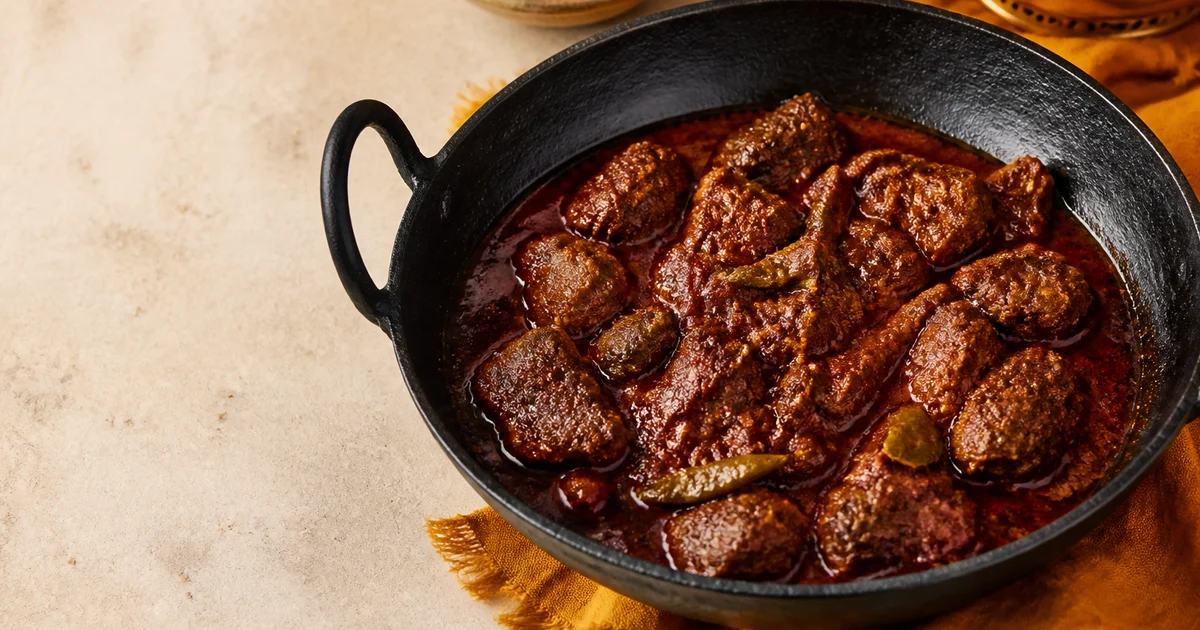
A commercial beef bhuna recipe for about 40 plates, with a long bhuna stage, clear oil-separation cues, controlled portions and service-safe reheating.
- Yield:
- about 40 plates
- Total:
- 4 hr 15 min
- Difficulty:
- Medium
Commercial Bangladeshi Beef Roll Recipe
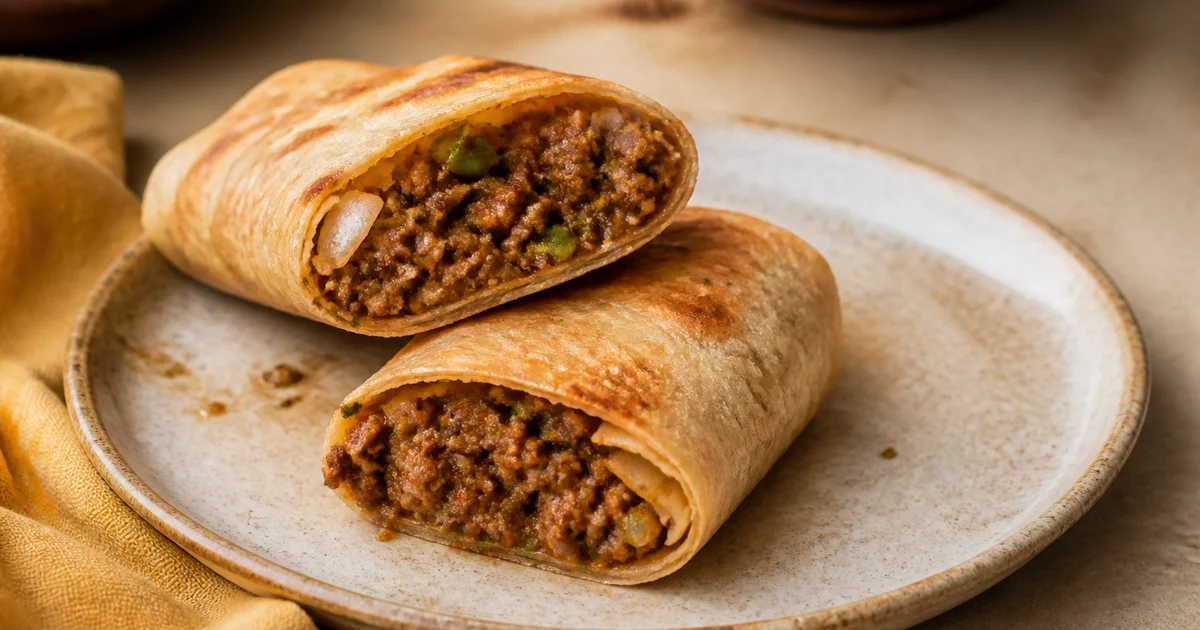
A commercial beef roll recipe producing 40 consistent rolls with tender cooked-down beef, crisp vegetables, controlled moisture and practical service guidance.
- Yield:
- 40 beef rolls
- Total:
- 1 hr 35 min
- Difficulty:
- Medium
Commercial Beef Shatkora Recipe
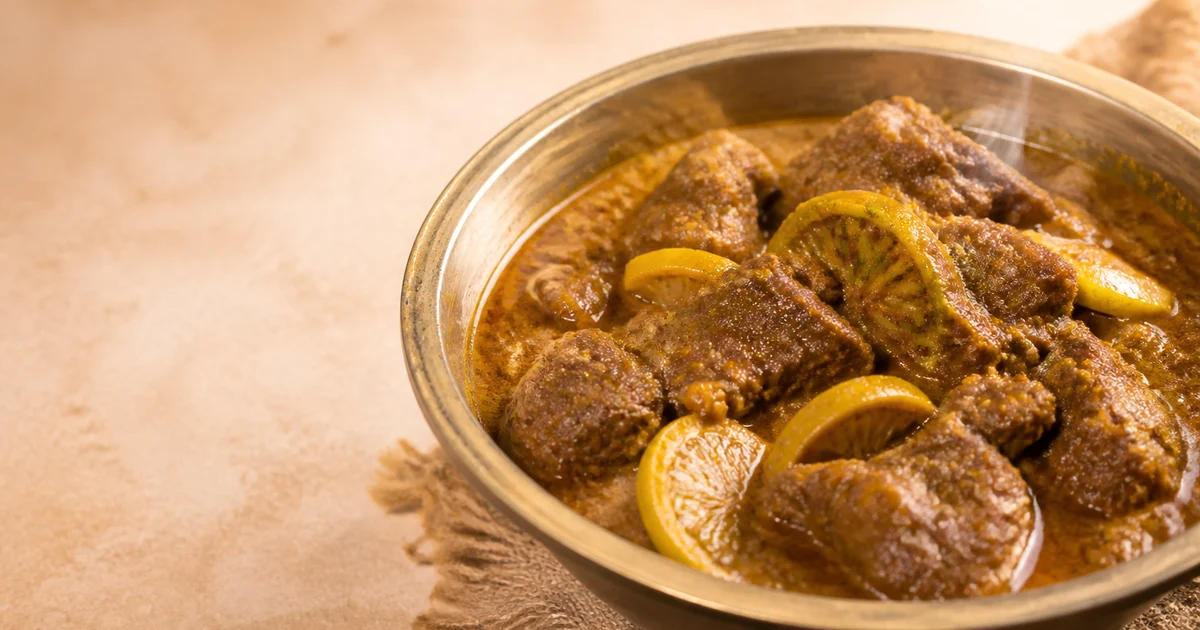
A commercial Sylheti beef shatkora recipe for 30 plates, with controlled citrus bitterness, batch scaling, holding, reheating and yield guidance.
- Yield:
- about 30 plates
- Total:
- 3 hr 15 min
- Difficulty:
- Medium
Run your restaurant on Rosuii
POS, menu, inventory, payroll and more — built for Bangladeshi restaurants.
Start free