
Restaurant Recipes
Commercial Cold Coffee Recipe
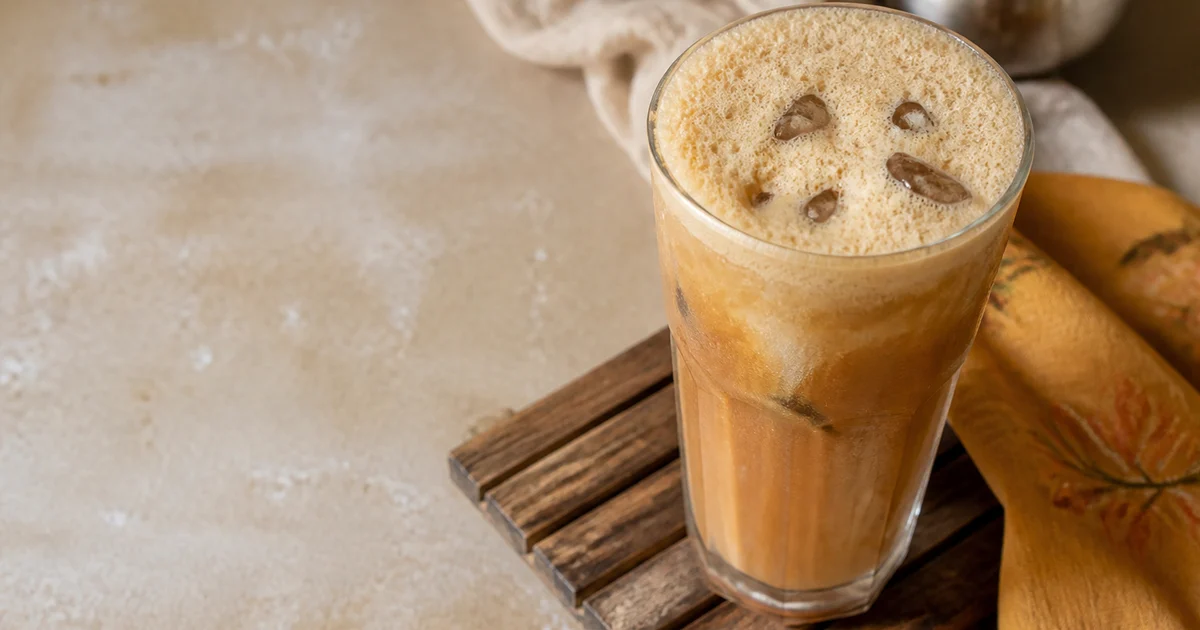
A commercial cold coffee recipe for 40 servings, using a make-ahead coffee base, measured ice and controlled blending for consistent froth and yield.
- Prep
- 35 min
- Cook
- 10 min
- Total
- 1 hr 45 min
- Yield
- about 40 x 320 ml servings
- Difficulty
- Easy
- Cuisine
- Continental
Method
- 1
Sanitise and chill equipment
Wash and sanitise the blender jars, whisk, strainer, container and measuring tools. Chill the milk to 0°C to 5°C and keep the ice cream at -18°C or below until service. Prepare an ice bath large enough for the coffee-base container.
- 2
Dissolve the sugar
Heat 1.8 litres of drinking water to 85°C to 90°C without bringing it to a rolling boil. Add the sugar and whisk for 2 to 3 minutes until the liquid is clear and no crystals remain on the pan base.
- 3
Add coffee gently
Remove the pan from direct heat and add the instant coffee gradually. Whisk for 60 to 90 seconds until smooth, dark and free from dry coffee lumps. Do not boil after adding the coffee.
- 4
Season and strain base
Whisk in the salt and vanilla essence for 20 seconds. Pass the base through a fine-mesh strainer into a sanitised container. The liquid should be glossy with no visible sediment.
- 5
Cool and standardise volume
Set the covered container in an ice bath and stir occasionally until the base falls below 20°C, usually within 30 minutes. Refrigerate and bring it to 5°C or below within 2 hours of cooking. Add enough chilled drinking water to make exactly 3.2 litres, then mix thoroughly.
- 6
Set each drink portion
For one serving, measure 80 ml coffee base and 150 ml chilled milk into the blender jar. Add 70 g hard frozen ice and 30 g vanilla ice cream. Keep unused dairy ingredients refrigerated while orders are prepared.
- 7
Build the blender vortex
Run the blender on low speed for about 5 seconds until the liquid pulls the ice toward the blades. Increase to high speed for 15 to 20 seconds. Stop when the drink is smooth with fine foam and no large ice pieces.
- 8
Check texture and temperature
The finished drink should remain at 5°C or below and pour in a thick, continuous stream. Do not extend blending to create more volume because heat and melted ice will thin the drink. If ice pieces remain, pulse for 3 to 5 seconds rather than adding liquid.
- 9
Fill and serve immediately
Pour into a 350 ml service cup to an approximately 320 ml fill line, leaving room for foam. Serve within 3 minutes of blending. Rinse and sanitise the blender jar between allergen-sensitive orders and at scheduled service intervals.
Notes for your kitchen
Why this cold coffee works commercially
This cold coffee recipe works for restaurants and food carts because the coffee base is prepared ahead while each drink is blended fresh. The base removes the need to measure coffee and sugar during a rush, so service depends on only four controlled portions: coffee base, milk, ice and ice cream. A 350 ml cup provides enough headspace for approximately 320 ml of finished drink and its foam.
The drink uses instant coffee rather than fresh espresso because instant coffee gives predictable strength across a large batch and requires less equipment. It is practical for carts with limited water, power and counter space. The prepared base also allows a cafe to serve the same flavour during quiet and busy periods without keeping brewed coffee hot for hours.
Select ingredients where quality matters
Coffee, milk and ice determine most of the flavour, while extra flavourings cannot correct poor raw materials. Use a spray-dried or freeze-dried instant coffee with a clean aroma and no damp, stale or burnt smell. Different brands vary greatly in bitterness, so test a small base before changing suppliers. Do not mix old and new brands in the same production batch unless their strength has been checked.
Use pasteurised full-cream liquid milk and keep it at 0°C to 5°C. Milk with more fat gives better body and carries coffee aroma more effectively than diluted milk. The vanilla ice cream should taste mainly of dairy and vanilla, not artificial essence. Ice must be made from potable water and stored in a covered food-grade bin. Strong-smelling freezer products can contaminate both ice and ice cream.
Fine white sugar dissolves cleanly and does not introduce the molasses flavour of brown sugar. Salt is used at a very low level to soften harsh bitterness, not to make the drink taste salty. Vanilla should remain in the background.
Control the coffee base carefully
A standardised 3.2 litre coffee base is the main control point for flavour, sweetness and final yield. Sugar is dissolved before coffee is added because undissolved crystals settle and cause different sweetness between the first and last portions. Avoid boiling the coffee. Excessive heat drives off aroma and can make an already dark instant coffee taste harsher.
Measure the finished base by volume only after it has cooled. Hot liquid occupies a slightly different volume, and steam loss varies between pans. Use a graduated food-grade container and adjust to the marked production volume with chilled drinking water. Straining removes coffee lumps, sugar contamination and any film from the pan.
Rapid cooling is important even though the base contains sugar. An ice bath brings the temperature down faster than placing a hot, deep container directly inside a refrigerator. The finished base should smell clearly of coffee, appear smooth and dark, and have no sediment or floating granules.
Blend for froth without excess dilution
Short, high-speed blending creates fine froth while limiting heat and ice melt. Start with liquid in the jar so the blades can move freely, then add measured ice and ice cream. A brief low-speed start pulls the ingredients into a vortex, while the final high-speed stage breaks the ice and incorporates air.
The correct drink has fine, even bubbles and no large ice pieces striking the jar. Long blending creates impressive volume for a few seconds but warms the drink, melts more ice and produces foam that collapses before reaching the customer. If the blender struggles, reduce the number of portions per load rather than adding extra milk or water. Never fill above the manufacturer’s working capacity.
Scale the batch without changing strength
Scale every ingredient with one factor, but keep the service portion and blender load unchanged. For 20 servings, use half of every batch ingredient and produce 1.6 litres of base. For 80 servings, double every ingredient and produce two separate 3.2 litre base batches unless the kitchen has a pan, cooling system and container large enough to handle the full volume safely.
Do not scale by adding extra milk to an existing base because both sweetness and coffee strength will fall. Weigh coffee, sugar, ice and ice cream instead of estimating with cups or scoops. Water and milk can be measured in graduated jugs. Even when total production doubles, continue blending one or two servings at a time according to blender capacity.
Hold the base and milk safely
Hold the coffee base and all dairy ingredients at 0°C to 5°C, and blend the finished drink only after an order is received. Store the base in a sanitised, covered container labelled with production time and discard time. For best flavour and operational control, use it within 48 hours. Stir gently before service because slight separation can occur during storage.
Do not hold blended cold coffee for later sale. The ice continues melting, the foam collapses and the dairy temperature rises quickly in a hot cart. Keep only a small service bottle of base at the workstation and refill it from the refrigerator. Return milk immediately after pouring.
Cold coffee is not reheated. If a chilled base has formed crystals, do not repeatedly warm and cool it for service. Investigate whether the sugar was dissolved correctly, then prepare a fresh batch if texture or storage history is uncertain.
Control portions and sellable yield
The batch yields 40 drinks only when every cup receives 80 ml base, 150 ml milk, 70 g ice and 30 g ice cream. Mark the normal fill line on a sample 350 ml cup and train staff to leave headspace for foam. A measured drink should reach approximately 320 ml, although foam height varies slightly with blender design.
Use a calibrated dispenser or marked jigger for the base, a graduated measure for milk, a digital scale for ice and a fixed scoop checked against 30 g for ice cream. Read the portion control guide when setting staff checks. Record blender spills, melted ice cream and rejected drinks as wastage rather than hiding them inside higher consumption. In Rosuii, the productions feature can record raw materials converted into the finished coffee base, while wastage and sales reports help compare production with actual yield.
Avoid mistakes that cost money
The most expensive mistakes are free-pouring milk, oversized ice cream scoops, uncontrolled ice and making drinks before orders arrive. Extra milk weakens flavour, leading staff to compensate with more base. This consumes two ingredients while still producing an inconsistent drink. Oversized scoops reduce the number of portions from each ice cream tub and make one shift appear more generous than another.
- Weak flavour: Check the base measurement and coffee brand before increasing coffee for the whole batch.
- Watery texture: Use hard frozen ice, cold milk and a short blending cycle. Wet, half-melted ice causes uncontrolled dilution.
- No lasting froth: Confirm that the jar and ingredients are cold and that the blender blades are sharp.
- Large bubbles: Reduce blending time and avoid running an almost empty oversized jar.
- Variable sweetness: Standardise the cooled base volume and stir it before filling the service bottle.
Keep cost stable and price the menu
Stable cafe pricing starts with a fixed recipe, a verified cup yield and separately costed variations. Calculate the standard drink from its measured consumption rather than from the amount staff believe they use. Review the food cost percentage after supplier prices or pack sizes change.
Milk and ice cream are usually the main cost drivers, while imported or premium coffee can also move the cost significantly. Offer extra ice cream, chocolate sauce or whipped cream as clearly defined add-ons instead of adding them informally. A regular version and a premium version can use the same base, but each needs its own portion specification. Use a structured menu pricing method that considers ingredient use, packaging, spoilage, labour and the selling channel rather than copying a nearby cafe’s price.
What drives the cost
Full-cream milk and vanilla ice cream usually dominate the batch cost, while premium or imported instant coffee can also be significant. Cost moves with dairy pack price, coffee brand, ice cream scoop control and losses from over-portioning or melted stock.
Ingredient rates move with the market, so this describes what drives the cost rather than quoting a figure.
Questions from kitchens
Can this cold coffee recipe be doubled for 80 servings?
How long can the coffee base be held?
Can brewed coffee or espresso replace instant coffee?
Can blended cold coffee be prepared before the rush?
Why does the batch produce fewer than 40 cups?
Related recipes
Commercial Bakery Cupcake Recipe
A commercial cupcake recipe for 48 vanilla cupcakes with controlled batter weight, stable frosting, batch scaling, display guidance and yield control.
- Yield:
- 48 standard cupcakes
- Total:
- 2 hr 7 min
- Difficulty:
- Medium
Commercial Sweet Lassi Recipe
A commercial 10-litre sweet lassi recipe with reliable blending, cold holding, salty variation and portion control for restaurants and food carts.
- Yield:
- about 40 cups of 250 ml
- Total:
- 1 hr 30 min
- Difficulty:
- Easy

Commercial Lemon Soda Recipe
A commercial lemon soda recipe for 40 chilled drinks, built around measured sugar syrup, fresh lemon juice and sweet, salty or spicy variations.
- Yield:
- about 40 300 ml drinks
- Total:
- 2 hr 10 min
- Difficulty:
- Easy
Run your restaurant on Rosuii
POS, menu, inventory, payroll and more — built for Bangladeshi restaurants.
Start free