
Restaurant Recipes
Commercial Lemon Soda Recipe
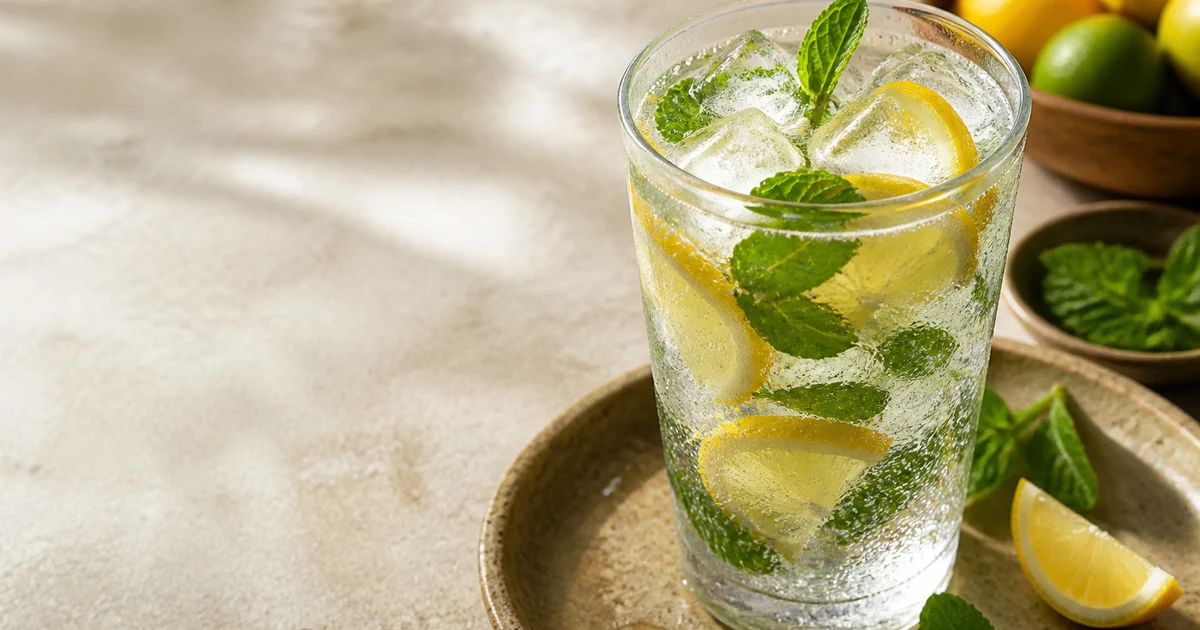
A commercial lemon soda recipe for 40 chilled drinks, built around measured sugar syrup, fresh lemon juice and sweet, salty or spicy variations.
- Prep
- 30 min
- Cook
- 10 min
- Total
- 2 hr 10 min
- Yield
- about 40 300 ml drinks
- Difficulty
- Easy
- Cuisine
- Bangladeshi
Method
- 1
Sanitise and chill equipment
Wash and sanitise the storage bottles, strainer, jiggers and work surface before production. Chill the soda water, lemon juice and serving cups to 0°C to 4°C for at least 2 hours; properly chilled soda should foam less when opened.
- 2
Cook the sugar syrup
Combine 1.15 L water, the sugar and lemon zest in a stainless-steel saucepan. Heat to 85°C to 90°C for 5 to 7 minutes, stirring until the liquid is completely clear; do not allow a rolling boil or browning.
- 3
Strain and cool syrup
Remove the zest and strain the hot syrup into a sanitised container. Cool over an ice bath to below 21°C within 30 minutes, then refrigerate until it reaches 5°C or lower; the syrup should remain clear and pourable.
- 4
Standardise syrup yield
Measure the cold syrup and add only enough boiled, cooled water to produce 1.8 L. Stir for 30 seconds and check that no dense layer remains at the bottom before transferring it to a labelled bottle.
- 5
Prepare chilli extract
Blend the green chillies with 200 ml filtered water for 20 seconds, then leave for 10 minutes. Strain through a fine sieve without forcing solids through; the extract should be green and aromatic but free from pieces.
- 6
Mix the dry seasoning
Combine the black salt, fine salt and roasted cumin powder for 1 minute. Break up all lumps and store the mixture dry and covered; it should look evenly grey-brown without visible salt pockets.
- 7
Measure each drink
For one 300 ml spicy serving, add 45 ml syrup, 30 ml lemon juice, 1.5 g dry seasoning and about 3 ml chilli extract. Add 80 g ice, then check that the cup remains cold and has enough headspace for soda.
- 8
Finish with cold soda
Add 140 ml soda water slowly down the side of the cup and stir gently once or twice. Serve within 2 minutes while bubbles are active; for sweet or sweet-salty orders, omit the chilli extract or both chilli and seasoning as required.
Notes for your kitchen
This commercial lemon soda recipe produces about 40 consistent 300 ml drinks for a Bangladeshi food cart, cafe or restaurant. The drink uses a controlled sugar syrup, measured lemon juice, cold soda water and optional salty or spicy seasoning. It can be one of the highest-margin drinks on a cart menu because preparation is simple, service is fast and the same base supports several menu variations.
Why lemon soda works commercially
Lemon soda works commercially because one prepared base can be turned into several drinks without adding another production process. Offer sweet, sweet-salty and sweet-salty-spicy versions from the same syrup and lemon juice. Staff only change the seasoning added during assembly, which keeps the station compact and reduces slow-moving stock.
The drink is also suitable for peak service because no blending is required after the components are prepared. A trained server can measure, fill and finish one cup in less than a minute. The important controls are cold ingredients, fixed measures and opening soda bottles only as needed.
Ingredient quality and selection
Fresh lemon juice and strongly carbonated soda water are the two ingredients where quality matters most. Select firm, heavy lemons with thin, bright skin and no fermented smell. Heavy fruit generally contains more juice, while dry or thick-skinned fruit increases cost because more kilograms are needed for the same usable volume.
Strain the juice through a fine sieve, but do not press the bitter white pith through it. Bottled lemon flavour or old juice may smell acceptable in storage but usually produces a flat, harsh drink after dilution. Taste each delivery because acidity changes with variety, maturity and season.
Use clean white granulated sugar for a neutral syrup. Strongly coloured sugar can muddy the finished drink and may introduce a molasses taste. Soda water must have an active hiss when opened and produce persistent fine bubbles when poured. Keep it between 0°C and 4°C because cold liquid retains carbonation better.
Black salt provides the familiar Bangladeshi salty-soda aroma, while roasted cumin adds depth. Both should be finely ground so they disperse instead of settling as gritty material. Green chillies should smell fresh and grassy, without soft or dark sections.
How the syrup method controls consistency
The sugar syrup should be dissolved with controlled heat, not boiled into a thick concentrate. Heating only until the liquid becomes clear prevents unnecessary water loss and keeps the batch concentration predictable. A hard boil can also extract bitterness from lemon zest and cause crystals around the pot wall.
Measure the cooled syrup volume before service and adjust it to the target yield with boiled, cooled water when necessary. This correction matters because evaporation, residue left in the pan and inaccurate heat settings can change the amount available for each cup. Use a clean ladle or pump that delivers the standard dose rather than pouring by eye.
Keep lemon juice separate from syrup until assembly. Acid held in syrup for a long period can dull the fresh aroma, and a combined premix makes it harder to correct a seasonal change in lemon strength. Separation also allows staff to reduce sweetness without changing the acidity.
Sweet, salty and spicy variations
The three main variations should differ only by measured seasoning, not by an improvised change to the whole recipe. For sweet lemon soda, use syrup and lemon juice without the dry seasoning or chilli extract. For sweet-salty soda, add the standard salt and cumin measure. For the spicy version, add both the seasoning and a small measured dose of strained chilli extract.
Do not place chopped chilli directly in every cup. Chilli heat varies, pieces can block straws and an unexpectedly hot drink often has to be replaced. A strained extract gives better control and lets staff add more only when a customer requests it.
Set these choices as clear menu variations rather than relying on verbal instructions. This reduces remakes during busy periods and helps the cashier communicate the correct order to the drink station.
Scaling the batch correctly
Scale every component by the number of drinks while keeping the per-cup measures unchanged. For 20 drinks, prepare half of each quantity; for 80 drinks, double it. Do not simply add extra sugar or lemon after tasting the full container because large cold batches are difficult to mix evenly.
When producing more than 80 drinks, make syrup in separate manageable batches unless the kitchen has a properly sized kettle and cooling system. Deep containers cool slowly and encourage staff to leave syrup at room temperature. Record the finished syrup volume and the actual lemon juice yield from each delivery so purchasing can be adjusted.
A standardised batch sheet should show expected servings, actual servings and any closing balance. Use recipe costing to compare theoretical consumption with what the station actually uses.
Holding and reheating for service
Hold every prepared component separately and never reheat a finished lemon soda. Store cooled syrup in a sanitised, covered food-grade bottle at 0°C to 4°C and use it within seven days. Label it with production date, use-by date and finished volume.
Fresh lemon juice is best prepared daily and held at 0°C to 4°C for no more than eight hours for service quality. Chilli extract should also be made daily, while the dry salt-cumin seasoning can remain in an airtight container for up to seven days if kept dry. Discard anything with fermentation, gas, mould, slime or an unusual smell.
If refrigerated syrup forms crystals, warm only the syrup to about 50°C to 60°C while stirring until clear, then cool it again before service. Do not boil it, and do not add hot syrup to soda. Never pre-mix soda water into a holding jug because most carbonation will be lost before sale.
Portioning and yield control
Each 300 ml cup should receive fixed doses of syrup, lemon juice, seasoning, ice and soda water. Use marked jiggers, portion pumps or calibrated dispensers. Ice should also be portioned with the same scoop because excess ice reduces the drink delivered, while too little ice requires more soda and raises cost.
Add soda last and pour it slowly down the side of the cup. Stir once or twice from the bottom without beating out the bubbles. Leave enough headspace for foaming, particularly in salty and spicy versions.
Count cups sold against syrup portions and opened soda volume at the end of each shift. The principles in this portion control guide help identify over-pouring, unrecorded staff drinks and remakes. Rosuii can record syrup as a production that converts raw stock into a finished item, making the prepared quantity easier to track.
Common mistakes that cost money
The most expensive mistakes are free-pouring, using warm soda, squeezing poor lemons and preparing too far ahead. Free-pouring syrup commonly makes the first drinks weak and the final drinks overly sweet. Warm soda foams quickly and tastes flat, causing customer complaints and replacements.
- Do not boil lemon juice or add it to hot syrup, because heat removes fresh aroma and can intensify bitterness.
- Do not squeeze lemons so hard that pith oil enters the juice.
- Do not use wet spoons in the dry seasoning container.
- Do not return unused assembled drinks to any holding bottle.
- Do not hide poor carbonation by adding more syrup; replace the flat soda water.
Record spillages, dropped cups, spoiled juice and flat soda instead of treating them as unexplained usage. A consistent reducing wastage routine shows whether the problem comes from purchasing, preparation or service.
Keeping the drink cost stable
Stable cost comes from buying lemons by usable juice yield and controlling every serving with measured tools. Weigh incoming lemons, record the strained juice obtained and compare suppliers on yield rather than appearance alone. A cheaper kilogram can be more expensive if the fruit is dry.
Keep only the expected service quantity of soda in the station refrigerator and leave reserve bottles sealed. Prepare syrup according to forecast sales instead of filling several large containers automatically. Review sales by variation because spicy or salty options may use small extra components even when the selling cup size is identical.
What drives the cost
Fresh lemons and packaged soda water usually dominate the ingredient cost, with lemon cost moving according to season, variety and juice yield. Cost also rises through flat opened soda, uncontrolled syrup pouring, oversized lemon portions and inconsistent ice scoops.
Ingredient rates move with the market, so this describes what drives the cost rather than quoting a figure.
Questions from kitchens
How do I scale this lemon soda recipe to 100 drinks?
How long can the prepared sugar syrup be held?
Can bottled lemon juice replace fresh lemon juice?
Why does the final yield sometimes fall below 40 cups?
Can lemon soda be mixed in advance for a rush period?
Related recipes
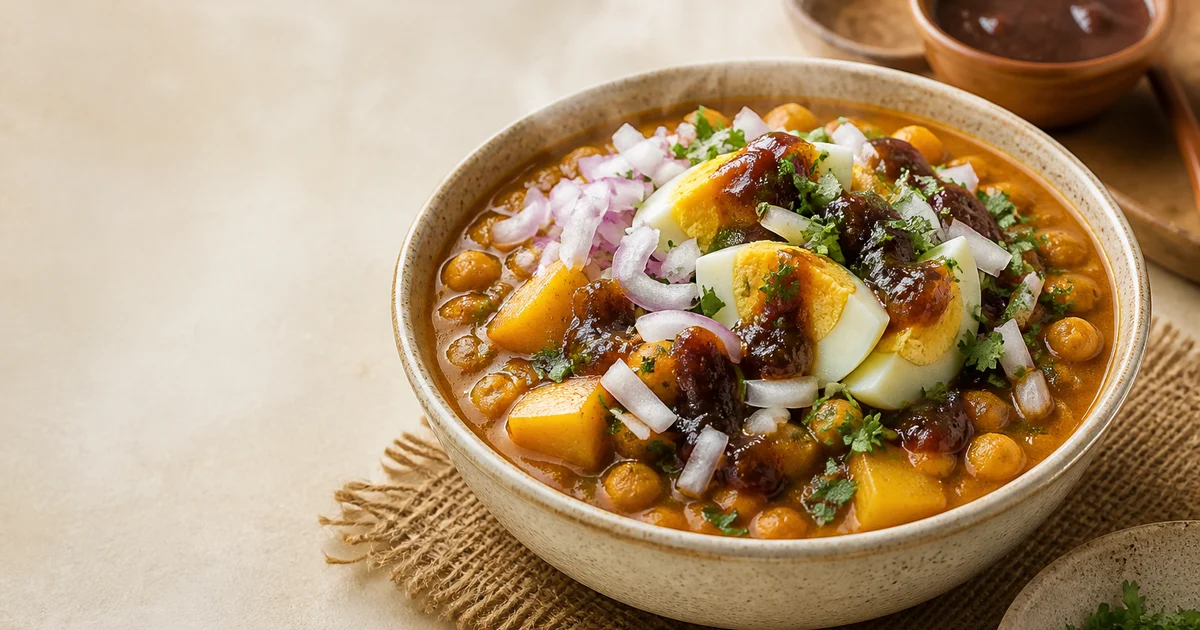
Commercial Chotpoti Recipe
A commercial chotpoti recipe for about 40 plates, covering dabli preparation, consistency control, topping setup, safe holding and portion accuracy.
- Yield:
- about 40 plates
- Total:
- 1 hr 45 min
- Difficulty:
- Medium
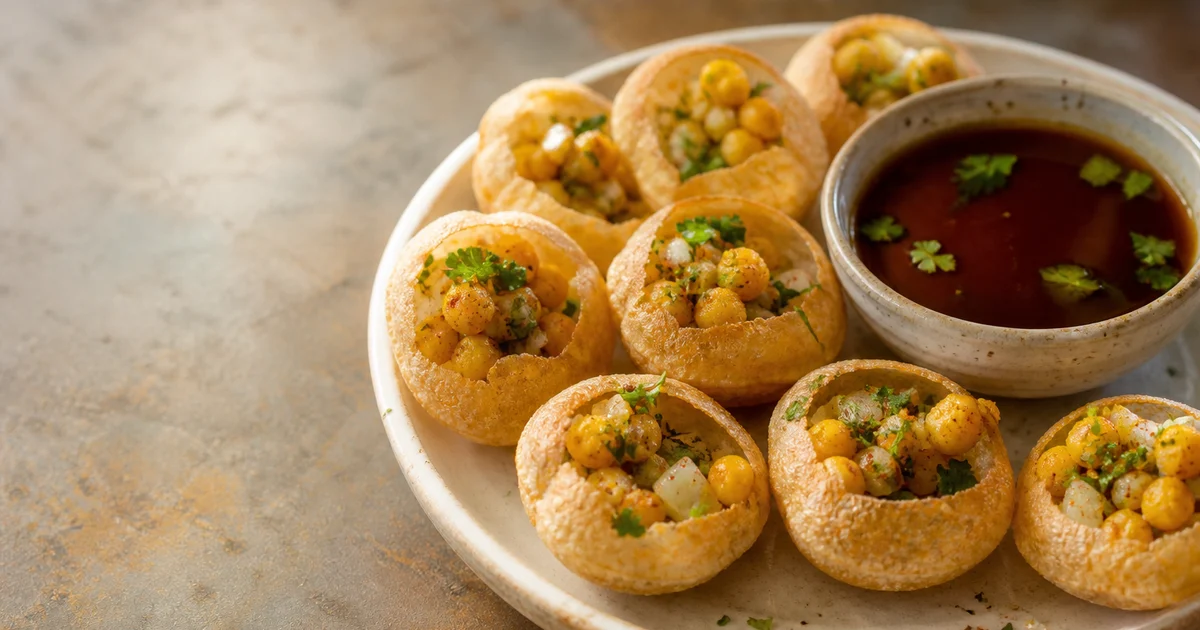
Commercial Bangladeshi Fuchka Recipe
A commercial fuchka recipe yielding about 40 plates, with crisp homemade shells, controlled potato-chickpea filling, balanced tamarind water and safe cart holding.
- Yield:
- about 40 plates
- Total:
- 3 hr 30 min
- Difficulty:
- Hard
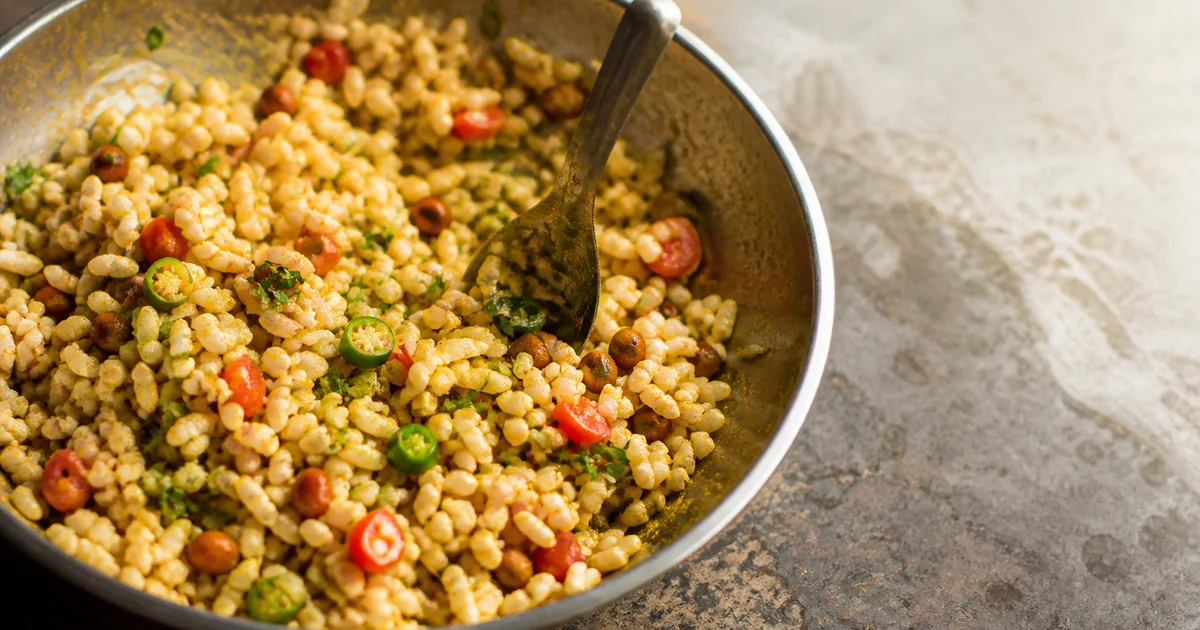
Commercial Jhalmuri Recipe
A commercial jhalmuri recipe for about 40 plates, built around crisp muri, a balanced mustard-oil masala and fast per-order cart assembly.
- Yield:
- about 40 plates
- Total:
- 1 hr 15 min
- Difficulty:
- Medium
Run your restaurant on Rosuii
POS, menu, inventory, payroll and more — built for Bangladeshi restaurants.
Start free