
Restaurant Recipes
Commercial Bangladeshi Fuchka Recipe
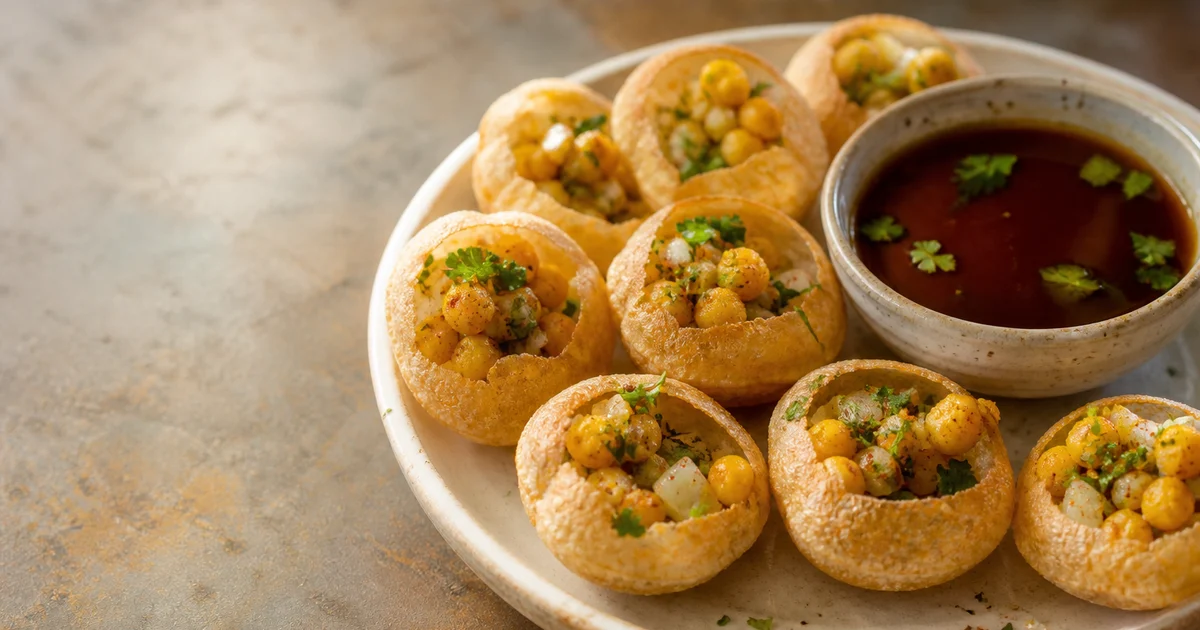
A commercial fuchka recipe yielding about 40 plates, with crisp homemade shells, controlled potato-chickpea filling, balanced tamarind water and safe cart holding.
- Prep
- 1 hr 30 min
- Cook
- 2 hr
- Total
- 3 hr 30 min
- Yield
- about 40 plates
- Difficulty
- Hard
- Cuisine
- Bangladeshi
Method
- 1
Soak the chickpeas
Cover the chickpeas with at least three times their volume of drinking water and soak for 8 to 10 hours under refrigeration or in the coolest safe preparation area. They are ready when evenly swollen with no hard, wrinkled centres.
- 2
Cook filling base
Drain the chickpeas, cover with fresh water and simmer at 95°C to 100°C for 45 to 60 minutes until tender but intact. Simmer the potatoes separately for 25 to 35 minutes and boil the eggs for 10 to 12 minutes, then drain everything and allow visible steam to escape.
- 3
Mix the shell dough
Combine the semolina, maida and 20 g salt, then add the warm water gradually while kneading for 8 to 10 minutes. The dough should be firm, smooth and non-sticky; cover with a damp cloth and rest for 30 minutes.
- 4
Roll and cut shells
Divide the rested dough into manageable pieces and roll to an even thickness of 1 to 1.5 mm. Cut 6 cm discs, keeping them covered so the surfaces remain flexible, and reroll scraps only once to avoid tough shells.
- 5
Fry until fully crisp
Heat the oil to 180°C to 185°C and fry the discs in small batches for 45 to 75 seconds. Press each disc gently under the oil until it puffs, turn once, and remove when pale golden with fine bubbles and a rigid shell.
- 6
Finish the savoury filling
Mash the cooled potatoes coarsely and fold in the drained chickpeas, onions, green chillies, coriander, 50 g cumin, 15 g red chilli, 40 g black salt and 35 g regular salt. Mix for 2 to 3 minutes until evenly seasoned but not pasty, then chill to 5°C or below in shallow covered pans.
- 7
Extract the tamarind pulp
Soak the tamarind and jaggery in 2 L of water at 70°C to 80°C for 20 minutes, then squeeze thoroughly and pass through a fine strainer. Discard seeds and fibre, and cool the strained concentrate quickly.
- 8
Balance the tamarind water
Whisk the concentrate with the remaining chilled water, lemon juice, remaining cumin, red chilli, black salt and regular salt. Chill below 5°C for at least 30 minutes, then taste for a sharp sour opening, clear saltiness and restrained sweetness.
- 9
Cool and store components
Cool fried shells completely for 30 to 45 minutes before transferring them to airtight food-grade containers. Keep filling and tamarind water at 5°C or below, and place only small service quantities on the cart in containers surrounded by ice.
- 10
Portion each ordered plate
Open and fill 8 shells per plate using a fixed scoop, then grate half an egg across the portion. Serve approximately 120 to 140 ml chilled tamarind water separately and assemble only after the order is placed so the shells remain crisp.
Notes for your kitchen
This commercial fuchka recipe produces about 40 plates of 8 pieces, with extra shells allowed for breakage and quality checks. Fuchka suits a food cart or restaurant because most production can be completed before service, while final filling and serving take less than one minute per plate. Profit depends on controlling shell breakage, filling weight, tamarind-water portions and complimentary refills.
Why fuchka works commercially
Fuchka works commercially when three separate components are prepared consistently and combined only after the customer orders. The shell provides crispness, the potato-chickpea mixture provides body, and the tamarind water supplies acidity, salt, sweetness and heat. Keeping these components separate prevents soggy shells and allows the operator to adjust spice without preparing a different filling for every customer.
A batch of about 40 plates is practical for a busy cart, cafe or snack counter. It is large enough to justify production time but small enough to keep the filling and tamarind water under controlled refrigeration. Offer spice variations by changing the final tamarind-water seasoning or adding green chilli at service, rather than producing several uncontrolled filling batches.
Shell selection and quality
The shell is the first quality test because customers notice poor puffing, stale oil and breakage immediately. Fine semolina gives the characteristic hard, crisp structure, while a smaller amount of maida helps the dough bind and roll. Coarse semolina produces rough edges and uneven expansion unless it is ground finer before mixing.
The dough must be firm, smooth and rested under a damp cloth. A soft dough absorbs more oil and can collapse after frying. Roll it to approximately 1 to 1.5 mm; thick centres stay hard, while paper-thin edges crack during filling. Cut uniform discs and keep both dough and cut discs covered because a dry surface restricts expansion.
Buying ready-made shells saves labour and removes frying-oil management, but quality must be checked by opening several cartons from each supplier. Compare diameter, colour, stale smell, wall thickness and breakage percentage. Reject cartons containing soft shells or excessive loose crumbs. Homemade production gives better control and a fresher product, but only if staff can maintain thickness and oil temperature during every batch.
Frying shells correctly
Shells puff best in clean oil held between 180°C and 185°C with enough depth for free movement. Add only enough discs to cover part of the surface. Press each disc gently under the oil for the first few seconds, then turn it when it inflates. Continue frying until the bubbles become small and the colour is pale golden, not dark brown.
Overloading lowers the temperature and creates oily, partly puffed shells. Excessive heat colours the outside before the internal moisture escapes, causing soft shells during storage. Filter the cooled oil daily, record discarded oil as wastage and replace it when it smells stale, foams excessively or darkens the product. Do not mix severely degraded oil into fresh oil.
Potato-chickpea filling control
The filling should be firm enough to hold inside the shell but moist enough to eat without feeling dry. Cook chickpeas until tender while retaining their shape, and drain them thoroughly before mixing. Potatoes should be fully cooked and steam-dried so they absorb seasoning instead of releasing water.
Mash most of the potatoes while leaving small pieces for texture. Fold the chickpeas and aromatics in without crushing everything into paste. Add onion, coriander and green chilli only after the cooked base has cooled below 10°C if the filling will be refrigerated. This reduces onion odour, coriander darkening and unnecessary bacterial growth during cooling.
Use a fixed scoop or scale for the filling rather than estimating by hand. One overfilled shell may appear generous, but repeated overfilling can remove several sellable plates from a batch. Follow a written portion control standard for shells, filling, egg garnish and tamarind water.
Balancing tamarind water
Good tamarind water should taste sharply sour first, then salty and lightly sweet, with chilli and cumin in the finish. Tamarind strength changes by crop, age and whether seeds and fibre are included, so extraction must be tasted before final dilution. Soaking in hot water loosens the pulp, but the finished liquid must be cooled rapidly before service.
Jaggery should round the acidity rather than make the water taste like a sweet drink. Black salt supplies the familiar sulphurous flavour, while regular salt controls basic salinity. Lemon juice brightens a weak batch but should not replace tamarind. Check the flavour cold because chilled liquid tastes less salty and aromatic than warm liquid.
Strain through a fine sieve so fibres do not block dispensers or collect in serving cups. Keep a measured concentrated base refrigerated and dilute only the quantity expected for the next service period. This makes adjustment easier when ice, weather or customer preference changes perceived strength.
Scaling the batch safely
Scale fuchka by component yield and weight, not by multiplying spoon measurements. For a half batch, halve every weighed ingredient but keep the same dough thickness, frying depth, cooking temperature and cooling procedure. For a double batch, prepare filling and tamarind water in separate vessels unless the kitchen has equipment large enough to mix and cool them evenly.
Shell dough is easier to control in moderate batches. Mixing too much by hand creates dry and wet sections, while a heavily loaded fryer loses heat after each addition. When scaling up, increase the number of frying cycles or fryers rather than increasing the number of discs in one basket.
Record the finished number of acceptable shells, filling weight and usable tamarind-water volume. Rosuii can record these as production outputs from raw stock, while wastage records can capture broken shells and discarded filling. These records support accurate recipe costing without assuming that every batch has the same loss.
Holding and service hygiene
Safe cart service requires dry shell storage, cold filling and tamarind water, protected utensils and potable water. Cool cooked filling quickly in shallow pans and refrigerate at 5°C or below. Hold only a small working container at the cart, replenishing it from an insulated ice box or refrigerator rather than topping new filling onto old filling.
Keep tamarind water at 5°C or below and use a covered dispenser with a tap or dedicated ladle. Do not let customers dip used cups or spoons into the main container. Staff should wash hands before service, after handling cash, after touching waste and whenever switching back to food handling. Where one worker must take payment and serve, use separate tongs or spoons and avoid touching shell openings with bare fingers.
Store fried shells only after they are completely cool. Use clean, dry, food-grade airtight containers away from steam, sunlight and washing areas. If shells soften, refresh them in a dry oven at 140°C for 3 to 5 minutes, then cool before sealing. Never reheat filled fuchka.
Portioning and yield control
A sellable plate should contain a fixed shell count, a measured filling allowance and a defined tamarind-water serving. This recipe targets 40 plates of 8 pieces and produces extra shells to cover normal breakage. Count acceptable shells after cooling, not immediately after cutting, because failed puffing and frying damage reduce the real yield.
Set a filling scoop that consistently loads each shell without splitting it. Grate a controlled amount of egg over each plate instead of leaving an unrestricted garnish bowl at the counter. Measure the first several portions at the start of every shift, then spot-check during service. Compare actual plates sold with component usage through food cost percentage reporting to identify overportioning or unrecorded staff consumption.
Mistakes that cost money
The most expensive fuchka mistakes are poor shell yield, uncontrolled refills, wet filling and unsafe ambient holding. Uneven rolling creates shells that fail to puff, while low frying temperature increases oil absorption. Packing shells before cooling traps steam and can soften an entire production batch.
- Do not add watery potato or undrained chickpeas to the filling.
- Do not mix all onion and coriander into several hours of filling at once.
- Do not keep the full day’s tamarind water open on the cart.
- Do not estimate filling portions during a rush.
- Do not carry refrigerated filling into the following day after prolonged cart exposure.
Stable cost comes from approved shell or tamarind suppliers, documented frying losses and fixed serving sizes. Purchasing the cheapest shell is not economical if breakage is high, and cheap tamarind can require more pulp or corrective seasoning. Track usable yield rather than purchase weight alone.
What drives the cost
Frying oil, eggs and shell production or purchasing usually dominate the cost, while the usable yield of tamarind also matters. Cost moves with oil replacement frequency, egg market rates, shell breakage, supplier consistency and uncontrolled tamarind-water refills.
Ingredient rates move with the market, so this describes what drives the cost rather than quoting a figure.
Questions from kitchens
How can this fuchka recipe be doubled for a busy cart?
How long can the filling be held for service?
Can ready-made fuchka shells replace homemade shells?
How long do fried shells stay crisp?
What should be done if the batch yields fewer than 40 plates?
Related recipes
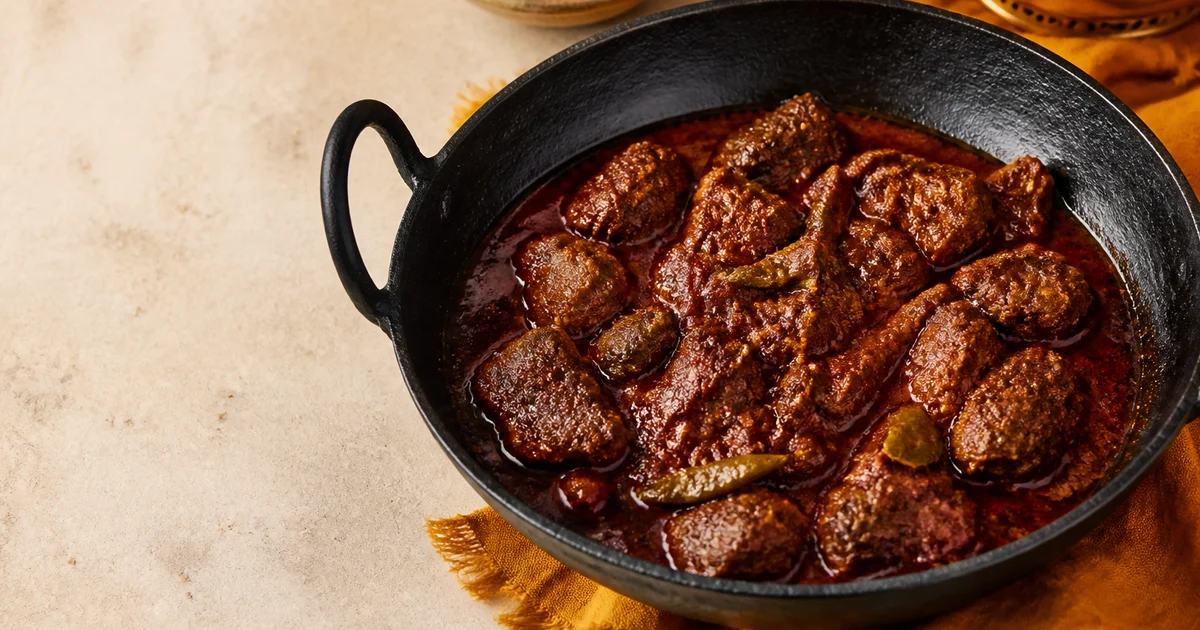
Commercial Beef Bhuna Recipe
A commercial beef bhuna recipe for about 40 plates, with a long bhuna stage, clear oil-separation cues, controlled portions and service-safe reheating.
- Yield:
- about 40 plates
- Total:
- 4 hr 15 min
- Difficulty:
- Medium
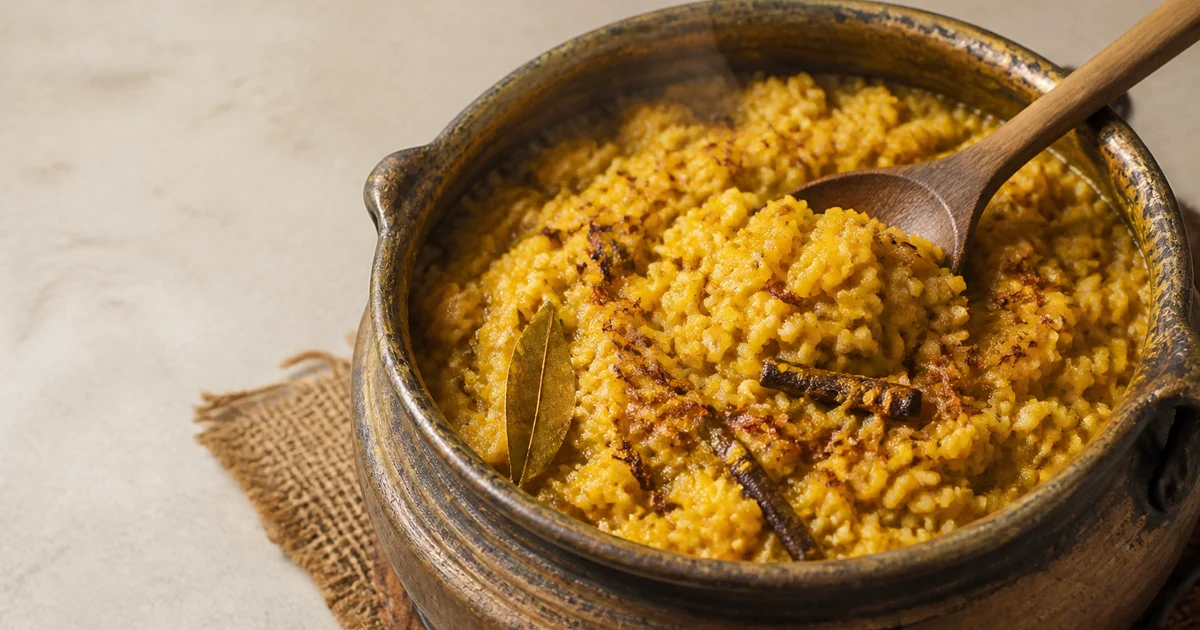
Commercial Bhuna Khichuri Recipe
A commercial bhuna khichuri recipe for about 40 plates, with a 2:1 rice-to-dal ratio, controlled moisture, service holding and yield guidance.
- Yield:
- about 40 plates
- Total:
- 1 hr 40 min
- Difficulty:
- Medium
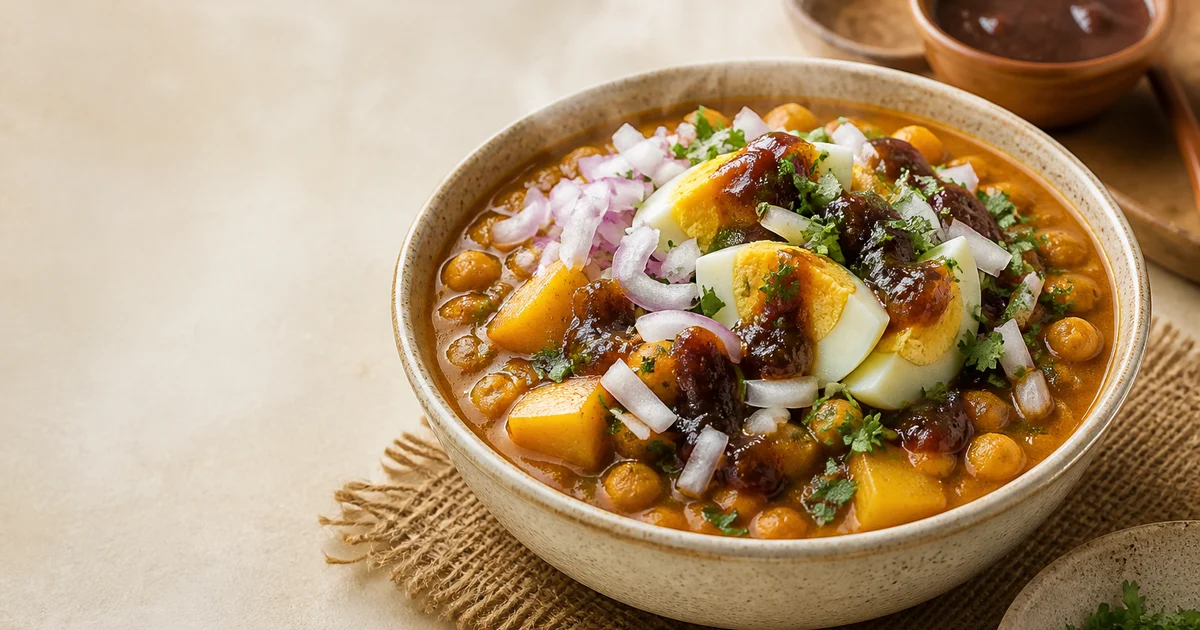
Commercial Chotpoti Recipe
A commercial chotpoti recipe for about 40 plates, covering dabli preparation, consistency control, topping setup, safe holding and portion accuracy.
- Yield:
- about 40 plates
- Total:
- 1 hr 45 min
- Difficulty:
- Medium
Run your restaurant on Rosuii
POS, menu, inventory, payroll and more — built for Bangladeshi restaurants.
Start free