
Restaurant Recipes
Commercial Jhalmuri Recipe
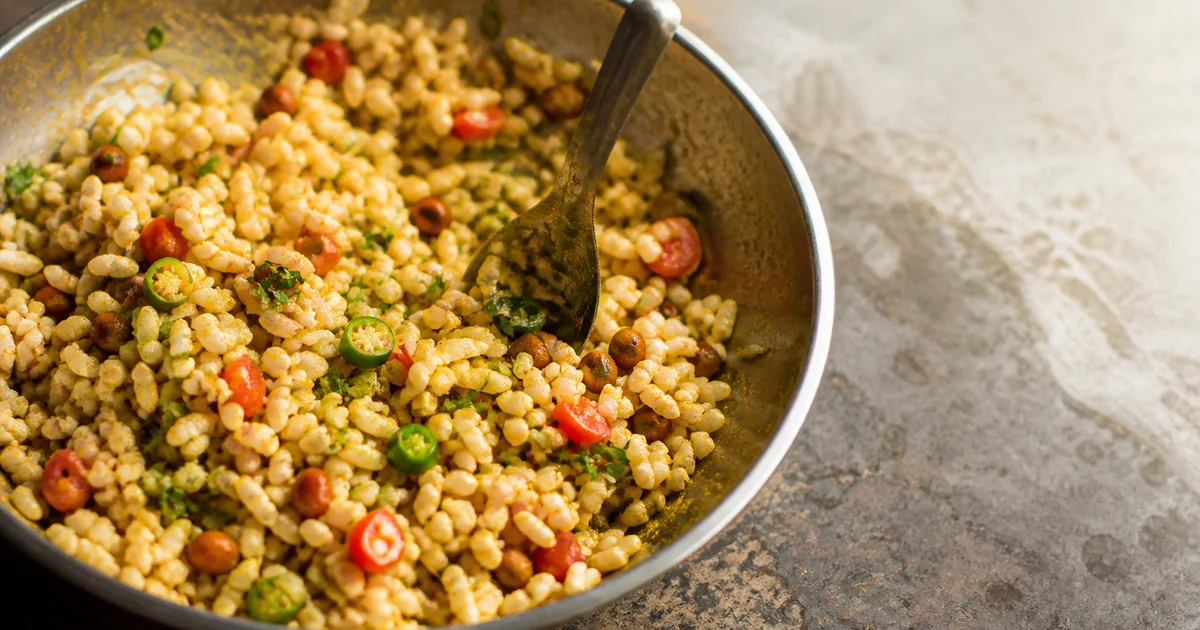
A commercial jhalmuri recipe for about 40 plates, built around crisp muri, a balanced mustard-oil masala and fast per-order cart assembly.
- Prep
- 30 min
- Cook
- 45 min
- Total
- 1 hr 15 min
- Yield
- about 40 plates
- Difficulty
- Medium
- Cuisine
- Bangladeshi
Method
- 1
Pressure-cook the chola
Drain the soaked kala chola, cover with fresh water and cook under pressure at approximately 115 to 120°C for 15 to 18 minutes. Allow a 10-minute natural pressure release before draining. The chola should be tender through the centre but still hold its shape.
- 2
Boil and cool potatoes
Cover the whole potatoes with water and simmer at 95 to 98°C for 25 to 30 minutes. Stop when a thin skewer enters with slight resistance and the skins have not split widely. Drain, cool quickly in shallow trays, then peel and cut into 12 mm cubes.
- 3
Drain cooked components
Spread the drained chola and cubed potato in separate shallow pans for 10 to 15 minutes so surface moisture can escape. Chill them to 5°C or below if they are not being used immediately. No visible water should collect at the bottom of either pan.
- 4
Mix mustard-oil masala
At a clean station around 20 to 30°C, whisk the mustard oil with cumin, chilli powder, black salt and fine salt for 2 minutes. Rest the mixture for 10 minutes, then whisk again until the colour looks even. Keep it covered and stir regularly because the spices settle.
- 5
Prepare the wet station
Chop the onion, deseeded cucumber, green chilli and dry coriander close to service time. Transfer each item to a separate covered pan and hold at 5°C or below. Keep the strained lemon juice chilled and use it within the same service day.
- 6
Protect the crisp station
Check the muri, peanuts and chanachur at room temperature before opening service. If the muri is slightly soft, spread it thinly and heat at 120°C for 5 to 8 minutes until crisp, then cool completely for 15 to 20 minutes. Store all three ingredients separately in airtight containers.
- 7
Mix each order quickly
For one plate, place the measured potato, chola and fresh vegetables in a dry bowl, then add the oil masala and lemon juice. Stir for about 10 seconds before adding the measured muri, peanuts and chanachur. Toss for another 15 to 20 seconds until evenly coated without crushing the grains.
- 8
Serve and verify yield
Transfer each portion to its serving plate or food-grade paper pack within 60 seconds of mixing. The finished portion should look loose and full, with no liquid at the bottom. Weigh the first three plates and then one plate every 10 orders to maintain a yield of about 40 portions.
Notes for your kitchen
This commercial jhalmuri recipe produces about 40 full snack plates without mixing the entire batch in advance. The batch is organised as separate dry, wet and mustard-oil stations so each order can be mixed and served while the muri is still crisp. Soaking time for the kala chola and advance chilling time are not included in the stated production time.
Why jhalmuri works commercially
Jhalmuri works for a cart or restaurant because an inexpensive dry base becomes a filling, high-volume snack through controlled additions. It needs little cooking equipment, can be assembled in under one minute and supports variations such as extra chanachur, extra peanuts, boiled egg or higher chilli. The margin depends on keeping the premium additions measured rather than filling every plate by eye.
The 40-plate batch is mise en place, not 40 plates mixed together. A cart can keep dry ingredients protected on the counter while chilled cooked items and vegetables remain in covered containers below 5°C. This arrangement gives speed without sacrificing texture.
Ingredient selection and quality
Muri, mustard oil and the condition of the fried ingredients determine most of the eating quality. Buy muri with large, fully puffed grains, a clean rice aroma and very little powder at the bottom of the sack. Small broken grains absorb moisture quickly and make the finished jhalmuri feel dense. Check every new sack before accepting it because humidity damage may not be visible through the packaging.
Use edible-grade pure mustard oil with a fresh, sharp smell rather than an old or flat aroma. Peanuts and chanachur must taste clean, with no bitter or paint-like sign of rancidity. Store both away from sunlight and fryer heat. Choose firm potatoes that hold a cube after boiling, and drain the cooked kala chola thoroughly so it does not carry water into the bowl.
Cucumber should be firm and deseeded because the watery centre quickly softens muri. Onions should be crisp, coriander should be dry after washing, and lemon juice should be strained to remove seeds. Salt already present in chanachur varies by supplier, so test the first mixed plate whenever a new brand or lot arrives.
The mustard-oil masala base
The mustard-oil masala must contain oil and dry seasoning only. Water, lemon juice, onion or coriander should never enter the base container because they cause separation, shorten its useful life and create an avoidable food-safety risk. Keep lemon juice at the wet station and add it only when an order is mixed.
Whisk the dry spices into the oil and allow ten minutes for hydration. The cumin and chilli will settle during service, so stir or shake the container every eight to ten orders. A narrow pouring bottle is fast, but a measured pump or small ladle gives tighter portion control. Always taste the base with the actual muri and chanachur rather than tasting the oil alone.
Production station for fast service
The fastest station has separate zones for crisp ingredients, chilled ingredients and final mixing. Keep muri in a lidded food-grade bin with a dedicated scoop. Hold peanuts and chanachur in smaller airtight containers so their stock is not repeatedly exposed to humid air. Do not leave open containers directly beside boiling tea, a sink or a steamy cooking line.
Use shallow covered pans for potato, chola, onion, cucumber, chilli and coriander. Prepare only enough onion, cucumber and herbs for the next service period, then refill from refrigeration. Keep the oil masala, lemon juice and clean measuring tools beside the mixing bowl. A second empty bowl allows one to be washed and dried without stopping service.
Mixing order and texture
Wet components must be seasoned before the muri enters the bowl. Briefly coat the potato, chola and fresh vegetables with measured oil masala and lemon juice. Add muri, peanuts and chanachur last, then toss quickly from the bottom until the colour looks even. This sequence distributes seasoning without forcing the puffed rice to sit in liquid.
Mix one order at a time during normal service. For a queue, no more than four to six portions should be tossed together, and they must be handed out immediately. Large-bowl mixing is usually false efficiency because the last plates become soft and the first plates receive more peanuts or potato.
Scaling the batch correctly
Scale every component by the same batch factor, but build the mustard-oil seasoning cautiously above a double batch. A half batch uses 0.5 times every listed quantity, while an 80-plate production uses 2 times. For chilli and both salts, initially mix about 90 percent of the calculated amount into the oil, test against the selected chanachur, and add the balance only if required.
Increasing the production batch does not justify increasing the per-mix bowl load. Keep each service mix small and replenish station containers from protected bulk stock. When preparing several days of dry stock, label each opened sack and container with the opening date and supplier lot. Good inventory management helps identify whether repeated softness or rancidity is connected to a particular delivery.
Holding and reheating for service
Finished jhalmuri should be served within two minutes and should never be held for later sale. After about five minutes, lemon, cucumber and onion moisture begin changing the texture even if the plate still looks acceptable. There is no useful reheating method for assembled jhalmuri.
Hold cooked potato and chola at 5°C or below and use them within 24 hours for best quality. Keep cut vegetables and herbs refrigerated, refill in small amounts and discard service-counter leftovers at closing. If muri loses slight crispness, spread it in a shallow layer and dry it at 120°C for 5 to 8 minutes. Cool it completely to room temperature before returning it to an airtight bin, because packing warm muri traps steam.
Portioning and yield control
A standard plate from this batch should contain about 165 to 175 grams of finished jhalmuri. A practical target is 60 grams of muri, about 25 grams of cooked potato, 15 to 17 grams of cooked chola, 10 grams of peanuts, 12 to 13 grams of chanachur, about 30 grams of prepared vegetables and measured seasoning. Natural draining and trimming differences explain the small yield range.
Calibrate scoops by weighing ten portions from each tool, not only one. Replace or remark any scoop that repeatedly runs heavy. Follow a written portion control system for standard plates and treat egg, extra peanuts and extra chanachur as defined add-ons rather than informal handfuls.
Mistakes that cost money
The most expensive jhalmuri mistakes are wet bulk mixing, unmeasured premium ingredients and poor dry storage. Pre-mixing creates unsellable leftovers, while oversized peanut and chanachur portions quietly remove margin from every order. An open muri sack can lose an entire day's quality during humid or rainy weather.
- Overcooked potato: Broken cubes coat the muri with starch and make portions look heavy but eat poorly.
- Wet chola: Incomplete draining transfers cooking liquid directly into the dry mix.
- Unseeded cucumber: The watery centre reduces crisp holding time.
- Unstirred oil base: Early customers receive mostly oil while later customers receive excessive spice and salt.
- Free-poured add-ons: Peanuts, chanachur and mustard oil are easy to overuse and materially affect food cost.
- Mixing in a damp bowl: Even rinse water left after washing can soften several orders.
Keeping the margin stable
Stable jhalmuri margin comes from fixed scoops, supplier checks and separate costing for variations. Muri supplies most of the visible volume, but chanachur, peanuts, mustard oil and seasonal lemon movement have greater influence on ingredient cost. Use a formal recipe costing sheet and review it whenever pack size, supplier or portion specification changes.
Record opening stock, prepared quantities, portions sold and discarded wet prep. Rosuii can record the oil masala or prepared station stock through productions, track suppliers and wastage, and compare item sales with profit-and-loss reporting. The most useful daily check is whether the number of standard portions sold matches the measured reduction in muri and premium toppings.
What drives the cost
Chanachur, peanuts and pure mustard oil dominate the variable ingredient cost, while muri provides most of the portion volume. Lemon prices and the supplier grade of fried ingredients can move the batch cost noticeably. Stable scoops and separate pricing for premium add-ons protect the margin.
Ingredient rates move with the market, so this describes what drives the cost rather than quoting a figure.
Questions from kitchens
Can this jhalmuri recipe be doubled for 80 plates?
How long can mixed jhalmuri be held?
Can soybean oil replace mustard oil?
How long will the prepared components keep?
Why does the batch produce fewer than 40 plates?
Related recipes
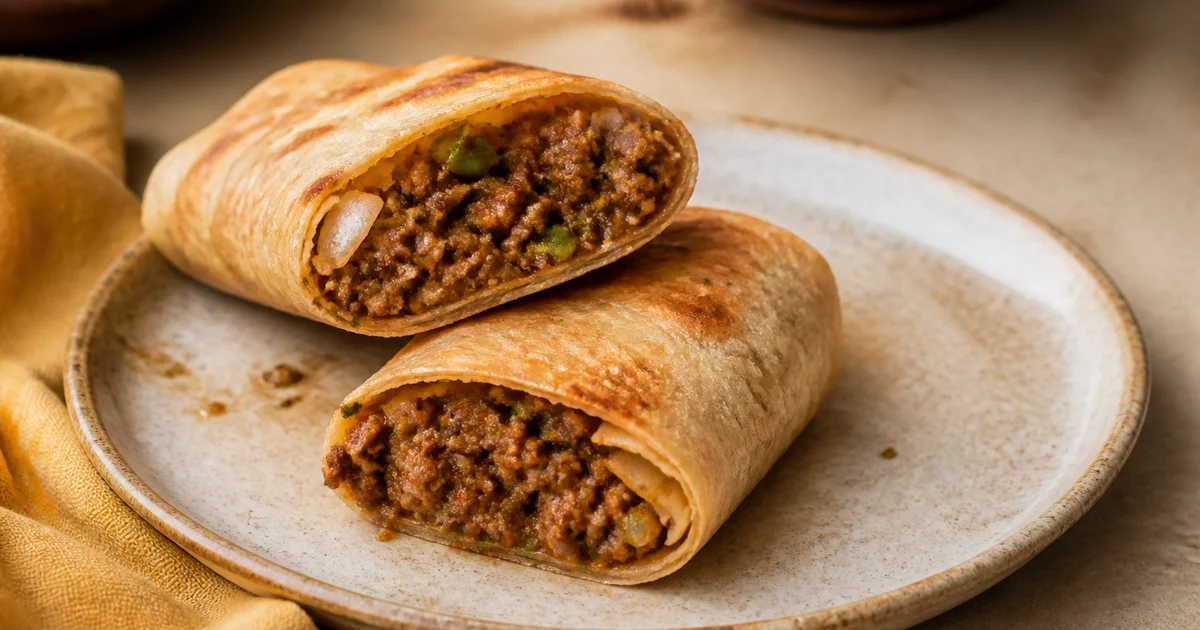
Commercial Bangladeshi Beef Roll Recipe
A commercial beef roll recipe producing 40 consistent rolls with tender cooked-down beef, crisp vegetables, controlled moisture and practical service guidance.
- Yield:
- 40 beef rolls
- Total:
- 1 hr 35 min
- Difficulty:
- Medium
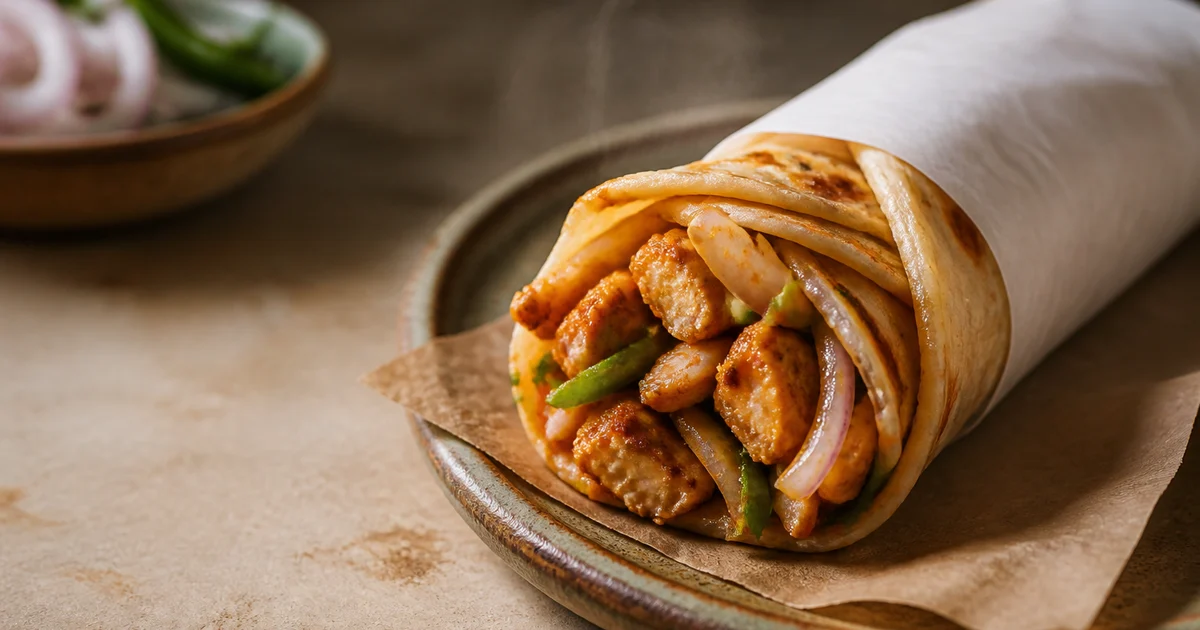
Commercial Bangladeshi Chicken Roll Recipe
A commercial chicken roll recipe producing 40 large rolls with flaky paratha, spiced chicken, egg, fresh vegetables and controlled portions.
- Yield:
- 40 large chicken rolls
- Total:
- 2 hr 30 min
- Difficulty:
- Medium
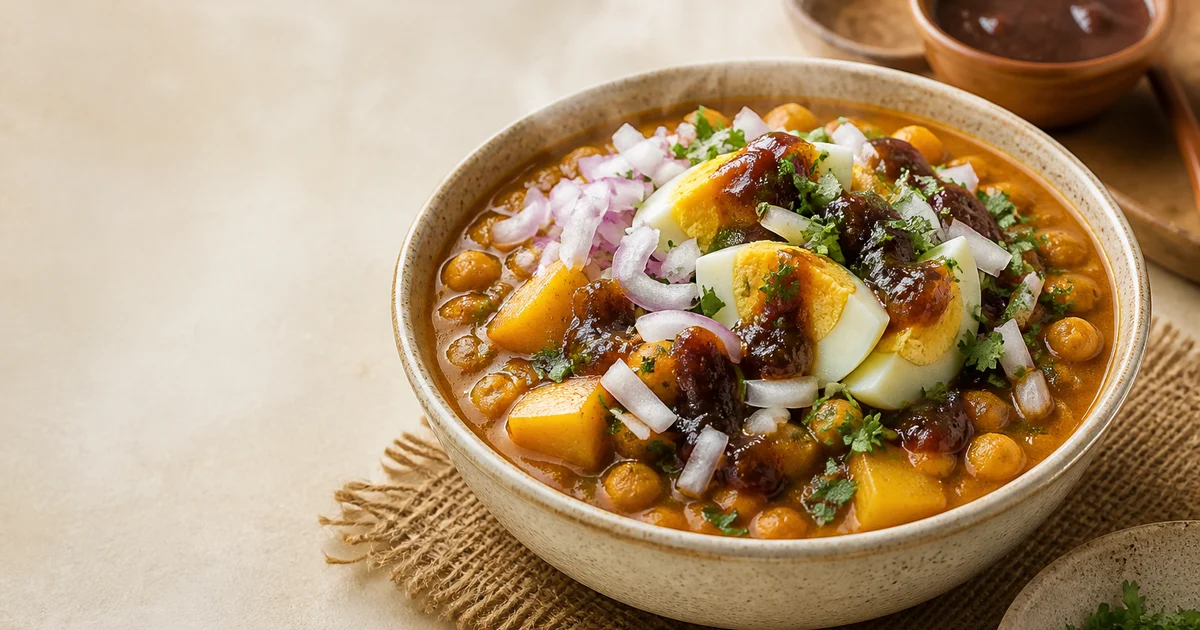
Commercial Chotpoti Recipe
A commercial chotpoti recipe for about 40 plates, covering dabli preparation, consistency control, topping setup, safe holding and portion accuracy.
- Yield:
- about 40 plates
- Total:
- 1 hr 45 min
- Difficulty:
- Medium
Run your restaurant on Rosuii
POS, menu, inventory, payroll and more — built for Bangladeshi restaurants.
Start free