
Restaurant Recipes
Commercial Bakery Cupcake Recipe
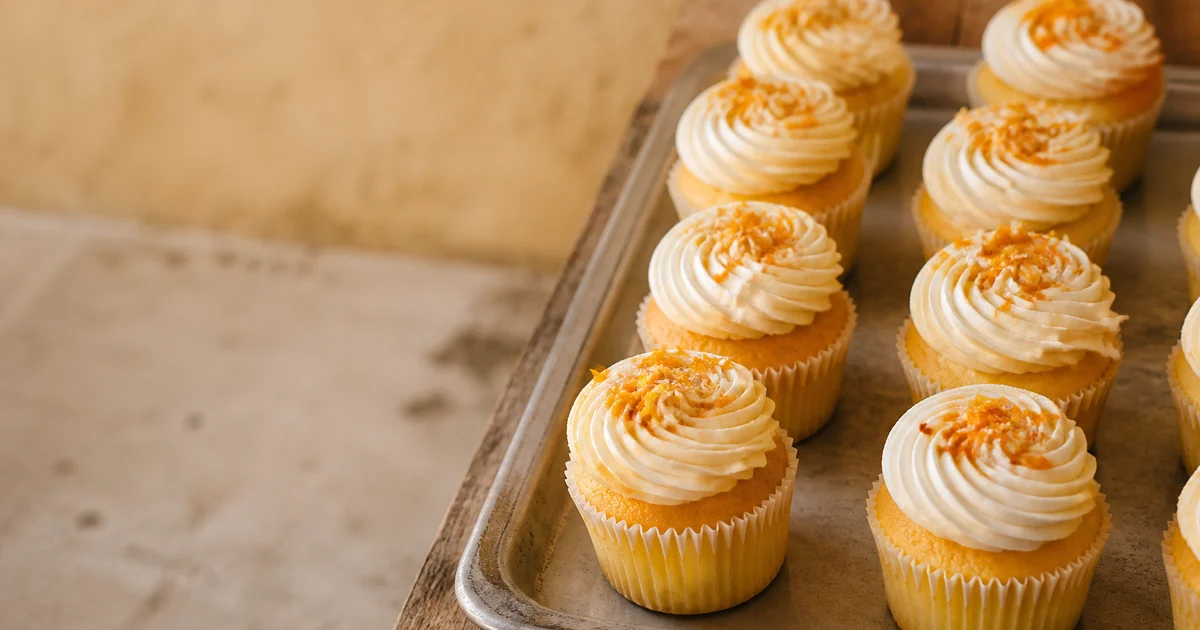
A commercial cupcake recipe for 48 vanilla cupcakes with controlled batter weight, stable frosting, batch scaling, display guidance and yield control.
- Prep
- 45 min
- Cook
- 22 min
- Total
- 2 hr 7 min
- Yield
- 48 standard cupcakes
- Difficulty
- Medium
- Cuisine
- Bakery
Method
- 1
Prepare oven and trays
Preheat a conventional oven to 170°C or a fan oven to 160°C for at least 20 minutes. Line four 12-cup standard trays and check that the trays sit flat without touching the oven walls.
- 2
Combine dry ingredients
Sift the flour, baking powder and 12 g salt together twice. Mix for 30 seconds with a dry whisk so the raising agent is distributed evenly, then keep the bowl covered.
- 3
Mix eggs and sugar
Place the eggs and caster sugar in the mixer bowl and beat with the paddle at medium speed for 3 to 4 minutes. Stop when the mixture is smooth, slightly pale and lightly thickened but not whipped to a full ribbon.
- 4
Emulsify the oil
Run the mixer at medium-low speed and pour in the soybean oil as a thin stream over 90 seconds. Scrape the bowl, then mix for another 30 seconds until no oily layer remains.
- 5
Add milk and vanilla
Combine 540 ml milk with 20 ml vanilla and add it at low speed over 30 seconds. The mixture should look fluid and evenly emulsified; stop and scrape the base if liquid collects underneath.
- 6
Finish the batter
Add the dry mixture in three portions at low speed, mixing for 20 to 30 seconds after each addition. Scrape once and mix for no more than 20 seconds, stopping when the batter falls in a thick ribbon with no visible flour.
- 7
Deposit equal portions
Place each lined tray on a digital scale and deposit 62 g of batter into every liner. Work immediately and keep the liner edges clean; each cup should be close to two-thirds full.
- 8
Bake until springy
Bake at 170°C conventional or 160°C fan for 18 to 22 minutes, rotating once after 14 minutes only if the oven browns unevenly. The tops should be lightly golden, spring back when touched and show no wet batter on a skewer.
- 9
Cool cakes completely
Rest the trays for 5 minutes, then transfer the cupcakes to cooling racks. Cool for at least 45 to 60 minutes until the centres reach room temperature before packing or frosting.
- 10
Prepare stable frosting
Beat the softened butter, bakery shortening and remaining 2 g salt at medium speed for 4 minutes until uniform. Add the icing sugar in four portions at low speed, then add the remaining vanilla and enough reserved milk to create firm, smooth peaks; mix at medium speed for 2 minutes.
- 11
Pipe and hold
Pipe approximately 36 g frosting onto each cupcake using a large star nozzle, weighing regular samples to control yield. Hold covered at 22 to 24°C for same-day display, or refrigerate at 2 to 5°C and temper in the closed container for 30 to 45 minutes before service.
Notes for your kitchen
This cupcake recipe produces 48 standard vanilla cupcakes with level tops, a soft crumb and a heat-resistant butter-shortening frosting. It is designed for bakery counters, cafes, restaurant dessert menus and food carts that need repeatable size rather than oversized home-style cakes. The oil-based batter stays softer after refrigeration than an all-butter sponge, while the mixed-fat frosting gives better flavour than shortening alone and better display stability than pure buttercream.
Why cupcakes work commercially
Cupcakes work well commercially because they can be produced in advance, counted easily and sold without cutting at service. Each unit has a clear portion, so staff do not need to estimate slices during a rush. The same base can also support controlled variations such as chocolate frosting, coloured frosting, sprinkles or a small centre filling without changing the cake production process.
For a cart or compact cafe, cupcakes need little service equipment. They can be packed individually, arranged in covered display trays or supplied in multi-piece boxes. Their main commercial weakness is exposure: uncovered cake dries quickly, and tall frosting can soften or collect dust in a hot display. Packaging and temperature control therefore matter as much as baking.
Ingredient selection and quality
Flour strength, fresh raising agent and consistent fat are the ingredients that most directly affect cupcake quality. Use plain flour rather than bread flour because high protein creates a firmer, more elastic crumb. Keep flour sealed away from humidity and strong kitchen smells. Replace baking powder if its opening date is unknown or if previous batches have risen slowly.
- Eggs: Weigh eggs without shells instead of counting them. Egg size varies between suppliers, and excess egg can make the cakes rubbery or cause the tops to shrink.
- Sugar: Fine white sugar dissolves more reliably than coarse crystals. Undissolved sugar can leave a spotted crust and inconsistent browning.
- Oil: Use neutral, fresh soybean oil with no stale smell. Strong mustard oil is unsuitable for this flavour profile.
- Milk: Full-cream liquid milk gives a fuller crumb and assists browning. Keep it chilled before production, but bring the measured amount close to room temperature before mixing.
- Vanilla: Flavour quality is noticeable in a plain cupcake. Use the same brand and measured dose for every batch because strength varies considerably.
- Frosting fat: Butter provides flavour, while bakery shortening improves piping definition in warm conditions. Use shortening intended for bakery applications rather than an unknown loose fat.
Managing batter consistency
Correct cupcake batter should fall from a spatula in a thick continuous ribbon and level slowly in the liner. Batter that stands like dough usually contains too much flour or has been left too long, while very fluid batter may have been mismeasured or split during mixing. Weighing is safer than using cups, especially when several staff members share production.
Keep the eggs and milk near 20 to 24°C so they combine with the oil instead of forming a cold, separated mixture. The egg and sugar stage only needs enough mixing to dissolve the sugar partly and create a light emulsion. It should not become a highly aerated ribbon sponge. Once the flour enters, use low speed and stop as soon as no dry pockets remain. Long mixing develops gluten, producing tunnels, pointed tops and a chewy crumb.
Scrape the bowl base and paddle between additions because unmixed oil or flour often collects there in planetary mixers. Deposit the batter immediately after final mixing. Baking powder starts reacting when it becomes wet, so a filled tray waiting beside the oven may rise less than the first tray.
Scaling the batch safely
Scale this cupcake recipe by ingredient weight, but avoid filling a mixer beyond its practical batter capacity. A half batch makes 24 cupcakes and can be calculated by multiplying every quantity by 0.5. A double batch makes 96, but it should be divided into two mixes unless the mixer can combine the batter quickly without leaving dry flour at the bottom.
For larger production, record the total finished batter weight after normal bowl loss and divide it by the target deposit weight. Do not adjust only the flour or liquid to correct yield. Every ingredient, including baking powder, salt and vanilla, must move by the same scaling factor. Flour absorption can vary slightly by supplier or storage humidity, so approve a small test bake before changing brands for a major order.
Even portioning and yield control
Each liner should receive 62 g of batter for a reliable yield of 48 standard cupcakes. Place the lined tray on a scale, tare it and deposit with a piping bag, measured scoop or batter dispenser. Check every fourth or fifth cup rather than trusting scoop volume throughout the batch. The liners should be approximately two-thirds full, with clean paper edges.
A difference of only 5 g per cup becomes 240 g across 48 units, enough to lose several saleable portions. Heavy cups may overflow and join together, while light cups look poor beside the rest of the display. Track expected and actual yield through disciplined portion control, and record cracked, dropped or overbaked pieces separately instead of hiding them inside normal usage.
Frosting at production volume
Commercial frosting should be smooth enough to pipe continuously but firm enough to hold ridges at the display temperature. Beat the fats until completely uniform before adding icing sugar. Add the sugar at low speed to prevent loss into the air, then mix only until smooth. Excessive high-speed whipping creates large air pockets that interrupt piping and make portions difficult to control.
Add the reserved milk gradually because a small excess can make the frosting slump. For a standard rosette, target 36 g per cooled cupcake and check the weight of finished samples during production. Fill piping bags only halfway so staff can maintain pressure without warming the frosting excessively. Keep spare frosting covered, and return soft bags to a cool area before refilling.
Holding, display and reheating
Frosted cupcakes are best sold on the production day and should not be reheated for service. Heat melts the frosting and accelerates moisture loss from the crumb. If refrigerated, hold them covered at 2 to 5°C and bring only the next service quantity out 30 to 45 minutes before sale. Condensation forms when cold cakes are exposed to humid air, so keep the container closed while they begin warming.
In an air-conditioned display near 22 to 24°C, covered cupcakes can hold for one service day. At hotter cart temperatures, display smaller quantities and replenish from cool storage. Keep them away from sunlight, fryer heat and steam. For best eating quality, sell within 24 hours; properly covered refrigerated stock may be retained for up to 3 days, but the crumb becomes firmer and the display value declines.
Unfrosted cupcakes can be frozen after complete cooling, packed airtight and held at -18°C for up to 30 days for quality control. Thaw them inside the closed packaging before frosting. Never pack warm cakes because trapped steam makes the liners peel and creates a moist surface vulnerable to spoilage.
Common mistakes that cost money
The most expensive cupcake mistakes are inaccurate deposits, overmixing, hot-cake frosting and uncovered display. These faults reduce both yield and saleable appearance even when the ingredients are technically edible.
- Uneven oven loading: Crowded trays restrict airflow and produce pale centres or dark outside rows. Leave space around trays and follow the oven's tested capacity.
- Opening the door early: Disturbing the cakes before the structure sets can collapse the centres. Check through the glass until at least 16 minutes have passed.
- Frosting warm cakes: Even slight internal warmth softens the fat and causes sliding. Cool on racks until the centres are at room temperature.
- Making all frosting too soft: Correct a small test portion first. Adding extra sugar to an entire batch changes sweetness and increases unplanned usage.
- Keeping damaged units with good stock: Separate and record overbaked, crushed or contaminated cupcakes immediately. This makes reducing wastage measurable.
Keeping food cost stable
Stable cupcake cost depends on fixed deposit weights, controlled decoration and purchasing the same ingredient specifications. Butter, eggs, icing sugar and liners can move in cost or usage, while elaborate toppings add labour and make portions harder to control. Create a separate specification for every frosting colour, filling or decoration rather than treating every variation as identical.
Use a batch sheet to compare ingredients issued, actual cupcakes produced, rejected units and closing stock. Review the recipe whenever butter pack size, egg grade or flour supplier changes. A proper recipe costing record should include normal bowl and piping-bag loss, but it should not treat preventable overportioning as an acceptable standard.
What drives the cost
Butter, eggs and icing sugar dominate the ingredient cost, while liners and decorations become significant when portions are not controlled. Cost moves with dairy and egg market rates, frosting weight, imported flavouring quality and the number of rejected or unsold cupcakes. Mixed butter and bakery shortening can improve display stability without relying entirely on the more expensive fat.
Ingredient rates move with the market, so this describes what drives the cost rather than quoting a figure.
Questions from kitchens
Can this cupcake recipe be doubled for 96 cupcakes?
How long can frosted cupcakes stay on a food cart display?
Can butter replace all the bakery shortening?
Why did the batch produce fewer than 48 cupcakes?
What is the practical shelf life of these cupcakes?
Related recipes
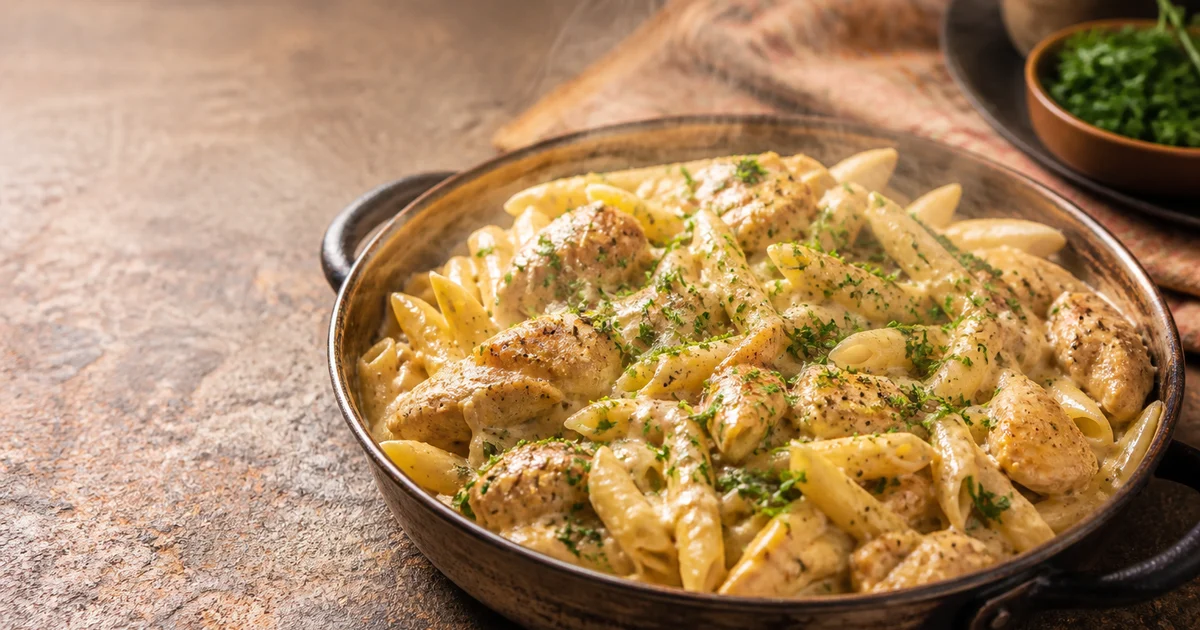
Creamy Chicken Pasta
A commercial chicken pasta recipe for 40 plates, built around par-cooked pasta, bulk creamy sauce and fast per-order finishing during service.
- Yield:
- about 40 plates
- Total:
- 1 hr 35 min
- Difficulty:
- Medium
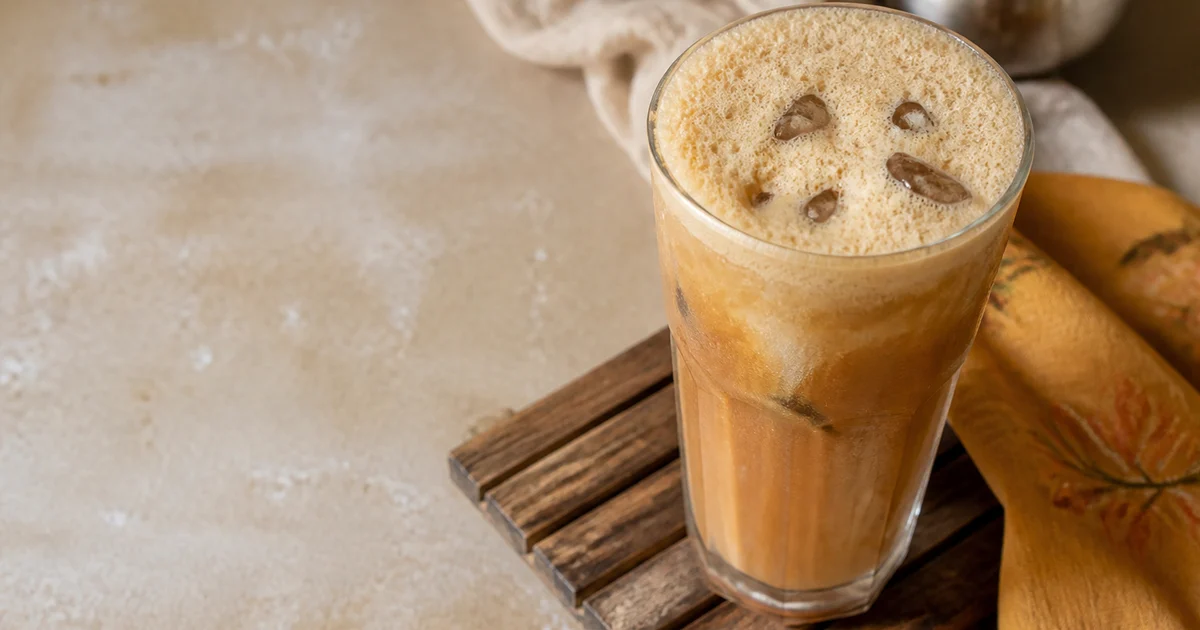
Commercial Cold Coffee Recipe
A commercial cold coffee recipe for 40 servings, using a make-ahead coffee base, measured ice and controlled blending for consistent froth and yield.
- Yield:
- about 40 x 320 ml servings
- Total:
- 1 hr 45 min
- Difficulty:
- Easy
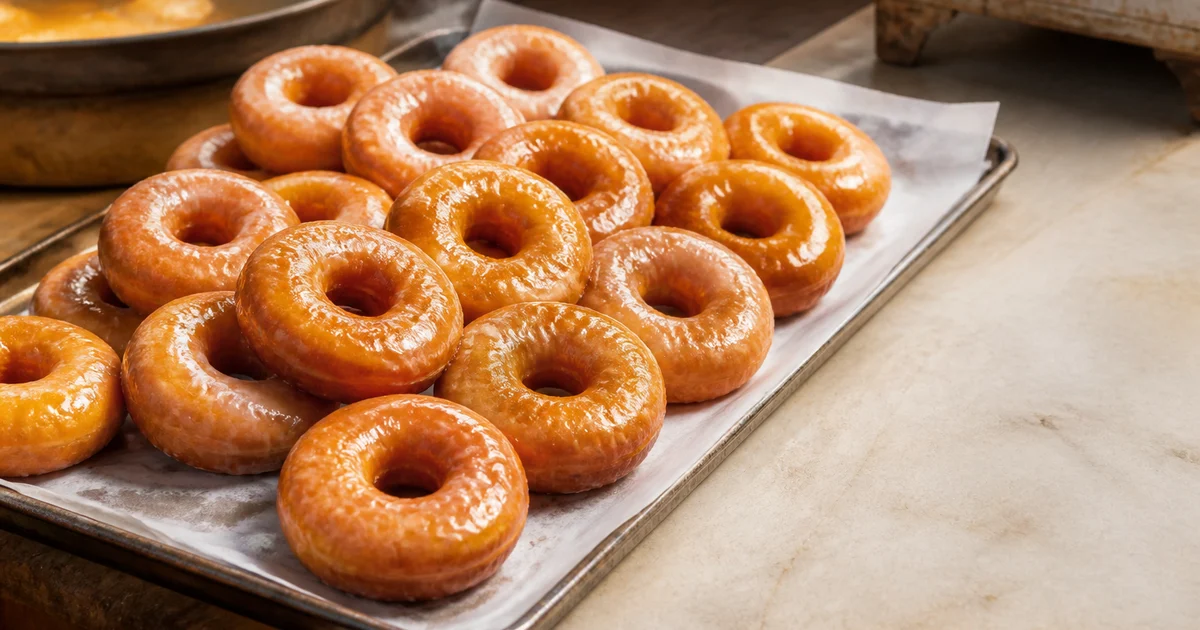
Commercial Bakery Donut Recipe
A commercial donut recipe yielding 48 glazed rings, with controlled dough temperature, proofing, frying, glazing, portioning and same-day holding.
- Yield:
- about 48 donuts
- Total:
- 3 hr 10 min
- Difficulty:
- Medium
Run your restaurant on Rosuii
POS, menu, inventory, payroll and more — built for Bangladeshi restaurants.
Start free