
Restaurant Recipes
Commercial Sweet Lassi Recipe
A commercial 10-litre sweet lassi recipe with reliable blending, cold holding, salty variation and portion control for restaurants and food carts.

- Prep
- 25 min
- Cook
- 10 min
- Total
- 1 hr 30 min
- Yield
- about 40 cups of 250 ml
- Difficulty
- Easy
- Cuisine
- Bangladeshi
Method
- 1
Inspect the yoghurt
Check that the yoghurt is at 5°C or below and has a fresh cultured aroma. Reject it if there is mould, gas, bitterness, a yeasty smell or severe watery separation; a thin clear whey layer is acceptable.
- 2
Cook the sugar syrup
Combine 1.2 litres water, sugar, cardamom and salt in a clean saucepan. Heat to 85°C, stirring until clear, then maintain a gentle simmer for 3 minutes without allowing the syrup to caramelize.
- 3
Strain and cool syrup
Pass the syrup through a fine-mesh strainer into a sanitized shallow container. Cool it in an ice bath to 5°C or below within 60 minutes, stirring occasionally with a sanitized spoon.
- 4
Prepare blending equipment
Wash, rinse and sanitize the blender, paddle, measuring jug and batch container before use. Allow sanitizer contact time according to its label, drain properly and keep the equipment cold where possible.
- 5
Loosen the cold yoghurt
Blend the yoghurt in equal sub-batches on low speed for 45 to 60 seconds each. Stop when it is smooth with no visible curd lumps, but before a thick foam cap develops.
- 6
Blend measured sub-batches
Add proportional amounts of cooled syrup, milk and rose water to each blender load. Blend on low to medium speed for 30 to 45 seconds, keeping the mixture at 5°C or below and each jar no more than two-thirds full.
- 7
Combine and adjust volume
Transfer all sub-batches into the sanitized container and mix gently for 1 minute. Add only enough chilled potable water to reach exactly 10 litres; the finished lassi should pour in a steady creamy ribbon without watery separation.
- 8
Check the finished batch
Taste a sample while it is at 5°C or below and confirm sweetness, acidity and cardamom strength. If adjustment is necessary, dissolve any extra sugar before adding it and record the change rather than correcting cups individually.
- 9
Hold and portion cold
Cover, label and refrigerate the lassi at 5°C or below for at least 20 minutes before service. Stir gently every 30 to 45 minutes and dispense 250 ml per cup, keeping the main container covered between pours.
Notes for your kitchen
This commercial lassi recipe produces 10 litres, enough for 40 controlled servings of 250 ml each. It is designed for Bangladeshi restaurants, cafes and food carts that need a repeatable drink rather than a small household batch. The recipe uses a cooled sugar syrup because dry sugar dissolves inconsistently in cold yoghurt and often settles at the bottom of a large container.
Why lassi works commercially
Lassi is practical for beverage service because one measured batch can be prepared before the rush and poured in seconds. It requires little cooking, uses familiar ingredients and can support sweet and salty menu variations. A sealed cup also travels well for takeaway when kept upright and cold.
The main operational advantage is speed, but only when the batch is standardized. Making every cup separately increases blender use, queue time, noise and variation in sweetness. A finished 10-litre batch gives the kitchen one flavour target and lets the cashier sell fixed cup sizes without waiting for individual blending.
Lassi is not a way to hide old yoghurt. Sour or yeasty yoghurt produces a harsh drink that needs extra sugar, increasing both cost and inconsistency. Fresh yoghurt with a clean dairy aroma gives better flavour, smoother texture and a longer useful service window.
Yoghurt quality matters most
Fresh, full-fat, plain yoghurt is the ingredient that determines whether the lassi tastes rich or thin. Choose yoghurt with a mild cultured aroma, clean acidity and no gas bubbles, bitterness, mould or fermented yeast smell. It should arrive and remain at 5°C or below.
A small amount of clear whey on top is normal and can be mixed back in. Heavy whey separation, graininess or a curd that has collapsed into liquid may indicate poor storage or excessive age. Test every new supplier by blending a one-litre trial because two yoghurts with the same labelled weight can give noticeably different thickness.
Full-fat milk softens acidity and improves body without making the drink as heavy as an all-yoghurt formula. Potable water must have no chlorine, iron or storage-tank odour because these faults remain obvious in a cold drink. Fresh green এলাচ should smell strongly aromatic when crushed, while rose water should be food-grade and used lightly. Excess rose water quickly gives the batch a perfumed, medicinal finish.
Control sweetness with syrup
A fully dissolved and completely chilled syrup gives more consistent sweetness than adding granulated sugar directly to yoghurt. Heating also extracts cardamom aroma, while straining removes husk fragments that can block cup lids or feel unpleasant through a straw. Do not pour warm syrup into cold yoghurt because it raises the batch temperature and may create small curds.
The final water addition is deliberately adjustable. Yoghurt thickness, sugar dissolution and milk density can move the actual volume, so the operator must bring the finished drink to the marked 10-litre line rather than adding an assumed amount of water. This keeps both flavour and saleable yield stable.
Blending at volume
Large lassi batches should be blended only until smooth, not whipped until foamy. High-speed blending traps air, makes the drink look thicker temporarily and then leaves an inaccurate volume after the foam collapses. It can also warm the dairy and cause excessive thinning.
Never fill a countertop blender jar beyond two-thirds capacity. Process several measured sub-batches using the same yoghurt-to-syrup ratio, transfer them into one sanitized vessel and mix the complete batch gently with a paddle. With an immersion blender, keep the head below the liquid surface and move it slowly for one to two minutes until no white yoghurt lumps remain.
How to scale the batch
Scale this lassi by final litres, not by guessing how many tubs or jugs are needed. For each litre of finished sweet lassi, use 700 g yoghurt, 120 g sugar, 100 ml milk, 0.8 g cardamom, 1.2 g fine salt and 4 ml rose water. Divide these figures for a smaller batch or multiply them for a larger batch, then adjust with chilled potable water to the exact final volume.
A 20-litre batch should not be forced into equipment intended for 10 litres. Blend in equal sub-batches and combine them before the quality check. Weigh small seasonings with a digital scale because spoon measures become unreliable when multiplied. Taste a chilled sample before service, since sweetness is perceived differently at room temperature.
Making a salty version
Salty lassi must be made as a separate batch rather than by trying to correct finished sweet lassi. Omit the sugar syrup and rose water, retain the same yoghurt ratio, and adjust with chilled water to the planned final volume. For each litre, begin with 3.5 g roasted জিরা powder, 5.5 g বিট লবণ and 2.5 g fine salt; optional strained mint paste can be tested at up to 10 g per litre.
Salt strength varies between brands, especially বিট লবণ, so approve a one-litre trial before scaling. Ground cumin settles during holding, which means salty lassi needs gentle stirring before each service period. List sweet and salty as separate menu variations so staff do not rely on verbal instructions.
Cold holding and reheating
Finished lassi must be held at 5°C or below and must never be reheated for service. Transfer it immediately into covered, food-grade containers labelled with product name, production time and discard time. Keep the main batch in a refrigerator or refrigerated dispenser rather than in an open bucket surrounded by melting ice.
Use the batch on the production day for the best texture and set a strict maximum refrigerated life of 24 hours unless your own validated food-safety system requires a shorter limit. Do not mix yesterday's remainder into a fresh batch. If the lassi has been above 5°C for less than two cumulative hours, return it to refrigeration; between two and four hours, use it immediately; after four hours, discard it.
Stir gently every 30 to 45 minutes because some whey separation is natural. Do not repeatedly reblend the entire batch, as this adds air and warms the drink. For a non-refrigerated cart, carry small sealed service containers in an ice box with enough ice packs and verify the product temperature using a probe thermometer.
Portioning and yield control
An exact 10-litre batch gives 40 portions only when every serving is held to 250 ml. Mark the serving jug, use a fixed-volume ladle or select cups with a verified fill line. Do not use the cup rim as the target because lid space, foam and different staff pouring styles create over-serving.
Measure the first three cups of each shift and check them again when staff change. A 10 ml over-pour across 40 sales removes 400 ml, more than one full planned serving. Garnishes such as malai, chopped বাদাম or saffron should be separate paid add-ons with their own measured portions rather than being taken freely from the kitchen.
Record expected and actual cup yield as part of portion control. If the batch repeatedly produces fewer cups, check over-pouring, foam, spillage and unrecorded staff drinks before changing the formulation.
Mistakes that cost money
The most expensive lassi mistakes are poor yoghurt purchasing, uncontrolled dilution and broken cold holding. Buying yoghurt only by the lowest quoted rate can lead to thin batches that need extra dairy, while sour yoghurt encourages staff to add unmeasured sugar. Both problems hide the true batch cost.
- Adding ice to the batch: melting ice dilutes sweetness and makes later portions weaker than early ones.
- Using warm syrup: it raises the dairy temperature, encourages curdling and increases cooling time.
- Overblending: excess foam creates false volume and inconsistent cup yield.
- Topping up old stock: mixing fresh lassi into a partly used container loses traceability and can contaminate the new batch.
- Free-pouring milk or water: unmeasured adjustment changes flavour, thickness and the number of saleable cups.
- Preparing too far ahead: unnecessary overnight holding increases separation and the chance of disposal.
Keeping cost stable
Stable lassi cost comes from controlling yoghurt specification, final batch volume and cup size together. Maintain an approved supplier list and record tub weight, texture, acidity and usable condition at receiving. Apply first-expire, first-out rotation so older acceptable yoghurt is used before newer stock without crossing the discard date.
Build a batch sheet through recipe costing and compare expected yield with actual sales and wastage. Rosuii's productions feature can record raw materials converted into the finished lassi batch, while wastage records can show spills or discarded cold stock. Review these records when your food cost percentage changes instead of quietly reducing cup size or diluting the recipe.
What drives the cost
Full-fat yoghurt is the main cost driver, followed by milk and sugar. Cost moves with yoghurt quality, dairy supplier rates, seasonal milk availability and losses caused by over-pouring or broken cold holding.
Ingredient rates move with the market, so this describes what drives the cost rather than quoting a figure.
Questions from kitchens
Can I double this lassi recipe to make 20 litres?
How long can commercial lassi be held for service?
Can powdered milk replace full-fat liquid milk?
Why does the lassi become thin after blending?
What should I do if the batch yields fewer than 40 cups?
Related recipes
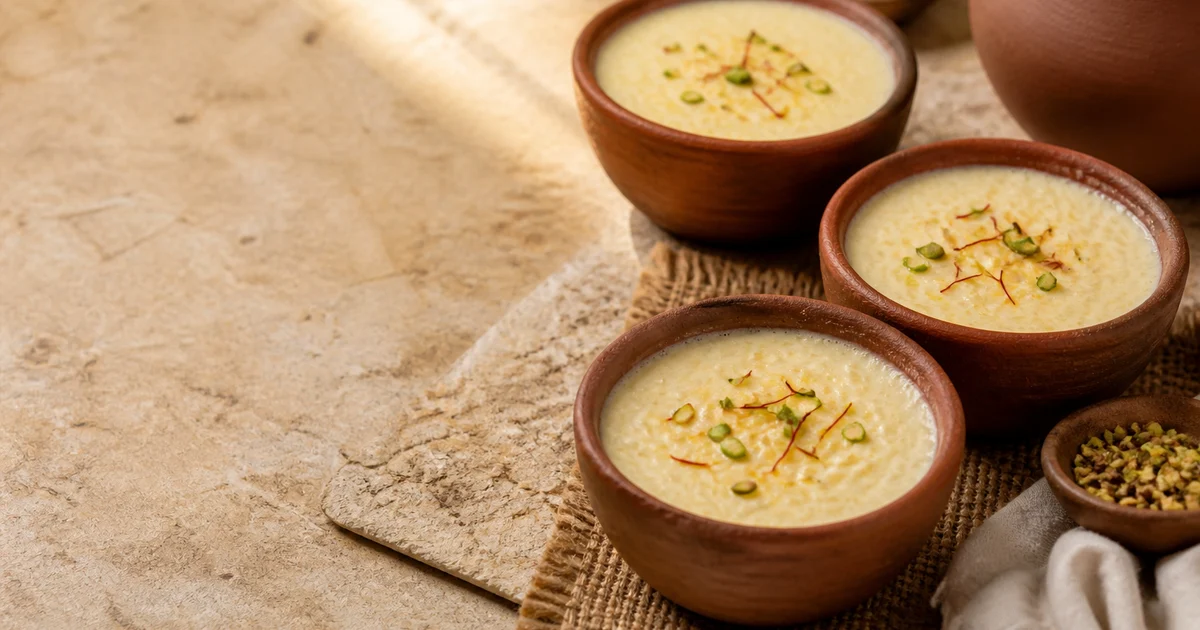
Commercial Firni Recipe
A commercial firni recipe yielding 40 clay bowls, with controlled milk reduction, fine ground-rice texture, safe chilling and accurate portioning.
- Yield:
- about 40 clay bowls (170 g each)
- Total:
- 1 hr 15 min
- Difficulty:
- Medium
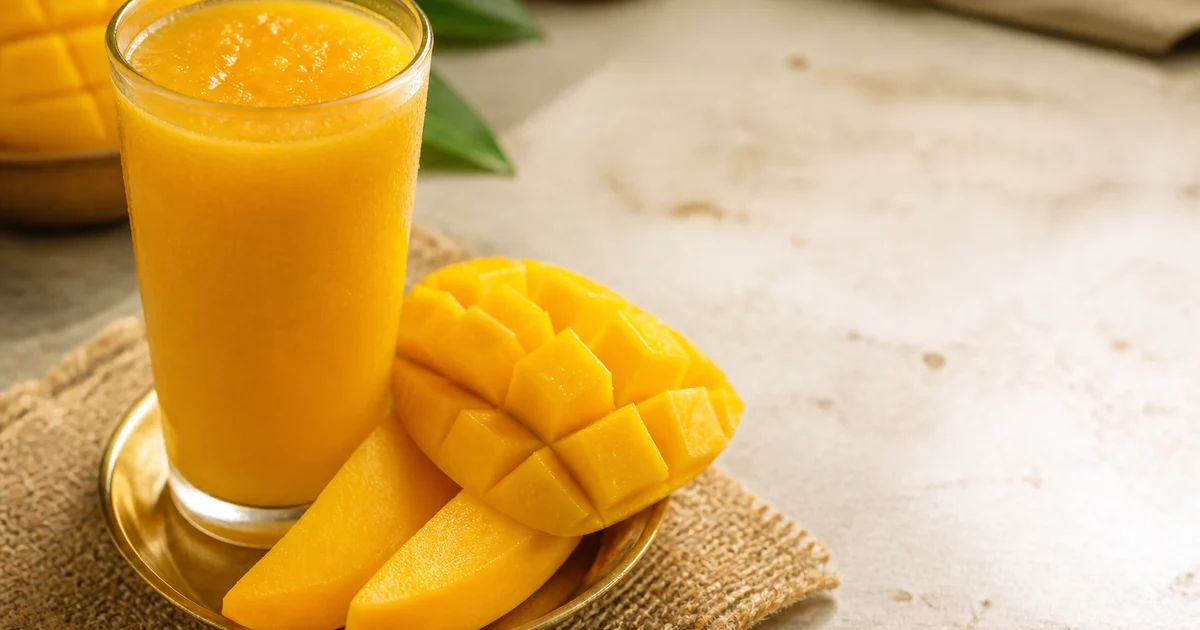
Fresh Mango Juice
A 10-litre commercial mango juice recipe with practical controls for mango variety, pulp yield, sweetness, freezing, cold holding and portions.
- Yield:
- about 10 litres or 40 cups
- Total:
- 50 min
- Difficulty:
- Easy
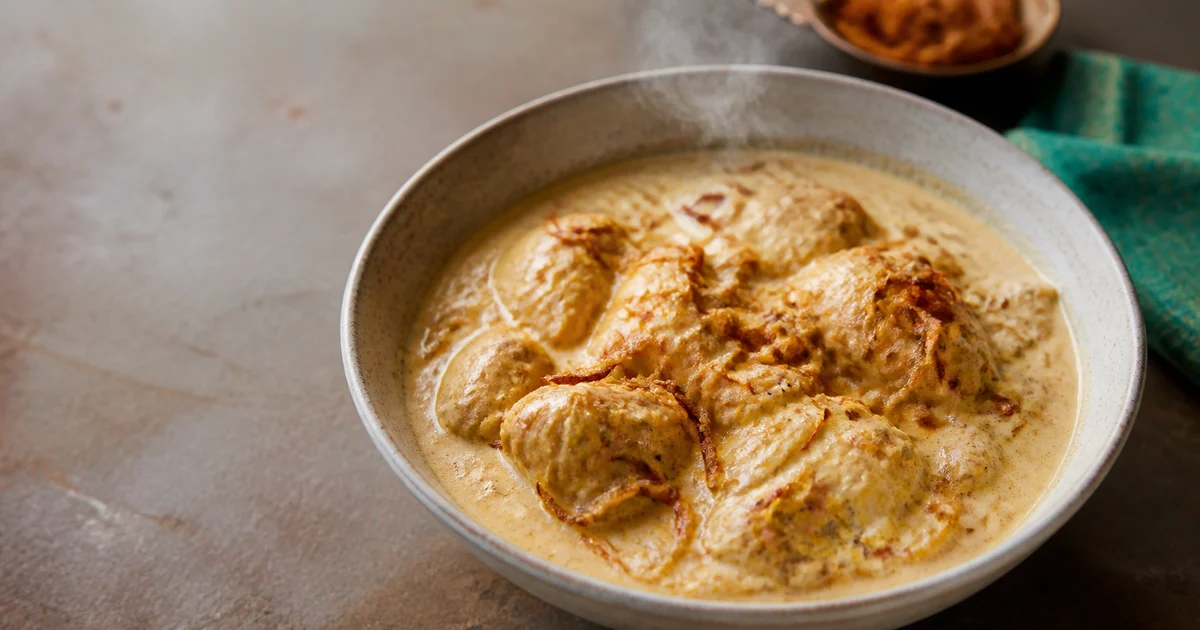
Commercial Murgir Korma Recipe
A commercial Bangladeshi chicken korma recipe for 40 plates, with pale yoghurt gravy, controlled portions and service-safe holding guidance.
- Yield:
- about 40 plates
- Total:
- 2 hr
- Difficulty:
- Medium
Run your restaurant on Rosuii
POS, menu, inventory, payroll and more — built for Bangladeshi restaurants.
Start free