
Restaurant Recipes
Fresh Mango Juice
A 10-litre commercial mango juice recipe with practical controls for mango variety, pulp yield, sweetness, freezing, cold holding and portions.
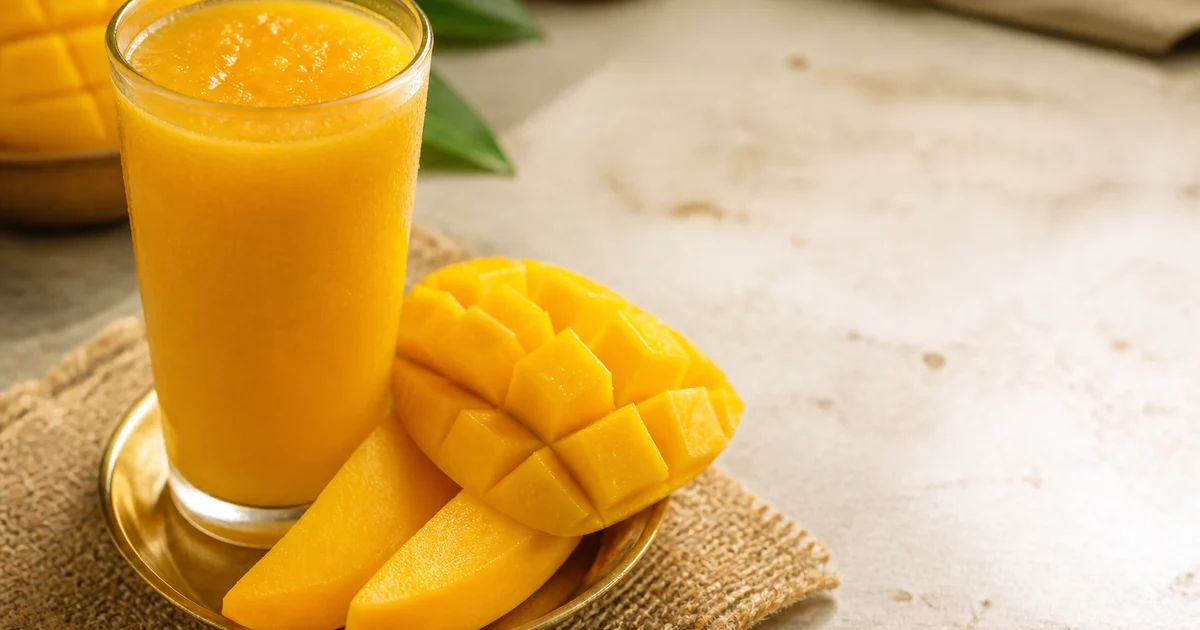
- Prep
- 45 min
- Cook
- 5 min
- Total
- 50 min
- Yield
- about 10 litres or 40 cups
- Difficulty
- Easy
- Cuisine
- Bangladeshi
Method
- 1
Inspect and wash mangoes
Reject fermented, mouldy or leaking fruit before it reaches the preparation table. Wash the mangoes thoroughly with potable water for 2 to 3 minutes, then drain until the skins are visibly free of surface water.
- 2
Peel and weigh pulp
Peel the mangoes, remove the seeds and trim bruised or sour flesh within 30 minutes of cutting the first fruit. Weigh exactly 5 kg of clean pulp; it should be aromatic, uniformly ripe and free from green tissue around the seed.
- 3
Cook the sugar syrup
Combine the sugar and 600 ml water in a stainless-steel pot. Heat to 85 to 90°C for about 3 minutes, stirring until the liquid is completely clear and no sugar crystals remain.
- 4
Cool syrup rapidly
Transfer the syrup to a clean covered container and cool it below 10°C within 30 minutes using an ice bath or blast chiller. Do not add hot syrup to mango pulp because heat dulls the fresh aroma and raises the batch holding temperature.
- 5
Blend pulp in loads
Blend the pulp in 2 to 3 kg loads with portions of the cold syrup, lemon juice and optional ascorbic acid. Run each load for 30 to 60 seconds, stopping when smooth and bright without a thick cap of pale foam.
- 6
Standardise final batch
Combine all blended loads in the graduated container, then add the salt and 3 L of chilled water. Stir for 2 minutes and add reserved water gradually until the level reaches exactly 10 litres; the juice should pour steadily while retaining a light pulp body.
- 7
Check sweetness and flavour
Check the batch at 5°C or colder because warm juice tastes sweeter and less refreshing. Aim for approximately 13 to 15° Brix, or compare against the kitchen's approved reference, and correct only in small measured additions.
- 8
Strain only when needed
Pass fibrous varieties through a fine-mesh sieve using gentle pressure for 2 to 4 minutes. Stop when only coarse fibre remains; forcing all solids through can make the juice gritty and create unnecessary foam.
- 9
Chill before service
Cover and chill the finished juice to 0 to 4°C before filling the service dispenser. Stir after 10 minutes to check for even body, then keep refrigerated and never mix a fresh batch into leftover juice.
- 10
Dispense measured portions
Pour 250 ml per standard serving, or use the separately approved iced-cup specification. Stir the dispenser every 20 to 30 minutes and check that each cup shows the same colour, pulp level and fill line.
Notes for your kitchen
Why this mango juice recipe works commercially
This mango juice recipe produces about 10 litres, enough for 40 portions of 250 ml each. It suits restaurants, cafes and food carts because the pulp can be prepared during mango season, frozen in measured packs and blended into a consistent drink throughout service. The recipe uses final volume, pulp weight and measured sweetness rather than relying on the number of mangoes.
Fresh mango juice has a short preparation time, requires no cooking apart from syrup and can be sold in a standard cup or as a variation with ice. It also makes productive use of ripe fruit that is visually unsuitable for display but still sound, aromatic and free from fermentation, mould or damaged flesh.
Selecting mangoes for juice
The quality of the juice depends more on ripe, aromatic mango pulp than on extra sugar or flavouring. Himsagar or Khirsapat gives a rich aroma, smooth body and deep colour. Langra has strong flavour but may be slightly more fibrous, while Haribhanga and Amrapali can provide good colour and sweetness when fully ripe. Fazli is useful for volume and pulp yield, although fibrous batches may need straining.
Bangladesh's main mango season generally runs from May into August, with exact timing changing by variety and growing area. Buy by maturity and usable yield, not only by the lowest price per kilogram. Good fruit should smell fragrant near the stem, yield slightly under pressure and have yellow to orange flesh without sour, alcoholic or rotten notes.
For consistency, avoid mixing unripe and overripe fruit in the same pulp batch. Green patches around the seed create a raw flavour, while fermented fruit can spoil the entire production. Eight kilograms of whole mango should provide roughly 5 kilograms of pulp, but seed size, peel thickness, variety and trimming losses can move the yield considerably. Always weigh the usable pulp.
Controlling sweetness and texture
Commercial consistency comes from standardising usable pulp, final volume and sweetness in every batch. Blend the mango until smooth, but do not run a high-speed blender longer than necessary. Excess blending traps air, lightens the colour and creates foam that makes measured portions inaccurate.
A refractometer is helpful when mango sweetness changes between suppliers or weeks. A practical finished target is approximately 13 to 15° Brix, depending on the intended customer and amount of serving ice. If no refractometer is available, keep a signed-off reference sample at 0 to 4°C for comparison during the same service day and use one trained person to approve each batch.
Lemon juice sharpens the flavour and slows visible browning, but it does not make unsafe juice shelf-stable. Food-grade ascorbic acid is optional and should be weighed accurately on a small digital scale. Add water gradually because thin juice cannot be corrected economically without adding more pulp.
Preparing and freezing seasonal pulp
Freeze mango as weighed pulp rather than as whole fruit or an unmeasured puree. Wash and drain the fruit before peeling so dirt from the skin does not transfer to the flesh. Remove damaged areas, weigh the clean pulp and blend only until no large pieces remain.
Mix approximately 1 gram of food-grade ascorbic acid per kilogram of pulp when using it, then pack the pulp in clean freezer-safe bags or containers. One-kilogram packs are practical because they thaw evenly and make scaling simple. Remove excess air, flatten the bags, label them with variety, net pulp weight and production date, and freeze promptly at -18°C or colder.
For best colour and flavour, plan to use frozen pulp within about three months. Thaw sealed packs overnight at 0 to 4°C, never on a counter or in direct sun. Knead or stir the thawed pulp before weighing because liquid can separate during freezing. Do not refreeze thawed pulp.
Scaling the batch correctly
Scale this recipe from the weight of usable mango pulp, not from the weight or count of whole mangoes. The base ratio is 1 kilogram of pulp for each 2 litres of finished juice. For every kilogram of pulp, allow about 120 grams of sugar, 120 ml of syrup water, 30 ml of lemon juice and 2.4 grams of fine salt, then add chilled water only until the correct final volume is reached.
For a half batch, halve every measured ingredient and finish at 5 litres. For a double batch, double the ingredients and finish at 20 litres, but blend in manageable loads rather than filling the blender above its safe working line. Combine all loads in one sanitised vessel before the final taste and volume check. This prevents the first container from being thick while the last is watery.
Cold holding and service
Fresh mango juice must be held covered at 0 to 4°C and should not be reheated. Chill the completed batch quickly and keep the service dispenser inside a refrigerator or properly maintained ice bath. If the cart cannot maintain this range, prepare smaller batches and replenish from refrigerated stock rather than leaving the full production at ambient temperature.
Stir with a sanitised long-handled paddle every 20 to 30 minutes because natural pulp settles. Do not pour new juice on top of an old service batch, and do not return juice from the service dispenser to clean storage. Use refrigerated juice within 24 hours for best quality, provided hygienic preparation and continuous cold holding have been maintained. Sour aroma, gas, swelling, sliminess or fermentation means the batch must be discarded.
Portioning and yield control
A 10-litre batch gives 40 full portions only when each portion is measured at 250 ml. Mark the serving cup, use a measured ladle or calibrate the dispenser into the actual cup. For an iced 250 ml cup, establish a separate standard such as 220 ml of juice with a measured quantity of ice, then calculate that variation's yield independently.
Never estimate portions by eye during a rush. Extra pouring of only a small amount across dozens of orders removes several saleable cups from the batch. Follow a written portion control standard for cup size, juice volume, ice and optional garnish.
Mistakes that cost money
The most expensive mistakes are buying low-yield fruit, over-diluting the batch and allowing prepared juice to warm during service. Cheap mangoes with large seeds, thick peel or internal damage may cost more per kilogram of usable pulp. Record whole-fruit input, clean pulp output and discarded material for each supplier and variety.
- Adding all water immediately: Mango pulp changes in thickness, so reserve part of the water until the final check.
- Correcting weak fruit with sugar: Sugar adds sweetness but cannot replace ripe mango aroma.
- Using excessive ice: Melting ice dilutes flavour and makes the final cups inconsistent.
- Skipping the final volume check: Blender jug markings are often unsuitable for controlling a large finished batch.
- Holding at room temperature: Warm juice loses freshness quickly and creates avoidable disposal.
- Discarding usable seasonal pulp: Properly weighed and frozen pulp can reduce off-season dependence on inconsistent fruit.
Keeping ingredient cost stable
Stable cost starts with tracking mango pulp yield and beverage yield separately. Compare suppliers by usable pulp output, not just whole-fruit purchase weight, and record peel, seed, damaged fruit and unsold juice through a reducing wastage process. Use recipe costing whenever the mango variety, cup size, pulp ratio or serving ice changes.
Rosuii can record raw mango converted into measured frozen pulp through productions, while wastage and item-sales reports can help operators compare input with cups sold. Keep pulp packs at fixed weights so the kitchen can issue exactly what each batch requires.
What drives the cost
Fresh mango is the dominant cost, and its real cost moves with variety, season, ripeness, seed size, damage and usable pulp yield. Sugar, lemon and ice have smaller effects, while over-pouring and discarded warm juice can materially reduce the number of sellable portions.
Ingredient rates move with the market, so this describes what drives the cost rather than quoting a figure.
Questions from kitchens
How should a restaurant double this mango juice recipe?
How long can fresh mango juice be held for service?
Can frozen mango pulp replace fresh mango?
What can replace Himsagar mango?
Why did the batch produce fewer than 40 cups?
Related recipes
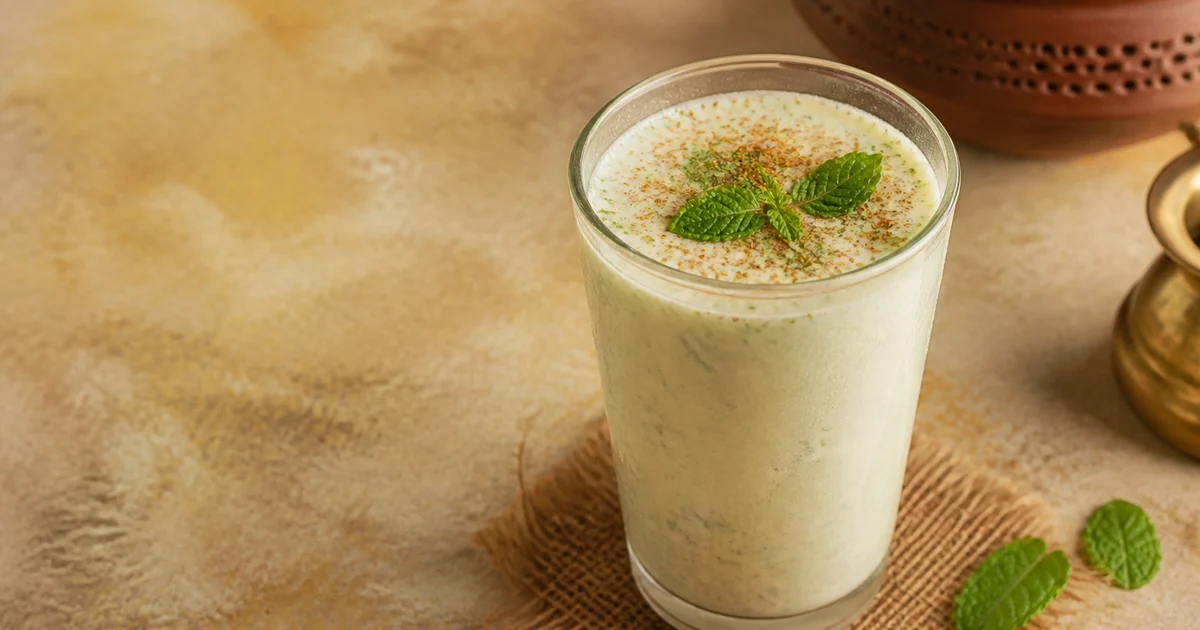
Commercial Borhani Recipe (10-Litre Batch)
A 10-litre commercial borhani batch for kacchi, weddings and bottled service, with controlled spice balance, cold holding and 50 consistent portions.
- Yield:
- about 10 litres or 50 x 200 ml portions
- Total:
- 3 hr
- Difficulty:
- Medium
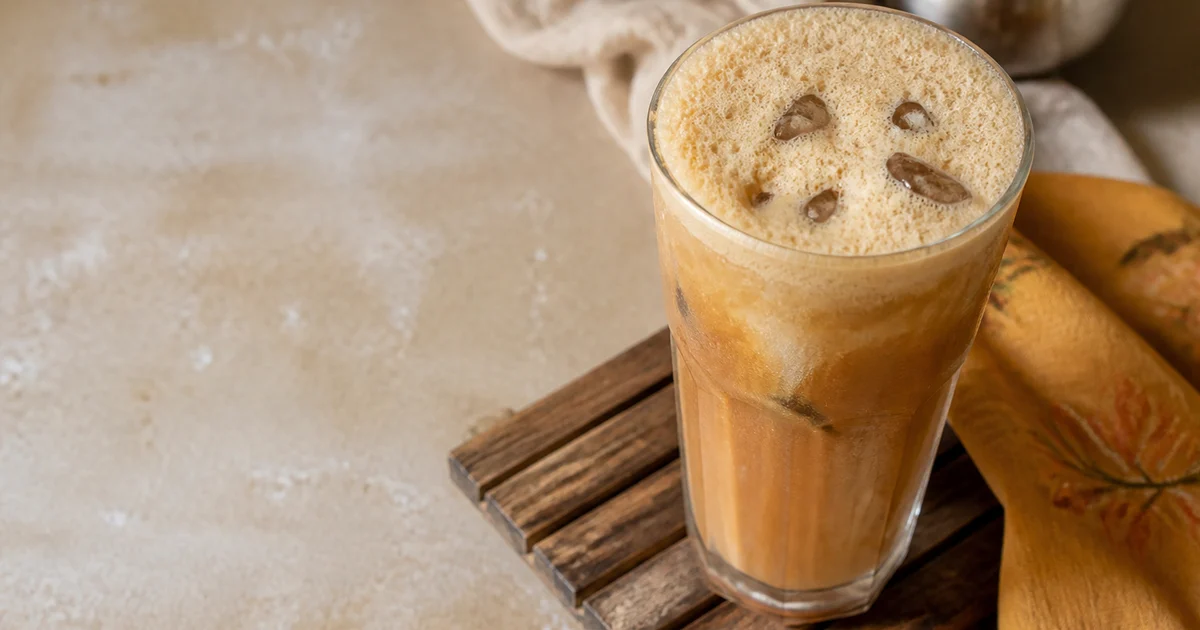
Commercial Cold Coffee Recipe
A commercial cold coffee recipe for 40 servings, using a make-ahead coffee base, measured ice and controlled blending for consistent froth and yield.
- Yield:
- about 40 x 320 ml servings
- Total:
- 1 hr 45 min
- Difficulty:
- Easy
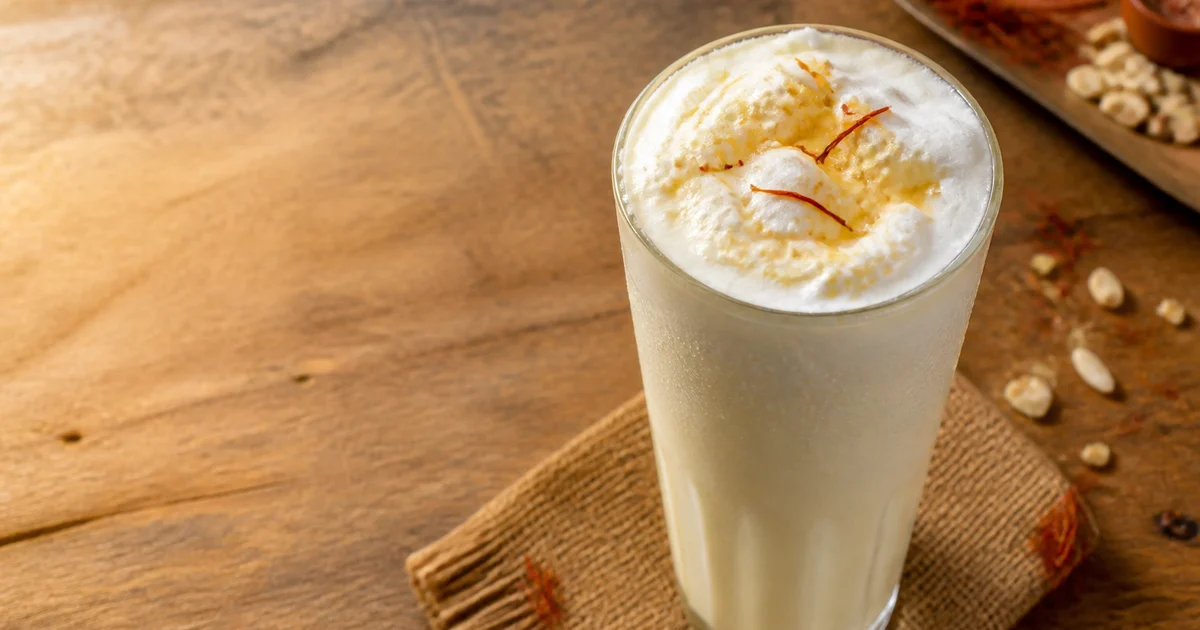
Commercial Sweet Lassi Recipe
A commercial 10-litre sweet lassi recipe with reliable blending, cold holding, salty variation and portion control for restaurants and food carts.
- Yield:
- about 40 cups of 250 ml
- Total:
- 1 hr 30 min
- Difficulty:
- Easy
Run your restaurant on Rosuii
POS, menu, inventory, payroll and more — built for Bangladeshi restaurants.
Start free