
Restaurant Recipes
Commercial Borhani Recipe (10-Litre Batch)
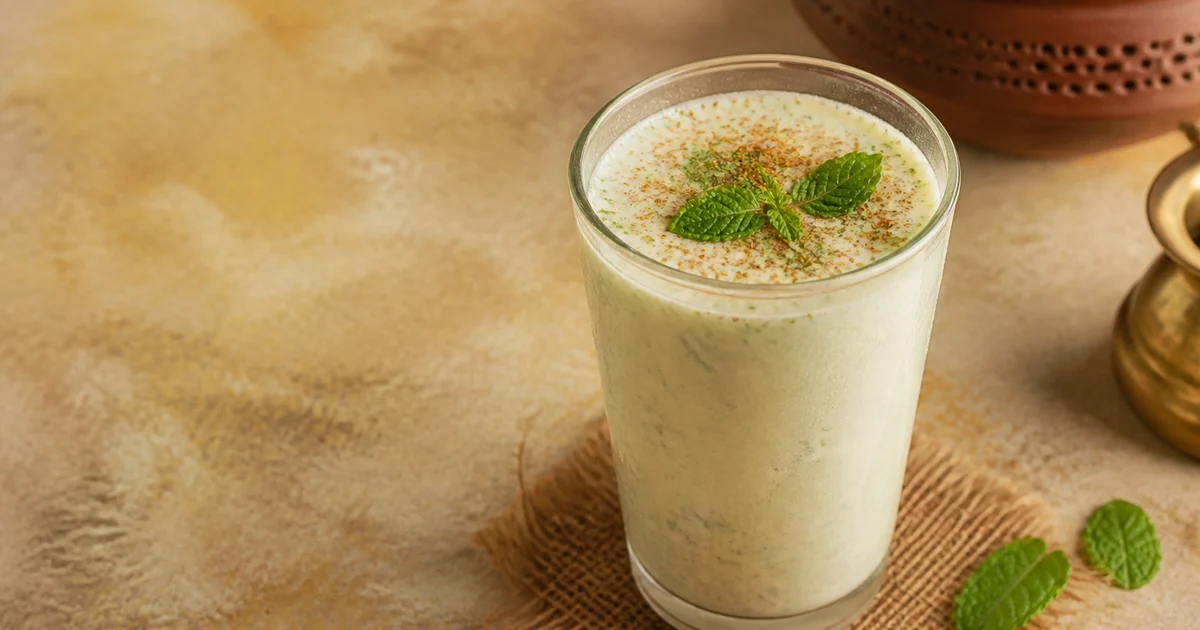
A 10-litre commercial borhani batch for kacchi, weddings and bottled service, with controlled spice balance, cold holding and 50 consistent portions.
- Prep
- 35 min
- Cook
- 8 min
- Total
- 3 hr
- Yield
- about 10 litres or 50 x 200 ml portions
- Difficulty
- Medium
- Cuisine
- Bangladeshi
Method
- 1
Prepare the cold station
Chill the yoghurt and water to 5°C or below before production. Clean and sanitise the vessel, blender, strainer, filler and bottles, then allow them to drain completely for at least 10 minutes. Reject yoghurt with gas bubbles, mould, a yeasty smell or excessive separation.
- 2
Toast the whole spices
Heat a dry heavy pan over low heat, keeping the pan surface around 120°C to 140°C. Add the cumin, coriander seeds and dried chillies, then stir continuously for 4 to 6 minutes. Stop when the cumin smells nutty and is only slightly darker; blackened spice will make the full batch bitter.
- 3
Cool and grind spices
Spread the toasted spices on a clean tray and cool below 30°C for about 10 minutes. Grind them with the unroasted black peppercorns and mustard seeds until fine, with no visible whole seeds remaining.
- 4
Blend the herb paste
Blend the mint, coriander leaves, green chillies and ginger with about 1 litre of the chilled water for 2 to 3 minutes. Work in equal sub-batches if the blender jar is small and keep the mixture below 10°C. Strain through a fine mesh, pressing gently until the liquid is green and aromatic but coarse fibres remain behind.
- 5
Whisk yoghurt until smooth
Transfer the chilled yoghurt to the mixing vessel and whisk for 3 to 4 minutes at low to medium speed. Stop when no lumps or whey streaks remain and the surface has minimal foam. Keep the yoghurt at 5°C or below during mixing.
- 6
Dissolve the seasonings
Mix the sugar, fine salt and black salt with 500 ml of chilled water for 2 minutes or until no crystals remain. Stir this solution into the yoghurt, followed by the herb liquid and ground spice mixture. Mix gently for 3 minutes until the colour and spice flecks are evenly distributed.
- 7
Add acid and standardise
Stir in the strained lemon juice, then add only enough remaining chilled water to reach exactly 10 litres. Mix for 2 minutes and let the foam settle for 10 minutes. The borhani should coat a spoon lightly but pour in a steady, creamy stream.
- 8
Chill the finished batch
Cover the vessel and place it in a chiller or an ice bath, stirring every 15 minutes. Bring the complete batch to 5°C or below within 60 minutes, then mature it under refrigeration for at least 2 hours. After resting, the mustard aroma should be distinct without covering the yoghurt and mint.
- 9
Check and fill bottles
Stir gently for 30 seconds and check the rested batch before filling. Dose exactly 200 ml into each clean, sanitised bottle, leave the bottle manufacturer's required headspace and cap immediately. Complete filling within 20 minutes and keep filled bottles at 5°C or below.
- 10
Hold for cold service
Label each vessel or bottle lot with the production date and time, and use the oldest approved batch first. Keep bulk borhani covered and stir gently every 20 to 30 minutes; invert sealed bottles once before serving and never reheat the drink.
Notes for your kitchen
Why borhani works for commercial service
Borhani works commercially because one controlled batch can cover dine-in kacchi service, wedding catering and pre-bottled takeaway orders. This borhani recipe produces 10 litres, equal to 50 portions of 200 ml before any service loss. It can be prepared ahead, requires no cooking during service and helps move rich dishes such as kacchi biryani, tehari and roast chicken as a complete meal.
The main operational challenge is consistency. Yoghurt acidity, herb moisture, mustard strength and dilution can change between batches. A written formula, a calibrated vessel and a fixed bottle or ladle size prevent staff from correcting each batch by guesswork.
Selecting ingredients that affect quality
Yoghurt quality matters more than any other ingredient in borhani. Use unsweetened, pasteurised, full-fat plain yoghurt with a clean sour taste and no artificial flavour. Avoid yoghurt that has excessive whey separation, visible gas bubbles or a yeasty smell. Sweetened yoghurt makes the drink heavy and forces unnecessary changes to sugar, salt and acid.
Choosing the yoghurt
A moderately sour yoghurt gives borhani body without making it harsh. Check every delivery before accepting it because acidity can vary by supplier and production date. Keep unopened yoghurt at 5°C or below, and combine containers from the same lot where possible. If the yoghurt is unusually sour, do not hide it with excessive sugar; reserve it for another suitable preparation and use a consistent lot for the beverage.
Managing herbs and spices
Fresh herbs provide aroma, while mustard, cumin and black pepper provide the recognisable borhani finish. Choose bright pudina pata and dhonia pata without slime, yellowing or fermented odour. Drain washed herbs thoroughly because retained wash water weakens flavour and makes final yield difficult to control.
Whole cumin, coriander, mustard and pepper keep their aroma longer than old pre-ground masala. Toast only cumin, coriander and dried chilli. Mustard and black pepper should be ground without roasting so their sharper notes remain. Mustard strength develops after hydration, which is why the batch must rest before final tasting.
Controlling flavour and consistency
Good borhani should pour easily but still feel creamy, with sourness, salt, mustard and mint arriving in balance. Blend the herb paste separately so fibrous stems can be strained before they enter the yoghurt. Whisk the yoghurt only until smooth; prolonged high-speed blending traps air, creates foam and can make bottles look underfilled after the foam collapses.
Dissolve sugar and salts in water before mixing. Undissolved grains create uneven portions, particularly near the bottom of the vessel. Add the spice powder gradually while the yoghurt is moving, then allow at least two hours of cold maturation. Taste the rested drink rather than the freshly mixed drink because mustard, chilli and black salt become more noticeable over time.
Use a calibrated 10-litre vessel or mark the production pot accurately. Bring the finished batch to its target volume only after the strained herb paste and yoghurt are combined. This controls body more reliably than adding the full water allowance at the beginning.
Scaling the batch correctly
Scale borhani by multiplying every ingredient and the final volume by the same factor. For 25 litres, multiply the formula by 2.5; for 5 litres, multiply it by 0.5. Weigh spices, herbs, sugar and salts rather than using spoons because small measuring errors become obvious in large production.
Large batches should not be forced through one small blender jar. Divide the herb paste into equal sub-batches, using the same herb-to-water ratio in each, then combine them in the main vessel. Record the final water used because yoghurt thickness changes between deliveries. Never add extra water simply to create more portions, as this weakens flavour and causes customer complaints.
Cold holding and service
Borhani must remain at 5°C or below and must never be reheated. Reheating damages the fresh herb aroma, separates the yoghurt and creates a food-safety risk during repeated cooling. After mixing, cool the entire batch rapidly in an ice bath or suitable chiller, then keep it covered and away from raw meat, fish and unwashed vegetables.
Stir the holding vessel gently every 20 to 30 minutes during service because fine spices settle. Do not top a partly used batch with a new batch. Keep each production lot separate, label it with production time and date, and use the older approved lot first.
Bottling for weddings and kacchi orders
Bottle borhani only after it is fully chilled and its flavour has matured. Use clean, sanitised, food-grade bottles and caps that are completely drained. Dose with a measured piston filler, calibrated jug or scale-controlled filling method, then cap immediately and return bottles to refrigeration.
Transport wedding bottles in insulated boxes with sufficient ice packs to maintain 5°C or below. Do not leave crates beside the kacchi cooking station or in direct sun. Ask service staff to invert each sealed bottle gently once before opening rather than shaking it hard, which creates foam and inconsistent pours.
Portioning and yield control
A 10-litre batch gives 50 saleable portions only when every serving is fixed at 200 ml. Use identical bottles for takeaway and a marked 200 ml ladle or dispenser for dine-in service. A free-pour difference of only 20 ml across 50 guests consumes an additional litre and removes five planned portions.
Record strained herb residue, spills, tasting samples and returned bottles as production loss rather than hiding them in the yield. Follow a written portion control system so catering quotations and daily production plans use the actual number of saleable servings.
Mistakes that waste ingredients
The most expensive borhani mistakes come from uncontrolled dilution, poor refrigeration and last-minute seasoning.
- Using warm ingredients: A large warm batch cools slowly and spends too long outside safe refrigeration.
- Over-roasting spices: Dark cumin or chilli produces bitterness that extra sugar cannot correct.
- Adding all water early: Thin borhani cannot be repaired economically without adding more yoghurt and seasoning.
- Skipping the resting period: Staff may add too much mustard or chilli before the first addition has fully developed.
- Using wet bottles: Residual rinse water dilutes portions and may introduce contamination.
- Mixing old and new stock: This removes traceability and can shorten the usable life of the fresh batch.
- Holding uncovered: Yoghurt absorbs refrigerator odours and the exposed surface can dry or contaminate.
Keeping food cost stable
Stable borhani cost depends on controlling yoghurt purchasing, final dilution and serving size. Yoghurt is the dominant ingredient cost, while fresh herb prices and usable yield can move with season and supplier quality. Compare suppliers by drained, usable quality rather than package weight alone.
Build a standard batch sheet through recipe costing and count bottles, caps and service loss as part of the product. Rosuii can record the batch as a production that converts yoghurt, herbs and spices into finished borhani stock, while wastage records show spills or rejected bottles. Review those records alongside reducing wastage practices instead of weakening the recipe when ingredient costs rise.
What drives the cost
Plain full-fat yoghurt dominates the cost of this borhani recipe, followed by fresh herbs and food-grade bottles when sold packaged. Cost moves mainly with yoghurt quality, seasonal pudina and dhonia prices, herb trimming loss and the type of bottle and cap selected. Uncontrolled overfilling and dilution corrections also raise the effective cost per saleable portion.
Ingredient rates move with the market, so this describes what drives the cost rather than quoting a figure.
Questions from kitchens
How do I scale this borhani recipe to 25 litres?
How long can commercial borhani be held?
Can mustard powder replace mustard seeds?
Why does bottled borhani separate during service?
How many wedding servings come from one batch?
Related recipes
Commercial Beef Kala Bhuna
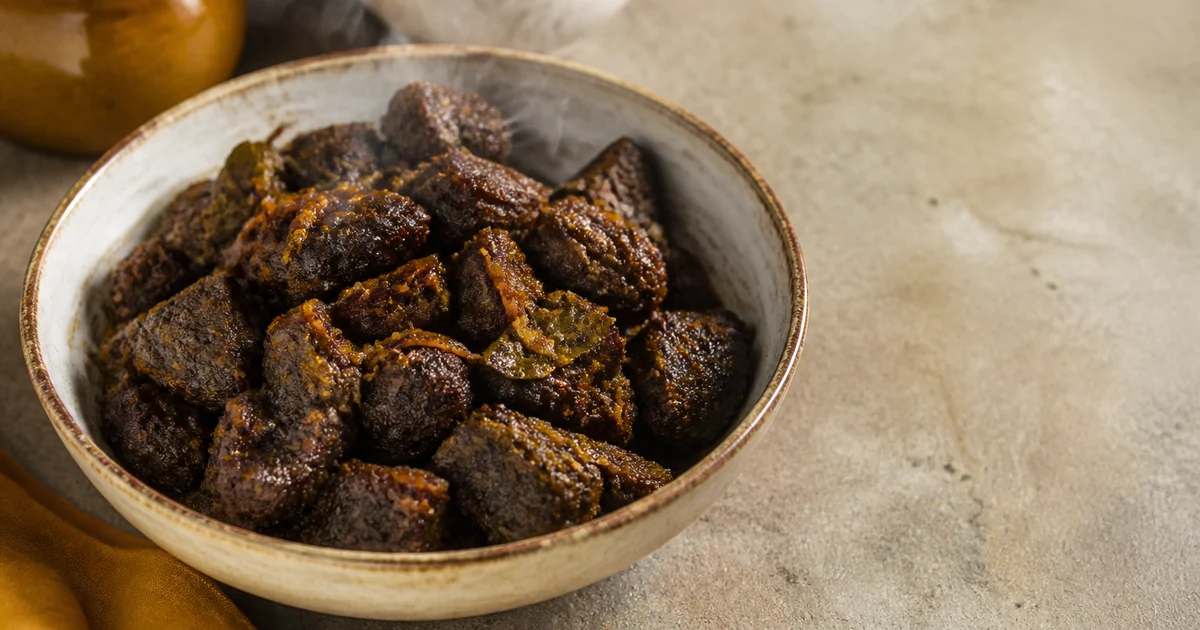
A commercial Chattogram-style beef kala bhuna recipe producing about 40 controlled portions with deep browning, roasted spices and service guidance.
- Yield:
- about 40 plates at 175 g
- Total:
- 4 hr 15 min
- Difficulty:
- Hard
Commercial Beef Kalia Recipe
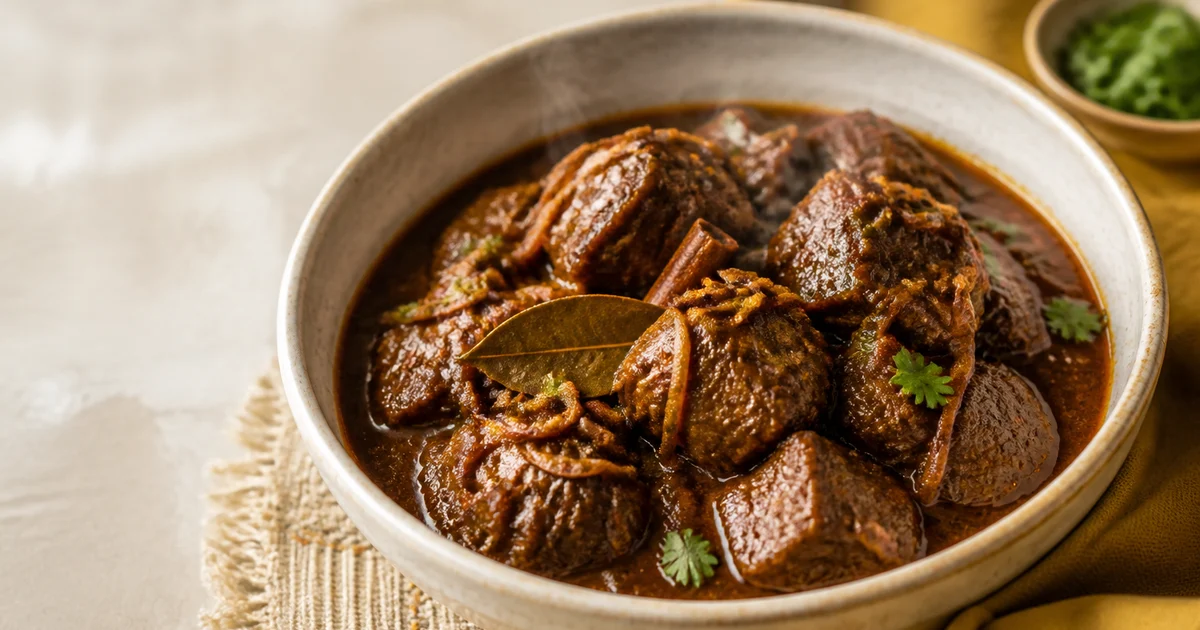
A commercial beef kalia recipe for about 40 plates, with tender bone-in beef, festive ghee-rich gravy, controlled portions and service guidance.
- Yield:
- about 40 plates
- Total:
- 4 hr
- Difficulty:
- Medium
Commercial Chicken Bharta Recipe
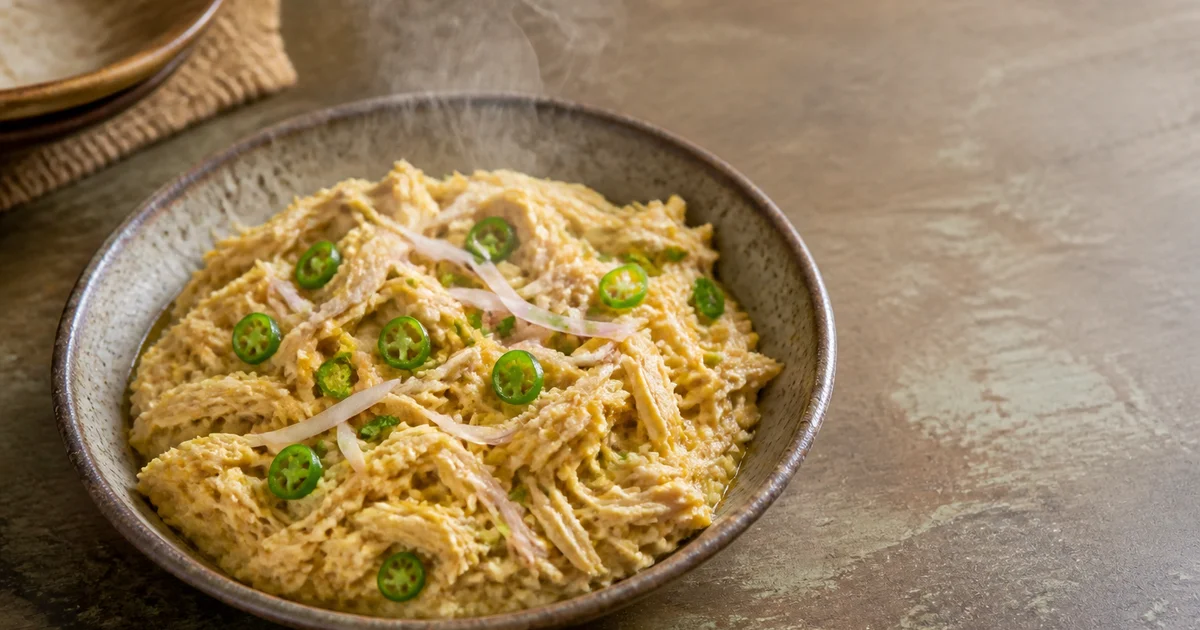
A commercial chicken bharta recipe for 40 side portions, using shredded boiled chicken, fried chillies and a sharp mustard oil finish.
- Yield:
- about 40 side portions at 110 g each
- Total:
- 1 hr 5 min
- Difficulty:
- Medium
Run your restaurant on Rosuii
POS, menu, inventory, payroll and more — built for Bangladeshi restaurants.
Start free