
Restaurant Recipes
Commercial Chicken Bharta Recipe
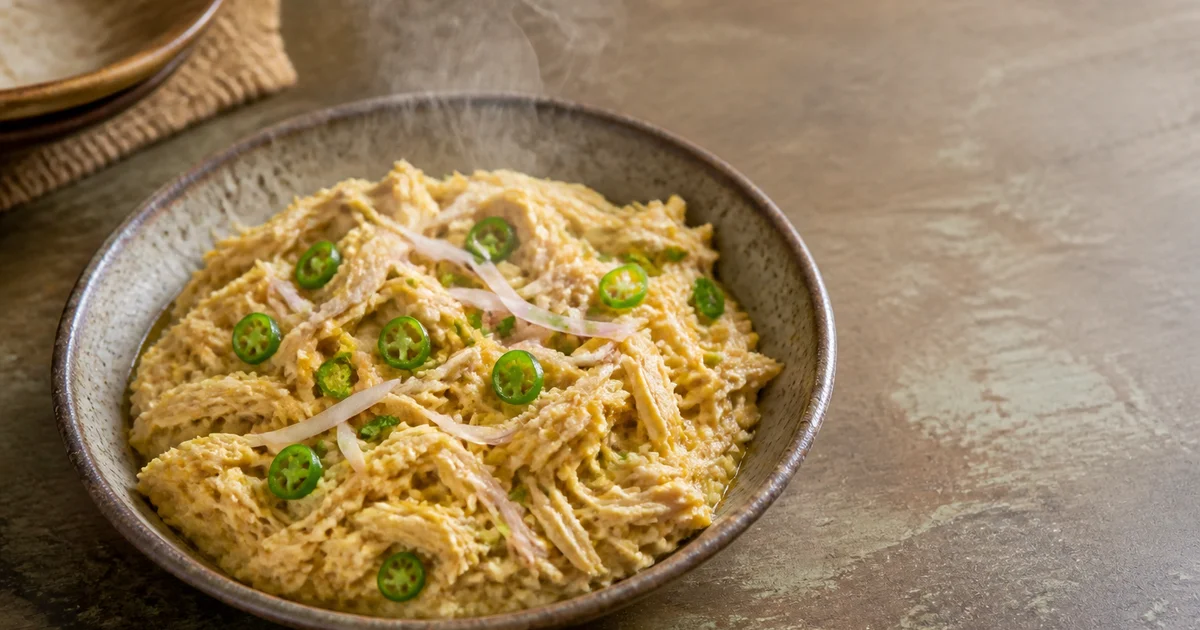
A commercial chicken bharta recipe for 40 side portions, using shredded boiled chicken, fried chillies and a sharp mustard oil finish.
- Prep
- 35 min
- Cook
- 30 min
- Total
- 1 hr 5 min
- Yield
- about 40 side portions at 110 g each
- Difficulty
- Medium
- Cuisine
- Bangladeshi
Method
- 1
Inspect the boiled chicken
Use freshly boiled chicken held above 60°C or chilled chicken stored at 5°C or below. Spend 5 minutes checking the meat under good light and discard every bone, cartilage piece, tendon and dry discoloured edge. Safe chicken should look clean and moist without a sour or stale smell.
- 2
Shred into visible strands
Shred the chicken while it is approximately 55°C to 60°C, or allow 10 to 15 minutes for chilled meat to lose its surface chill before handling in a cool prep area. Pull it into strands 3 to 5 cm long without crushing the fibres. The finished pile should look loose and fibrous, not minced or pasty.
- 3
Fry and crush chillies
Heat 100 ml mustard oil to approximately 150°C to 160°C and fry the dried chillies for 60 to 90 seconds. Remove them when they become crisp and darken by one shade, before any black spots appear. Cool briefly, then crush them into coarse flakes.
- 4
Cook onions until golden
Add 180 ml mustard oil to the pan, bring it to approximately 160°C and add the sliced onions and salt. Cook for 10 to 12 minutes over medium heat, stirring regularly. The onions should be soft, reduced and lightly golden with no pooled water.
- 5
Build the chilli base
Add the garlic and green chillies and cook at approximately 150°C to 160°C for 3 to 4 minutes. Stir in the turmeric, cumin and black pepper for another 45 seconds. The mixture should smell aromatic and look evenly coated without scorched spice on the pan base.
- 6
Cook chicken with broth
Add the shredded chicken and 250 ml of the hot broth, then fold with paddles for 8 to 10 minutes. The centre of the batch must reach at least 74°C. Add the remaining broth only if needed; the chicken should look moist and glossy with no liquid collecting underneath.
- 7
Apply the mustard finish
Reduce the heat and let the batch fall below a hard fry, then add the remaining 70 ml mustard oil, crushed chilli, lemon juice and coriander. Fold continuously for 2 minutes and remove from the heat. The finished bharta should show separate chicken strands, green coriander and red chilli flecks with a fresh mustard aroma.
- 8
Portion or hold safely
Check the batch is at least 74°C, then portion immediately or transfer it within 20 minutes to covered shallow pans. Hold at 60°C or above and stir every 20 to 30 minutes. The bharta should remain loose and moist; if it begins to crust at the edges, reduce the holding quantity rather than adding excess oil.
Notes for your kitchen
This chicken bharta recipe produces about 40 controlled side portions from boiled chicken. It is suitable for Bangladeshi restaurants, food carts and catering kitchens that need to convert safely handled boiled chicken into a sellable dish. The finished bharta should be moist, fibrous and strongly aromatic, with visible onion, green chilli and coriander rather than a smooth paste.
Why chicken bharta works commercially
Chicken bharta works commercially because it turns usable boiled chicken into a fast-selling side with simple service requirements. Chicken left from a controlled boiling production can lose value if it dries out or becomes unsuitable for presentation as whole pieces. Shredding it and combining it with cooked onion, chilli, mustard oil and a little broth gives the meat a second planned use without disguising spoilage or unsafe handling.
Only use production surplus that has remained under kitchen control. Do not use chicken returned from customer plates, chicken left at room temperature, or meat with an uncertain cooking date. Freshly boiled chicken can be processed while warm, while chilled chicken must have been cooled quickly and stored at 5°C or below.
The dish can be sold as a side with naan, paratha or polao. It also works in a set menu where a measured portion adds a strong flavour component without requiring another curry gravy on the plate.
Ingredient selection and quality
The quality of the boiled chicken and mustard oil matters more than expensive spices. Use chicken with clean flavour, firm fibres and no stale refrigerated smell. A mixture of breast and leg meat gives better results than breast alone because leg meat supplies moisture and fat, while breast meat provides visible strands.
If boiling chicken specifically for this recipe, cook skinless bone-in pieces gently rather than at a hard rolling boil. The thickest part must reach at least 74°C, but prolonged boiling makes the fibres dry and increases cooking loss. Record the cooked, deboned weight because raw chicken weight is not a reliable guide to saleable bharta yield.
Use food-grade mustard oil with a fresh, sharp aroma. Rancid oil leaves a bitter aftertaste that chilli and lemon cannot correct. Choose firm onions, fresh green chillies and green coriander leaves without blackened edges. Dried chillies should smell clean and should not contain mould, excess dust or insect damage.
Shredding and cooking technique
Correct shredding creates a bharta that holds seasoning without becoming pasty. Chicken is easiest to shred at approximately 55°C to 60°C, when the fibres separate cleanly but remain comfortable to handle with gloves. Pull the meat into strands about 3 to 5 cm long and remove every bone fragment, piece of cartilage and thick tendon.
For larger production, a planetary mixer fitted with a paddle can shred warm chicken at the lowest speed for 20 to 40 seconds. Stop as soon as the pieces separate. High speed or long mixing crushes the meat into fibres that feel dry and absorb too much oil.
Fry the dried chilli briefly before cooking the onion. This flavours the first portion of mustard oil and makes the chilli easy to crush. Remove it when it darkens by one shade; black chilli will make the full batch bitter.
The onion must lose its raw water and become lightly golden before the chicken is added. If the pan is crowded, the onion steams and the finished bharta becomes wet and sweet. Add the ground spices only after the garlic and green chilli have softened, then cook them briefly without scorching.
The reserved broth is a moisture adjustment, not a gravy base. Add only enough to loosen tightly packed chicken and help the seasoning coat every strand. After cooking, the pan should show a light oil sheen without liquid collecting at the bottom.
Keep part of the mustard oil for the finish. Adding it after the heat is reduced preserves the characteristic sharp aroma. Lemon juice and coriander should also go in near the end because extended cooking dulls their freshness.
Scaling the batch
Scale chicken bharta by cooked chicken weight and pan capacity, not by raw bird count. For each 1 kg of cooked, deboned chicken, use approximately one-quarter of every listed ingredient quantity. Weigh salt and chilli carefully instead of estimating by handful, especially when several cooks prepare separate pans.
When doubling the recipe, use two wide pans or cook in consecutive batches. A deeper mass takes longer to evaporate moisture, causing the onion to steam and the chicken at the bottom to overcook. Keep each pan no more than two-thirds full and combine the completed batches in a sanitized food-grade container.
For a half batch, use a smaller pan so the oil and onion cover the base properly. Cooking time may reduce slightly, but colour and moisture cues should decide when to move to the next stage.
Holding and reheating for service
Hot chicken bharta must be held at 60°C or above and protected from drying. Transfer it to shallow covered gastronorm pans after cooking and load small amounts into the service station. Stir every 20 to 30 minutes and replace the pan rather than repeatedly topping old product with a fresh batch.
For best eating quality, plan service batches that sell within two hours. Longer hot holding makes the chicken stringy, flattens the mustard aroma and darkens the coriander. A small measured spoonful of hot chicken broth can correct minor drying, but extra oil should not be used to hide prolonged holding.
For chilled service preparation, divide the bharta into shallow containers and cool from 60°C to 21°C within two hours, then from 21°C to 5°C within the next four hours. Reheat only the required quantity to at least 74°C throughout within two hours. Finish the reheated batch with a small reserved amount of mustard oil, coriander and lemon only if those quantities were held back from the original measured recipe.
Portioning and yield control
A 110 g portion gives approximately 40 side servings from this batch. Weigh the finished production after cooking, subtract the empty container weight and divide the net weight by the target portion. Natural evaporation and the moisture of leftover chicken can cause a small yield difference.
Use one standardized ladle, scoop or pre-weighed service bowl, but verify it on a digital scale at the start of every shift. Staff should not compress the bharta into the scoop because compacted portions become heavier. Follow a written portion control standard for dine-in plates, takeaway boxes and combo meals.
Mistakes that waste money
The costliest mistakes are poor cooked-yield records, oversized portions and temperature abuse. Buying chicken by raw weight without recording bones, skin and cooking loss makes the true cost of the dish unclear. Track the weight after boiling and deboning, then base the batch and saleable yield on that figure.
- Overboiling the chicken: Hard boiling squeezes out moisture and reduces usable cooked weight.
- Using wet shredded meat: Undrained broth dilutes mustard oil and creates an oily liquid at the bottom.
- Overloading the pan: Crowded onions steam, extending labour time and weakening flavour.
- Grinding instead of shredding: A paste-like texture encourages excess oil use and gives poor plate volume.
- Adding all mustard oil early: High heat removes the fresh mustard aroma that defines the finish.
- Unmeasured service: A difference of only a few grams per plate becomes significant across a full batch.
Keeping food cost stable
Stable chicken bharta cost depends on controlled chicken yield and recorded wastage. Compare supplier lots by their cooked, deboned output rather than purchase weight alone. Review recipe costing whenever chicken size, bone percentage or trimming standards change.
Prepare only enough onion, chilli and coriander for the forecast batch, and record discarded bones, spoiled herbs and unsold cooked product. Rosuii productions can record raw materials converted into finished chicken bharta, while its wastage and inventory records can help operators investigate yield differences. This supports practical reducing wastage work without treating unsafe leftovers as usable stock.
Serving combinations
Chicken bharta pairs best with naan or lightly seasoned polao. Naan benefits from the moist, mustard-rich texture, while polao balances the chilli with mild sweetness and aroma. Keep the portion as a defined side rather than spreading it thinly across a large plate.
What drives the cost
Chicken is the main cost driver, and its usable cooked yield moves with bone percentage, trimming, boiling loss and supplier consistency. Mustard oil is the next ingredient to watch because quality and usage affect both flavour and batch cost; oversized portions and unrecorded chicken waste create the largest avoidable variation.
Ingredient rates move with the market, so this describes what drives the cost rather than quoting a figure.
Questions from kitchens
Can this chicken bharta recipe be doubled for 80 portions?
How long can chicken bharta stay on hot hold?
How long can prepared chicken bharta be refrigerated?
Can soybean oil replace mustard oil?
What should the kitchen do if the batch yields fewer than 40 portions?
Related recipes
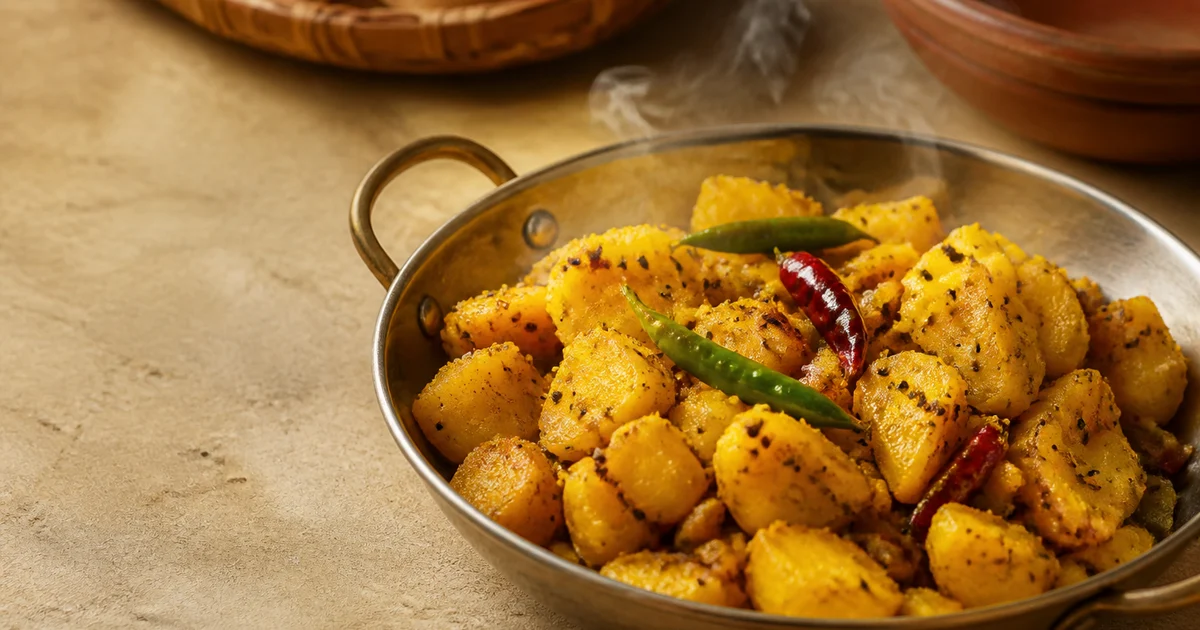
Commercial Alu Bhaji Recipe
A 5 kg commercial alu bhaji batch for about 40 breakfast plates, with precise cutting, fast morning-rush cooking, hot holding and yield control.
- Yield:
- about 40 plates
- Total:
- 1 hr 15 min
- Difficulty:
- Easy
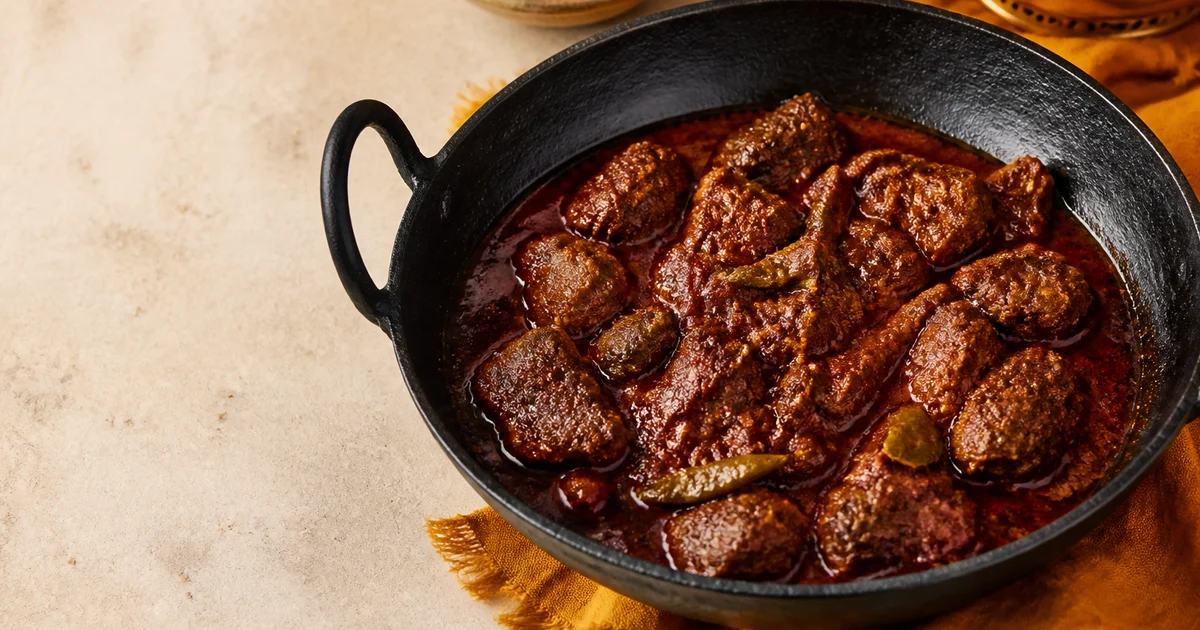
Commercial Beef Bhuna Recipe
A commercial beef bhuna recipe for about 40 plates, with a long bhuna stage, clear oil-separation cues, controlled portions and service-safe reheating.
- Yield:
- about 40 plates
- Total:
- 4 hr 15 min
- Difficulty:
- Medium
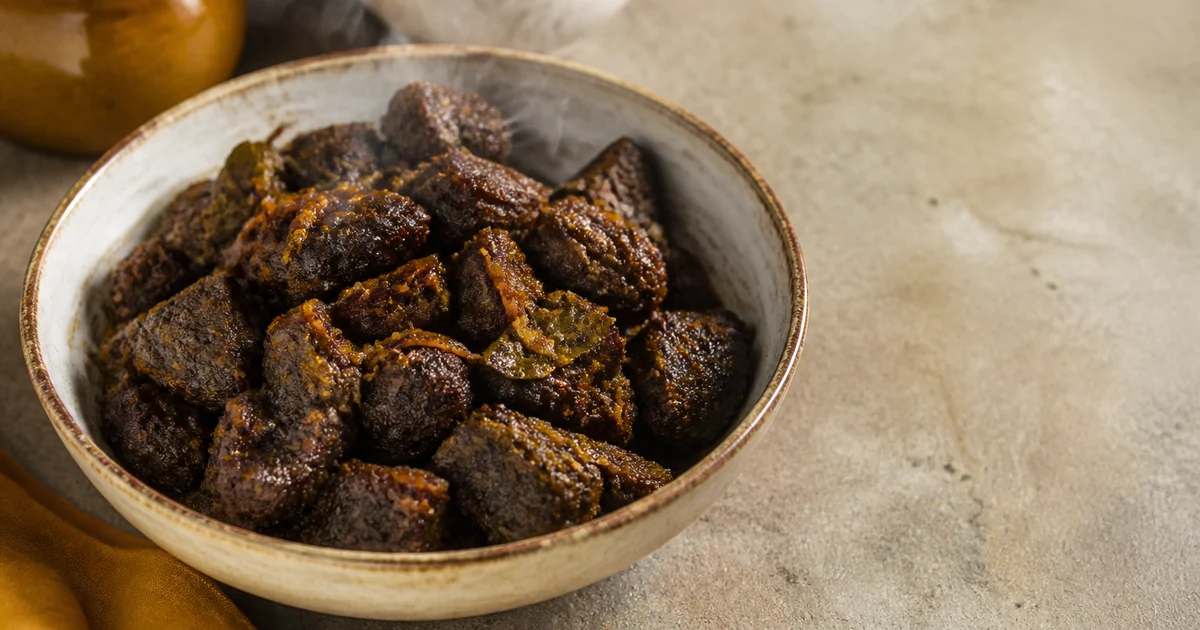
Commercial Beef Kala Bhuna
A commercial Chattogram-style beef kala bhuna recipe producing about 40 controlled portions with deep browning, roasted spices and service guidance.
- Yield:
- about 40 plates at 175 g
- Total:
- 4 hr 15 min
- Difficulty:
- Hard
Run your restaurant on Rosuii
POS, menu, inventory, payroll and more — built for Bangladeshi restaurants.
Start free