
Restaurant Recipes
Cafe Mocktails
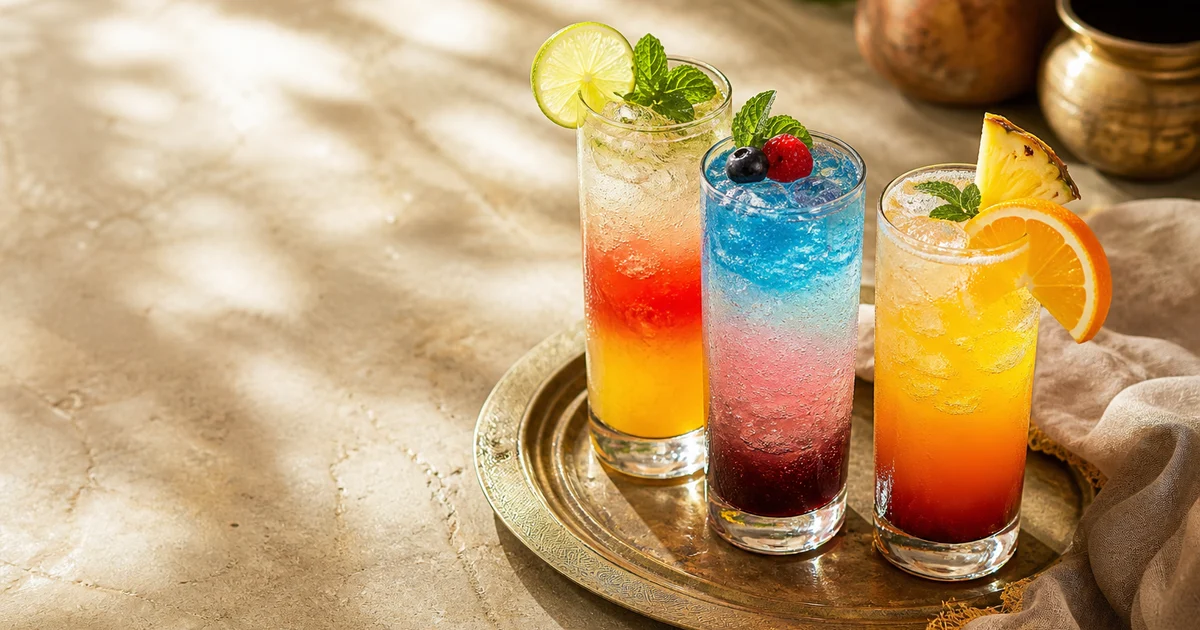
A commercial mocktail recipe producing 40 cafe drinks from two make-ahead syrup bases, with four variations and strict ice, dilution and yield control.
- Prep
- 30 min
- Cook
- 15 min
- Total
- 1 hr 15 min
- Yield
- 40 x 300 ml drinks
- Difficulty
- Easy
- Cuisine
- Continental
Method
- 1
Make the master syrup
Combine the filtered water and sugar in a stainless-steel saucepan and heat to 80 to 85°C for 4 to 6 minutes. Stir until the liquid is completely clear and no crystals remain on the base of the pan; do not allow a rolling boil.
- 2
Infuse the ginger syrup
Measure 300 ml of hot master syrup over the sliced ginger and hold it at 70 to 80°C for 15 minutes. Strain when the syrup smells strongly aromatic but has no harsh cooked flavour, then retain the remaining master syrup as the plain base. Cool both syrups to 5°C or below within 4 hours and label them separately.
- 3
Prepare juices and garnish
Press and strain the limes, targeting at least 700 ml usable juice, then refrigerate it at 0 to 5°C. Blend the cucumber for 45 to 60 seconds and pass it through a fine strainer to obtain 600 ml smooth juice. Keep mint cold and covered, and cut only enough lime garnish for the next 30 minutes of sales.
- 4
Set the cold station
Chill all juices, syrups and soda to 0 to 5°C before opening service. Place measured pourers or jiggers beside each bottle and keep the ice drained at below 5°C. Build one test drink and confirm that the ice remains visibly hard after 2 minutes.
- 5
Build mint lime sodas
For each of ten cups, add 25 ml plain syrup, 25 ml lime juice and about 6 g mint, then press the leaves lightly for 5 seconds. Add 120 g ice and 150 ml cold soda water, then stir from the bottom for 5 to 8 seconds. Serve within 3 minutes while bubbles remain active and the mint is bright.
- 6
Build ginger pineapple fizz
For each of ten cups, add 25 ml ginger syrup, 100 ml pineapple juice and 15 ml lime juice at 0 to 5°C. Add 120 g ice and 100 ml soda water, then stir for 5 seconds. The drink should look evenly golden and show fine, active carbonation at service.
- 7
Build cucumber mint coolers
For each of ten cups, add 60 ml cucumber juice, 20 ml plain syrup, 20 ml lime juice and about 6 g mint. Add 120 g ice and 120 ml cold soda, then stir for 5 to 8 seconds. Serve within 3 minutes while the cucumber aroma is fresh and the colour remains pale green.
- 8
Build citrus sunrise spritz
For each of ten cups, add 100 ml orange juice, 50 ml pineapple juice and 10 ml lime juice, all held at 0 to 5°C. Add 120 g ice and 60 ml soda, then pour 15 ml grenadine slowly down the inside of the cup. Serve immediately when the red lower layer and orange upper layer are still visually distinct.
- 9
Check yield before service
After the first ten drinks, compare measured bottle use with the expected recipe allowance; this check takes about 2 minutes. Syrup or juice disappearing faster than planned indicates an incorrect pourer, overfilled jigger or unrecorded remake. Keep all opened bases below 5°C and discard any finished drink held longer than 10 minutes.
Notes for your kitchen
This commercial mocktail recipe produces 40 chilled drinks in four reliable variations from one compact ingredient set. The batch gives ten 300 ml servings each of mint lime soda, ginger pineapple fizz, cucumber mint cooler and citrus sunrise spritz. Preparing the syrups, juices and garnishes before service keeps assembly fast enough for a cafe counter or busy food cart.
Why this batch works commercially
Mocktails work commercially when the menu shares ingredients and every cup follows a fixed build. This menu uses the same lime juice, syrup, soda water, ice and selected fruit components across four drinks. Shared stock reduces slow-moving bottles, simplifies staff training and allows a small operation to offer variety without maintaining four unrelated recipes.
The two make-ahead bases are plain sugar syrup and ginger syrup prepared from the same master batch. The plain syrup sweetens the mint and cucumber drinks, while a portion is infused with ginger for the pineapple drink. The sunrise variation uses grenadine, so the station needs only one additional purchased syrup.
All four drinks can be assembled in about 60 to 90 seconds when the station is ready. They also support menu variations such as extra lime, less sweet or no garnish, but the standard build must remain the default for stock and yield planning.
Ingredient selection and quality
Lime, juice, soda water and ice have the greatest effect on the finished drink, so quality control should begin there. Choose firm, heavy limes with thin, glossy skin because dry or over-mature fruit gives poor juice yield. Measure the extracted juice rather than assuming every kilogram will produce the same volume.
Syrup ingredients
Clean-tasting white sugar and filtered water produce the most consistent syrup base. Sugar syrup should taste neutral, without burnt notes or visible crystals. Ginger must be firm, aromatic and free from mould around cut ends; thin slicing exposes more surface area and gives a stronger infusion without boiling it aggressively.
A one-to-one syrup by weight is suitable for fast-moving cafe service. It is easy to pour when cold and simple to scale. It is not shelf-stable, so it must be refrigerated in clean, dated bottles.
Fruit, mint and grenadine
Fresh aroma matters more than decorative appearance when selecting mint, cucumber and fruit juice. Mint should have crisp leaves and no blackened stems. Cucumber should be firm and mild, as mature seeds can make strained cucumber juice watery or bitter.
Use unsweetened pineapple and orange juice where possible because heavily sweetened packaged juice makes balancing difficult. If juice sweetness changes between suppliers, taste a measured test drink before changing the syrup dose. Grenadine should give a clean red colour and balanced fruit flavour; a weak product encourages staff to overpour simply to obtain colour.
Ice and soda water
Hard, clean ice and strongly carbonated soda water protect both taste and yield. Small wet cubes melt quickly and can add uncontrolled water before the drink reaches the customer. Use food-safe ice made from potable water, drain meltwater from the ice well and never scoop ice with a serving glass.
Keep soda water at 0 to 5°C and open bottles only as needed. Warm soda loses carbonation quickly, while flat soda makes the drink taste sweeter and heavier. Smaller bottles may reduce gas loss where sales are slow, although packaging cost should be compared with the wastage from unfinished large bottles.
Technique and dilution control
A reliable mocktail is built by controlling syrup temperature, ingredient order, ice weight and stirring time. Heat the master syrup only until the sugar dissolves. Prolonged boiling evaporates water, changes concentration and creates a sweeter batch than the costing assumes.
Infuse ginger below a hard boil to extract fragrance without a cooked or harsh flavour. Strain while the syrup is still warm, then cool it rapidly in shallow containers or an ice bath. Bottle only when it is cold enough not to create condensation inside the storage bottle.
During assembly, add syrup and juice before ice so staff can see the measured liquids. Add ice next and soda last. Stir from the bottom for five to eight seconds, just enough to distribute syrup without knocking out the carbonation.
Keeping four drinks consistent
Each variation needs its own marked build card even though the ingredients overlap. The mint lime drink should be sharp, aromatic and highly carbonated. The ginger pineapple drink should show ginger in the finish rather than tasting like concentrated syrup.
The cucumber cooler depends on freshly strained cucumber juice and restrained sweetness. The sunrise drink needs a visible colour gradient at handover, so grenadine is added slowly and the final drink is not aggressively mixed. Staff should still tell customers to stir before drinking if the bottom layer is visibly concentrated.
Scaling the batch
Scale every liquid and garnish by the same factor, but prepare syrup and juice in manageable production lots. For 80 drinks, multiply the listed quantities by two. For 20 drinks, multiply by 0.5 and keep the four menu variants in equal proportions unless item-sales records show a different sales mix.
Do not make one very deep syrup vessel for a large event. A wide pan provides faster dissolution and more predictable heating, while an oversized deep batch takes longer to cool. For more than four times this recipe, divide syrup production between pans and combine the cooled batches before bottling to equalise concentration.
Soda and ice should be scaled from expected sales plus a controlled service allowance, not poured into a premixed bulk dispenser. Fruit acidity and sweetness vary, so prepare one test cup from every new production batch before releasing it to service.
Holding and reheating for service
Finished mocktails must be served immediately, while bases should remain covered at 0 to 5°C. Plain and ginger syrups can be held refrigerated for up to seven days in sanitised, dated bottles. Discard them sooner if they become cloudy, fermented, mouldy or develop an unusual smell.
Fresh lime juice is best used within 24 hours. Strained cucumber juice and picked mint should be prepared for the same service day, with cucumber juice ideally used within eight hours. Keep juice bottles in a refrigerator or ice-lined cold well, not on the warm counter.
Never reheat a finished mocktail. If refrigerated syrup crystallises, warm only the syrup to about 70°C while stirring until clear, then cool it rapidly and return it to refrigeration. Do not repeatedly warm and cool the same bottle because handling increases contamination risk and changes concentration.
Portioning and yield control
The target yield is 40 drinks in 300 ml cups, with ten servings allocated to each variation. Use jiggers, calibrated squeeze bottles or measured pump dispensers for every syrup and juice. A free-poured extra splash may look small, but repeated over a service period it reduces both yield and consistency.
Weigh one standard cup of ice at opening and show staff the correct fill line. The production allowance covers handling loss and melting, but it should not become permission to overfill cups. Follow a documented portion control system and record test drinks, spills and returned beverages separately from sales.
Count cups at the start and compare cup use with recorded sales at closing. If 40 cups are used but only 36 drinks are recorded, investigate staff drinks, remakes, spills and order-entry errors. This check is often more practical than trying to measure every small amount remaining in multiple bottles.
Mistakes that cost money
The most expensive mistakes are overpouring, premature batching, weak carbonation and unrecorded remakes. Do not premix soda with juice before service because carbonation escapes and the mixture continues diluting as ice melts. Do not muddle mint aggressively, as crushed stems can introduce bitterness and fragments may block straws.
- Boiling syrup for too long reduces its volume and changes the sweetness of every drink.
- Using warm ingredients causes rapid ice melt and forces staff to add more ice.
- Leaving soda bottles uncapped turns a sellable ingredient into flat wastage.
- Cutting all garnishes too early causes drying, browning and unnecessary disposal.
- Allowing staff to remake drinks without recording a reason hides training and quality problems.
Review recurring losses through a structured approach to reducing wastage. A remake caused by incorrect sweetness should be recorded differently from a drink dropped during delivery because the corrective actions are different.
Cost stability and cafe drink margin
Mocktails can provide a strong contribution margin only when recipes, cup size and wastage are controlled together. Fruit juice, fresh lime, grenadine, garnish and purchased ice are the main variable inputs. Lime yield changes by season, while juice cost and sweetness can move with brand, pack size and supplier.
Calculate the cost of each syrup as a production batch, then assign a cost per measured millilitre to the drinks that use it. This gives a more accurate result than treating sugar syrup as a negligible free ingredient. Use a formal recipe costing method and include cups, lids, straws, garnish and expected preparation loss.
Rosuii can record syrup as a production that turns raw materials into finished stock, while its POS, inventory, wastage and item-sales reports can help compare production with sales. Keep premium add-ons such as extra fruit, larger cups or additional syrup as clearly measured variations rather than informal free pours.
The selling price should reflect the full serving format, customer demand and local competition, not just sugar and fruit cost. A drink with inexpensive ingredients can still lose margin through oversized cups, excessive garnish, delivery leakage, frequent remakes or slow stock that expires before sale.
What drives the cost
Fresh lime, packaged fruit juices, grenadine, garnish and purchased ice dominate the variable cost of this batch. Cost moves with seasonal lime yield, juice brand and pack size, garnish wastage, cup size and the amount of flat soda or melting ice discarded during service.
Ingredient rates move with the market, so this describes what drives the cost rather than quoting a figure.
Questions from kitchens
Can this mocktail recipe be doubled for 80 drinks?
How long can the syrup bases be held?
Can bottled lime cordial replace fresh lime juice?
How much saleable yield should the batch provide?
Can the finished drinks be batched and held for a rush?
Related recipes
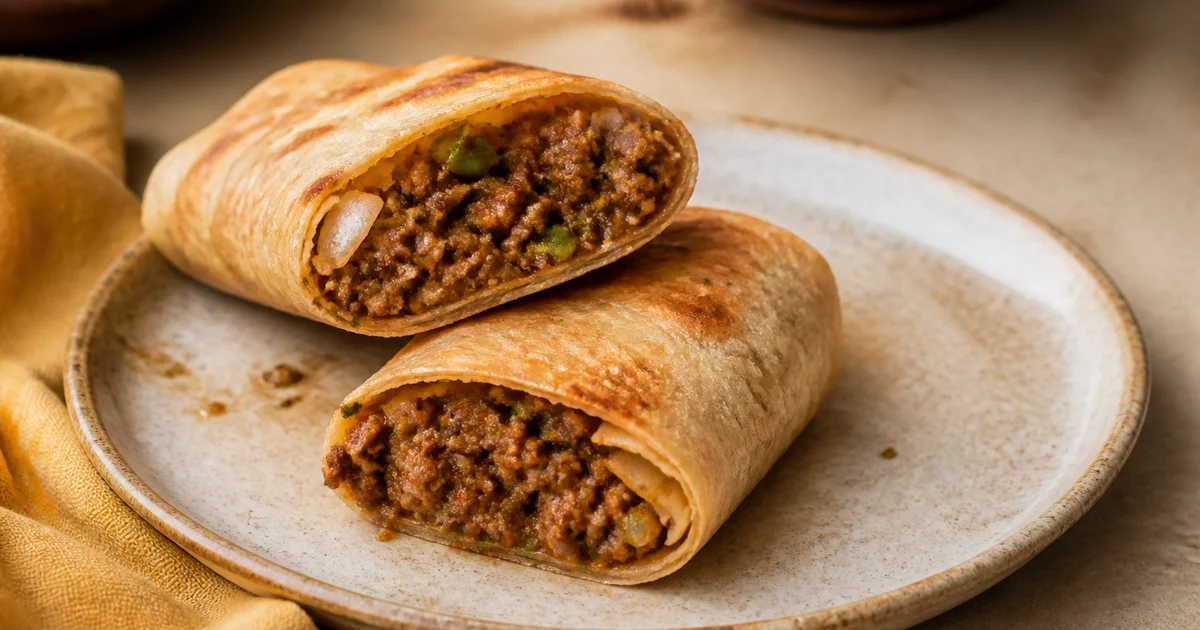
Commercial Bangladeshi Beef Roll Recipe
A commercial beef roll recipe producing 40 consistent rolls with tender cooked-down beef, crisp vegetables, controlled moisture and practical service guidance.
- Yield:
- 40 beef rolls
- Total:
- 1 hr 35 min
- Difficulty:
- Medium
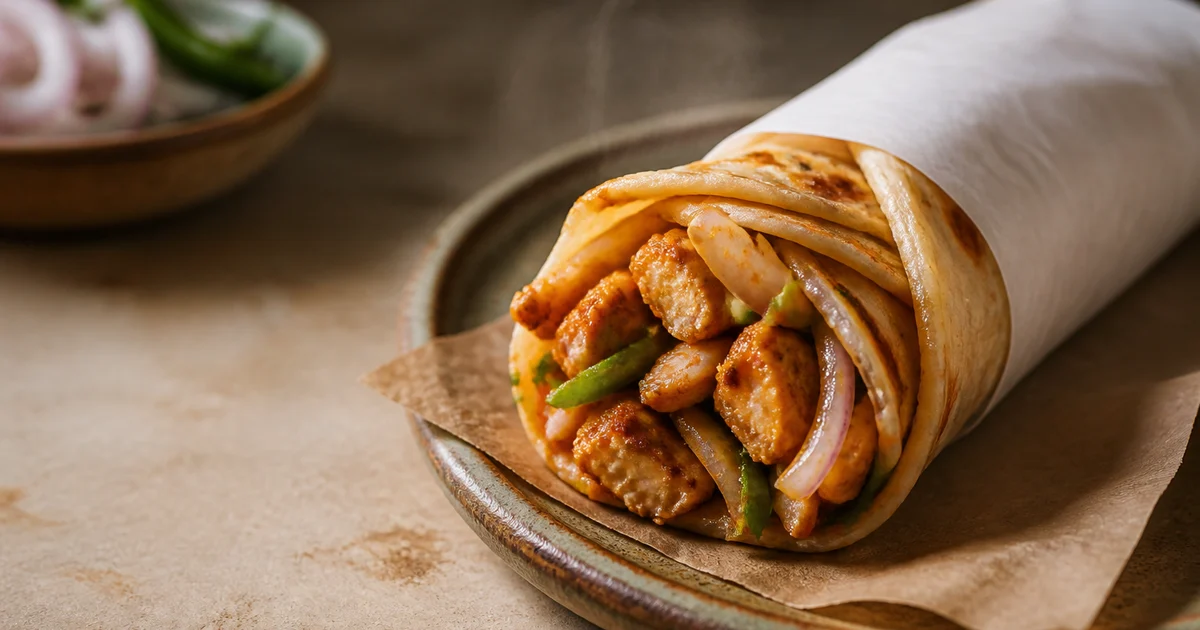
Commercial Bangladeshi Chicken Roll Recipe
A commercial chicken roll recipe producing 40 large rolls with flaky paratha, spiced chicken, egg, fresh vegetables and controlled portions.
- Yield:
- 40 large chicken rolls
- Total:
- 2 hr 30 min
- Difficulty:
- Medium
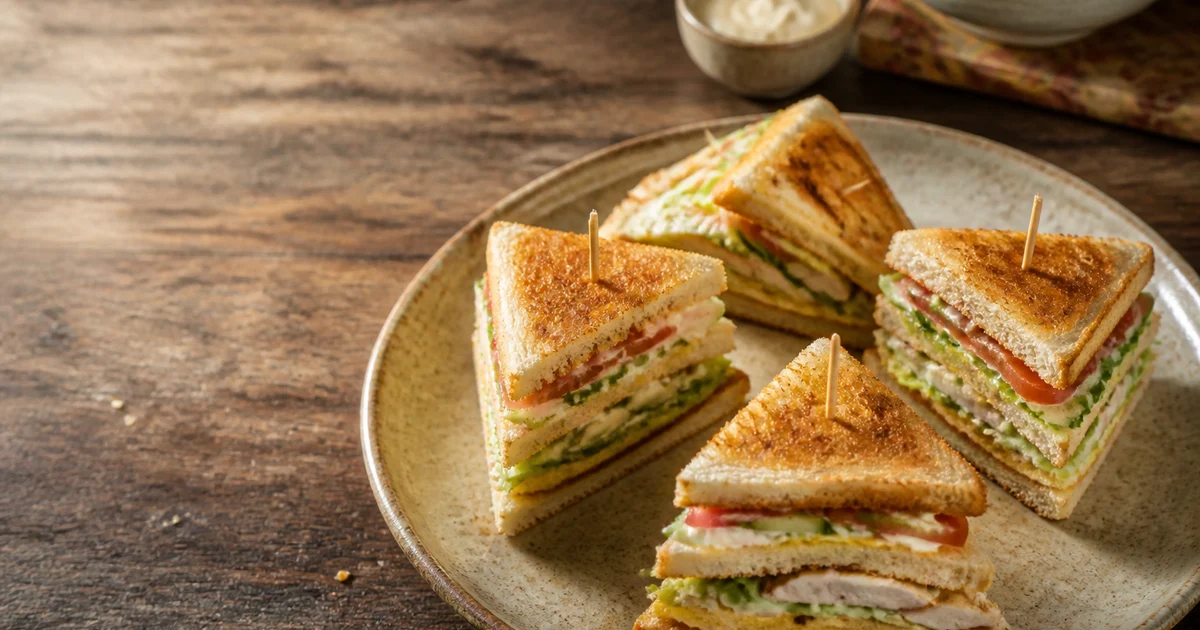
Commercial Club Sandwich Recipe
A commercial club sandwich recipe for 40 plates, with standard portions, advance filling prep, crisp bread handling and fast assembly-line service.
- Yield:
- about 40 plates
- Total:
- 3 hr 30 min
- Difficulty:
- Medium
Run your restaurant on Rosuii
POS, menu, inventory, payroll and more — built for Bangladeshi restaurants.
Start free