
Restaurant Recipes
Commercial Club Sandwich Recipe
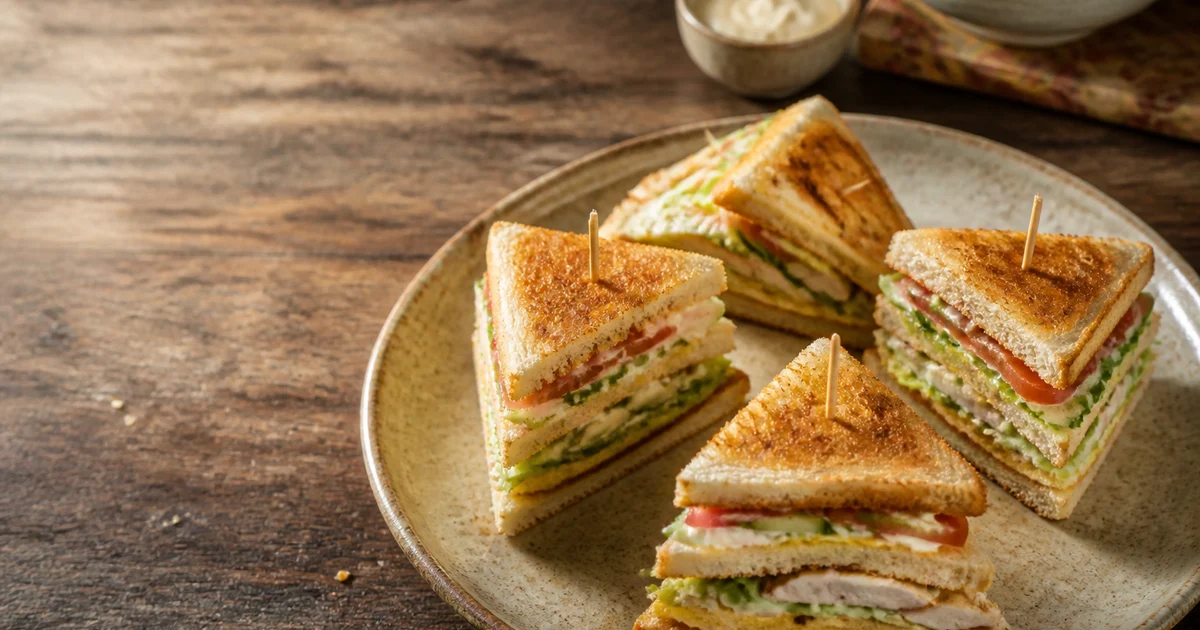
A commercial club sandwich recipe for 40 plates, with standard portions, advance filling prep, crisp bread handling and fast assembly-line service.
- Prep
- 45 min
- Cook
- 45 min
- Total
- 3 hr 30 min
- Yield
- about 40 plates
- Difficulty
- Medium
- Cuisine
- Continental
Method
- 1
Season the chicken
Combine the chicken with garlic paste, soy sauce, 35 g salt, 12 g black pepper and 60 ml oil. Mix until evenly coated, cover and marinate at 5°C or below for 30 minutes; do not leave it at room temperature.
- 2
Griddle chicken in batches
Preheat the griddle to 180 to 190°C and lightly oil the surface with part of the remaining oil. Cook without crowding for 4 to 5 minutes per side, until lightly browned and the thickest section reaches 74°C.
- 3
Chill and mix filling
Transfer chicken to shallow trays and cool from 60°C to 21°C within 2 hours, then to 5°C or below within the next 4 hours. Slice or pull into small pieces, then combine with 800 g mayonnaise, 13 g salt and 6 g black pepper; portion into forty 80 g units containing about 60 g cooked chicken.
- 4
Cook the egg sheet
Whisk eggs with milk, 12 g salt and 6 g black pepper. Oil the griddle lightly, cook in thin sheets at 160 to 170°C for 3 to 4 minutes until fully set and at least 74°C, then chill and divide into forty portions of about 35 g.
- 5
Prepare salad components
Keep washed lettuce in a perforated tray at 5°C or below until its surface is dry. Slice cucumber and tomato 2 to 3 mm thick, drain for 10 minutes, then portion about 15 g lettuce, 20 g cucumber and 25 g tomato per sandwich.
- 6
Toast bread in waves
Spread the 400 g butter thinly across all bread surfaces and toast at 175 to 185°C for 60 to 90 seconds per side. Remove when pale golden and dry on the surface, then cool in one layer on a rack for 1 to 2 minutes so steam can escape.
- 7
Arrange the assembly line
Place bread, reserved mayonnaise, mustard, lettuce, chicken, egg, cucumber and tomato in service order. Keep cold ingredients at 5°C or below and bring only a small working quantity to the counter, replenishing it from refrigerated backup.
- 8
Build each sandwich
Spread 10 g mayonnaise on the first slice, then add lettuce and one chicken portion. Add the second slice, spread with 5 g mayonnaise and 5 g mustard, then place egg, cucumber and tomato before closing with the third slice.
- 9
Secure cut and serve
Press the sandwich lightly and insert four food-safe picks, one in each quarter. Cut diagonally twice with a clean serrated knife to make four equal triangles, wiping the blade after every sandwich; serve within 15 minutes for the best texture.
Notes for your kitchen
This club sandwich recipe produces 40 consistent plates for a restaurant, cafe or food cart. Each portion uses three toasted bread slices, seasoned chicken, egg, salad vegetables and controlled mayonnaise. The batch is designed for advance filling preparation followed by fast assembly during service.
Why club sandwiches suit commercial service
A club sandwich sells efficiently because most preparation can be completed before the order arrives. Chicken and egg can be cooked, chilled and portioned in advance, while vegetables can be washed and cut for the shift. During service, the kitchen only needs to toast, spread, assemble, secure and cut. This short finishing time makes the item practical for cafes, food carts and restaurant snack menus.
The sandwich also supports variations without changing the whole production system. Cheese, extra egg, fries or a drink can be offered as controlled add-ons or combos. Keep the standard sandwich unchanged so kitchen staff do not guess quantities when several variations are ordered together.
Ingredient selection and quality
Bread, chicken and mayonnaise have the greatest effect on the finished quality. Use square sandwich bread with an even crumb and slices about 10 to 12 mm thick. Very soft bread compresses under the filling, while dry bread cracks during cutting. All loaves for one batch should be from the same supplier and preferably the same production lot so slice size remains consistent.
Choose bread for structure
The correct bread must toast evenly while remaining flexible enough to cut cleanly. Day-fresh bread is usually easier to handle than bread that is still warm from the bakery. Store sealed loaves at room temperature away from griddle heat, steam and direct sunlight. Do not refrigerate bread because refrigeration speeds staling and creates a dry edge.
Butter should form a thin, even film rather than soak into the crumb. Toast until the surface is pale golden and dry to the touch, not dark and brittle. This light toast creates a moisture barrier against mayonnaise, tomato and cucumber.
Select stable fillings
Boneless chicken breast gives the most predictable cooked yield and portion shape. Buy pieces of similar thickness and reject chicken with excessive purge or freezer damage. Boneless thigh can be used, but it has more variable fat and trim, so the kitchen must perform a fresh yield test before changing the standard portion.
Use thick commercial mayonnaise made with pasteurised egg because thin dressing runs into the bread. Select firm tomatoes with small seed cavities and crisp cucumbers without soft centres. Lettuce should be dry after washing; retained wash water is a common cause of soggy sandwiches.
Method and production control
Consistent cooking and rapid chilling keep the chicken safe, moist and easy to portion. Flatten thick breast sections so the pieces cook at the same rate. A griddle surface around 180 to 190°C develops light colour without burning the garlic or soy seasoning. The thickest point must reach at least 74°C, checked with a sanitised probe rather than judged by colour alone.
Spread cooked chicken in shallow trays instead of stacking it in a deep bowl. Deep containers trap heat and leave the centre in the temperature danger zone. Mix mayonnaise into the chicken only after it has cooled to 5°C or below. This also prevents the mayonnaise from separating and becoming oily.
Cook the egg as a thin sheet and cut or weigh it after chilling. A sheet is faster to portion than individual fried eggs, occupies less griddle space and gives every sandwich the same amount. Keep chicken, egg and vegetables in separate covered food-grade containers until assembly.
Assembly-line setup and bread handling
The fastest assembly line places ingredients in the exact order in which staff use them. Arrange toasted bread, measured spreads, dry lettuce, chicken portions, egg portions, cucumber, tomato, picks and the cutting board from left to right. Use dedicated spoons or scoops for the chicken and spreads. Replace utensils if they touch raw food, dirty surfaces or staff hands.
Toast in small waves based on actual ticket volume. Stacking hot toast traps steam, so place slices in a single layer on a rack for one to two minutes before building. Mayonnaise and lettuce create useful barriers between bread and wet fillings. Keep tomato away from the outer bread surfaces and never salt cut tomato in advance because salt draws out water.
Build each sandwich directly on deli paper or a clean board. Apply light, even hand pressure after adding the top slice, but do not crush the layers. Insert four picks before cutting so the stack cannot slide. Use a long serrated knife with a gentle sawing motion, wiping the blade between sandwiches for clean presentation.
Scaling the batch correctly
Scale ingredient weights linearly, but do not increase cooking load beyond the equipment's capacity. For 20 plates, use half of every ingredient and maintain the same gram weight per sandwich. For 80 plates, double the ingredients but cook chicken and egg in repeated batches. Overloading a griddle lowers its surface temperature, causing pale chicken, excess liquid and longer cooking time.
Use the cooked chicken yield, not only the purchased raw weight, when testing a new supplier. Record raw weight, trim, cooked weight and usable portions. If the chicken loses more moisture than expected, investigate breast size, thawing loss, griddle temperature and overcooking before changing the selling portion.
Holding and reheating for service
An assembled club sandwich should be made close to service rather than held for a long period. For best texture, serve it within 15 minutes of assembly. If tickets must be staged briefly, keep the sandwich covered at 5°C or below and avoid holding it beside the toaster, fryer or service window. Refrigeration protects safety but does not prevent toasted bread from gradually softening.
Do not reheat a fully assembled sandwich because lettuce wilts, mayonnaise separates and tomato releases water. Plain cooked chicken may be reheated once to at least 74°C for an immediate warm sandwich, but it must not be returned to chilled stock. For normal cold club service, keep the chicken chilled and toast only the bread to order.
Prepared chicken should remain covered at 5°C or below. Keep a small working container on the line and refill it from refrigerated backup rather than displaying the whole batch. Discard any filling left without temperature control for more than two hours, and follow a shorter limit if the cart is exposed to strong heat.
Common mistakes that cost money
Most club sandwich losses come from poor yield control, wet bread and uncontrolled portions.
- Overcooking chicken: Dry chicken loses saleable weight and requires extra mayonnaise to remain acceptable.
- Building too early: Toast absorbs vegetable moisture, leading to rejected or remade orders.
- Free-pouring mayonnaise: An extra spoon on every sandwich quickly increases usage without improving the portion.
- Using wet lettuce: Wash water shortens holding quality and makes the lower bread layer collapse.
- Cutting without picks: Layers slide, triangles become uneven and staff may discard damaged pieces.
- Using a blunt knife: Downward pressure crushes the sandwich and leaves mayonnaise on the board instead of in the portion.
Portioning, yield and cost control
Every plate should contain one sandwich cut into four equal triangles. The production standard is three bread slices, 60 g cooked chicken, about 35 g egg, 35 g total mayonnaise, 5 g mustard and fixed vegetable portions. Weigh at least the first five sandwiches of each shift, then perform random checks during busy periods. Read the practical portion control guide to set up checks that staff can follow.
Chicken, mayonnaise, eggs and bread drive most of the batch cost, while vegetable cost and usable yield move with season and supplier quality. Compare purchased weight with edible weight when completing recipe costing. Record broken bread, spoiled vegetables and overproduced filling instead of hiding them inside normal usage. Rosuii can record a filling batch through productions and track associated stock and wastage, which helps separate actual loss from normal recipe use.
Prepare only the vegetable quantity expected for the shift and keep uncut backup under refrigeration. Review item sales before choosing the next production volume. This controls leftovers while preserving enough chilled filling for peak service.
What drives the cost
Boneless chicken, mayonnaise, eggs and sandwich bread dominate the cost of this dish. Cost moves mainly with chicken cooking yield, bread breakage, mayonnaise portioning and seasonal changes in tomato, cucumber and lettuce quality.
Ingredient rates move with the market, so this describes what drives the cost rather than quoting a figure.
Questions from kitchens
How do I scale this club sandwich recipe to 20 or 80 plates?
How long can assembled club sandwiches be held?
Can boneless chicken thigh replace breast?
What is the refrigerated shelf life of the prepared fillings?
How do I guarantee 40 sellable plates from the batch?
Related recipes
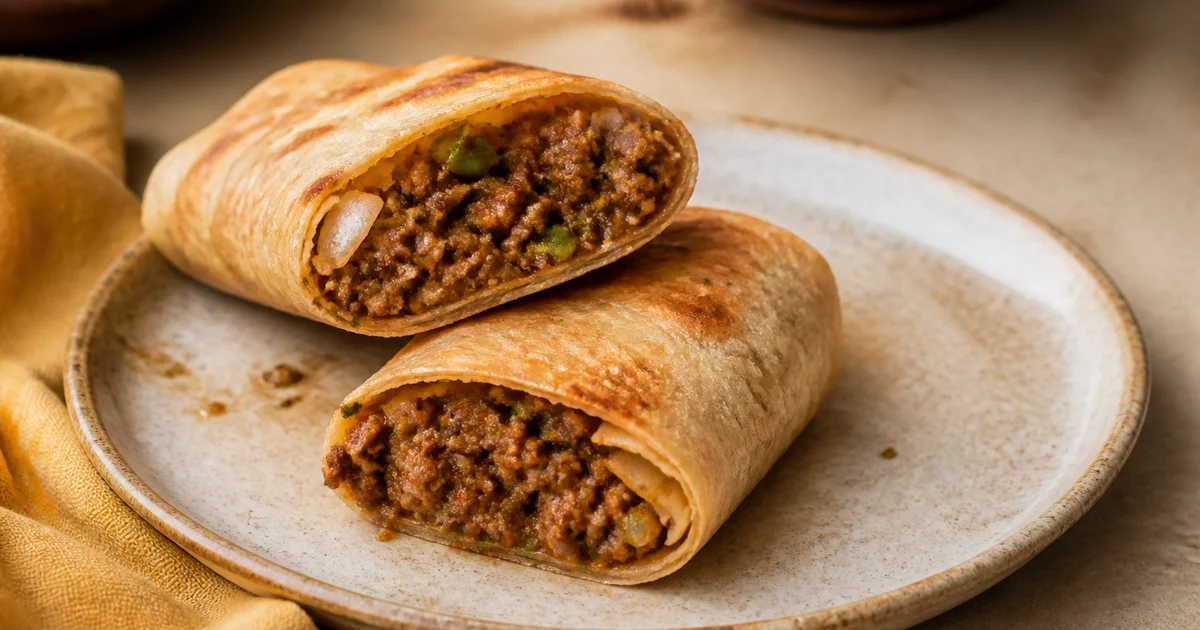
Commercial Bangladeshi Beef Roll Recipe
A commercial beef roll recipe producing 40 consistent rolls with tender cooked-down beef, crisp vegetables, controlled moisture and practical service guidance.
- Yield:
- 40 beef rolls
- Total:
- 1 hr 35 min
- Difficulty:
- Medium
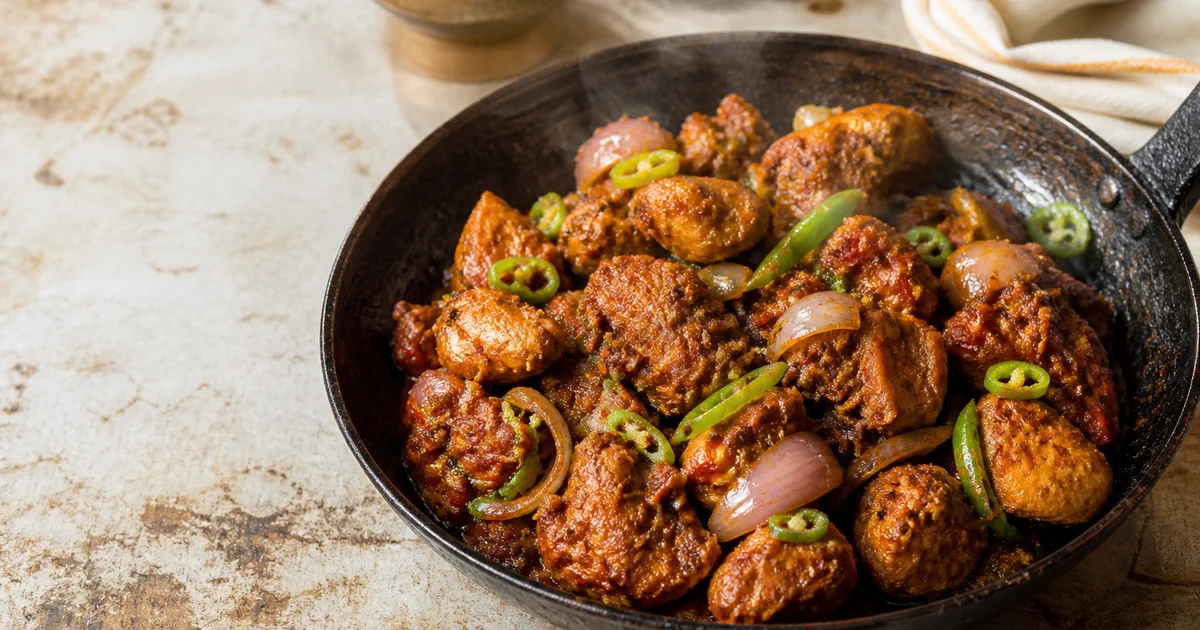
Commercial Chicken Jhal Fry Recipe
A commercial chicken jhal fry recipe for about 40 plates, using a fully cooked chicken base and a fast, spicy high-heat finish for each order.
- Yield:
- about 40 plates
- Total:
- 1 hr 15 min
- Difficulty:
- Medium
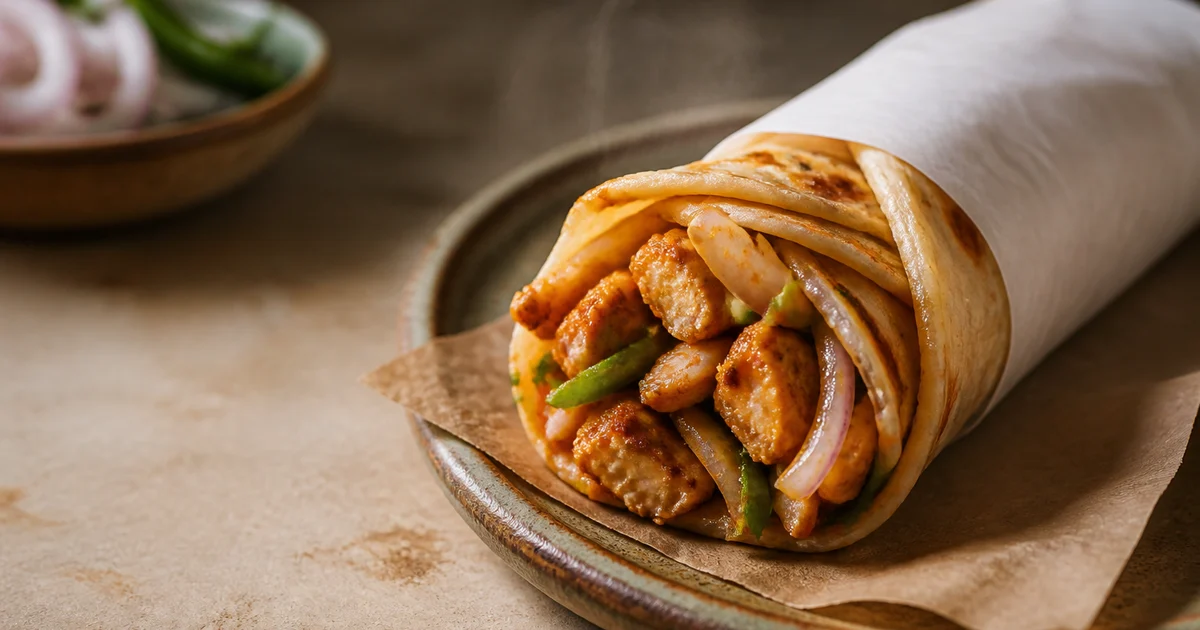
Commercial Bangladeshi Chicken Roll Recipe
A commercial chicken roll recipe producing 40 large rolls with flaky paratha, spiced chicken, egg, fresh vegetables and controlled portions.
- Yield:
- 40 large chicken rolls
- Total:
- 2 hr 30 min
- Difficulty:
- Medium
Run your restaurant on Rosuii
POS, menu, inventory, payroll and more — built for Bangladeshi restaurants.
Start free