
Restaurant Recipes
Commercial Lemon Sharbat Recipe
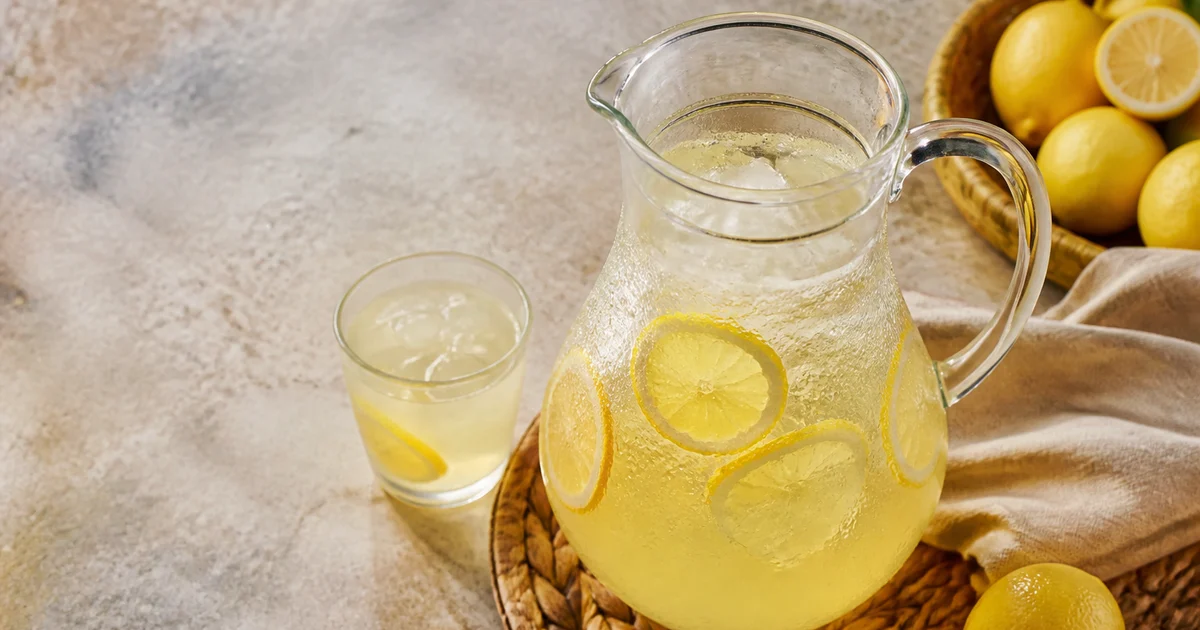
This commercial lemon sharbat recipe produces 12 litres with a cooked syrup base, controlled dilution and consistent 250 ml portions for carts and restaurants.
- Prep
- 30 min
- Cook
- 15 min
- Total
- 1 hr 15 min
- Yield
- 12 litres, about 48 portions
- Difficulty
- Easy
- Cuisine
- Bangladeshi
Method
- 1
Sanitise and chill equipment
Wash and sanitise the mixing container, strainer, measuring jugs and paddle before production. Chill the dilution water to 5°C or colder and keep it covered until required.
- 2
Prepare the lemon components
Wash and dry the lemons before removing only the coloured outer zest. Juice the fruit, strain out seeds and coarse pulp, then measure exactly 1.35 L and refrigerate it at 5°C or colder.
- 3
Cook the sugar syrup
Combine the sugar and syrup water in the stockpot and heat while stirring. Bring the liquid to 85°C to 90°C and hold for 3 to 5 minutes, until completely clear with no sugar grains on the pot base.
- 4
Infuse zest and salts
Remove the syrup from the heat and stir in the zest, fine salt and kala lobon. Leave for 5 minutes, then strain if a smooth, peel-free drink is required.
- 5
Cool the syrup rapidly
Place the covered syrup pot in an ice-water bath and stir it periodically with a sanitised paddle. Cool it below 10°C within about 30 to 40 minutes before adding any lemon juice.
- 6
Build the cold concentrate
Transfer the cooled syrup to the sanitised mixing container and add the cold strained lemon juice. Stir for 60 seconds, scraping the bottom until the concentrate is uniform and no salt remains visible.
- 7
Dilute to final volume
Add about 7 L of chilled water and mix thoroughly, then add more water until the total batch reaches exactly 12 L. Check the drink at 5°C or colder; it should taste clearly lemony, sweet and lightly salty without harsh bitterness.
- 8
Pack and cold hold
Divide the sharbat into covered, sanitised service containers and label them with production time. Hold at 5°C or colder and use within 24 hours; keep mint and ice separate until an order is served.
- 9
Portion for service
Stir each container before opening service because fine lemon solids may settle. Measure 250 ml of sharbat per sale into a 300 ml to 350 ml cup, then add ice and a small mint garnish without returning unused portions to the batch.
Notes for your kitchen
This commercial sharbat recipe produces 12 litres of balanced lemon sharbat, enough for 48 portions of 250 ml before service ice. The batch uses a cooked sugar syrup because dry sugar dissolves poorly in cold lemon juice and often settles at the bottom of a service container. Preparing the syrup separately also gives the kitchen better control over sweetness, dilution and advance production.
Why Lemon Sharbat Works Commercially
Lemon sharbat works well for a restaurant or food cart because one measured base can be diluted quickly into cups, bottles or iftar jugs. The drink requires little cooking, uses equipment already available in most kitchens and can be prepared before the busiest service period. Its familiar sweet, sour and lightly salty profile suits Bangladeshi meals, snacks and Ramadan menus.
The commercial advantage comes from controlling the finished volume rather than mixing by eye. The recipe yields eight 1.5 litre jugs, four 3 litre dispensers or 48 measured portions. Service staff can pour from a cold dispenser while the kitchen keeps reserve stock refrigerated, reducing queue time and accidental over-pouring.
Ingredient Selection and Quality
Fresh lemon juice is the ingredient where quality matters most because old, bruised or over-squeezed lemons make the entire batch bitter. Select firm, heavy lemons with fragrant skins and no mould around the stem. Lemon size is not a reliable purchasing measure, so production should be based on the measured juice yield rather than the number of fruits.
Wash the lemons under potable running water before zesting or cutting. Remove only the thin yellow or green outer zest; the white pith underneath is bitter. Juice with steady pressure and stop before crushing the pith and seeds. Strain immediately through a fine sieve, but do not use cloth so fine that all the aromatic pulp is removed.
Use clean white granulated sugar without moisture damage or foreign odour. Filtered or otherwise potable water is essential because most of the finished drink is water. Kala lobon contributes a familiar savoury note, but too much can dominate the lemon, so weigh it instead of using a spoon estimate. Mint should be bright, unwilted and held separately from the batch because prolonged soaking darkens the leaves and introduces a grassy taste.
Syrup and Dilution Technique
A clear syrup base prevents gritty sugar, uneven cups and last-minute mixing during service. Heat the sugar with its measured syrup water only until fully dissolved and the liquid reaches 85°C to 90°C. A hard rolling boil is unnecessary and causes evaporation, concentration changes and possible crystallisation around the pot.
Zest is infused briefly in the hot syrup to extract aroma without boiling fresh lemon juice. Lemon juice must be added only after the syrup has cooled below 10°C. Heating the juice drives off its fresh aroma and can increase peel-like bitterness, especially when the juice contains crushed seeds or pith.
Final dilution should be controlled by total volume. Combine the cooled syrup, strained juice and salts, add most of the chilled water, then top up exactly to the 12 litre mark. Stir from the bottom for at least one minute. If a refractometer is available, record the accepted house reading, usually around 14 to 16° Brix for this style, and use that reading as a consistency check rather than as a substitute for tasting.
Taste a sample at service temperature because warm sharbat appears sweeter and less sharp than cold sharbat. If adjustment is needed, correct a measured one-litre trial first. Once approved, apply that adjustment proportionally to the remaining batch instead of adding loose sugar, salt or juice directly to the full container.
Scaling for Iftar Production
Scale this sharbat recipe by multiplication, but keep the syrup concentration, final volume and cooling method unchanged. For a 6 litre batch, multiply every ingredient by 0.5; for 24 litres, multiply by 2. Weigh sugar, salts and zest, and measure liquids with graduated containers rather than relying on jug labels that have not been checked.
For large iftar service, make syrup in manageable lots instead of overfilling one pot. A deep, crowded pot cools slowly and may remain in an unsafe temperature range. Dilute the cold concentrate into sanitised 3 litre or 5 litre containers, leaving enough headspace to stir. Prepare jugs without ice, hold them refrigerated, and add measured ice to individual glasses so the last jug is not weaker than the first.
Lemon yield changes with variety, age and season. If a purchase produces less juice than expected, reduce the whole recipe according to the available measured juice or obtain more lemons. Do not replace missing juice with extra water, because that preserves volume but weakens acidity and flavour.
Cold Holding and Reheating
Finished lemon sharbat must be held at 5°C or colder and should be sold within 24 hours for the best flavour and safety. Transfer it into sanitised, covered food-grade containers immediately after mixing. Use shallow containers or smaller batches so the drink chills quickly, and verify the temperature with a clean probe thermometer rather than judging by touch.
At a cart, keep the working container in a well-drained ice bath or insulated cold box and keep reserve containers closed. Do not pour leftover drink from customer-service jugs back into the main batch. If the sharbat has remained above 5°C without reliable time control, use a conservative two-hour limit and discard it rather than returning it to refrigeration.
Finished sharbat should never be reheated. If plain syrup crystallises before lemon juice is added, it may be warmed gently to 50°C to 60°C until clear, then rapidly chilled again. Never warm a syrup that has already been mixed with fresh juice or mint.
Portioning and Yield Control
The stated yield is 48 portions only when each sale receives exactly 250 ml of liquid sharbat. Use a marked ladle, portion jug or dispenser with a checked volume. Serve the measured drink in a 300 ml to 350 ml cup with ice, rather than filling the cup with sharbat first and adding ice afterward.
For jug sales, standardise one or two jug sizes and define whether the advertised volume includes ice. An ice-free 1.5 litre jug should contain 1.5 litres of cold sharbat and produces six 250 ml portions. Review the expected 48-serving yield against actual sales using a portion control process. Short yield usually indicates over-pouring, unmeasured staff drinks, spills or melted ice being replaced with more product.
Mistakes That Cost Money
The most expensive mistakes are uncontrolled lemon yield, over-pouring, excessive garnish and discarding batches made too early.
- Boiling lemon juice: This removes fresh aroma and may create bitterness, forcing the kitchen to remake or over-sweeten the batch.
- Adding ice to storage containers: Melting ice changes both sweetness and yield, making later portions weaker.
- Mixing by cup count: Cup sizes and ice levels vary, so calculate production from litres of finished drink.
- Using unwashed peel: Zest carries surface dirt directly into the syrup and must come from properly washed fruit.
- Leaving mint in overnight: The leaves darken, soften and create unnecessary wastage. Garnish only at service.
- Topping up blindly: Extra water may recover volume after spills but destroys the approved flavour standard.
Keeping Cost Stable
Stable cost comes from measuring juice output, finished litres and actual portions from every batch. Fresh lemons usually create the largest cost movement because seasonal price and juice yield can change together. Record lemons issued, juice recovered and damaged fruit so purchasing can compare suppliers by usable yield rather than only by kilogram.
Maintain a standard garnish quantity and avoid placing mint or lemon slices in self-service containers where they are discarded unsold. Use recipe costing to update the batch whenever lemon yield or sugar purchasing changes, and compare theoretical output with sales and wastage. Rosuii can record the syrup or finished sharbat as a production that converts raw stock into a measured finished quantity, while wastage records identify spills and expired batches.
A low selling price does not protect profit if portions are uncontrolled. Monitor the drink's food cost percentage together with cup, lid, straw, ice and garnish usage, because packaging and service materials can move independently of the beverage ingredients.
What drives the cost
Fresh lemons usually dominate ingredient cost, and their usable juice yield changes with variety, maturity, storage and season. Sugar, ice, mint, cups and lids also affect the serving cost, especially when portions or garnishes are not measured.
Ingredient rates move with the market, so this describes what drives the cost rather than quoting a figure.
Questions from kitchens
How do I scale this sharbat recipe to 100 portions?
How long can finished lemon sharbat be held?
Can bottled lemon juice replace fresh juice?
Can the syrup base be prepared in advance?
Why did the batch produce fewer than 48 servings?
Related recipes
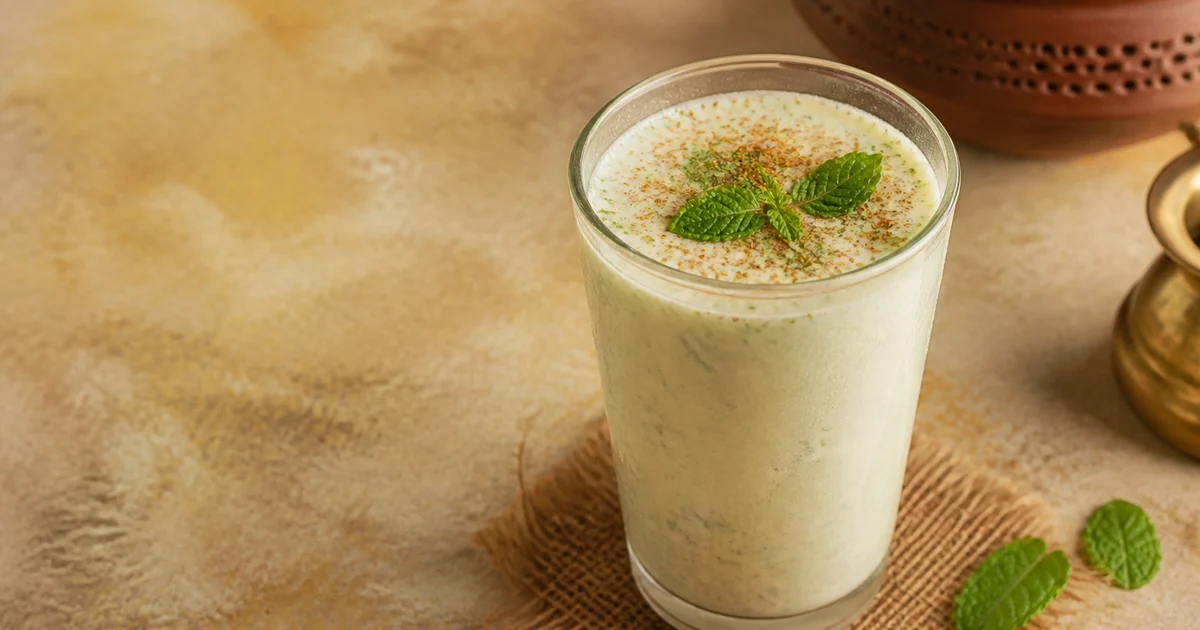
Commercial Borhani Recipe (10-Litre Batch)
A 10-litre commercial borhani batch for kacchi, weddings and bottled service, with controlled spice balance, cold holding and 50 consistent portions.
- Yield:
- about 10 litres or 50 x 200 ml portions
- Total:
- 3 hr
- Difficulty:
- Medium
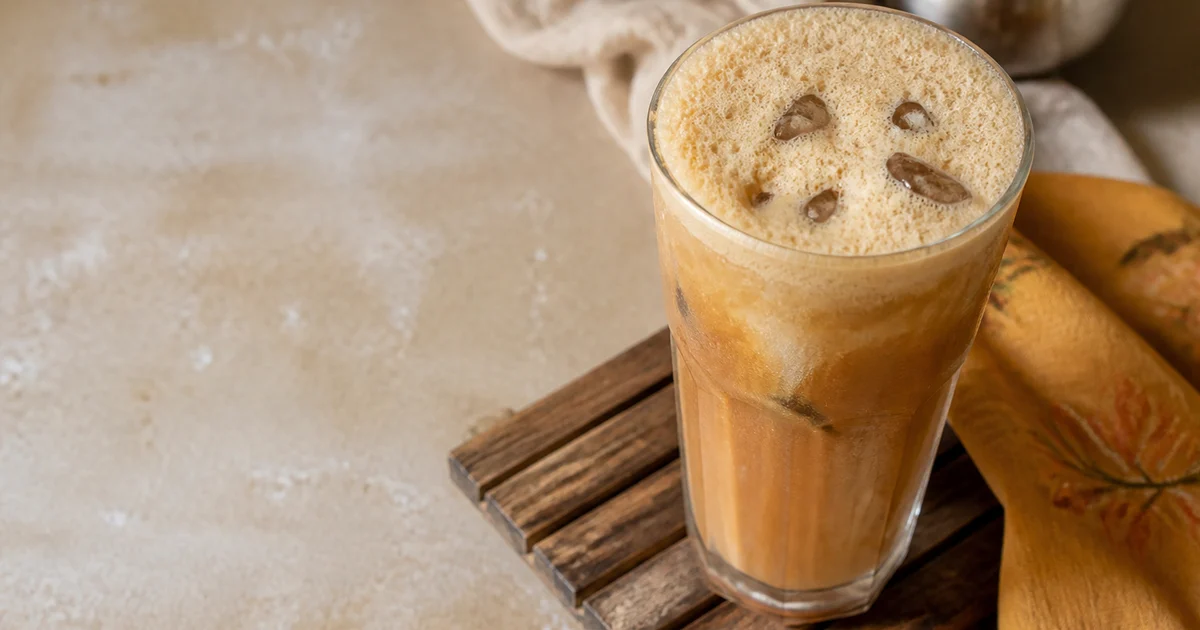
Commercial Cold Coffee Recipe
A commercial cold coffee recipe for 40 servings, using a make-ahead coffee base, measured ice and controlled blending for consistent froth and yield.
- Yield:
- about 40 x 320 ml servings
- Total:
- 1 hr 45 min
- Difficulty:
- Easy
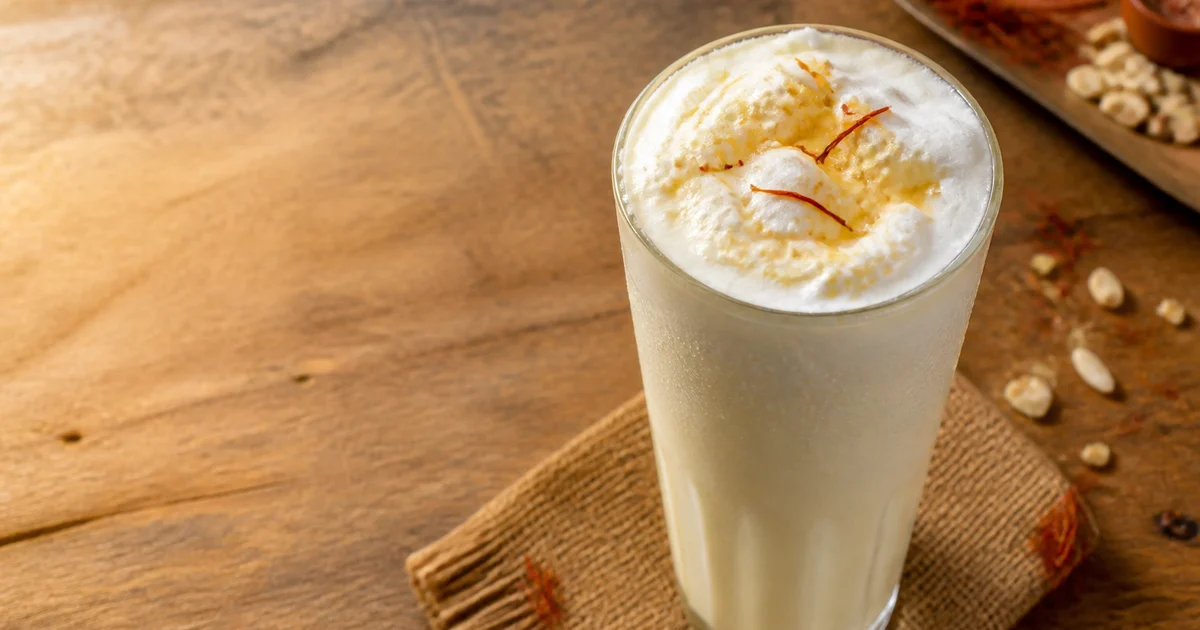
Commercial Sweet Lassi Recipe
A commercial 10-litre sweet lassi recipe with reliable blending, cold holding, salty variation and portion control for restaurants and food carts.
- Yield:
- about 40 cups of 250 ml
- Total:
- 1 hr 30 min
- Difficulty:
- Easy
Run your restaurant on Rosuii
POS, menu, inventory, payroll and more — built for Bangladeshi restaurants.
Start free