What Is an Expeditor in a Restaurant? The Person Who Runs the Pass
An expeditor controls the restaurant pass, coordinates kitchen timing, checks every plate, and makes sure each table receives the right food together.
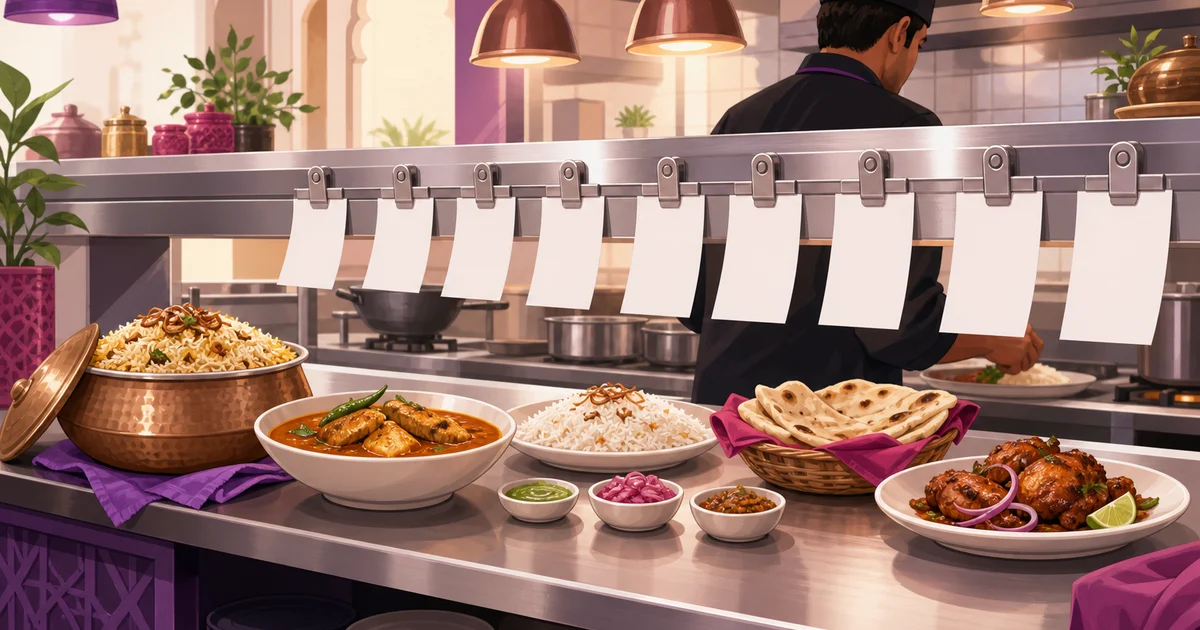
An expeditor, often called the expo, stands at the pass between the kitchen and dining floor, calls tickets, sequences dishes so a table's food lands together, and checks every plate before it leaves. Put simply, the expeditor restaurant role is the final control point between cooking and serving.
The expo does not just move plates. They keep cooks, waiters, takeaway packers and delivery handover staff working from the same order information. When the restaurant gets busy, this coordination prevents half-complete tables, forgotten modifiers, cold food and avoidable re-fires.
What does the expeditor restaurant role involve?
The expeditor owns the flow of food through the pass. The pass is the pickup area where completed dishes move from kitchen stations to waiters, runners or takeaway packing.
During service, the expo usually:
- Receives and reads each kitchen ticket or digital order.
- Calls the order clearly to the relevant stations.
- Decides when different dishes should start cooking.
- Tracks which items are still missing for each table.
- Checks portions, presentation, temperature and modifiers.
- Confirms that the full table order is ready.
- Sends food to the correct table, takeaway counter or delivery handover point.
- Coordinates re-fires when a dish is wrong, damaged or delayed.
The central objective is simple: the right food should reach the right guest at the right time. Speed matters, but sending an incomplete or incorrect order quickly is not good service.
What an expo does before, during and after a shift
Before service
A good expo starts before the first ticket appears. They confirm which kitchen stations are open, which menu items are unavailable, who is running food and where takeaway or delivery orders will be collected.
They also check the pass itself. Plates, takeaway containers, cutlery, sauces and garnishes need to be within reach. If the restaurant uses printed KOTs, the printer must be working and paper must be loaded. If it uses a kitchen display system, station screens, order routing and alert sounds should be tested.
The expo should know the expected rush periods and any large reservations. A booking for 20 guests requires different timing from several tables of two.
During service
Once orders begin, the expo controls priority and timing. They scan new tickets, call the items, watch station progress and build complete table orders at the pass. They also communicate with the floor. If guests are not seated yet, a table has requested a pause, or a delivery rider is waiting, the expo may adjust the release sequence.
The busiest moment is often not when the most tickets arrive. It is when several stations finish at different speeds. Rice, naan, kebab, curry and drinks may all come from separate work areas. The expo has to prevent the first finished item from sitting until it loses heat or texture.
After the rush or shift
After service, the expo should review recurring problems. Were modifiers difficult to read? Did one station regularly run late? Were takeaway items packed without sauces? This is operational information, not blame. It can guide menu changes, station preparation, staff training and equipment placement.
How an expeditor reads and calls a ticket
A ticket should be read as a set of instructions, not just a list of dishes. Whether it appears on paper or a screen, the expo checks:
- Order identity: table number, takeaway reference, delivery order or customer name.
- Order time: how long the ticket has been open.
- Items and quantities: including repeated dishes.
- Variations and modifiers: size, spice level, add-ons, exclusions or special notes.
- Course and timing needs: which items must finish together and which can be released separately.
- Destination: dine-in table, takeaway counter or delivery handover.
A kitchen order ticket, commonly called a KOT in Bangladesh, is the kitchen's working record of the order. The expo translates that record into short, clear calls.
For example, a ticket might contain two chicken biryanis, one beef kebab, one naan without butter and one extra raita. The expo calls the quantities and important modifier first, then confirms that the relevant cooks heard them. In a loud kitchen, a call-back system helps: the cook repeats the instruction so the expo knows it was understood.
Common expo calls
- Fire: begin cooking the item now.
- Hold: do not start or release the item yet.
- Pickup: finish and bring the item to the pass.
- All day: the total quantity of an item currently needed across open tickets.
- Re-fire: prepare the item again because the first version cannot be served.
Restaurants do not need to copy foreign kitchen language exactly. Bangla, English or a practical mixture can work. Consistency matters more. Every cook should understand the same words, quantities and priorities.
How the expo sequences dishes
Different dishes have different cooking times. If a grilled item needs 15 minutes and a plated dessert needs two minutes, starting both together would be a mistake. The expo works backward from the desired pickup time.
They consider preparation time, current station workload and how well each item holds. Fried food may lose crispness quickly. Naan can cool while a curry is still being finished. Ice cream obviously should not wait beside hot dishes.
For a dine-in table, the expo generally aims to release the table's dishes as one coordinated pickup unless the service style says otherwise. For takeaway, the concern includes packing order and travel. Hot and cold items may need separate handling, while gravies, drinks and small add-ons require a final count before the bag is closed.
This is why an experienced expo keeps looking beyond one ticket. They maintain a picture of all open orders, station capacity and the dining room's immediate needs.
What happens when an item needs a re-fire?
A re-fire means an item must be made again. It may be overcooked, cold, dropped, assigned to the wrong table or prepared against a guest's instruction.
The expo should respond in a fixed sequence:
- Stop the incorrect plate from leaving the pass.
- State the table, item and reason clearly.
- Mark or communicate the re-fire so it is not confused with a new sale.
- Give the station an appropriate priority without silently disrupting every other order.
- Tell the waiter or floor lead about the delay.
- Recheck the replacement before release.
Shouting without clear information wastes more time. The useful call is not simply “again.” It is “Table 6, one chicken steak re-fire, no mushroom sauce.” That gives the station an exact action.
How should an expo handle a missing modifier?
A missing or unclear modifier should never be guessed. If the ticket says “no onion,” “less spicy,” “extra cheese” or includes an allergy-related note, the expo must confirm that the kitchen has followed it.
If the modifier is missing from the kitchen's view but appears in the POS, the expo should hold the plate and clarify the instruction. If the original order itself is unclear, they should ask the waiter or order taker. For a table self-order, staff may need to confirm directly with the guest.
Allergy requests need particular care. The expo should not promise that a dish is allergen-free unless the kitchen can genuinely control ingredients and cross-contact. When uncertain, the manager or chef should explain the limitation to the guest.
Why small Bangladeshi restaurants often combine the role
Many small restaurants, cafes and cloud kitchens in Bangladesh do not employ a dedicated expeditor. Their ticket volume may not justify another full-time position. Instead, the head chef, senior waiter, floor supervisor or owner performs the role during busy periods.
A head chef can coordinate cooking well because they understand each station. However, they may struggle to monitor the dining room while preparing food. A senior waiter has better knowledge of table conditions but may lack authority inside the kitchen. The best choice is the person who can read tickets accurately, speak clearly and make calm priority decisions.
Even when the role is part-time, it should be assigned explicitly. If everyone assumes somebody else is checking the pass, nobody owns the final order. During Friday dinner, Ramadan iftar service or a large group booking, one named person should control release.
As order volume grows, a dedicated expo becomes useful when station cooks and floor staff spend too much time chasing missing items, checking tickets or asking which order should leave next.
How a KDS performs part of the expo's job
A KDS replaces scattered paper tickets with organised digital order views. With station routing, grill items can appear at the grill while drinks or desserts appear at their assigned stations. Aging timers show how long each order has been waiting, and status changes let staff move work from new to preparing and onward.
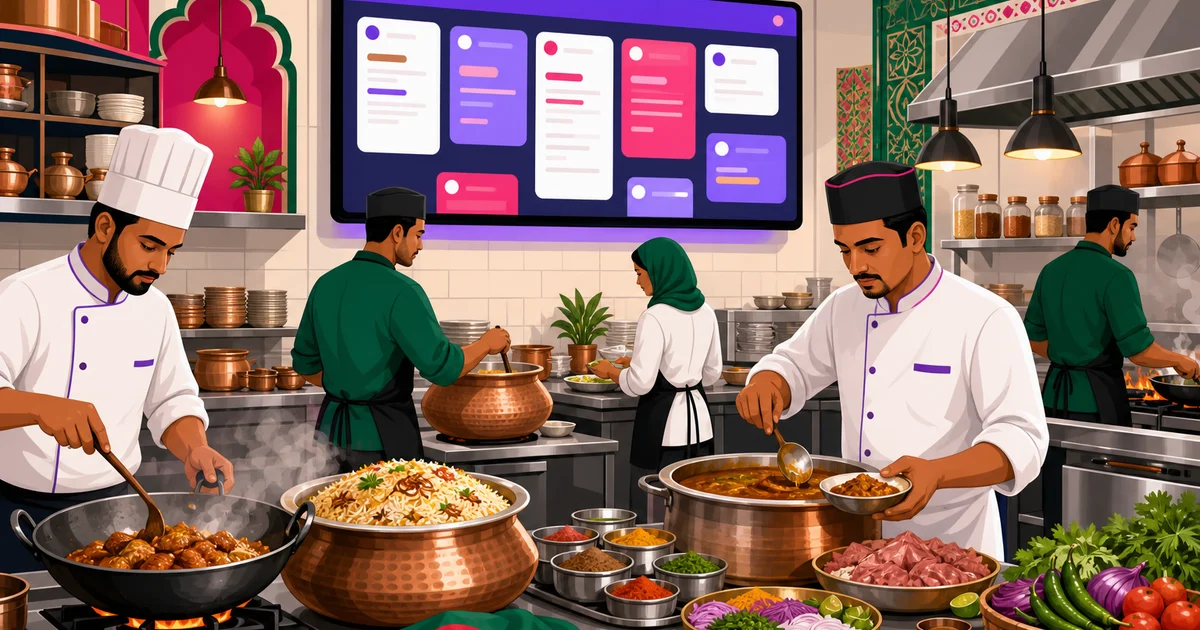
Rosuii's KDS provides a kanban-style workflow, MM:SS aging timers, per-station views, an alert chime and fullscreen operation. These tools make open work visible and reduce repeated verbal questions. Understanding how each kitchen station is organised helps a restaurant configure routing sensibly.
A KDS can take over several mechanical parts of expediting:
- Displaying orders consistently and legibly.
- Routing items to the relevant preparation station.
- Showing ticket age and highlighting delays.
- Keeping item modifiers attached to the order.
- Showing status updates across connected kitchen screens.
It also creates a shared source of information. The expo can see which items are still open instead of walking to every station or searching through paper slips.
What a KDS cannot replace
A screen cannot fully judge the room. It may show that Table 8 has waited 12 minutes, but it does not automatically understand that the guests asked for a pause, a child needs food first, or a takeaway customer has arrived early.
Human judgement is still needed to assess plate quality, resolve conflicting priorities, communicate delays and decide whether dishes are ready to leave together. The expo also notices physical details that the ticket cannot see: a missing garnish, leaking container, wrong portion, cold plate or untidy presentation.
The practical model is not KDS versus expeditor. A KDS handles visibility, routing and elapsed time. The expeditor uses that information to make service decisions.
A simple pass checklist for restaurant owners
- Name one person responsible for the pass during each rush.
- Define standard calls for fire, hold, pickup and re-fire.
- Keep table or order numbers visible on every plate group.
- Require a final modifier check before release.
- Separate dine-in, takeaway and delivery handover areas where possible.
- Record repeated delay causes after the shift.
- Configure KDS stations to match the real kitchen layout.
A strong pass does not need complicated theatre. It needs ownership, clear information and disciplined checks. When those basics are in place, food leaves faster, fewer dishes return, and waiters spend less time searching the kitchen.
Rosuii connects POS orders with KOT workflow, per-station KDS screens and aging timers for Bangladeshi restaurants. To organise your kitchen pass and test the system with your own menu, register for Rosuii.
Last updated:
Frequently asked questions
What is an expeditor in a restaurant?
Is an expeditor the same as a head chef?
Does every restaurant need a dedicated expeditor?
What is the difference between a KOT and a KDS?
Can a KDS replace a restaurant expeditor?
Run your restaurant on Rosuii
POS, menu, inventory, payroll and more — built for Bangladeshi restaurants.
Start free