
Restaurant Recipes
Commercial Beguni Recipe
A commercial beguni recipe yielding about 160 crisp pieces, with practical controls for slicing, batter consistency, frying, holding and iftar service.
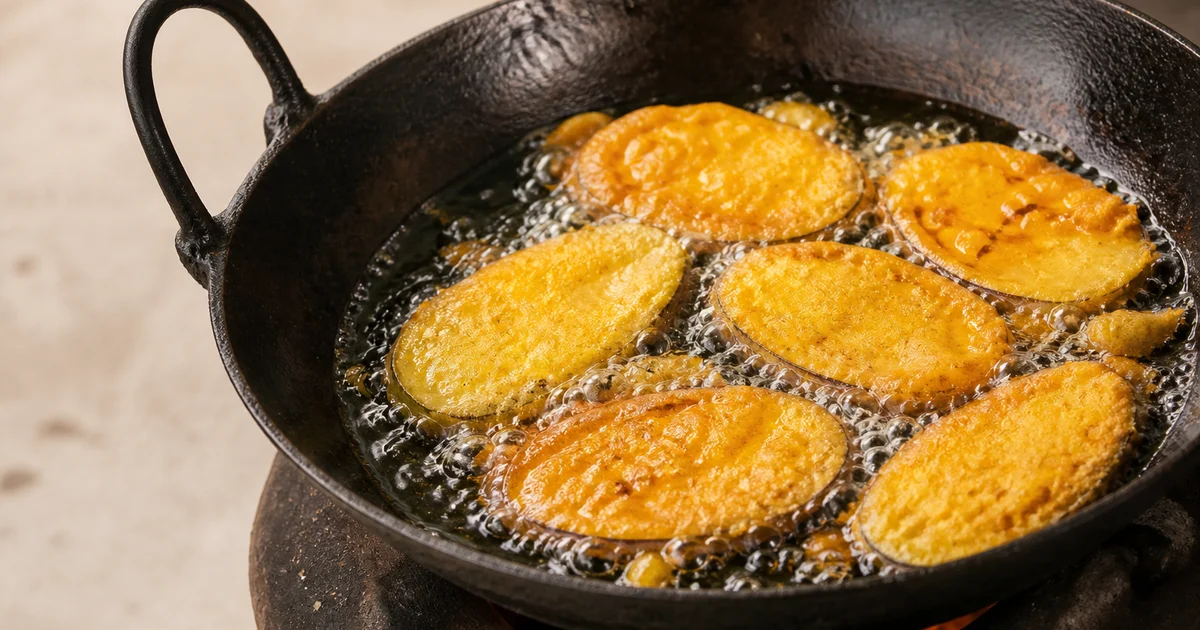
- Prep
- 30 min
- Cook
- 45 min
- Total
- 1 hr 15 min
- Yield
- about 40 plates
- Difficulty
- Medium
- Cuisine
- Bangladeshi
Method
- 1
Trim and slice brinjal
Remove the stem ends and cut the brinjal lengthwise or diagonally into uniform 4 to 5 mm slices. Aim for about 160 usable slices, rejecting soft, heavily seeded or damaged sections.
- 2
Salt and dry slices
Spread the slices in shallow trays, sprinkle with 25 g salt and rest for 8 minutes. Blot both sides until the surfaces are damp but not wet; do not leave the slices salted for more than 15 minutes.
- 3
Combine the dry mix
Whisk the besan, rice flour, turmeric, chilli, cumin, kalo jeera and batter salt until evenly distributed. Break every lump before water is added so the finished coating has no dry pockets.
- 4
Mix and rest batter
Whisk in 3.2 litres chilled water gradually until smooth, then rest for 15 minutes. Add small amounts of the reserved water until the batter coats a spoon in a continuous ribbon that settles in about 2 seconds.
- 5
Add soda before frying
Mix the baking soda evenly into the working batter immediately before service. Keep reserve batter covered at 5°C or below and bring out only enough for 20 to 30 minutes of frying.
- 6
Heat and check oil
Fill the fryer or kadais to a safe operating level and heat the oil to 180°C. Skim old crumbs and confirm that the temperature remains between 175 and 180°C before loading each batch.
- 7
Coat and load slices
Dip each dry brinjal slice fully, let excess batter drain for 1 second and lower it carefully into the oil. Load only one loose layer, usually 10 to 14 pieces per large kadai, without allowing the oil to fall below 170°C.
- 8
Fry until crisp
Fry for 3 to 4 minutes, turning once after the coating has set. Remove the beguni when it is evenly golden, crisp at the edges and the brinjal bends easily without feeling raw.
- 9
Drain and serve
Drain over the fryer for 10 seconds, then transfer to a raised wire rack. Hold uncovered at 60°C or above and sell within 10 to 15 minutes for the best texture.
Notes for your kitchen
This commercial beguni recipe produces about 160 pieces, enough for 40 plates of four pieces each. The method is designed for a restaurant, tea stall or food cart using one large fryer or two heavy kadais. Consistent slice thickness, controlled batter hydration and correct oil temperature matter more than adding extra spices.
Why beguni suits commercial service
Beguni works commercially because it uses familiar ingredients, fries quickly and can be produced continuously during a rush. The dry mix can be prepared before service, while brinjal can be trimmed and organised into measured production lots. A three to four-minute frying cycle allows a kitchen to replenish the display without cooking the full forecast at once.
The main operational challenge is that beguni loses crispness quickly. It should therefore be treated as a short-hold fried item, not as a snack that can be piled into a covered container for an hour. Production should follow actual order flow, especially at iftar when demand rises sharply for a short period.
Selecting brinjal and batter ingredients
The best commercial brinjal is firm, evenly shaped and low in mature seeds. Long purple brinjal is usually easier to portion than round varieties because its diameter remains more consistent. Choose pieces with glossy skin, a green calyx and no soft patches. Oversized, seedy brinjal can taste bitter, absorb more oil and produce irregular portions.
Besan quality directly affects coating, colour and flavour. Fresh besan should smell mildly nutty rather than stale or musty, and it should break apart easily when sieved. Rice flour gives a drier, crisper shell, but too much makes the coating brittle and pale. Baking soda must be measured accurately because excess soda creates a dark, oily crust with an alkaline aftertaste.
Use a neutral frying oil suitable for repeated high-temperature service. Oil previously used for fish, strong spices or heavily breaded products will transfer flavour and burnt particles to the beguni. Filter serviceable oil after each shift and discard it according to your kitchen's oil-quality standard when it becomes dark, foamy, sticky or strongly scented.
Brinjal slicing and moisture control
Every slice should be 4 to 5 mm thick so that the centre softens before the coating becomes too dark. Thinner slices collapse and carry too much batter relative to brinjal, while thick slices may remain firm in the centre. A mandoline gives the best uniformity, but a trained cook with a sharp chef's knife can work accurately using a sample slice as a thickness guide.
Keep the skin on because it supports the slice and reduces breakage. Light salting draws surface moisture and seasons the vegetable, but long salting makes slices wet and limp. Rest them only briefly, then blot both sides. Do not wash salted slices immediately before coating because free water thins the batter and increases splashing.
Cut brinjal in production waves rather than preparing the whole day's volume in the morning. If slices must wait, keep them covered in a shallow food-grade tray away from heat and direct airflow. Do not leave cut brinjal soaking in plain water for extended periods because it takes on water that later turns to steam in the fryer.
Controlling besan batter consistency
Correct beguni batter should coat a slice in an even 2 to 3 mm layer without running off in clear streaks. When lifted from the bowl, it should fall from a spoon as a continuous ribbon and disappear into the surface after about two seconds. A batter that pours like water gives bare patches, while a paste-like batter creates a thick centre and absorbs more oil.
Add most of the measured water first, whisk until smooth and then adjust with the reserved water. Besan hydration varies by supplier, storage age and humidity, so the final portion of water is an adjustment rather than an automatic addition. Resting the batter allows dry particles to hydrate and reveals its true thickness.
Stir baking soda in shortly before frying. During a long iftar shift, divide the batter into smaller working bowls and keep the reserve chilled at 5°C or below. A large bowl beside a hot fryer becomes thinner as it warms and becomes contaminated by repeated contact with raw brinjal and the cook's hands.
Frying without excessive oil absorption
Stable oil at 175 to 180°C is the main control against greasy beguni. If the temperature falls below about 170°C, the batter sets slowly and absorbs more oil. If it rises above 185°C, the coating colours before the brinjal becomes tender.
Do not fill more than one loose layer of the frying surface. Overloading causes a sudden temperature drop and makes pieces stick together. Let surplus batter drip for a second before loading, place each slice away from the operator and separate touching pieces during the first minute.
Drain finished beguni on a raised wire rack or perforated tray. Paper placed flat under hot pieces traps steam against the lower crust. Remove loose batter crumbs between batches because they burn, darken the oil and attach bitter particles to later production.
Scaling and iftar volume planning
Scale the dry ingredients and brinjal by weight, but adjust the final water according to the batter test. For each 1 kg of besan, retain the same rice flour, spice, salt and soda ratios shown in the master batch. Hold back roughly 10 percent of the calculated water until the rested batter has been checked.
Frying capacity does not increase simply because the recipe quantity increases. Record how many pieces each kadai or fryer can cook while recovering to at least 175°C within one minute of loading. Multiply that load by the realistic number of cycles available before the expected iftar handover period.
Prepare dry mix and measured brinjal lots in advance, but fry in waves. Keep a small raw-material buffer instead of cooking the entire forecast early. Historical item sales, documented wastage and inventory management records are more reliable than guessing from the previous day's weather or footfall alone.
Holding and reheating for service
Fresh beguni should be sold within 10 to 15 minutes for the best crust. Hold it uncovered on a rack at 60°C or above, with enough space for steam to escape. Do not cover it with a lid, stack it deeply or place it in an unvented plastic tub.
If reheating is unavoidable, use a convection oven or air fryer at 190°C for two to three minutes until the coating is crisp and the centre is steaming. Do not microwave beguni because the crust becomes soft. Avoid a second full deep-fry, which increases oil pickup and can over-darken the besan coating.
Portioning and yield control
A controlled serving is four similar pieces selected from a defined diameter range. Weigh the trimmed brinjal and count usable slices from every supplier lot to establish the actual pieces per kilogram. Large and small slices should not be mixed randomly because customers compare plates visually.
Use a standard plate, paper pouch or tray and train servers to follow the stated piece count. Track broken slices, discarded ends, leftover batter and unsold cooked pieces separately. The practical methods in this portion control guide help stop quiet over-serving during busy periods.
Mistakes that cost money
The most expensive beguni mistakes are irregular cutting, loose batter, overcrowded oil and cooking too far ahead. Thick slices extend frying time, while very thin slices increase the coating used per kilogram of brinjal. Batter repeatedly thinned without measurement produces poor coverage and leaves more sediment in the fryer.
- Cold oil: creates greasy coating and reduces the useful life of the frying oil.
- Excess soda: darkens the crust quickly and gives an unpleasant alkaline flavour.
- Wet slices: cause batter slippage, splashing and uneven bare areas.
- Deep stacking: traps steam and turns crisp stock soft before sale.
- Unrecorded waste: hides losses from trimming, breakage and overproduction.
Keeping the cost stable
Stable cost comes from controlling brinjal yield, batter pickup and frying-oil condition. Compare suppliers by usable trimmed yield and slice consistency, not only by the purchase weight. Monitor actual batch output through recipe costing, and investigate whenever the number of sellable pieces drops or oil use rises.
Standardise the ladle, working-bowl size, slice gauge and fryer load. Filter oil regularly, remove crumbs and avoid mixing beguni production with strongly flavoured items. These controls protect both product quality and the number of portions produced from each batch.
What drives the cost
Brinjal and frying oil dominate the variable cost, while besan is the main coating cost. Brinjal season, usable yield, batter pickup and the rate at which frying oil degrades cause the largest cost movement.
Ingredient rates move with the market, so this describes what drives the cost rather than quoting a figure.
Questions from kitchens
How do I scale this beguni recipe for 400 plates?
How many beguni pieces should one fryer batch contain?
How long can fried beguni be held?
Can rice flour be replaced in the batter?
Can leftover batter or cooked beguni be used the next day?
Related recipes
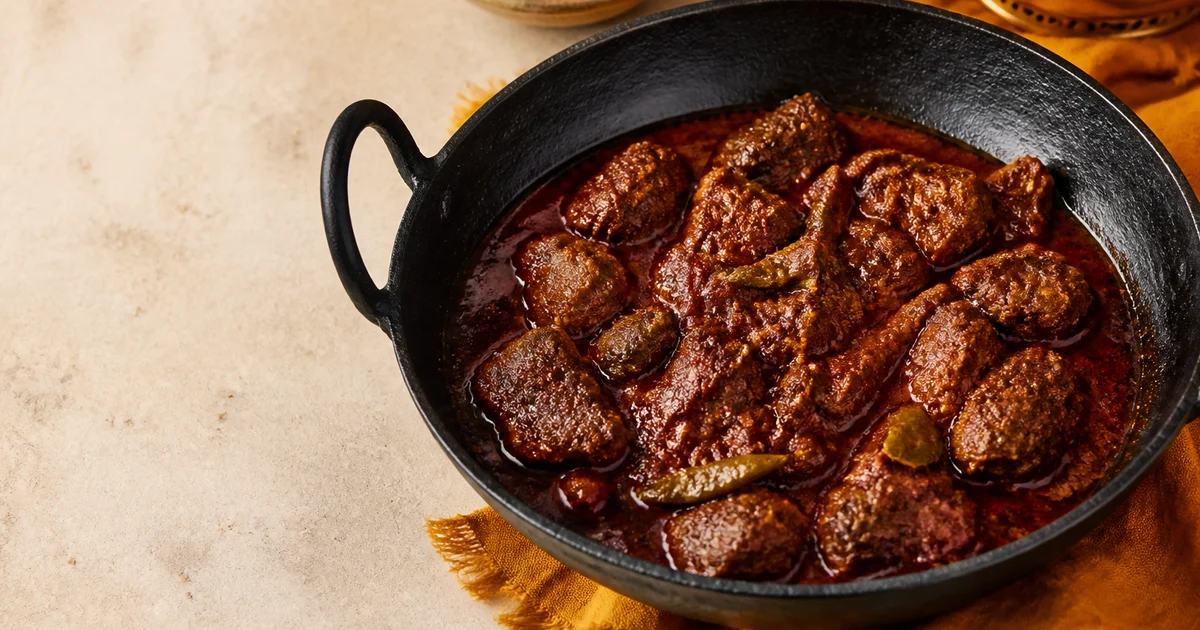
Commercial Beef Bhuna Recipe
A commercial beef bhuna recipe for about 40 plates, with a long bhuna stage, clear oil-separation cues, controlled portions and service-safe reheating.
- Yield:
- about 40 plates
- Total:
- 4 hr 15 min
- Difficulty:
- Medium
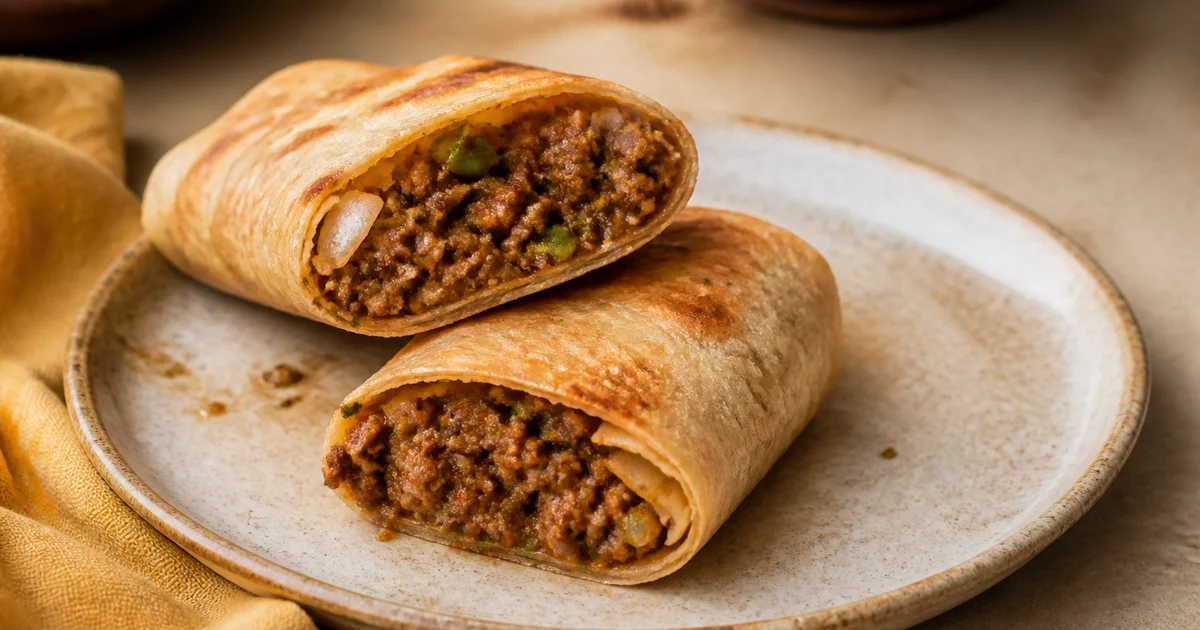
Commercial Bangladeshi Beef Roll Recipe
A commercial beef roll recipe producing 40 consistent rolls with tender cooked-down beef, crisp vegetables, controlled moisture and practical service guidance.
- Yield:
- 40 beef rolls
- Total:
- 1 hr 35 min
- Difficulty:
- Medium
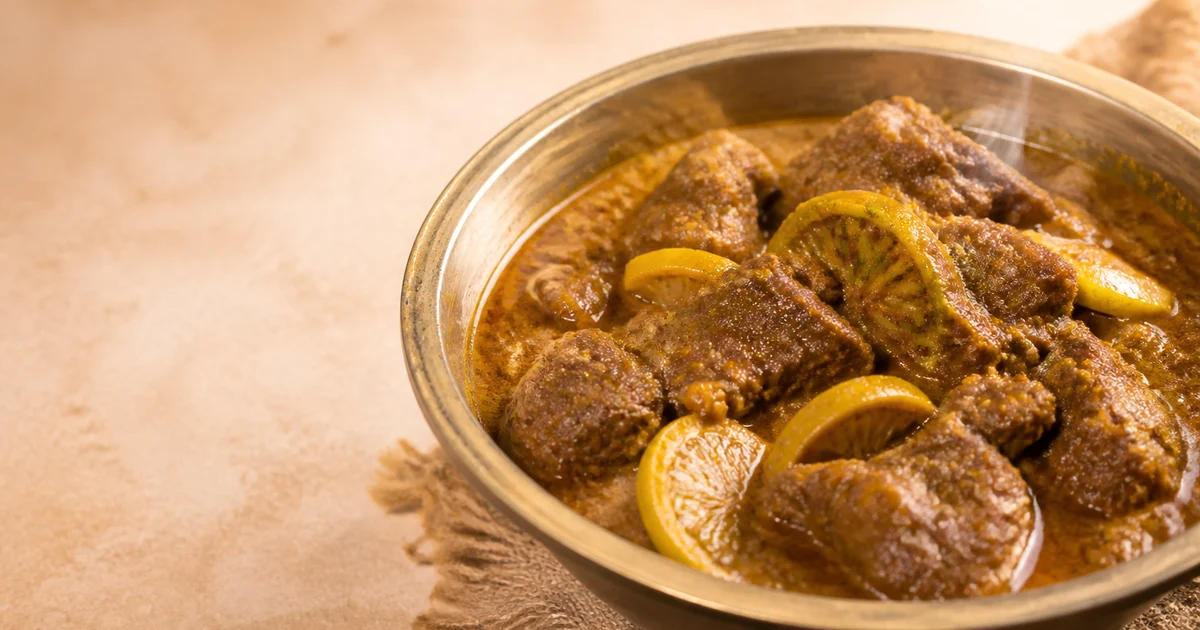
Commercial Beef Shatkora Recipe
A commercial Sylheti beef shatkora recipe for 30 plates, with controlled citrus bitterness, batch scaling, holding, reheating and yield guidance.
- Yield:
- about 30 plates
- Total:
- 3 hr 15 min
- Difficulty:
- Medium
Run your restaurant on Rosuii
POS, menu, inventory, payroll and more — built for Bangladeshi restaurants.
Start free