
Restaurant Recipes
Commercial Chicken Shawarma Recipe
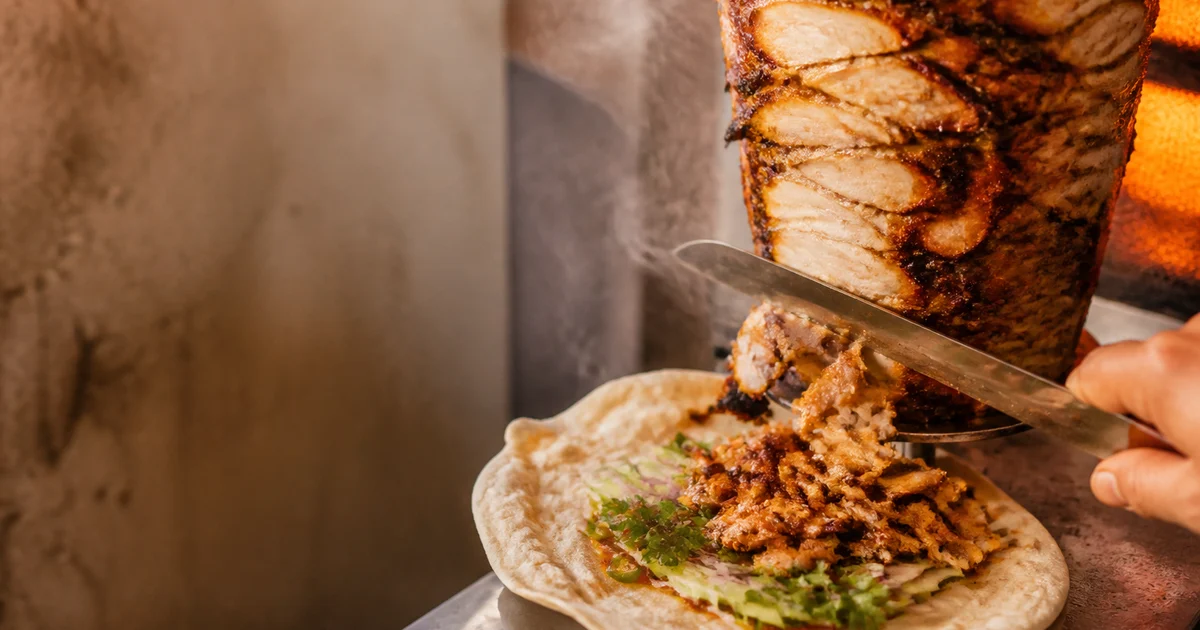
A commercial chicken shawarma recipe for about 40 wraps, covering marination, spit stacking, thin shaving, garlic sauce, safe holding and yield control.
- Prep
- 1 hr
- Cook
- 1 hr 30 min
- Total
- 14 hr 30 min
- Yield
- about 40 shawarma wraps
- Difficulty
- Medium
- Cuisine
- Middle Eastern
Method
- 1
Trim And Weigh Chicken
Keep the chicken at 5°C or below while trimming loose fat, cartilage and damaged pieces. Weigh 8 kg after trimming, then drain excess liquid so the marinade will cling evenly.
- 2
Mix The Marinade
Whisk the yoghurt, 300 ml lemon juice, 250 ml oil, 180 g garlic paste, 120 g salt and spice blend until smooth. Add the cold chicken and mix for 3 to 4 minutes until every fold and surface is coated, with no dry pieces or liquid puddle.
- 3
Marinate Under Refrigeration
Transfer the chicken to covered food-grade containers no deeper than 15 cm. Label and refrigerate at 0 to 5°C for 8 to 12 hours, turning the batch once after about 4 hours if the coating has settled.
- 4
Prepare Cold Garlic Sauce
Process the peeled garlic and remaining salt for 2 to 3 minutes until very fine, scraping the bowl regularly. With the machine running, add the remaining oil in a thin stream, alternating with the remaining lemon juice and ice water, until the sauce is white, glossy and thick; keep it at 5°C or below.
- 5
Build A Compact Spit
Load the chicken directly from refrigeration, alternating the direction of each thigh and pressing firmly every 4 to 5 layers. Keep the cone centred, compact and within the machine's rated capacity, then return it to refrigeration if cooking will not begin immediately.
- 6
Start Cooking Slowly
Preheat the shawarma machine according to its manufacturer, then begin at moderate heat with the stack rotating continuously. Cook for 25 to 35 minutes before the first shave, until the exterior is deep golden and a shaved sample reaches at least 74°C.
- 7
Shave Thin Cooked Layers
Slice only the browned exterior in downward strokes about 2 to 3 mm thick. Rotate continuously and wait for the newly exposed surface to brown before shaving again; never cut deeply into pink inner chicken.
- 8
Finish On Hot Griddle
Transfer each shaving batch to a clean griddle at 200 to 220°C for 30 to 60 seconds. Turn the chicken until the edges are lightly crisp and verify a core temperature of at least 74°C before service or hot holding.
- 9
Assemble Standard Wraps
Place one flatbread on the bench and add 45 g garlic sauce, 140 g cooked chicken, 30 g cabbage, 25 g pickle and 30 g tomato. Fold and roll firmly, then toast seam-side down at 180 to 200°C for 30 to 45 seconds until sealed.
- 10
Hold Small Service Batches
Hold shaved chicken above 60°C in shallow covered pans and aim to sell each batch within 30 to 45 minutes. Keep sauce and vegetables at 5°C or below, and replace serving utensils whenever they become contaminated.
- 11
Close The Spit Safely
At close, continue cooking and shaving until all remaining chicken has reached at least 74°C, finishing each batch on the griddle. Cool in shallow pans from 60°C to 21°C within 2 hours and to 5°C within another 4 hours; label, refrigerate and use within 24 hours after one reheating.
Notes for your kitchen
This chicken shawarma recipe produces about 40 controlled portions for a restaurant, cafe or food cart. It uses boneless chicken thigh, a yoghurt-based marinade, an egg-free garlic emulsion and a compact vertical spit. Allow 12 hours for marination, then plan roughly 90 minutes for cooking and shaving, depending on burner strength and spit diameter.
Why chicken shawarma works commercially
Chicken shawarma works commercially because it can be cooked visibly, portioned quickly and sold as a wrap, plate, combo or add-on. Most preparation happens before service, while final shaving, griddle finishing and assembly take only a few minutes. The same cooked chicken can support different menu variations without changing the core production batch.
The business risk is uncontrolled shaving. A cook who fills each wrap by eye can easily add 20 to 40 g more chicken than planned. That reduces the number of portions from one spit and makes sales data unreliable. Use a digital scale during setup and regular service checks, even if experienced staff eventually portion with a scoop or tong count.
Ingredient quality and selection
Boneless chicken thigh is the quality point that matters most in commercial shawarma. Thigh remains moist during repeated exposure to the burner and contains enough fat to baste the stack. Breast meat can be included, but a breast-heavy stack dries quickly and produces more brittle shaved pieces. Buy evenly trimmed thigh from a supplier who can maintain the same specification from delivery to delivery.
Reject chicken with excessive purge, bruising, sour odour or inconsistent trimming. Large loose fat deposits should be removed, but stripping every trace of fat reduces flavour and moisture. Weigh the chicken after trimming because purchased weight is not the same as usable production weight.
Use thick, unsweetened doi and a fresh, salt-free shawarma spice blend. A useful blend should taste mainly of cumin, coriander, paprika, black pepper and warm cardamom or cinnamon notes. Very cheap blends may contain excess salt, starch or old ground spice, making seasoning difficult to control. Flatbread quality also matters because dry khubz cracks during rolling and turns a correctly portioned wrap into wastage.
How the marinade works
The marinade must season the chicken without making its surface wet and pasty. Salt provides the main penetration, while yoghurt, lemon, garlic, oil and spices season and coat the meat. Mixing until every piece is evenly covered is more important than adding extra liquid. A puddle at the bottom of the container indicates poor mixing, watery yoghurt or chicken that was not drained properly.
Marinate at 0 to 5°C for 8 to 12 hours. Less than 6 hours gives weak seasoning in thick thigh pieces, while much longer than 18 hours can soften the surface excessively and create ragged shavings. Keep the batch covered, labelled and off the floor. Never reuse marinade that has contacted raw chicken.
Stacking and shaving the spit
A stable shawarma spit is built by alternating the direction of the chicken and compressing every few layers. Place broader pieces near the lower and middle section, overlap gaps and keep the centre balanced around the skewer. Do not create a wide top and narrow base. An uneven cone cooks irregularly, strains the motor and may bring raw sections too close to the knife.
Keep the stack within the machine manufacturer's weight and diameter limits. Start with moderate heat so the outside firms without burning before the inner stack warms. Move the burner or spit position where the equipment allows it. The surface should become deep golden with small crisp edges, not black patches over pale meat.
Shave only the browned outer layer in strokes about 2 to 3 mm thick. The knife must never cut deeply into pink chicken to speed service. Check that the shaved meat reaches at least 74°C, using a sanitised probe in several samples. A short finish on a hot griddle improves browning, catches thicker undercooked pieces and gives more consistent service temperature.
Making stable garlic sauce
Garlic sauce stays thick only when oil is added gradually into a cold garlic base. Process the garlic and its measured salt until very fine, then alternate thin additions of oil, lemon juice and ice water. The finished sauce should be white, glossy and firm enough to hold on a spoon.
If the oil is poured too quickly, the emulsion separates and becomes greasy. Stop adding oil as soon as separation appears. Start a new small garlic base and slowly blend the split mixture into it rather than discarding the whole batch. Keep finished sauce at 5°C or below and use clean, dry utensils to prevent contamination.
Scaling without damaging the result
The marinade can be scaled by weight, but spit cooking time does not scale in a straight line. A half batch needs half of every marinade component, yet a narrower spit may cook faster because more of its mass is close to the heated surface. A larger batch should usually be divided between two rated spits instead of building one oversized cone.
Keep salt, spice, acid and oil at the same ratio to trimmed chicken. Do not increase lemon to make a large batch taste stronger because extra acid changes the surface texture. Record raw trimmed weight, cooked weight and sellable portions for several batches. That production history is more reliable than assuming one fixed cooking-loss percentage for every supplier or machine.
Holding and reheating during service
Shaved chicken should be produced in small rounds and held above 60°C for the shortest practical time. For best texture, aim to sell each shaved round within 30 to 45 minutes. Use a covered hot pan with shallow depth, but do not flood the meat with water or marinade. Mix a small amount of fresh shaving into the held chicken to refresh crispness rather than allowing a large pan to accumulate.
For reheating, spread chilled cooked chicken in a thin layer on a hot griddle or tray and bring it to at least 74°C. Reheat only once and avoid mixing reheated leftovers into a new production batch. Chicken that has remained at an unsafe temperature should not be rescued by reheating because heat does not reliably correct every form of time-temperature abuse.
Wrap assembly and yield control
A standard wrap should contain 140 g cooked chicken and the same measured amount of sauce and vegetables every time. Drain pickles, remove watery tomato centres and keep shredded cabbage cold and crisp. Excess vegetable water weakens the bread and causes leakage during takeaway delivery.
Spread sauce across the bread instead of placing it in one heavy spot. Add chicken in a narrow line, distribute vegetables evenly, fold the lower edge and roll firmly without crushing the bread. Toast the closed wrap briefly with the seam down at about 180 to 200°C until sealed and lightly marked.
Compare actual cooked yield with the target before service and adjust the number of available portions, not the portion size. For a structured system, follow a written portion control guide and calculate the batch through consistent recipe costing. Rosuii can record the marinated chicken and garlic sauce as productions, then record close-down loss through wastage records.
Mistakes that cost money
The most expensive shawarma mistakes are excessive trimming, oversized portions, wet vegetables and an overbuilt spit. These errors reduce saleable yield or force staff to discard food at close.
- Do not stack warm chicken: keep raw marinated chicken at 5°C or below until loading.
- Do not press the stack loosely: air gaps cause uneven cooking and unstable rotation.
- Do not shave raw inner meat: thin, browned layers are safer and give better texture.
- Do not make the full day's spit without sales history: use hourly item-sales records to choose the batch size.
- Do not hide wastage: weigh burnt edges, dropped food and unsold cooked chicken so reducing wastage becomes measurable.
Managing an unsold spit at close
A partially cooked chicken spit must never be chilled whole or returned to service the next day. Continue rotating and shave the remaining meat in thin layers as each surface cooks. Finish all shavings to at least 74°C on the griddle, then transfer them immediately into shallow pans.
Cool cooked chicken from 60°C to 21°C within 2 hours and from 21°C to 5°C within a further 4 hours. Keep the layer shallow, label it and refrigerate at 5°C or below. Use it within 24 hours after one thorough reheating, or discard it. Never remount yesterday's cooked chicken on a fresh raw spit.
Keeping food cost stable
Stable shawarma cost comes from controlling trimmed chicken yield, cooked portion weight and end-of-day production. Negotiate a consistent thigh specification rather than judging suppliers only by the price per kilogram. Track flatbread breakage, sauce overuse and pickle drainage because these smaller losses become significant over hundreds of wraps.
Use different spit sizes or scheduled reloads for busy and quiet periods. Portion sauce with a measured bottle, chicken with a verified scoop or scale, and vegetables with standard containers. Review yield whenever the chicken supplier, trim level, spit machine or serving size changes.
What drives the cost
Boneless chicken thigh is the main cost driver, followed by soybean oil used in the garlic sauce and the flatbread. Cost moves with chicken trimming yield, cooking loss, oil prices, portion size and the number of unsold servings left at close.
Ingredient rates move with the market, so this describes what drives the cost rather than quoting a figure.
Questions from kitchens
Can this chicken shawarma recipe be doubled for 80 wraps?
How long can shaved chicken stay in hot holding?
Can chicken breast replace chicken thigh?
How long does the garlic sauce keep?
What should a kitchen do without a vertical shawarma machine?
Related recipes
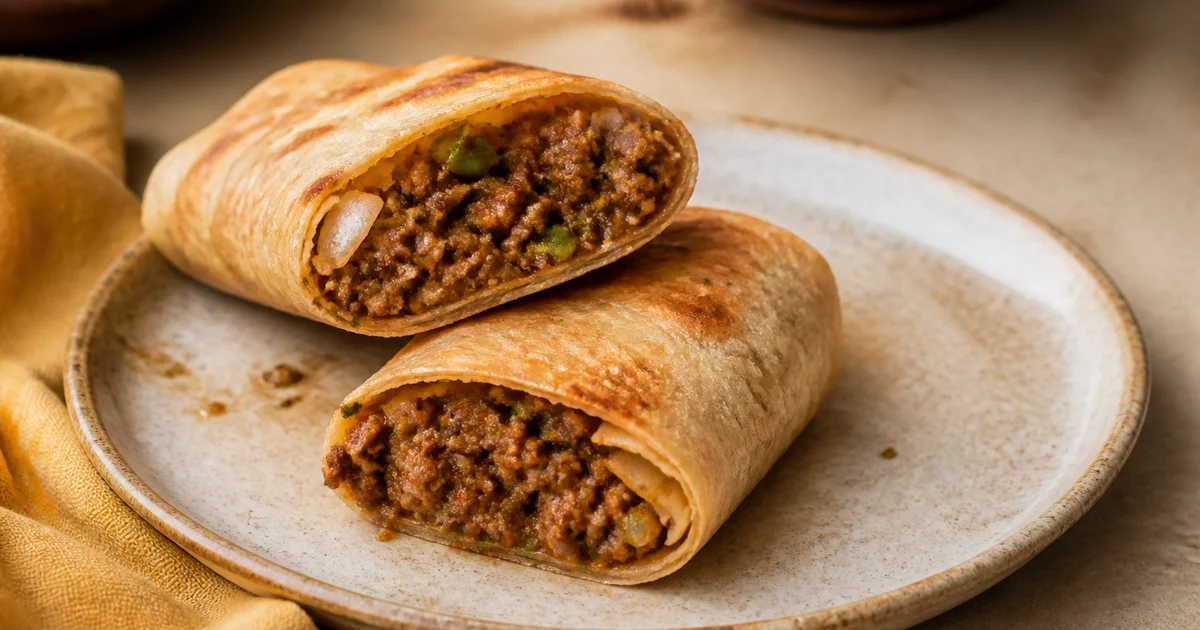
Commercial Bangladeshi Beef Roll Recipe
A commercial beef roll recipe producing 40 consistent rolls with tender cooked-down beef, crisp vegetables, controlled moisture and practical service guidance.
- Yield:
- 40 beef rolls
- Total:
- 1 hr 35 min
- Difficulty:
- Medium
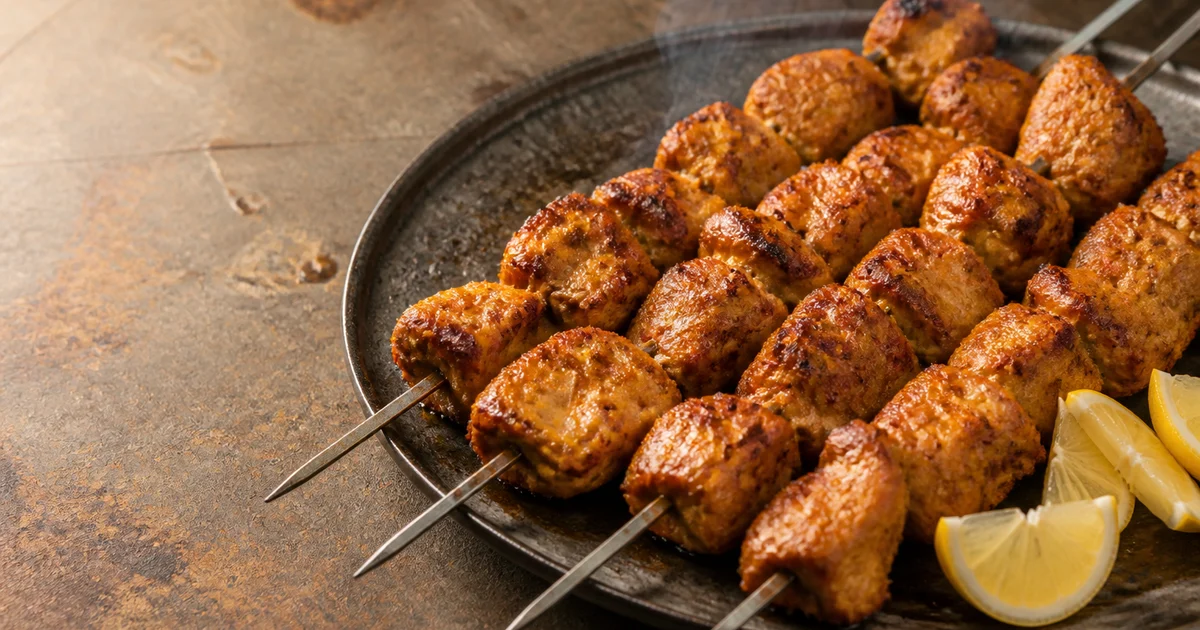
Commercial Chicken Boti Kebab
A 5 kg commercial chicken boti kebab batch with controlled cube size, papaya tenderising, high-heat grilling and practical service holding.
- Yield:
- about 40 portions
- Total:
- 5 hr 45 min
- Difficulty:
- Medium
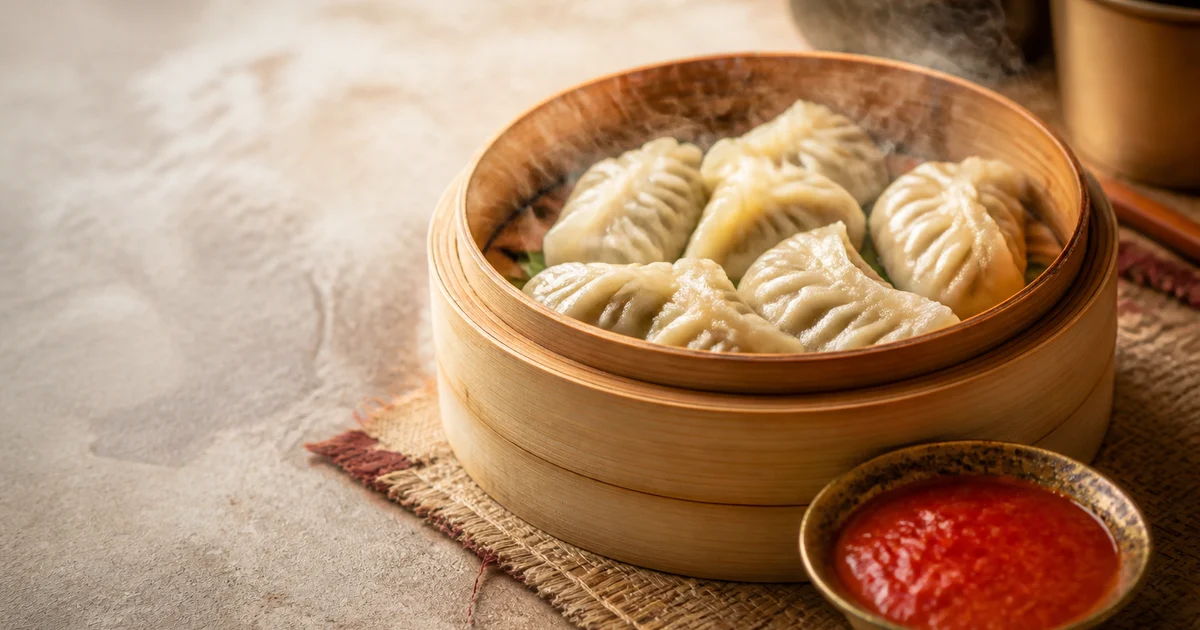
Commercial Chicken Momo Recipe
A commercial chicken momo recipe yielding about 200 pieces, with measured wrappers, juicy filling, fast folding, batch steaming, freezing and chutney control.
- Yield:
- about 40 plates
- Total:
- 3 hr 30 min
- Difficulty:
- Medium
Run your restaurant on Rosuii
POS, menu, inventory, payroll and more — built for Bangladeshi restaurants.
Start free