
Restaurant Recipes
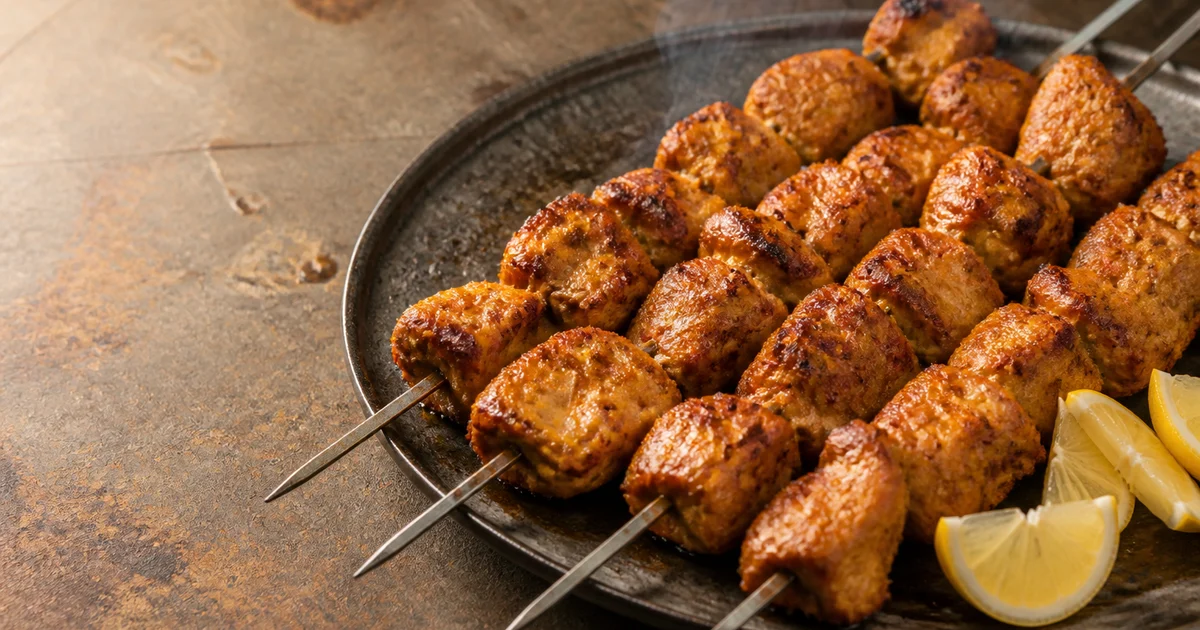
Commercial Chicken Boti Kebab
A 5 kg commercial chicken boti kebab batch with controlled cube size, papaya tenderising, high-heat grilling and practical service holding.
- Prep
- 45 min
- Cook
- 1 hr
- Total
- 5 hr 45 min
- Yield
- about 40 portions
- Difficulty
- Medium
- Cuisine
- Bangladeshi
Method
- 1
Trim and cut chicken
Keep the chicken at 0 to 5°C while trimming off cartilage, loose tissue and thick fat. Cut uniform 30 to 35 mm cubes weighing roughly 25 to 30 g each; the pieces should look square and have no thin tails that will burn.
- 2
Roast and cool besan
Dry-roast the besan over medium-low heat for 3 to 4 minutes, stirring continuously. Remove it when the raw smell disappears and the colour becomes slightly deeper, then cool it below 25°C before mixing.
- 3
Apply first tenderising mix
Combine the chilled chicken with salt, raw papaya paste and lemon juice for 2 to 3 minutes until every cube has a light, even coating. Cover and rest at 0 to 5°C for 20 minutes; the surface should remain firm rather than becoming soft or pasty.
- 4
Mix the main marinade
Fold in the ginger, garlic, strained tok doi, powdered spices, kasuri methi, cooled besan and mustard oil. Mix for 3 to 4 minutes until the marinade forms a thin coating with no dry spice pockets or watery pool at the bottom.
- 5
Marinate under refrigeration
Cover the chicken and marinate at 0 to 5°C for 4 hours. At the end, the coating should cling firmly to each cube; do not extend the papaya-containing marinade overnight because the surface can become mushy.
- 6
Preheat the grill fully
Heat the charcoal or gas grill for 15 to 20 minutes until the cooking zone reaches approximately 250 to 300°C. Charcoal should be glowing with a light ash coating and no tall yellow flames before loading the skewers.
- 7
Load uniform skewers
Thread cubes through their thickest section, leaving 3 to 5 mm between pieces. Keep each skewer at a similar loaded weight and return prepared skewers to refrigeration at 0 to 5°C if they will wait longer than 10 minutes.
- 8
Grill over high heat
Cook the skewers at 250 to 300°C for 8 to 10 minutes, turning every 1 to 2 minutes after the coating has set. Brush lightly with soybean oil near the end; the chicken should have browned edges, a dry clinging crust and no burnt spice layer.
- 9
Check temperature and rest
Probe the thickest cube from each grill run and continue cooking until its centre reaches at least 74°C. Rest the skewers for 2 minutes in a clean warm tray; clear juices and a firm, moist centre indicate correct cooking.
- 10
Portion or hold safely
Remove the chicken from the skewers and weigh portions while the kebab is hot, targeting 95 g for the standard 40-portion yield. Serve immediately or hold at 60°C or above for no more than 2 hours; the surface should remain browned rather than wet with condensation.
Notes for your kitchen
This boti kebab recipe produces about 40 controlled portions from a 5 kg boneless chicken batch. It is designed for Bangladeshi restaurants, food carts and takeaway kitchens using a charcoal grill, gas chargrill or commercial skewer grill. The finished kebab can be sold as a platter portion or measured into wraps, paratha rolls and kebab boxes.
Why chicken boti kebab suits commercial service
Chicken boti kebab works commercially because it cooks quickly, accepts advance preparation and fits several menu formats. Uniform chicken cubes can be marinated before service and grilled in small batches as orders arrive. A hot grill normally finishes each loaded skewer in 8 to 10 minutes, which is practical for a cart or quick-service restaurant.
The same production batch can support several menu items without changing the core recipe. Smaller cooked portions suit wraps and rolls, while a larger portion can be plated with naan, salad, chutney and grilled vegetables. Keep a separate standard weight for each menu item rather than allowing cooks to estimate by the number of pieces.
Chicken thigh is forgiving during fast grilling and remains moist after brief holding. It also tolerates the intense heat needed for browned edges better than breast meat. Breast can be used when customers require it, but it must be cut accurately and removed as soon as it reaches a safe internal temperature.
Ingredient selection and quality control
The quality of the chicken and the strength of the tenderiser matter more than adding extra spices. Buy boneless, skinless thigh with firm flesh, a clean smell and minimal purge in the bag. Excess water increases paid weight, weakens the marinade and causes the cubes to steam instead of char.
Trim thick fat, loose tissue, cartilage and blood spots before weighing the usable chicken. Cut cubes approximately 30 to 35 mm across and 25 to 30 g each. Pieces below 25 mm dry before they brown, while pieces above 40 mm can remain undercooked in the centre when the outside is already dark.
Raw papaya paste is powerful because its enzyme breaks down protein. Use it by weight and keep the contact time controlled. Too much papaya, or an overnight marinade containing papaya, produces a soft, pasty surface that tears on the skewer. Ginger and garlic should be freshly processed and reasonably dry rather than diluted with unnecessary water.
Use thick, strained tok doi so the coating clings to the chicken. Thin yoghurt releases water over the grill. Roasted besan absorbs surface moisture and improves adhesion, but excess besan gives the kebab a floury crust. Kashmiri chilli supplies colour with moderate heat; do not depend on synthetic colour to hide weak browning.
Technique for tender, browned cubes
Successful boti kebab requires controlled tenderising followed by rapid cooking over strong, dry heat. Keep the chicken at 0 to 5°C throughout trimming and marination. Drain visible liquid before adding the main coating because wet chicken cannot hold a stable layer of yoghurt and spices.
Apply the papaya and acidic ingredients evenly rather than leaving concentrated patches. The main marinade should form a thin coating around every cube, not a pool at the bottom of the tray. Use gloved hands or a paddle to fold the batch from the bottom until the colour is consistent. Marinate in shallow covered food-grade trays so the centre of the batch stays cold.
Thread the pieces through their thickest section and leave a small gap of approximately 3 to 5 mm between cubes. Tight packing traps steam, slows cooking and leaves pale contact points. Oversized gaps waste grill capacity and expose thin edges to too much heat.
The grill must be fully heated before the first skewer is loaded. Aim for a grate or cooking-zone temperature of approximately 250 to 300°C, with glowing charcoal and no tall yellow flames. Turn frequently after the first surface has set. This develops several browned faces without leaving one side over the heat long enough to burn.
Check the thickest piece from each cooking run with a cleaned probe thermometer. Chicken must reach at least 74°C at the centre. Colour alone is unreliable because chilli and grill smoke can make partially cooked meat look finished.
Scaling the batch without changing quality
Scale every marinade component by usable chicken weight, but divide large production into manageable trays and grill loads. A half batch uses half of every measured ingredient, while a double batch uses twice the listed amount. Do not add spices by eye or increase papaya for a larger batch.
Large batches need more mixing time, not more marinade. For production above 10 kg, divide the chicken into trays holding no more than 5 kg each. This helps the batch cool evenly, makes mixing consistent and prevents the bottom layer from sitting in released liquid.
Grill capacity determines real output. Doubling the raw batch does not halve cooking time, and crowding the grill reduces heat around each skewer. Plan production in identical grill runs, recording kilograms loaded and finished kilograms recovered. If a cart has only a small charcoal bed, stagger marination and skewering instead of preparing more meat than can be sold safely.
Holding, cooling and reheating
Cooked chicken boti is best served immediately, but short hot holding can be managed without losing the entire batch. Hold finished kebab at 60°C or above in a covered shallow pan for no more than 2 hours for quality. Avoid adding water to the pan because steam softens the charred surface.
For a busy service, grill the kebab to completion in small batches and keep only the next 15 to 20 minutes of expected sales in the holding unit. Brush with a very small amount of oil before a brief finishing pass if the surface looks dry. Never mix a fresh batch underneath older held pieces.
If cooked kebab will be saved, cool it from 60°C to 21°C within 2 hours and from 21°C to 5°C within a further 4 hours. Spread it in shallow trays rather than leaving hot skewers in a deep container. Refrigerate covered at 0 to 5°C and use within 24 hours for best restaurant quality.
Reheat only once to a centre temperature of 74°C. A 250°C grill or salamander restores the surface better than a steam table; normally 2 to 4 minutes is enough for chilled cubes, depending on load. Discard kebab that has spent an uncontrolled period at room temperature.
Portioning and yield control
Portion chicken boti by cooked weight because piece counts change with trimming and moisture loss. This batch should normally return approximately 3.7 to 4 kg after trimming and cooking, depending on the chicken and grill loss. A target of 95 g cooked kebab gives about 40 portions, with normal production variation.
A wrap may use 75 to 80 g, a paratha roll 85 to 90 g and a full platter 115 to 120 g. Record each as a separate menu specification. Use a digital scale during assembly until staff can portion consistently, then carry out random weight checks through service. The portion control method should also specify chutney, onion, bread and garnish quantities.
Record purchased weight, trimmed weight, marinated weight and final cooked weight for several batches. This reveals whether loss comes from poor trimming, watery chicken, excessive grilling or oversized portions. Rosuii productions can be used to record raw materials converted into a finished kebab batch, while wastage and sales reports help compare production with actual sales.
Mistakes that waste food and money
The most expensive mistakes are inconsistent cubes, uncontrolled papaya, weak grill heat and unmeasured serving portions. Small cubes burn and lose moisture, while large cubes slow ticket times and create food-safety risk. Give one trained prep cook responsibility for cutting or use a sample cube as a visual standard.
- Watery marinade: Undrained chicken or thin yoghurt causes dripping, flare-ups and poor adhesion.
- Excess tenderiser: Too much papaya creates mushy kebab that breaks during turning and cannot be sold neatly.
- Cold or crowded grill: The chicken releases liquid and steams, increasing cooking loss without producing char.
- Repeated reheating: Each heat cycle removes moisture and increases unsellable leftovers.
- Freehand portions: An extra cube in every roll can remove several expected portions from a batch.
Chicken is the main cost driver, so supplier yield and trimming quality require regular checks. Use recipe costing based on usable weight rather than invoice weight, then monitor the resulting food cost percentage for each wrap, roll and platter separately.
Keeping service flexible and cost stable
Stable cost comes from one controlled kebab production batch feeding several clearly specified menu items. Keep the cooked chicken weight fixed for each format and change value through bread, salad, sauce or side combinations rather than quietly increasing meat. Menu add-ons such as extra kebab should also have a defined cooked weight.
Forecast by day and service period instead of marinating the maximum possible quantity every morning. Keep raw trimmed chicken and papaya-free base marinade separate when demand is uncertain, then combine only the amount likely to sell after the controlled marination period. This limits texture damage and reduces end-of-day disposal while protecting the fast service that makes chicken boti useful for a commercial kitchen.
What drives the cost
Boneless chicken is the main cost of this dish, and its usable yield changes with supplier trimming, purge, fat and cartilage. Tok doi, mustard oil and spices are secondary costs, while overcooking, oversized portions and unsold marinated chicken create the largest avoidable losses.
Ingredient rates move with the market, so this describes what drives the cost rather than quoting a figure.
Questions from kitchens
Can this boti kebab recipe be doubled for an 80-portion service?
How long can raw marinated chicken boti be kept?
Can chicken breast replace thigh meat?
What cooked yield should a restaurant expect from 5 kg chicken?
How should leftover cooked boti kebab be reheated?
Related recipes
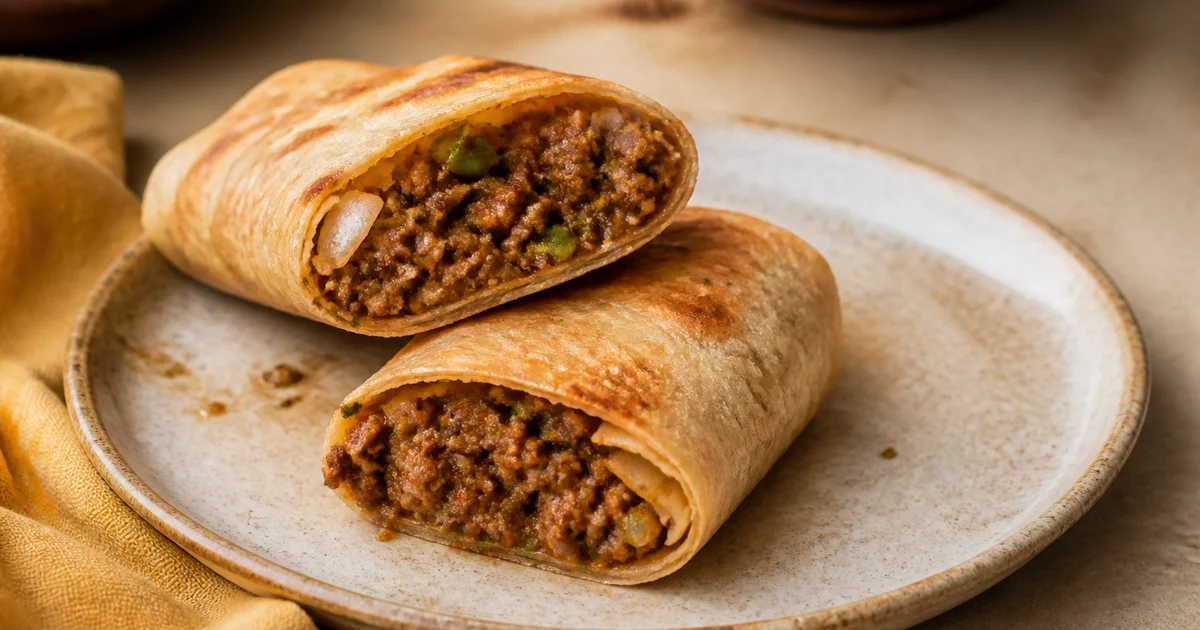
Commercial Bangladeshi Beef Roll Recipe
A commercial beef roll recipe producing 40 consistent rolls with tender cooked-down beef, crisp vegetables, controlled moisture and practical service guidance.
- Yield:
- 40 beef rolls
- Total:
- 1 hr 35 min
- Difficulty:
- Medium
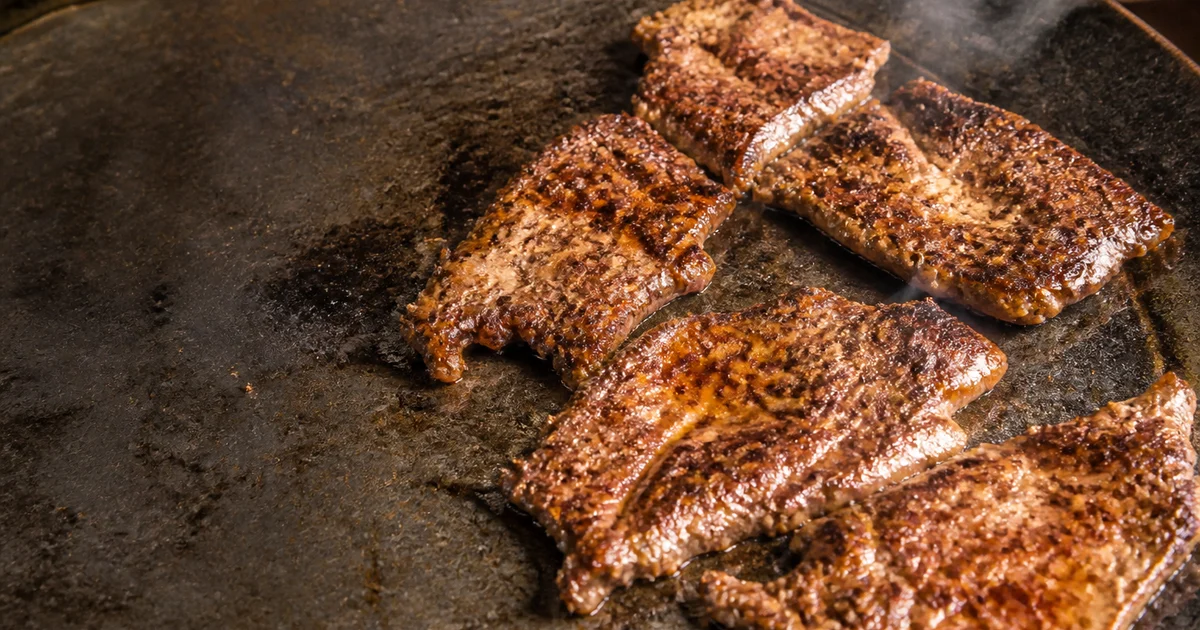
Commercial Beef Chaap Recipe
A commercial beef chaap recipe for 40 plates, covering controlled tenderising, slow tawa cooking, service holding and consistent portion yield.
- Yield:
- about 40 plates
- Total:
- 2 hr 20 min
- Difficulty:
- Medium
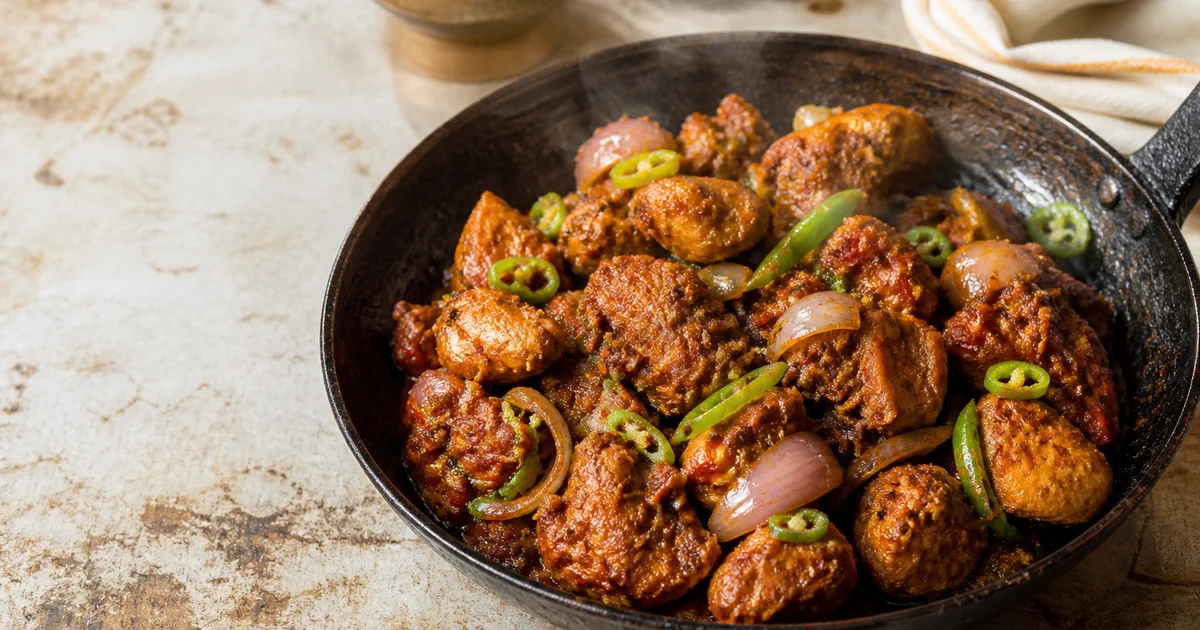
Commercial Chicken Jhal Fry Recipe
A commercial chicken jhal fry recipe for about 40 plates, using a fully cooked chicken base and a fast, spicy high-heat finish for each order.
- Yield:
- about 40 plates
- Total:
- 1 hr 15 min
- Difficulty:
- Medium
Run your restaurant on Rosuii
POS, menu, inventory, payroll and more — built for Bangladeshi restaurants.
Start free